Garden Q&A: What's the safest and best way to get rid of weeds?
 Kya deLongchamps explores organic weed suppression methods in favour of controversial chemical sprays
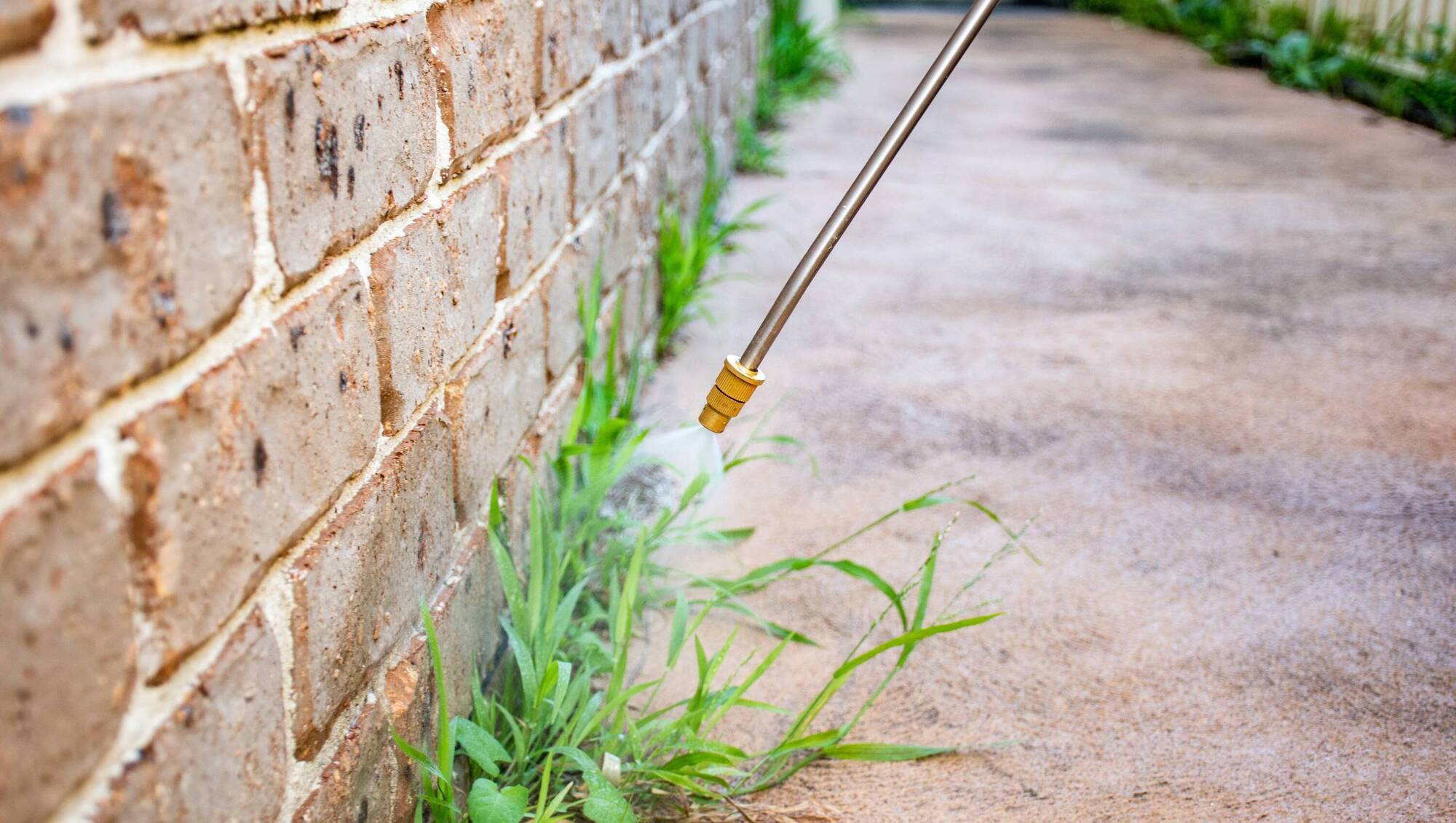
When spraying weeds with a vinegar/salt/washing-up mixture, you may have to return to the task every few weeks. Ensure patios are not left soaked in caustic mixtures which can hurt animals’ paws. Picture: istock

When spraying weeds with a vinegar/salt/washing-up mixture, you may have to return to the task every few weeks. Ensure patios are not left soaked in caustic mixtures which can hurt animals’ paws. Picture: istock

Everywhere I go — there it is. The crisp cloak of silent death indicates someone has broken out the glyphosate weedkiller with ruthless abandon. Driveway edges and thick verges outside family homes are glowing in that sickly orange stamp of the ultimate chemical creep.

Happy folk who look as if they’ve stepped straight out of an Enid Blyton book, in their shorts and light cotton gloves, set the sprayer to a fine mist, ensuring this toxic fug drifts even further than the intended “spot spray”. We cannot isolate one brand here, as most commercial, systemic, broad-spectrum weed killers carry glyphosate. Wherever glyphosate touches, leaches, or drifts, it kills not only every leafy thing but also beneficial insects and microorganisms. Used widely on boundaries, the G-word can detonate good feelings over the back garden fence. “So — you detest bees, do you, Brian?”

There are genuine reasons for concern. Glyphosate layered into the ground season after season may largely break down after application, but has the potential to slyly build up in the soil. Anything you might grow at home can even take up AMPA, the breakdown product created by herbicides including glyphosate. A study by the European Commission’s Joint Research Centre and two Dutch laboratories way back in 2017 showed that 45% of Europe’s topsoil contains glyphosate residues.

If you are determined to use glyphosate weed control — wear full PPE, be highly specific treating individual plants, and avoid fine misting that can drift into your grass and borders (never mind your precious lungs).

Jump scare over — let’s explore alternative methods to put manners on misplaced plants in the gravel and choking up your paths and patios.

Pulling weeds is satisfying and downright meditative when something slides politely up out of the ground in one elastic motion. Even where we’re struggling, it offers a reasonable level of musculoskeletal and cardiovascular workout, enough to burn off around 250 calories per hour if you keep up a good pace.

Weeding beds by hand is actually quite progressive, agreeing with the latest principles of no-dig gardening that leaves carbon trapped and undisturbed in the soil. Still. All that bending?

Some gardeners, clutching their backs — routinely boil up the kettle and pour scalding death on weeds. It doesn’t work for long, sadly. Bleach (an old favourite of the maddened gardener), used repeatedly, can alter the pH balance of the soil and get into the groundwater. Steer clear. Think about methods that will kill the weeds much of the time, but which may require a return to the job every three or four weeks to suppress growth with organic methods, rather than obliterating it with a chemical attack.

Salt and vinegar

Let’s start with salt and vinegar — great on chips, but lethal for most plants. Most commercial eco-friendly weedkillers contain some form of acetic acid, salt and oils, so why not make up something yourself? All you need is vinegar, salt and a little washing-up liquid. The salt and vinegar do the caustic damage by drying out the stem and leaves (starving it), and the soap helps the solution to cling to the plant long enough to be effective. You will need commercial amounts of vinegar in five-litre containers to keep this up for treating gravel areas over the summer.

I found five-litre bottles at my local Tirlán for €4.50 — cheap by comparison to a five-litre ready-mix Roundup Total Optima at €80, and you won’t have to worry if this mixture gets on your hands. I made up a series of trigger-spray bottles, and five one-litre bottles came in around €1 each.

Most people use a five-litre jug of vinegar with a couple of handfuls of salt (any typical table salt is fine) and an environmentally friendly washing-up soap with no antibacterials or chemical scent. One good squeeze of the soap is ideal. Your sprayer (ensure it’s completely clean) is also perfect for the job here — just bung all the ingredients in and give it a good shake.
Spot-spray the leaves of any bothersome plant, and in a few days, it should shrivel right through to the roots, decay and blow away out of your life. Don’t leave vinegar in a pump/back-pack sprayer for more than a few days, as it can damage the rubber seals. I prefer to spray in the morning and wash down any treated paving slabs by evening to ensure my dog and our local hedgehogs don’t burn their paws. Vinegar needs salt, baking soda or lemon juice to have a real punch.

Electric burners

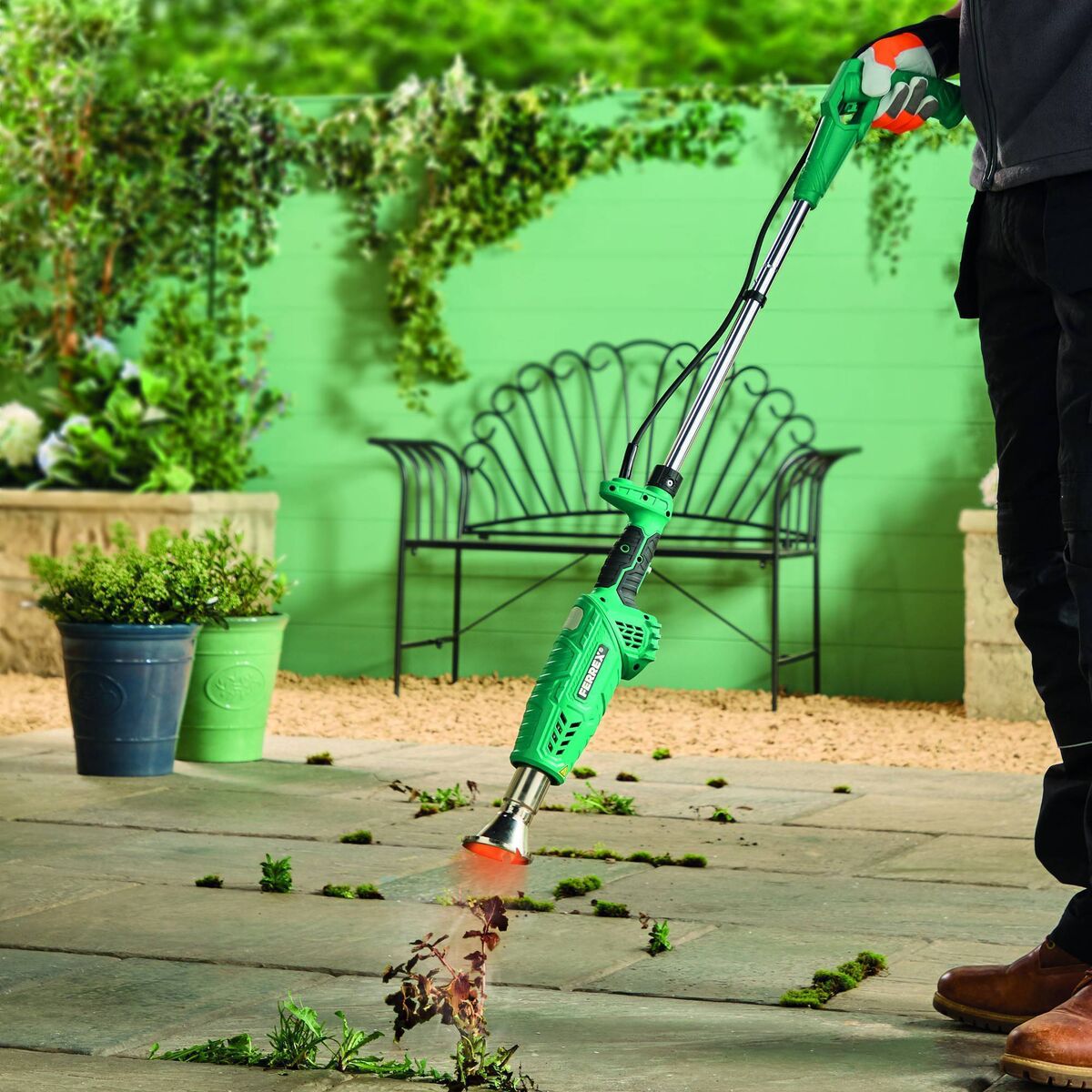
Electric weed burners use super-heated air to boil the moisture in the misplaced plant at around 650C. They're often included in Aldi's rolling offers. Look for models that can also be used to light your barbecue.

This sounds brutal, but if you still don’t fancy getting down on the garden kneeler for mechanical martyrdom, we can also burn the living daylights out of the errant plant with flame weeding or electric wand (hot-air) weeders.

Burning is chemical-free and involves using a real flame produced by a small canister of gas. Bayonet valve gas canisters (before purchasing the gas at around €6 a can) are extremely cheap, with pricing from just €26.

They light with a push-button ignition, rather like your gas stove, are adjusted by a regulator for more fire power (1300C is about standard) and leave no dangerous residue for children or pets. If you have block paving and similar hard landscaping with problem weeds — a flame weeder can turn their treatment into a relaxed stroll, wilting them off.

Don’t use any real-flame burner on a dry lawn in the middle of summer, or you could find yourself in the local news. Larger units on the bottle trolley should be used with safety boots and gloves in experienced hands only.

With an electric wand, instead of combustion, we use very short bursts of hot air to boil the moisture in the leaves and stems of young weeds. This can show results in a matter of seconds. The flame or hot-air method generally requires two passes a couple of weeks apart, as the roots can survive this assault. Air-frying the odd ladybird or rambling bumblebee is traumatising. Do a short hunt for insects wandering around the patio if possible, using a brush and pan to flip them off to the safety of the lawn.

Delivering around 600C, electric weed burners are not as powerful as gas burners, and obviously, without a battery, you’re bringing a lead around behind you. Like any heat gun, electric weed guns take up to 45 minutes to reach a working temperature.

Batteries and combos

For a larger garden, explore battery-powered electric weeders on battery/charging platforms that support other hand tools, mowers and DIY equipment. Some electric models by Kinzo and Wolf combine weed burning, BBQ lighting, and heat gun capabilities in one tool. Prices? From €30 for a 2000W Draper (an excellent brand) with two heat settings, a fixed stand, soft grip handle and 1.7m cable to add to an extension reel.

x

More in this section

Revoiced

Newsletter

Had a busy week? Sign up for some of the best reads from the week gone by. Selected just for you.

Cookie Policy Privacy Policy Brand Safety FAQ Help Contact Us Terms and Conditions

© Examiner Echo Group Limited