Peter Dowdall: Let's hear it for lamb's ear and other remarkably resilient plants 
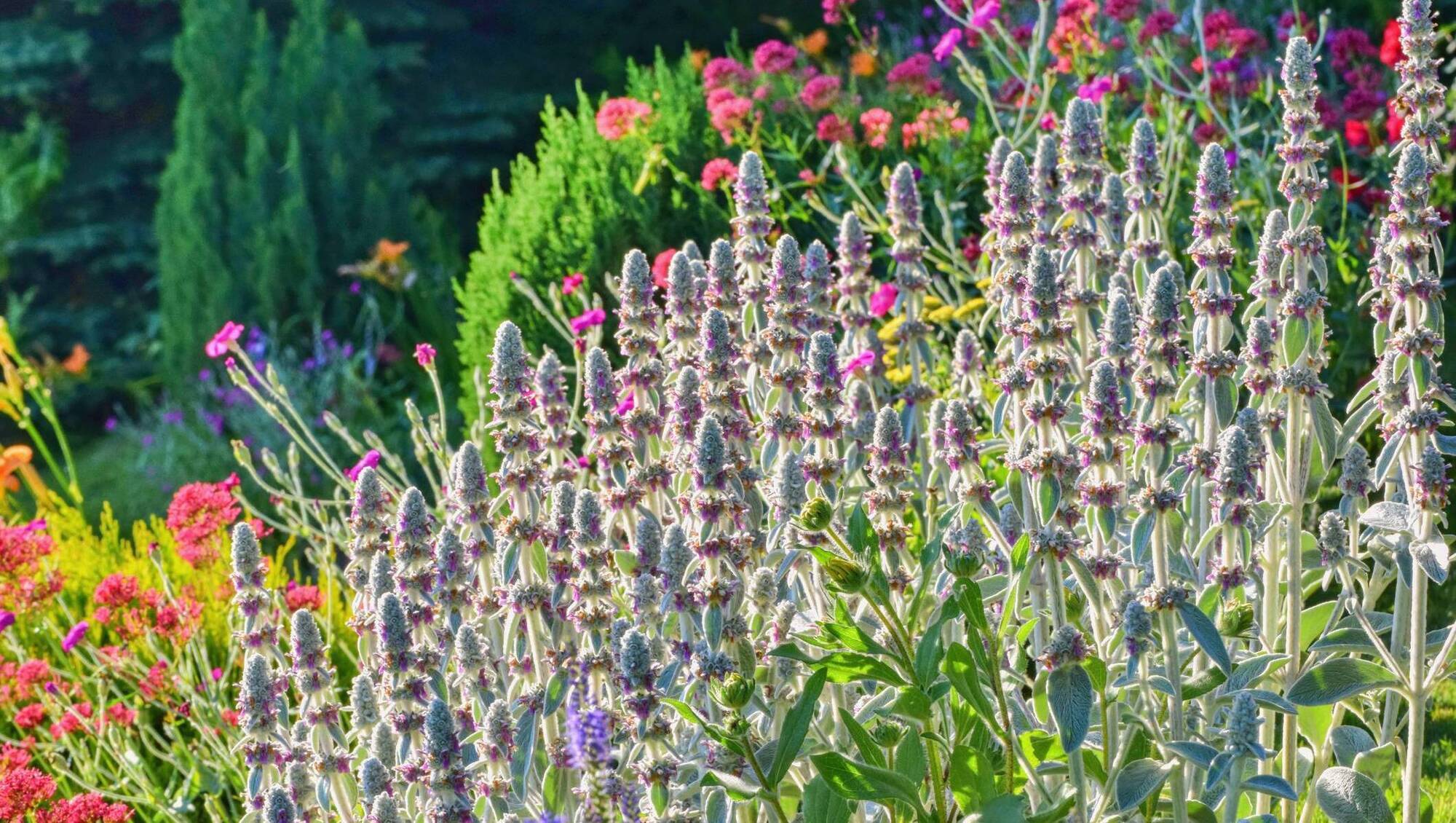
Some plants have evolved so that they not only survive conditions that leave everything else wilting but also look their best while doing so
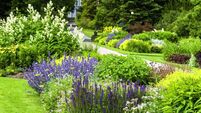
Stachys byzantina (lamb's ears) in a summer garden. The leaves are covered in a dense layer of fine white hairs that dramatically slows water loss through transpiration. Picture: iStock

Stachys byzantina (lamb's ears) in a summer garden. The leaves are covered in a dense layer of fine white hairs that dramatically slows water loss through transpiration. Picture: iStock

Plants are quite extraordinary. Did you ever think about how a particular tree survived a night of hurricane-force winds that brought down walls and lifted roofs, and wonder how it managed? Or look at a plant that sailed through a week of thirty-degree heat without so much as wilting, knowing that the same plant will sit quite happily under six inches of floodwater in November, and then shrug off a hard January frost without complaint?

Any architect or engineer would struggle to design a structure to those specifications, but plants do it without a thought and have been doing it for longer than we can comprehend.

That resilience is the accumulated result of millions of years of adaptation.

Some plants have evolved fleshy, water-storing leaves or roots, living reservoirs that buffer them against dry spells. Others have reduced their leaf surface area to slow moisture loss, or developed a coating of fine silver hairs that reflects light, lowers leaf temperature, and cuts the rate of transpiration. Some push deep taproots into subsoil moisture far below the parched surface. The result, in every case, is a plant that not only survives drought but often looks its best in the conditions that leave everything else wilting.

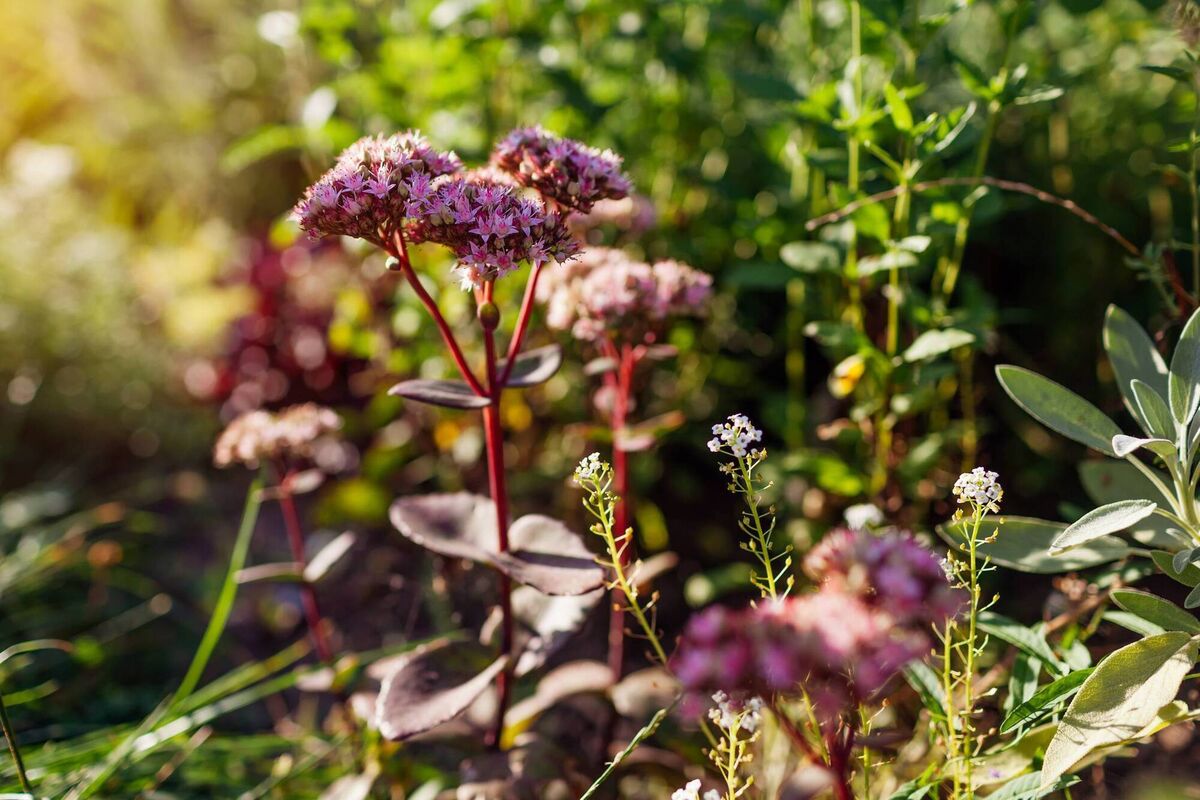
Sedum, or hylotelephium, to give the genus its current correct name, though this gardener still refers to it as sedum, is an obvious one. Its flat, waxy, grey-green leaves are succulent in the true botanical sense, in that they store water directly in their tissue, drawing on those reserves when the soil dries out. You can feel the firmness of the leaves; the slight sponginess is the stored moisture beneath the surface. In a dry summer, sedums look entirely untroubled while neighbouring plants flag and wilt.

Give them nothing except what they ask for, which is a sunny, well-drained spot, and they will reward that neglect with broad, flat flower heads in late summer and autumn that shift from pale green through dusky pink to deep copper-red as the season progresses and watch the bees and butterflies flock to them.

Sedum Matrona. 
Sedum Matrona. 

The cultivar ‘Matrona’ is particularly good, with plum-tinted stems and foliage that gives it a second season of interest before the flowers even open.

Eryngium, the sea holly, takes a different approach entirely. Rather than storing water above ground, it invests in a deep, searching taproot that pushes down into subsoil layers that surface drought never reaches.

The leaves themselves are tough, glossy, and deeply cut, which means less surface area is exposed to the drying effects of sun and wind. In its natural habitat along coastlines and dry grasslands, it thrives in the poorest, stoniest ground imaginable. In the garden, this translates into a plant that actively dislikes being fussed over. In fact, good soil and regular watering will produce a soft, floppy specimen that flops and disappoints. Grow it in hard and dry conditions, and it flourishes, giving you that extraordinary metallic blue-silver. The species Eryngium x zabelii and the cultivar Jos Eijking are excellent choices.

Stachys byzantina, lamb’s ear, is an old cottage garden favourite which just begs you to touch and feel it. The leaves are covered in a dense layer of fine white hairs, which make them feel just like a well, a lamb’s ear. Those hairs are not just decorative; they are functional, creating a microclimate at the leaf surface that reflects intense light, reduces air movement across the stomata, and dramatically slows water loss through transpiration. It spreads in low, weed-suppressing mats of silver-grey, happiest at the front of a sunny border in free-draining soil.

Verbascums work on similar principles. The great basal rosettes of silver-grey leaves that build through the first year are densely felted, reflecting light and reducing moisture loss, while below ground, a substantial taproot anchors the plant and reaches for deeper water. In the wild, verbascums colonise roadsides, dry banks, and disturbed stony ground, places where most plants would give up.

In the garden, they need excellent drainage above all else; the one thing that will kill them is sitting wet through an Irish winter. We can’t do anything about the amount of rain we get here, but we can counteract this by ensuring the verbascums are growing in very well-drained soil.

Give them that, and they are straightforward and spectacular, sending up tall flower spikes of yellow, white, or soft apricot in their second year before self-seeding with moderate enthusiasm. Verbascum chaixii ‘Album’, with its white flowers and purple centres, is a really beautiful choice.

A lot of the time, we are guilty of mollycoddling our plants too much when sometimes a bit of tough love is better, as these guys all want an open sunny position with sharp drainage and a degree of benign neglect. Give them that, and you will benefit from the adaptations that they have spent millennia perfecting.

x

More in this section

Revoiced

Newsletter

Had a busy week? Sign up for some of the best reads from the week gone by. Selected just for you.

Cookie Policy Privacy Policy Brand Safety FAQ Help Contact Us Terms and Conditions

© Examiner Echo Group Limited