Savvy summer strategies to save money on winter heating bills
Start planning right now, and you'll turn the heat right down on costs later in the year
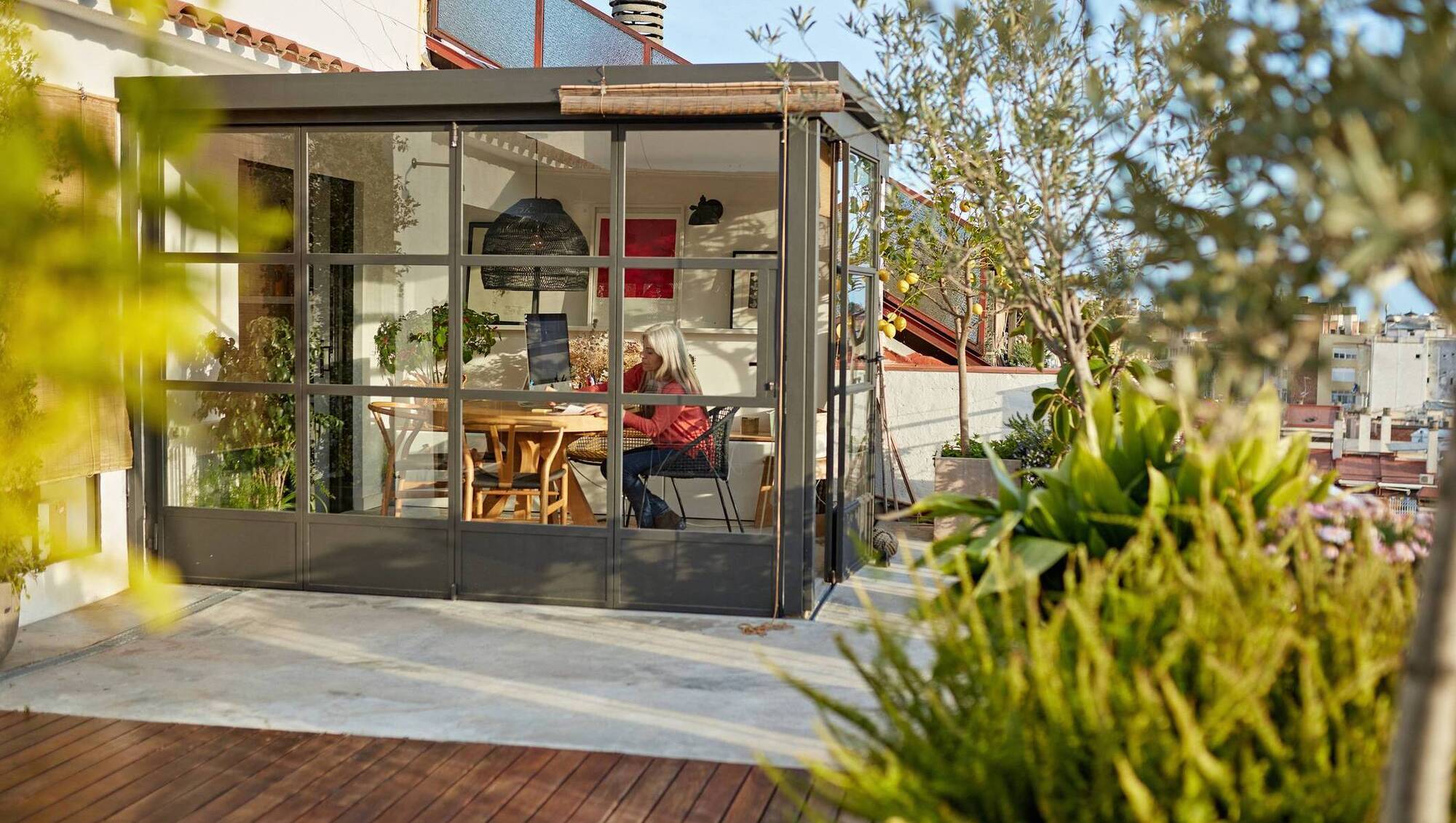
Whether you're studying, working or retired, ensure one room in the house is truly comfortable for you during the day. This little conservatory is acting as a heat shunt for adjoining rooms. File picture

Whether you're studying, working or retired, ensure one room in the house is truly comfortable for you during the day. This little conservatory is acting as a heat shunt for adjoining rooms. File picture

As the sun makes its usual progress around our summer skies, it’s hard to imagine the hassle and price of heating our air and water over winter. Still, now is the time to strategise for success. We now pay 40% more for electricity from our power suppliers than the average across Europe. That’s an additional €480 per household (Eurostat).

Where you’re stuck with fossil fuel central heating, the unit prices are in the grip of ongoing geopolitical dramas.

After the best weatherproofing and insulation measures you can manage, thermostats and timers are the first line of defence in taking hour-to-hour control of our space and water heating expenses. Let’s get to work, timetabling a comfortable range of temperatures around our highly individual lifestyles.

Controls and clipping

If you don’t have up-to-date heating controls and you’re interested in upgrading them, there is up to €700 available from SEAI as a retroactive grant. This should cover 25%-30% of the upfront costs, depending on the brand and the unit’s complexity. Whatever your system’s spec, ensure you’re completely familiar with the heating controls to the loops (termed zones) in your wet central heating set-up. We don’t want to overheat upstairs rooms ahead of their use.

You’ll set up a system temperature setting on your master control (50C to 60C for a wet system), then finesse the actual room temperatures using zone thermostats on the wall and independently set thermostatic radiator valves (TRVs) for water flow.

Clipping just 1C from your temperature setting (if you are fit and able) will take up to 10% straight off your bill, whether it’s electrical or fossil fuel supported. Try coming down from 1C in living spaces and see how you feel. Teenagers drifting around in pyjama shorts, complaining? Toss them a dressing-gown.

Heat-pump hazards

Heat pumps (inherited in recently constructed second-hand homes) are often a complete mystery to the new householders. Operating over 24/7, and serving radiators and UFH, they use cooler water temperatures and are slower to react than a traditional wet-central heating system fed by a fossil fuel boiler.
You cannot just dial up the heat with a heat pump in 20 minutes like you can with natural gas. If you don’t know how to set the heat pump correctly, you may adjust to the tropical joy of 23C, tucked up in the hype that heat pumps are automatically cheaper to run than nasty old Earth-destroying oil or gas.

In just a few weeks, that cutting-edge wonder you raved about will put a scary thrill in the bi-monthly bill.

Pay for a specialist or the system supplier to optimise and then fully explain all the settings and any digital graphics to you. Heating engineers are there to service what’s needed, and then to optimise whatever system you have, be it gas, oil, air-to-water or good old kerosene. When getting an annual service carried out by a qualified technician (and we should) ask them to finesse settings, temperatures and timing to both air and water, and to explain exactly how everything works.

Timing is everything

A traditional wet CH system should come on 20 minutes or so before you get up (staying on for an hour or two), 20 minutes before you come home, and switch off or down 20 minutes before you go to bed. In very cold weather, some vulnerable householders may need to leave their heating on overnight at a setback setting even with a conventional boiler.

Ensure everyone in the family knows how to override any timer settings where needed. Heat pumps may be slower to react, but they can also have slightly setback temperatures of 1C to 2C for the wee-hours programmed into the master control and individual room thermostats.

Some HPs have weather compensation. This allows the flow temperatures to increase if very cold weather is detected during the night. Trying to tip a HP up abruptly by 5C? It will work very hard, and if it’s working hard, it’s gobbling kWh units. Smart TRVs can be set on timers and thermostats to create individual heating schedules, room by room.

The misunderstood marvels

TRVs measure the ambient temperature of the room, not the heat of the water in the radiator. This is a typical scenario. We set the TRV to, for instance, three to keep the area reasonably warm. Passing by after dinner, we drift our fingertips over the radiator, and it’s barely warm.

Despite feeling physically warm enough, we turn up the TRV to six to fully open the radiator. This is a thermostatic valve. When the thermostat detects that the air around it is at the right temperature, the valve mechanically closes down.

If you have the TRV set on a two or three, it will regulate the temperature, and once it senses the room is warmed, and this could be from other sources like your fireplace or heat drifting in from other rooms, it will close down the valve.
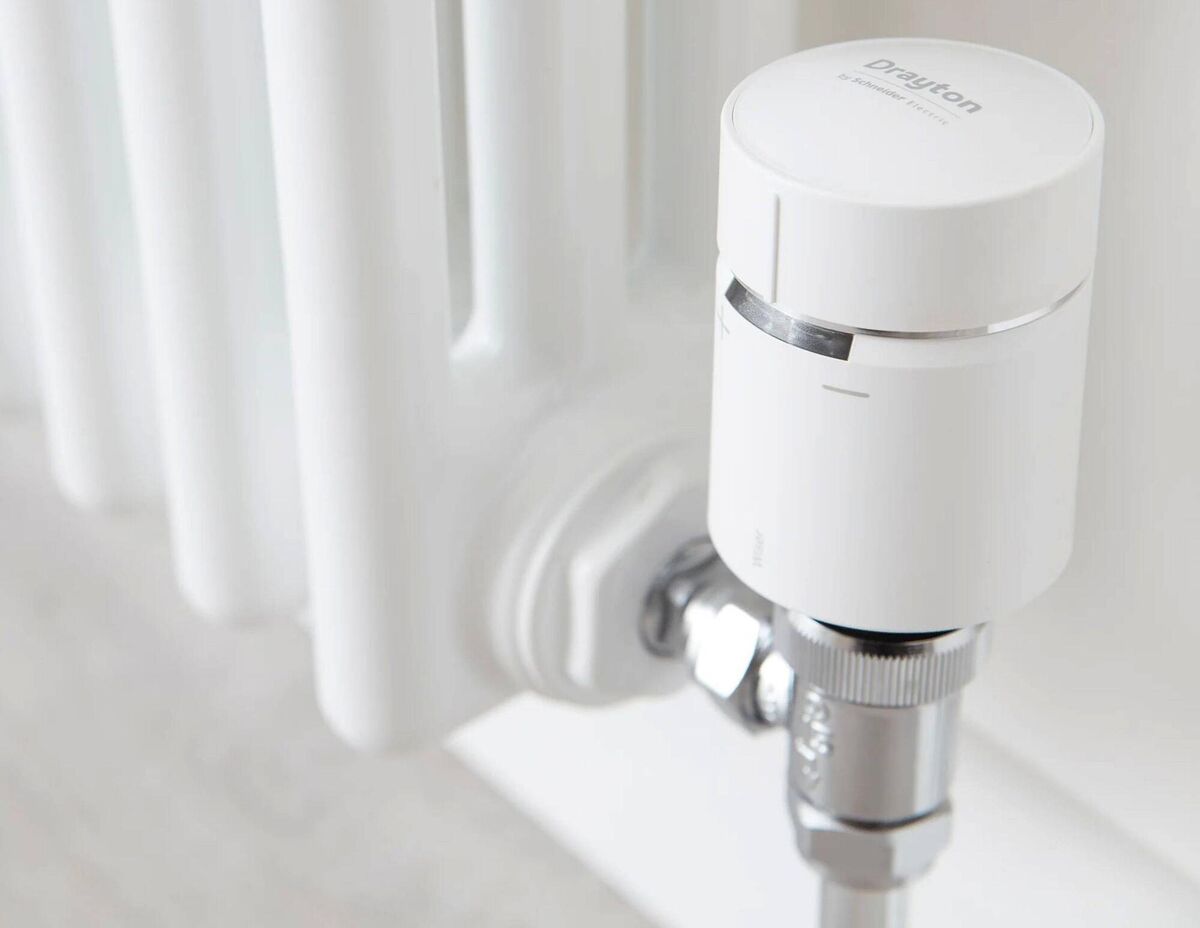
Smart TRV by Drayton, from €69, Screwfix.

Wide open? We’re disabling the thermostat, and no matter how hot the room becomes, the radiator will keep drawing hot water supplied by the boiler (the temperature set on the boiler controls). The only place you don’t need TRVs is close to a wall thermostat, where one thermostat can confuse the other. 17C/18C is adequate for circulation spaces when you keep doors closed to warmer rooms.

Space heaters and seating

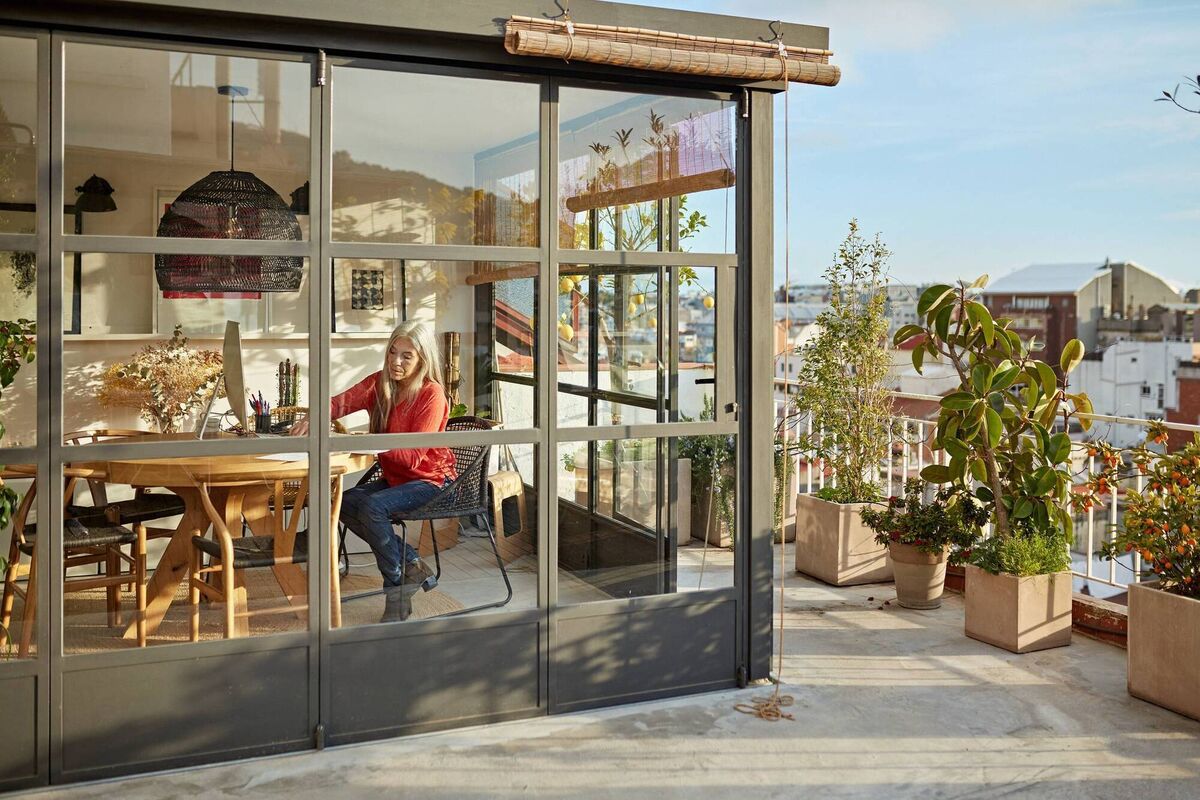
Space heaters offer excellent timing and thermostatic control, so look for extra smarts in oil-filled plug-in radiators, blow heaters, IR panels, and convection units. If you are working from home, retired or confined to home for lengthy periods, think about a smaller living space you can heat to a comfortable temperature on the warmer side of the house.

Passive solar gain (heat gifted by sunshine coming through even double-glazed windows) can warm up the air and interior block walls, allowing them to act as a thermal store that releases heat slowly back to the room. Set back the central heating or turn it off (if you’re able to stand it) and dedicate the use of space heaters in a winter room that’s bright, cheerful, and easy to heat. I would not encourage anyone WFH to do shifts in the sacred space of their bedroom.

In hot water

Using traditional electric immersion as required, rather than as set by a timer, is equivalent to boiling up a gigantic kettle. Overriding the immersion at odd hours during the summer? Check those settings on the controls to ensure the system turns off automatically after a set period (often represented on your controls as BOOST).

When using a gas or even oil boiler set to just water-heating is generally less expensive than jumping to the immersion switch for baths. Standard water tanks will be warmed indirectly when the space heating system is being used. Lag well, and you can keep that hot water for hours.

For fast washing-up, only boost an immersion on a sink setting. Where you have gas heating, turn off the hot tap preheat function. For all electric water heating, utilise a timer and time-of-use tariffs effectively to reduce the cost of water heating. If you have cheaper overnight hours, direct it to immersion, and have a gravity-fed shower in the morning. Tariffs are only useful if you tilt your behaviour towards the energy price bands. Go over your price plan to ensure it suits your lifestyle as closely as possible.

x

More in this section

Revoiced

Newsletter

Had a busy week? Sign up for some of the best reads from the week gone by. Selected just for you.

Cookie Policy Privacy Policy Brand Safety FAQ Help Contact Us Terms and Conditions

© Examiner Echo Group Limited