Peter Dowdall: Garden planting and design ideas to keep your home cool in summer
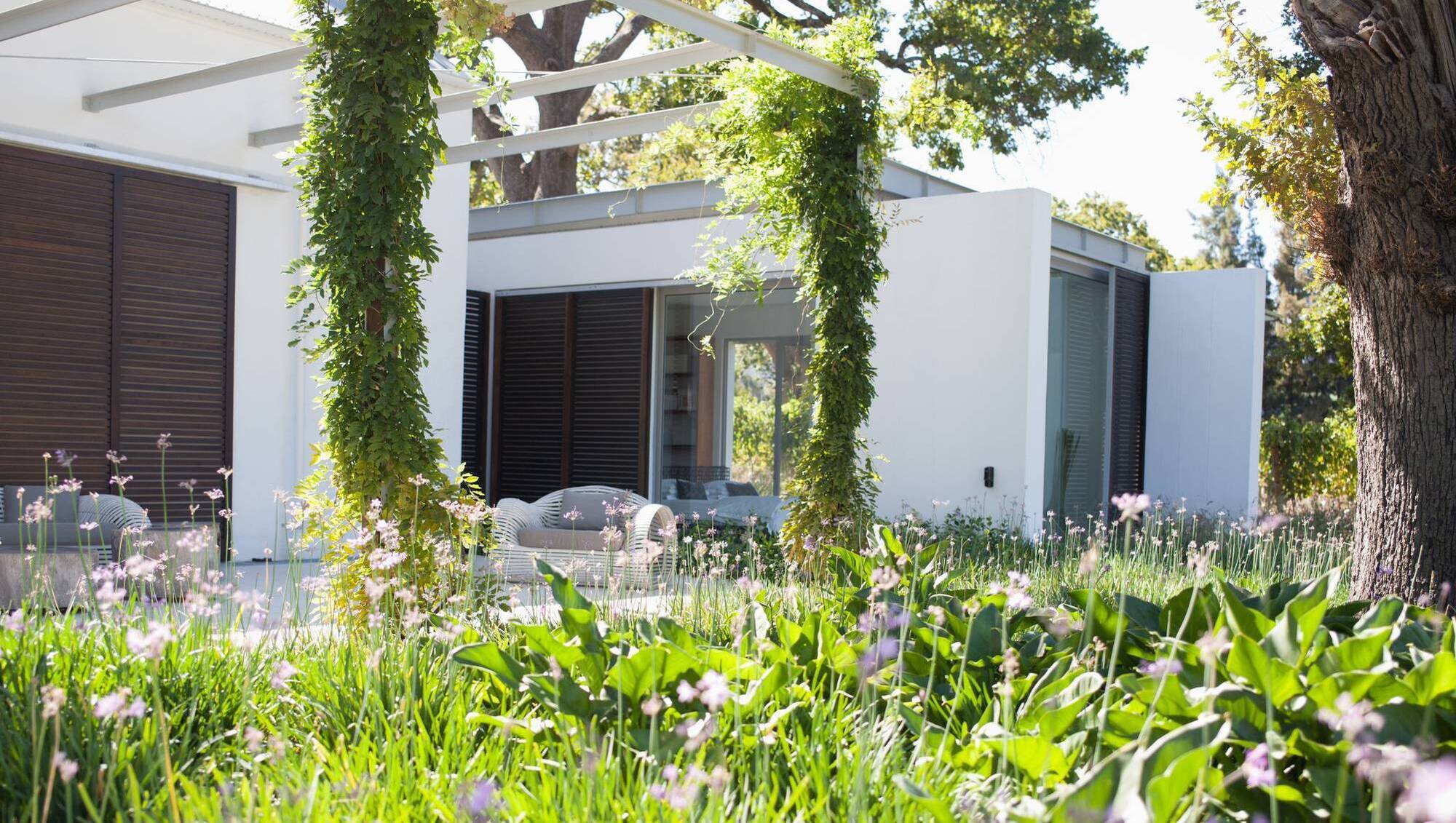
In summer, the same glass that brings in winter light can turn a room into a greenhouse. The same paved patio that looks clean and contemporary can bounce heat and glare straight back into the house, according to Peter Dowdall. File pictures
Many homes are brilliant in winter. They are well insulated, bright, open and designed to pull in every bit of available light. Floor-to-ceiling glass, large sliding doors, open-plan kitchens and strong links between house and garden have changed how we live. On a cold day, there is a lot to be said for that; the house feels connected to the garden, the rooms are full of light, and even a weak winter sun can make the whole place feel better.
Then summer arrives, and the same glass that brings in winter light can turn a room into a greenhouse. The same paved patio that looks clean and contemporary can bounce heat and glare straight back into the house. It does make you wonder, with some houses, whether the architects remembered that summer happens too.
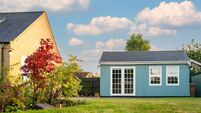
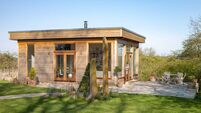
A south or west-facing wall of glass can be beautiful, but if there is no shade, no planting and no softness around it, the result can be harsh and completely unforgiving. Rooms become too hot, and patios become too bright. The home and garden may look good in photographs, but it does not always feel good to live with.
Once more, the natural world can offer us solutions. Plants are not just decoration around a house. Used well, they can cool, filter, soften and make the home so much more comfortable. This is not about shutting out light or turning the house dark. It is about controlling the intense light and softening the glare.
One of the most useful things we can create near a house is dappled shade. This is the light that moves through leaves and branches. It is not heavy shade; it’s filtered light, and it has a completely different quality to the hard glare that comes off paving, glass and walls. Dappled shade cools a space while still allowing brightness through. It creates atmosphere and makes a patio feel like somewhere comfortable to sit.
A well-placed, small tree close to a patio can do more than almost any other garden feature to make an outdoor space usable.
Deciduous planting in this situation is clever, as in summer, leaves provide shade when we need it most and in winter, when the leaves fall, more light comes back into the house. That seasonal change is exactly what many modern homes need. We often want protection from high summer sun, but we do not want to lose precious winter light.
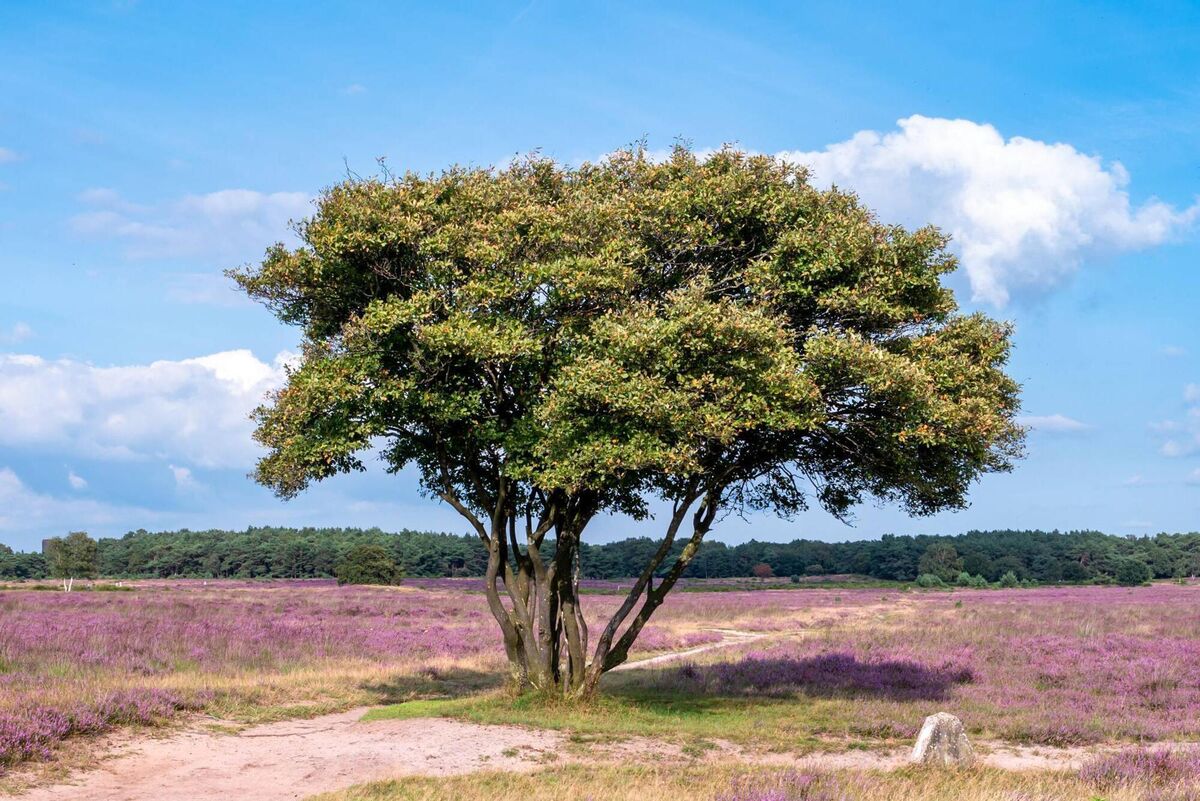
Amelanchier is an excellent choice where space allows. It has a light canopy, spring blossom, berries for birds, lovely autumn colour and it does not feel heavy or oppressive.
Crab apples are also similar in effect, offering blossom, fruit and seasonal interest while casting gentle shade. Rowan, hawthorn and hazel can work beautifully too.
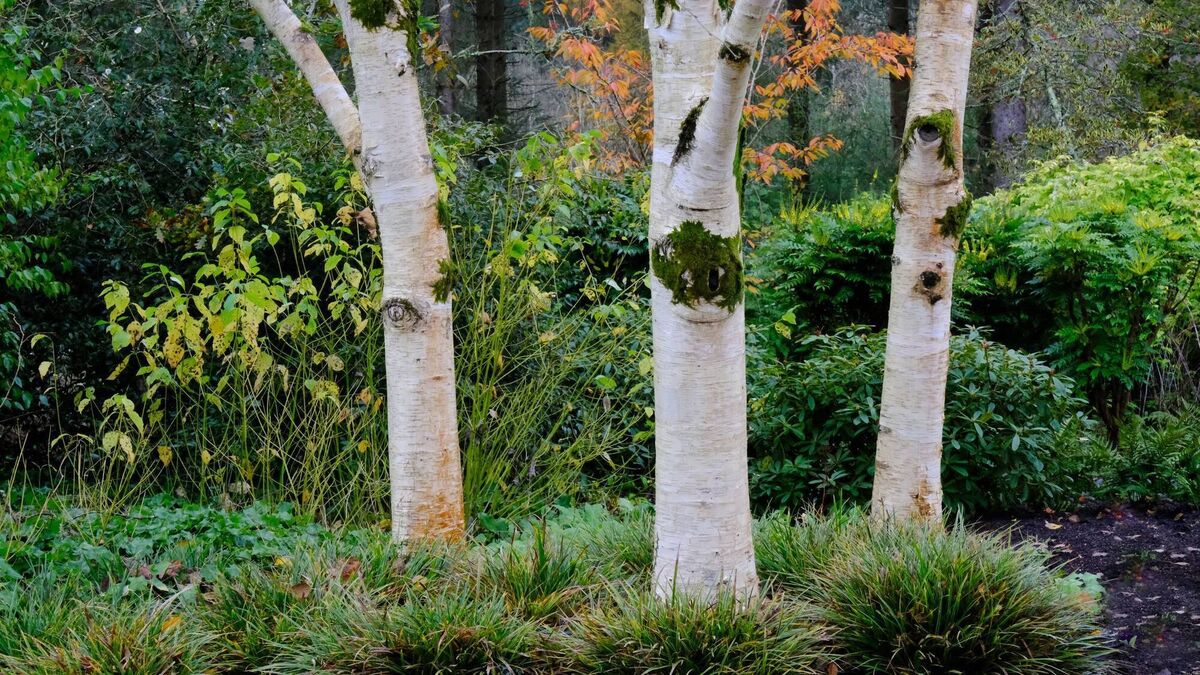
Birch, particularly a multi-stem form, is another good option for modern gardens. The stems bring structure and interest, while the canopy remains light and airy. Multi-stem trees in general are useful because they create enclosure without forming a solid wall. They soften architecture, break up glare and give the space a more settled feeling.
Seating under trees is one of the simplest garden pleasures. It works because under a tree, the air feels cooler, the light is softer, and the space feels sheltered without being enclosed.
Pleached trees can be useful where shade and privacy are needed together. They have a more formal look, and in the right garden they can work very well, especially along boundaries or beside seating areas. The trick is not to create a barrier that blocks everything out, but to filter light, reduce exposure and make the space feel more protected.
Pergolas are another excellent way to create shade close to the house. A pergola on its own gives some structure, but a planted pergola is far better.
Wisteria can be spectacular where the site is sunny, and the support is strong. Grapevines are particularly good because they offer generous leafy shade in summer and then lose their leaves in winter.
Clematis, honeysuckle, jasmine and climbing roses can all be used, depending on the aspect and the style of the garden. They bring shade, flower, scent and movement into a space that might otherwise be all glass, paving and hard edges.
Shades, parasols and awnings can be very useful, especially in the early years while trees and climbers are growing. They give instant relief and can make a patio usable straight away, but they should not be the whole answer.
A sail shade may cool a seating area, but it will not feed pollinators, soften a wall, hold moisture, shelter birds or change the feeling of a garden in the same way planting can.
Heat does not only come from above, but it reflects from hard surfaces. Paving, gravel, concrete and walls all add to that hot, glaring feeling. Planting around these areas helps absorb and soften it.
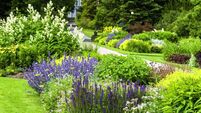
Shrubs, perennials, grasses and climbers make a patio feel cooler and more comfortable, even when they are not providing overhead shade.

- Got a gardening question for Peter Dowdall? Email gardenquestions@examiner.ie

CONNECT WITH US TODAY



Be the first to know the latest news and updates