‘Money can’t come into it’: Patients plead for access to life-changing Friedrich’s ataxia drug
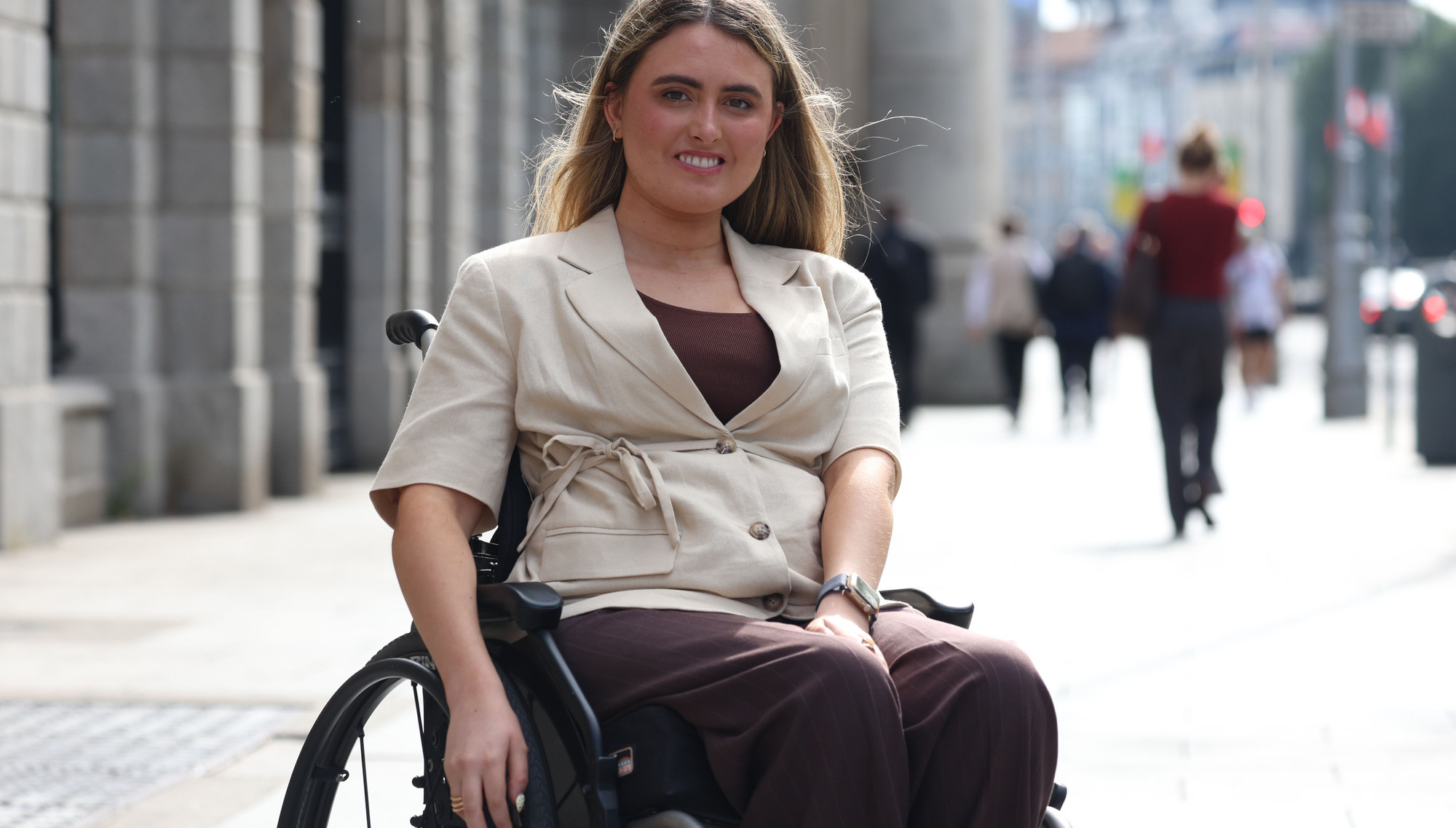
Friedreich’s ataxia sufferer Emily Felix has been granted permission by the High Court to launch a judicial review into the HSE's approval process for Skyclarys. Picture: Collins Courts
"I just can't understand how we got to this point. When you're talking about someone's life and whether they have a quality of life, money can't come into it.”
Emily Felix, 28, is one of roughly 200 people in Ireland who live with Friedrich's ataxia. She was first diagnosed with the rare genetic disorder that destroys patients’ nervous systems when she was 12.
Friedrich's ataxia patients are now anxiously awaiting a decision to see whether Skyclarys, a medicine used to treat the disease’s progression, will be approved by the HSE’s senior management team on August 25.
That is after the HSE Drugs Group, on July 14, did not recommend the drug for reimbursement, largely based on a review by the National Centre for Pharmacoeconomics (NCPE).
The NCPE found “limitations and uncertainties associated with the available clinical efficacy data”, while also citing concerns about its “cost-effectiveness". The drug would cost €280,000 per patient per year.
In recent weeks, Ms Felix has undertaken a High Court challenge and been granted permission to launch a judicial review into the HSE's approval process for Skyclarys.
"I find [the NCPE's decision] very degrading,” said the Kilkenny woman.
The European Commission approved Skyclarys in February 2024.
The drug is designed by Biogen. It does not cure Friedreich’s ataxia, but claims to slow down the degenerative progression of the disease.
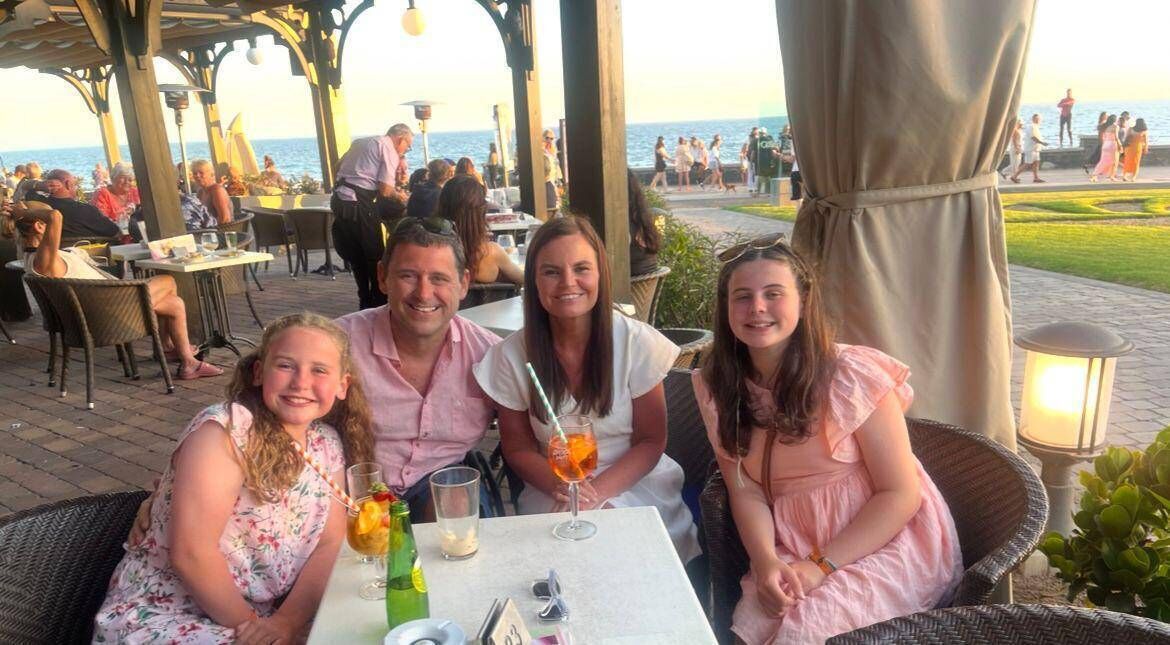
Within her first year of being diagnosed, Ms Felix was assigned an SNA. A year later, she was forced to use a walking frame. While she was studying for her Junior Cert, she had three spinal surgeries due to scoliosis associated with Friedrich's ataxia.
Read More
In the past year, she’s begun recording her voice, so when the condition does take her ability to speak, her synthetic voice will resemble her own.
She is hopeful the HSE will green light the drug, and said it would allow for the continuation of her work as a bank executive.
“We just have to keep faith that people will people will see sense behind this,” she said.
Others are less optimistic about a favourable decision.
“I'd be very surprised,” said Barry Rice, 46, who has lived with Friedrich's ataxia for the past 13 years.
As the HSE’s decision looms, the reimbursement of the medication has attracted bipartisan support.
Last week, 47 members of Fianna Fáil’s parliamentary party signed a joint letter urging senior Government leaders to reject the HSE Drug Group’s findings.
Independent Ireland TD Michael Collins has also announced plans to convene a meeting for Friedrich's ataxia patients on Thursday in Dublin.


CONNECT WITH US TODAY



Be the first to know the latest news and updates