Irish Examiner view: David Attenborough taught us to look at the world with tenderness
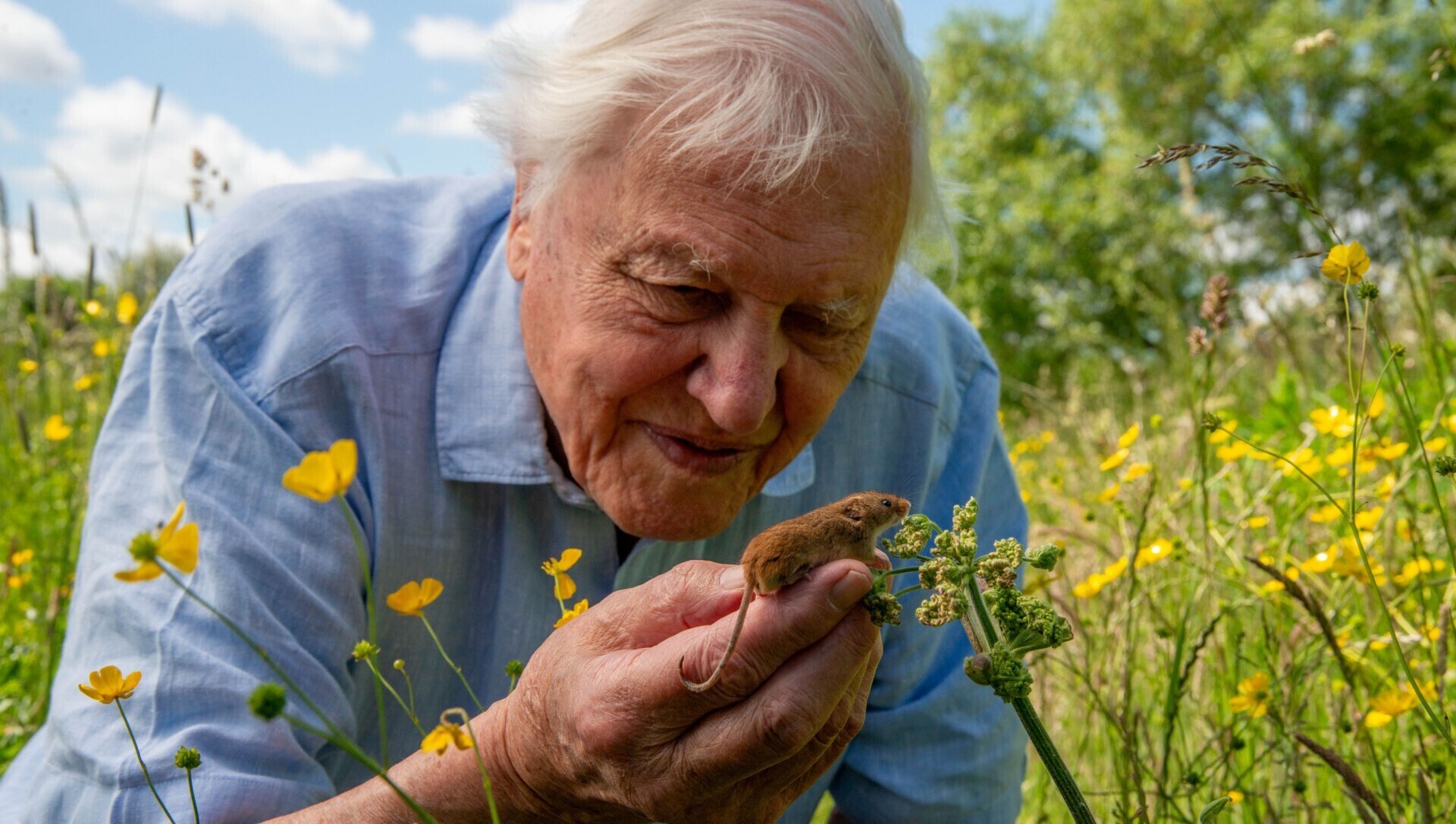
Over seven decades, David Attenborough helped shift our relationship with the natural world. Picture: Joe Loncraine/ BBC/Passion Planet/PA
As David Attenborough reaches his 100th birthday, it is tempting to measure his life in programmes made, miles travelled, or species documented. Yet his true achievement lies somewhere deeper and more difficult to quantify.
For more than seven decades, Attenborough has fundamentally altered humanity’s emotional relationship with the natural world.
He did not merely show us animals; he taught us how to see them. Generations grew up with his voice drifting through living rooms like a form of secular poetry.
Read More
Children who may never have seen a rainforest, coral reef, or savannah suddenly felt intimately connected to them. Families sat together in silence as snow leopards stalked cliffs, whales breached oceans, and birds of paradise performed impossible dances.
For millions, Attenborough became not simply a broadcaster but a guide to wonder itself. That influence should never be underestimated. In an increasingly urbanised and digitised world, he preserved humanity’s capacity for awe. He reminded us that nature was not a backdrop to civilisation, but its foundation.
Through landmark series such as , , and , he transformed natural history broadcasting into a shared global experience watched by hundreds of millions. What made Attenborough unique was not merely his authority, but his humility.
There was never bombast in his narration, never theatrical ego.
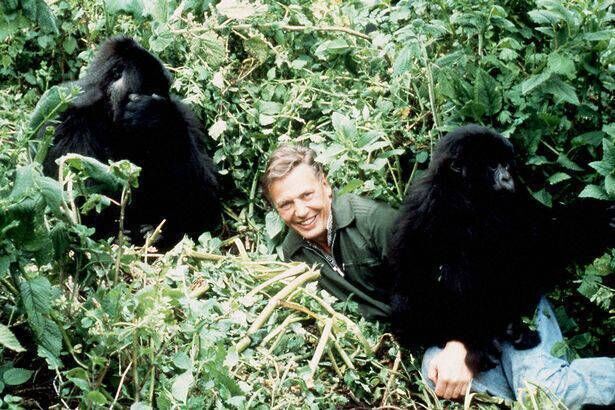
His style conveyed curiosity rather than superiority. Viewers trusted him because he seemed animated by genuine fascination, whether kneeling beside mountain gorillas in Rwanda or describing the microscopic intricacies of a leaf.
That famous gorilla encounter from 1978 remains one of television’s most tender moments — not because it showcased danger or spectacle, but because it captured kinship.
In later years, Attenborough evolved from chronicler to moral witness.
As climate change and biodiversity collapse accelerated, his voice acquired a deeper urgency. He understood that having spent a lifetime revealing Earth’s beauty, he also carried a responsibility to warn of its destruction. Importantly, he did so without descending into despair.
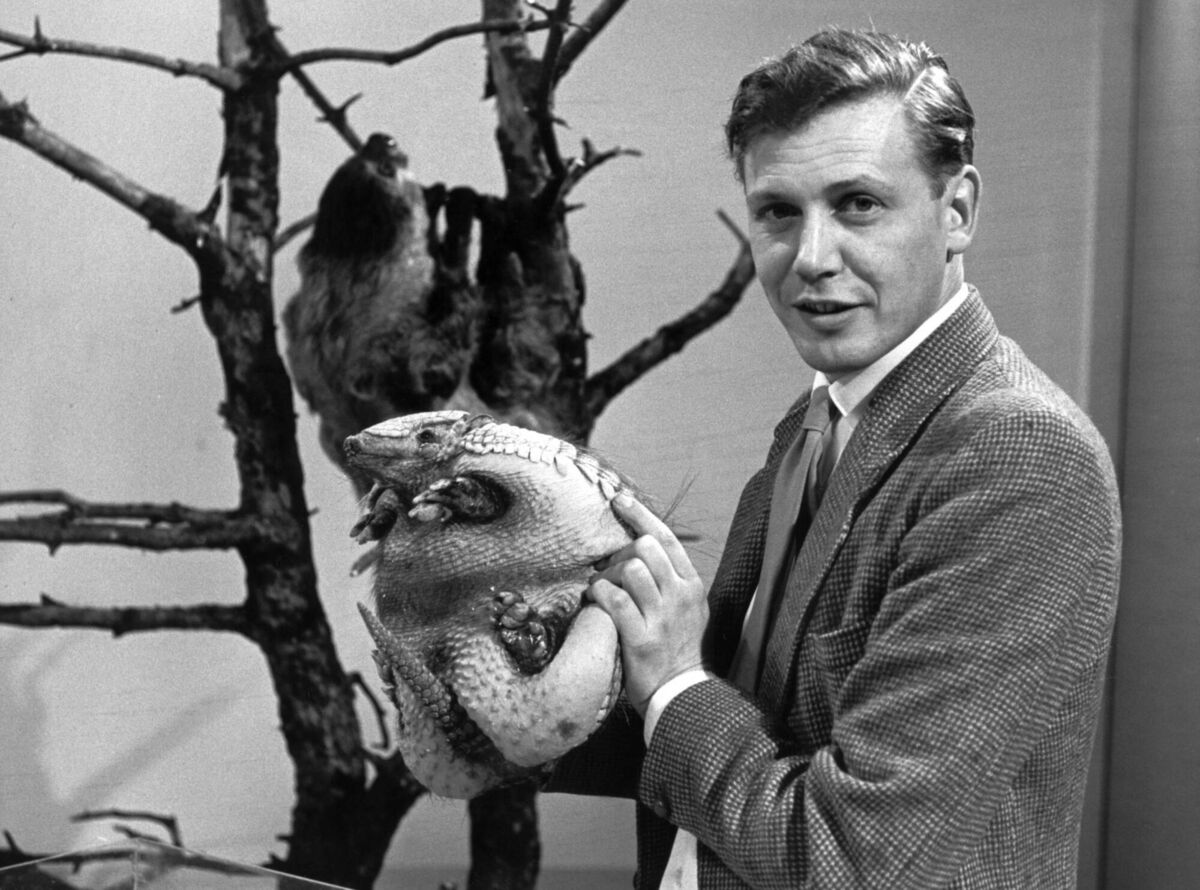
His message was grave, but never hopeless. Humanity, he insisted, still possessed the ability to repair what it had damaged.
That balance between honesty and hope explains why Attenborough commands such extraordinary affection across generations and political divides.
At a time when public discourse is increasingly shrill and polarised, he remains one of the few universally trusted figures in modern life. His authority comes not from ideology but from patience, evidence, and lived experience.
There are broadcasters who entertain, and there are those rare figures who leave a civilisation slightly wiser than they found it. Attenborough belongs firmly in the latter category.
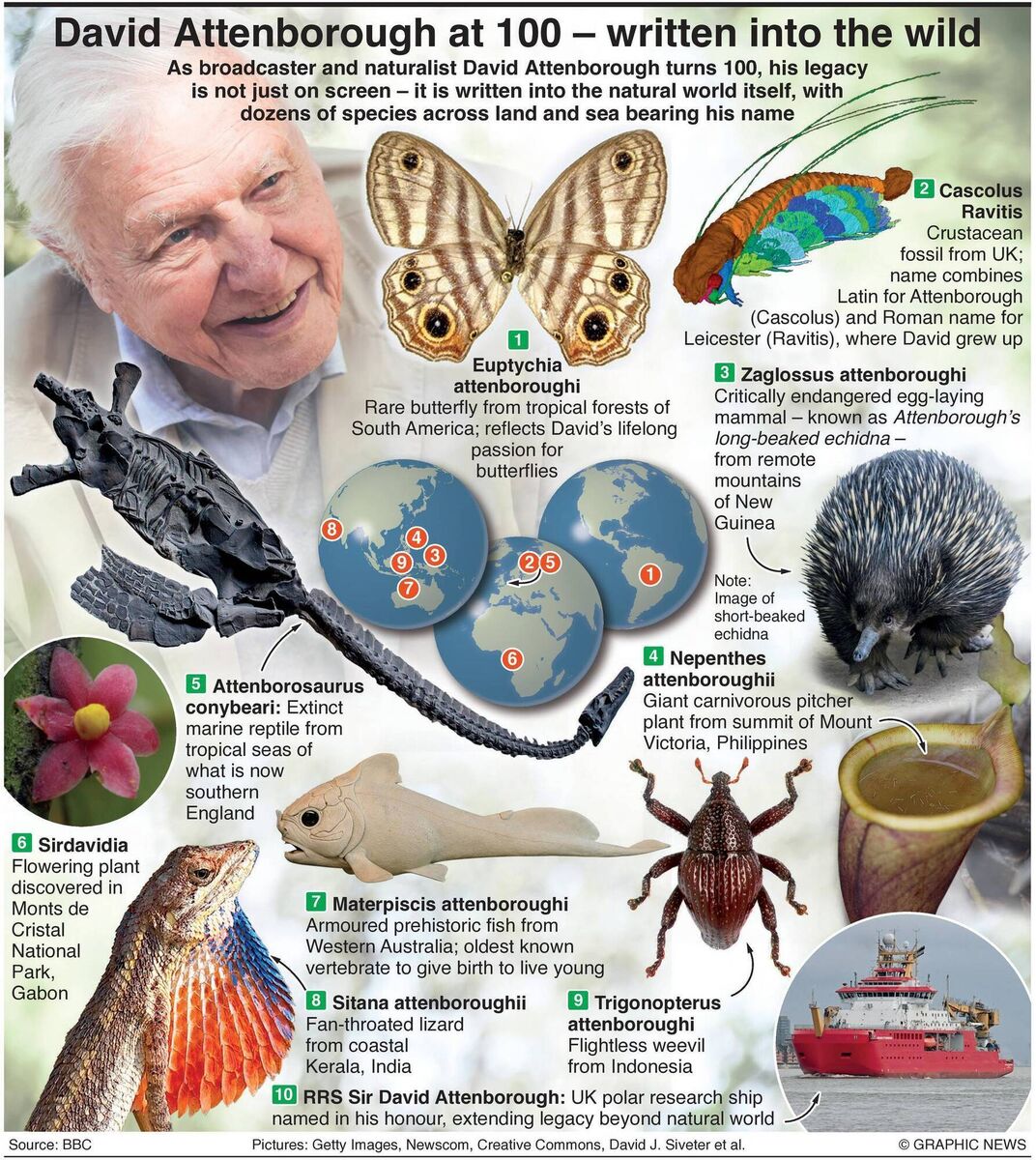
His life’s work expanded humanity’s moral imagination. He taught us that the fate of a turtle, forest, or insect is inseparable from our own.
At 100, his greatest legacy may simply be this: Countless people now look at the living world with more tenderness because he taught them how.
The FAI has a problem that will not disappear quietly. As the Republic of Ireland prepares for its upcoming Nations League fixture against Israel in Dublin this October, the pressure on the association is intensifying far beyond the boundaries of sport.
What might once have been framed as a routine international fixture has become politically and morally combustible.
A growing 'Stop the Game' campaign, backed by former players, League of Ireland footballers, artists, and public figures, is demanding the FAI refuse to fulfil the fixture.
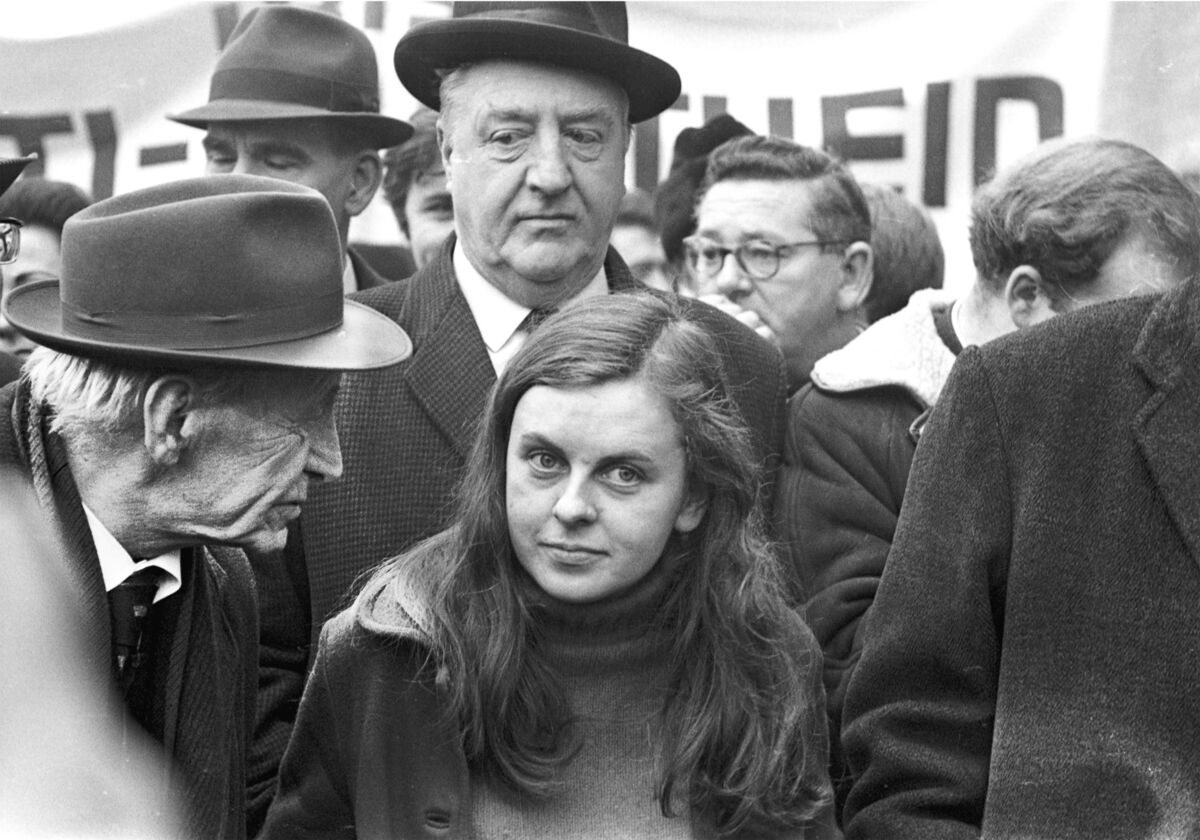
Their argument is blunt: Football cannot exist in a moral vacuum while the humanitarian catastrophe in Gaza continues to unfold.
The list of signatories matters because it reflects a breadth of opinion that extends well beyond activist circles.
Former Ireland manager Brian Kerr, ex-international Louise Quinn, players across the League of Ireland, and cultural figures such as Christy Moore, Paul Weller, Fontaines DC, and Kneecap have all attached their names to the campaign.
More significantly still, campaigners also point to the overwhelming vote by FAI members last year urging the association to seek Israel’s suspension from Uefa competition.
Read More
The FAI now finds itself squeezed between competing obligations. Uefa rules leave little room for unilateral political gestures from member associations, and refusing to play would almost certainly bring sanctions. Yet simply insisting that “sport and politics should remain separate” feels increasingly untenable.
That argument collapsed long ago in international sport, whether in apartheid South Africa, Russia’s exclusion following its invasion of Ukraine, or countless other examples where governing bodies accepted that geopolitics inevitably enters the arena.
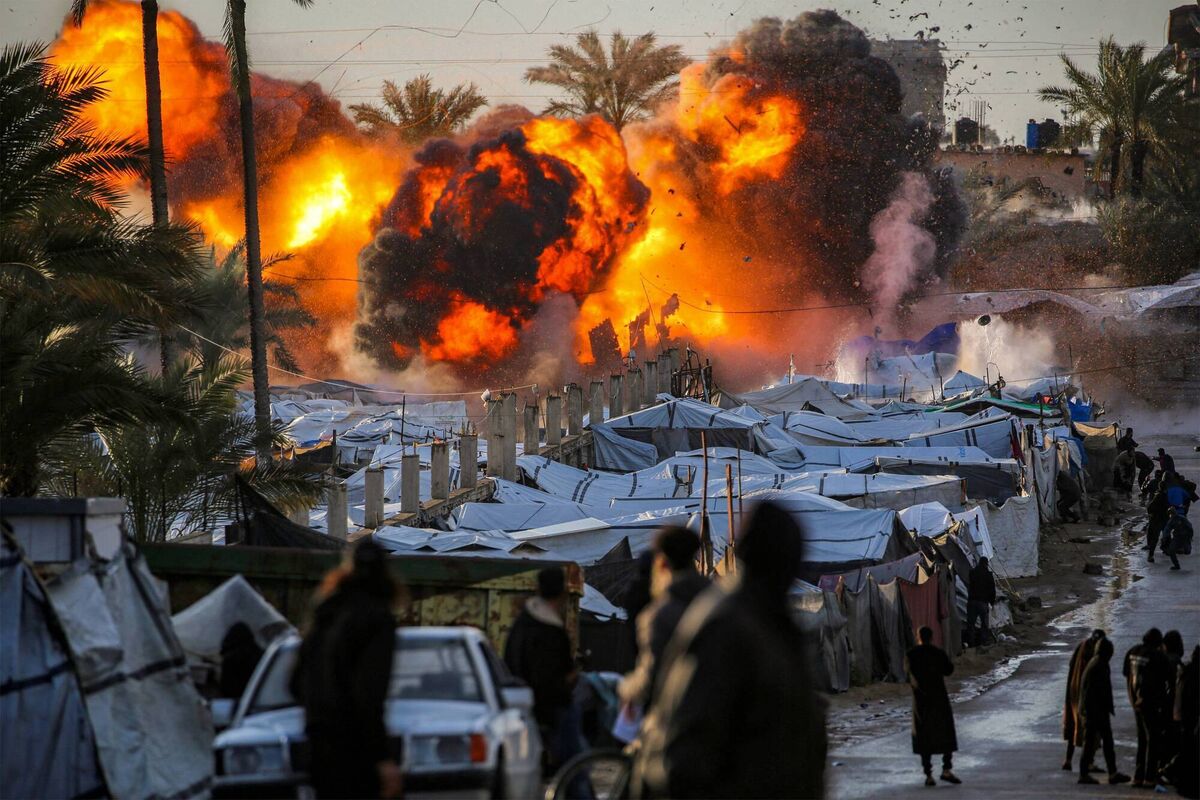
For the Government, too, there is an awkward contradiction. Ministers have strongly condemned Israel’s actions in Gaza while simultaneously maintaining that fixtures should proceed.
That balancing act may become harder to sustain as protests intensify closer to the match.
The FAI may ultimately conclude it has no practical option but to play the game. But it cannot pretend this is merely football.
Ireland’s sporting institutions increasingly reflect the conscience — and divisions — of Irish society itself.
Read More
The HSE’s latest recruitment pause risks repeating one of the Irish health service’s most destructive cycles: short-term financial panic creating long-term damage.
Concerns raised by nurses and doctors this week about the impact on patient safety should alarm the Government far more than another grim set of overspend figures.
The reality is painfully familiar.
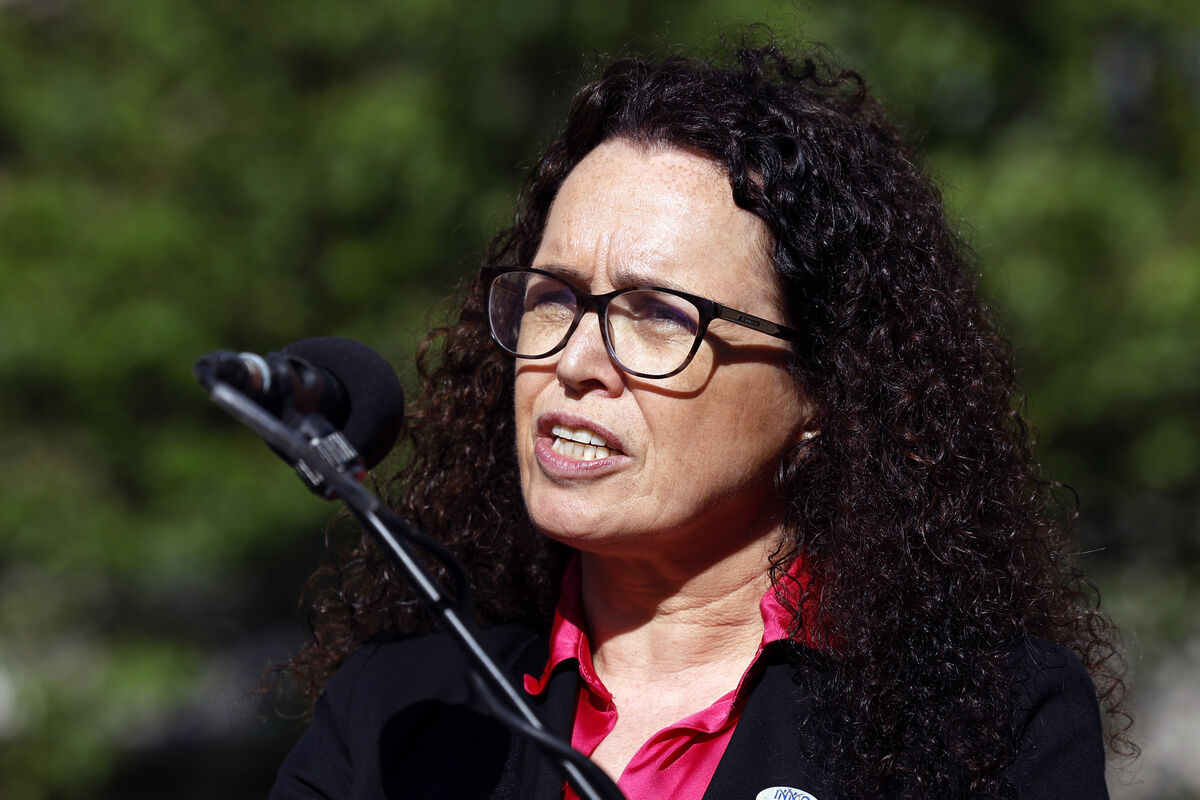
Faced with a mounting deficit, management reaches first for hiring restrictions and spending controls. Yet healthcare systems do not function like ordinary bureaucracies.
Delayed recruitment today becomes overcrowded emergency departments, exhausted staff, and longer waiting lists tomorrow. Ireland has spent years trying to recover from precisely this stop-start approach to workforce planning. Particularly worrying is the suggestion that even pauses in non-frontline recruitment could have serious consequences. Hospitals rely on administrative, clerical, and support staff to keep clinical systems operating efficiently. Removing those supports simply shifts pressure elsewhere onto already overstretched frontline workers.
Warnings from the Irish Nurses and Midwives Organisation and the Irish Medical Organisation deserve to be taken seriously.
Healthcare workers are not making abstract arguments about budgets; they are describing the daily realities of struggling hospitals. There is a legitimate need to control public spending, but Ireland cannot continue pretending a modern health service can be delivered on budgets that prove inadequate. The greater cost ultimately falls on patients.

CLIMATE & SUSTAINABILITY HUB
CONNECT WITH US TODAY



Be the first to know the latest news and updates