Aoibhinn Ní Shúilleabháin: People care about losing the natural world — politics must catch up
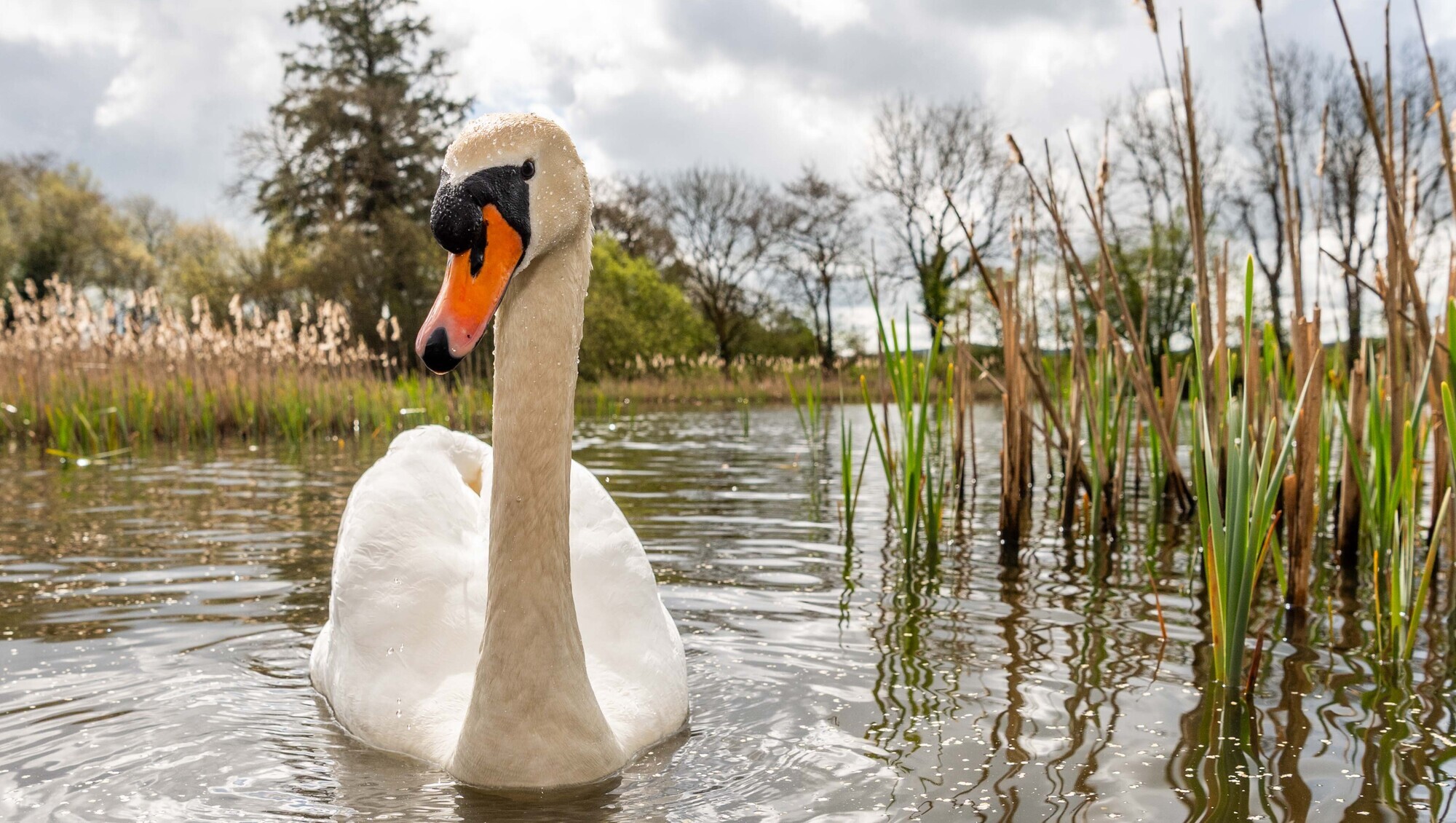
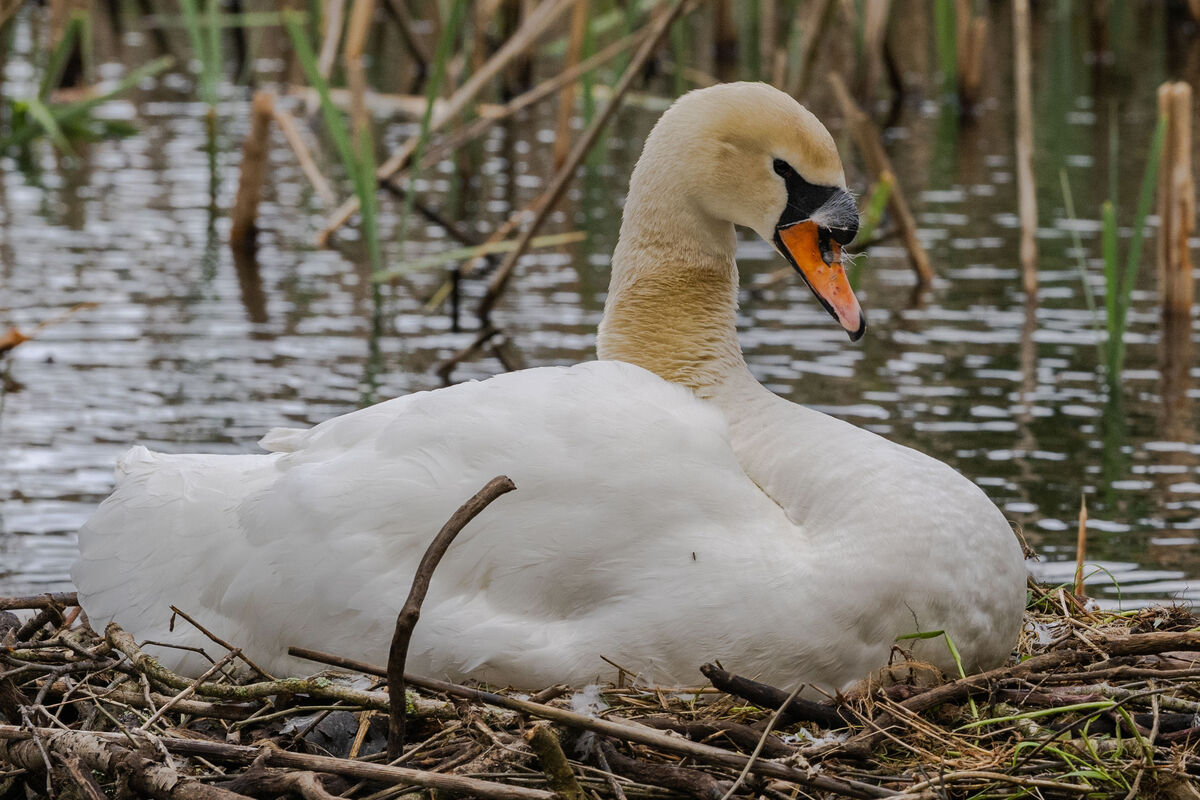
A male swan searches for food on Dunmanway Lake. People feel the nature-related losses of recent decades acutely — declining numbers of wildlife, unsafe swimming waters, diminished access to local green spaces to name just a few of the concerns articulated and highlighted for requiring action. Picture: Andy Gibson
Nature has always been a resource for us in Ireland. Since the first settlers here thousands of years ago, we’ve depended on our land and seas to provide.
With the creation of the State in the last century, our forests and peatlands gave us much needed revenue and essential natural resources that allowed our fledgling Republic to develop. Our nature infrastructure has enabled a significant global food industry to grow and our national tourism offering very much relies on our image as ‘the Emerald isle’.
Read More
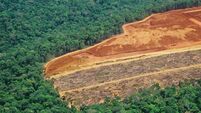
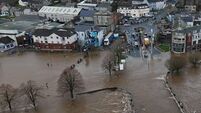
Declining biodiversity is now, however, a major threat to the Irish economy, with economic losses predicted due to reduced diminished crop yields and fish catches, pollution of water, and increased susceptibility to flooding, wildfires, and invasive species.
People are often surprised to learn that Ireland ranks 13th from the bottom of countries worldwide in a biodiversity intactness index, but such poor ranking may be expected given that Ireland spends the lowest relative amount among all EU Member States on nature.
CLIMATE & SUSTAINABILITY HUB
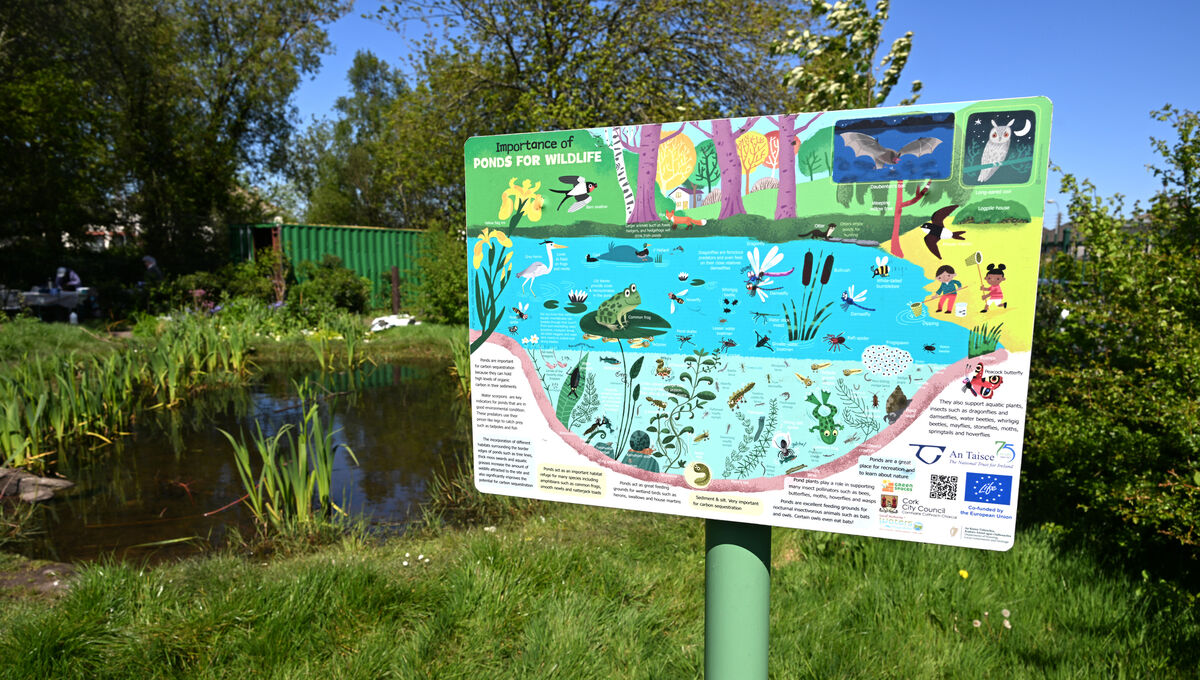
The Nature Restoration Law provides a generational opportunity to act to save, protect and restore nature across our land and seas. This law outlines legally binding obligations for the next 25 years and includes targets to increase pollinator populations, urban tree canopy cover, free-flowing rivers and forestry among others.
These targets can benefit society across Ireland, ensuring that rural communities benefit from investment to maintain their areas of high-nature value and ensuring that those in the most socioeconomically disadvantaged urban communities can access nature to the benefit of their health, wellbeing and educational outcomes.
This opportunity can only be secured with significant, long-term, ring-fenced investment and commitment from the State.
Our colonial history has, no doubt, influenced our national approach to nature as something to extract from rather than protect. This approach, however, no longer seems appropriate. Across global economic, health and strategic risk policies, nature is recognised as vital infrastructure contributing to public health and wellbeing, economic security and climate mitigation, but it has never been prioritised by the State.
Over the past 15 months the Independent Advisory Committee on nature restoration, which I had the privilege of chairing, worked to consider how Ireland should meet its new nature obligations.
This committee was an extraordinary coming together of perspectives, with farm, fishing, forestry, environmental, local authorities and other representatives collaborating to agree on a collective approach to nature protection and restoration.
This work was informed by extensive public and stakeholder consultations and through inter-departmental groups working to define the baselines and targets for a new national Nature Restoration Plan.
The committee learned that the Irish public cares deeply about its natural environment and its links to our heritage and culture.
People feel the nature-related losses of recent decades acutely — declining numbers of wildlife, unsafe swimming waters, diminished access to local green spaces to name just a few of the concerns articulated and highlighted for requiring action.
We also learned of the huge efforts underway by individuals and communities across the country to safeguard nature in Ireland. Landowners, groups and organisations are protecting threatened species like the corncrake and the natterjack toad, and restoring machair grasslands, ancient woodlands and blanket bogs.
Farmers, foresters, fishermen, local authority staff and scientists are working to ensure that birds, animals and habitats don’t disappear.
Tidy towns, clean coasts and community garden groups are working to ensure their local environments are in good condition, while tens of thousands of us contribute to citizen science projects each year collecting and sharing vital data and contributing to the greater good.
Given that Ireland now has new State nature-related obligations, leadership from Government is essential. Alongside an adequate and dedicated multi-annual fund, it will be essential that nature restoration is led on publicly-owned lands. The State owns almost 10% of the land in Ireland and could lead landscape-scale restoration projects across valuable habitats.
In practice, this would mean our National Parks function as healthy ecosystems that are carefully managed as sites of public value. It would mean that valuable woodlands and peatlands are restored and expanded across public estates such as Coillte and Bord na Móna, with winding rivers and keystone species re-introduced.
Other large public landowners such as the Department of Agriculture, Food and the Marine and the OPW have similar opportunities to shift the dial in our national efforts to prioritise nature, with restoration also meeting our required climate mitigation actions.
This approach would represent a major shift in how our public land is managed but would require coherent approaches and meaningful co-operation across our public bodies.
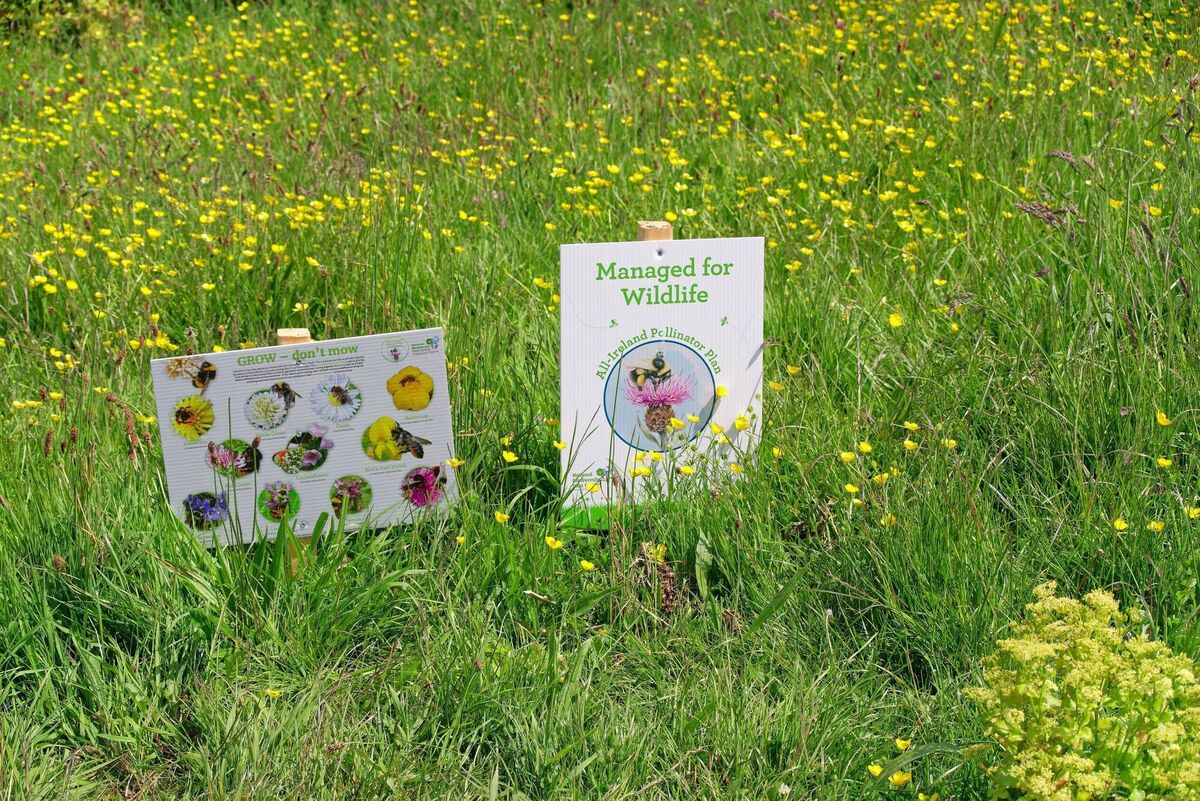
These State obligations to 2050 cannot be met without the voluntary co-operation of private landowners. It is therefore key that our farmers, fishermen and foresters are incentivised and supported to continue to contribute to restoration, with the knock-on effect of supporting thriving and diverse rural communities.
Generations of families have farmed the same land, watched over the same trees or fished the same seas. Working in farming, fishing, and forestry should be an attractive choice for young people for many generations into the future and ensuring financial security to those who also provide ecosystem services for society will help ensure farm, forest, and fishing viability.
Nature has always been an intrinsic part of our heritage, language and culture in Ireland. It is not a luxury, but something intrinsically linked to a thriving society.
The EU nature restoration law offers a rich opportunity for Ireland to redirect our approach to nature and build a climate-resilient future with environmental stewardship at its core.
- Aoibhinn Ní Shúilleabháin is DCU associate professor and chair of the Independent Advisory Committee on Nature Restoration
CLIMATE & SUSTAINABILITY HUB
CONNECT WITH US TODAY



Be the first to know the latest news and updates