HSE imposes hiring freeze across southern regions amid €37m deficit concerns
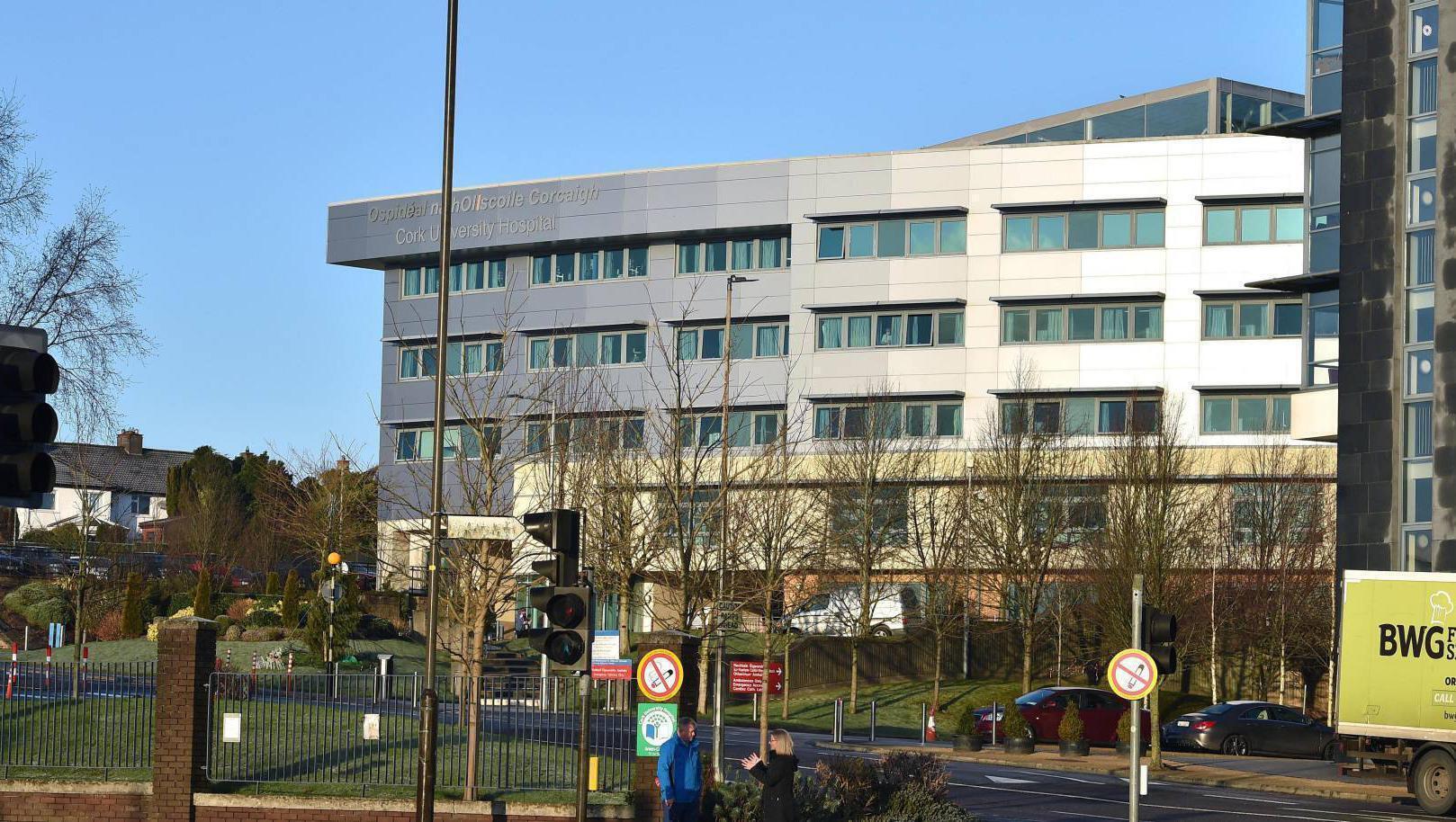
Liam Conway, INMO industrial relations officer, raised particular concerns about staffing at Cork University Hospital. Picture: Dan Linehan
A hiring freeze has been introduced by the HSE across Cork, Kerry, Waterford, Tipperary, and other south-eastern counties for non-frontline posts due to a budget deficit, internal memos show.
The memos, issued on April 30 by regional executive officers for two large HSE regions, were sent to executive management teams.
The changes affect all counties in HSE South West, covering Cork and Kerry, as well as the HSE Dublin South East region.
Regional executive teams have been advised that all recruitment must now be “actively reviewed”.
The pause, as planned, is set to cover non-frontline posts. This could include administration and management roles, including staff with direct patient contact who manage waiting lists and other crucial areas of care.
Read More
The pause on recruitment applies to non-frontline, non-critical posts for now; however, concern is growing among staff that it could be extended.
The use of agency staffing and overtime is also under review, the memos state.
Approval for agency staff to work in management or administration has been suspended.
In the HSE Dublin South East region alone, the memo, seen by the , warns the HSE is facing a year-to-year deficit of just over €37m.
This region covers Waterford, Kilkenny, Carlow, Wexford, Wicklow, South Tipperary, and parts of South Dublin.
A 2% reduction in non-pay budgets is also being sought across the region. A template for the savings plan must be submitted this week to the regional executive officer.
It is understood a similar warning has been issued for budgets in Cork and Kerry.
Patients attending emergency departments may also be affected by these changes.
The memo called for a “renewed focus” on collecting bills for attending emergency departments and on collecting payments through private health insurance for all patients.
The Irish Nurses and Midwives Organisation has already been in touch with the HSE in both regions to raise questions about what this means for nurses and midwives.
Liam Conway, INMO industrial relations officer, raised particular concerns about staffing at Cork University Hospital.
He said, however, the HSE has so far been unable to reassure them that nursing posts will not be affected by what appears to be a renewed hiring freeze.
He warned on Wednesday morning that past experience with recruitment pauses shows it can take up to 12 months for normal recruitment to resume.
Anne O’Connor, HSE national chief executive, is expected to address the INMO annual conference on Friday.
It is not yet clear whether the hiring pause could also be extended to other HSE regions.
The Irish Medical Organisation (IMO) said any attempt to curtail health spending will have a direct, negative impact on patient outcomes.
IMO president Matthew Sadlier said: “It is very disappointing to hear that the HSE plans to introduce controls on recruitment and spending, because funding and staff numbers are already far below what they need to be to deliver an optimal health system.
“It is clear to anyone working in the system that it cannot run effectively within the budget that has been set, and hence it beggars belief that spending and recruitment will be further curtailed in order to make this numbers game add up.”
He said that it is unacceptable that doctors are being asked to do more with less.
“Doctors and frontline staff need to be protected at all costs, and this kind of announcement will jeopardise their ability to deliver for patients who will see poorer outcomes as a result of these measures.
“The Pay and Numbers Strategy, which was introduced to manage health staff costs, is based on a fiscal argument that is not grounded in the reality of service delivery. If we are to promise a health service that delivers for patients, we must fund it, or else be honest with the public and say what cannot be done within the fiscal restraints.”
CONNECT WITH US TODAY



Be the first to know the latest news and updates