Attenborough at 100: Derek Mooney, Dorothy Cross, and other Irish people share their thoughts
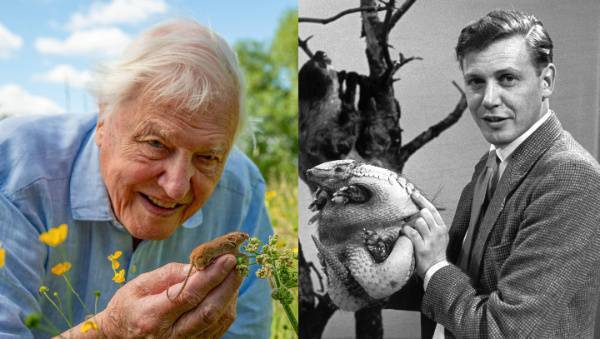
David Attenborough turns 100 on Friday, May 8. He's pictured here recently with a harvest mouse, and on right in 1963 with an armadillo.
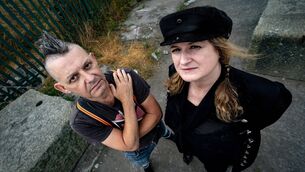
“I was in the Royal Opera House in Covent Garden for with a friend of mine. After the first act, we were invited up for drink in the director's office. I walk in and see David Attenborough with his daughter and one other person. He's a hero of mine, so I went up, and he held his hand out and said ‘David Attenborough’, as if we didn't know. He was so lovely.
I knew he knew Doug Allen [recently deceased wildlife camera man], who was a neighbour and friend of mine in Connemara. I told him that I had recently been in New Ireland and Papua New Guinea, recording shark callers, the men who go out on tiny boats and sing to the sharks, and catch them by hand.
And Attenborough said he had also been somewhere in the South Pacific: ‘And a young man took me up onto this cliff, and we were looking down on these sharks, and he started singing me a shark calling song.’
Attenborough actually remembered the song and started singing it there in the Royal Opera House. It was just an unbelievable moment!”
“I remember we had a French teacher in school who stopped all schoolwork because he wanted to discuss the Life on Earth series and this guy Attenborough. It was real event television in those days. Then I went to university in Maynooth. I was having a pint on a wet winter's day. An Attenborough programme, came on TV.
It was about this bird, the Kagu, that lived in New Caledonia. I thought, what am I doing sitting in the pub in Maynooth when I could be off in someplace like New Caledonia? So, I left college and became a wildlife cameraman. He was responsible – my mother was out with the rolling pin for David Attenborough!
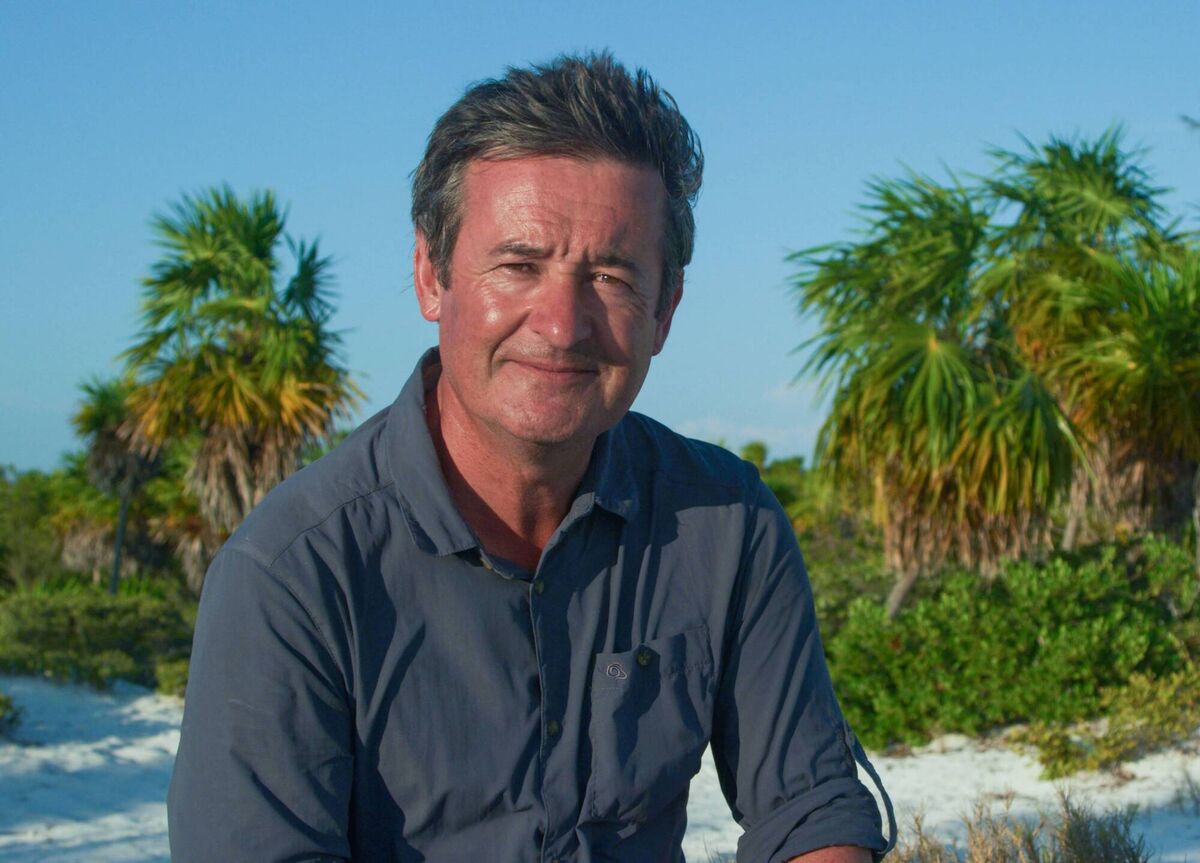
He has narrated films I’ve worked on. He's hardworking. He takes everything seriously, wanting to get everything done right. If there was a director who was directing him, he was also willing to take on direction. He'd be given the script a few days beforehand so he could adapt it slightly for his way of phrasing. When he'd come to the studio, he'd be very prepared and would make it seem effortless.
In our business, they're all hard-working people who can be blasé about the people they might be working with, but there’s no doubt when Attenborough comes along – or when he's giving a talk at, say, a film festival or conference – everyone's there, everyone's listening. He commands an audience even amongst cynical, hardened professionals. People sit up and listen to what he has to say.”
“In March 2008, David Attenborough was in Ireland to promote He came into the studio. We had the entire team there, including Éanna Ní Lamhna and Richard Collins, and people phoned in, asking him questions about his life and career, including Éamon de Buitléar. He was asked about 'the piece of amber' he was given that first sparked his interest in natural history. Our biologist, Terry Flanagan, still carries around a piece of amber, using it to teach science, inspired to do that by him.
I remember everybody was nervous. David Attenborough was the king. He was the man. But when he came in, he was so casual. I remember saying to him, “I’m surprised you're not wearing your beige trousers and blue shirt.” He started laughing, saying, “I bought this suit recently to throw everybody off the scent.”
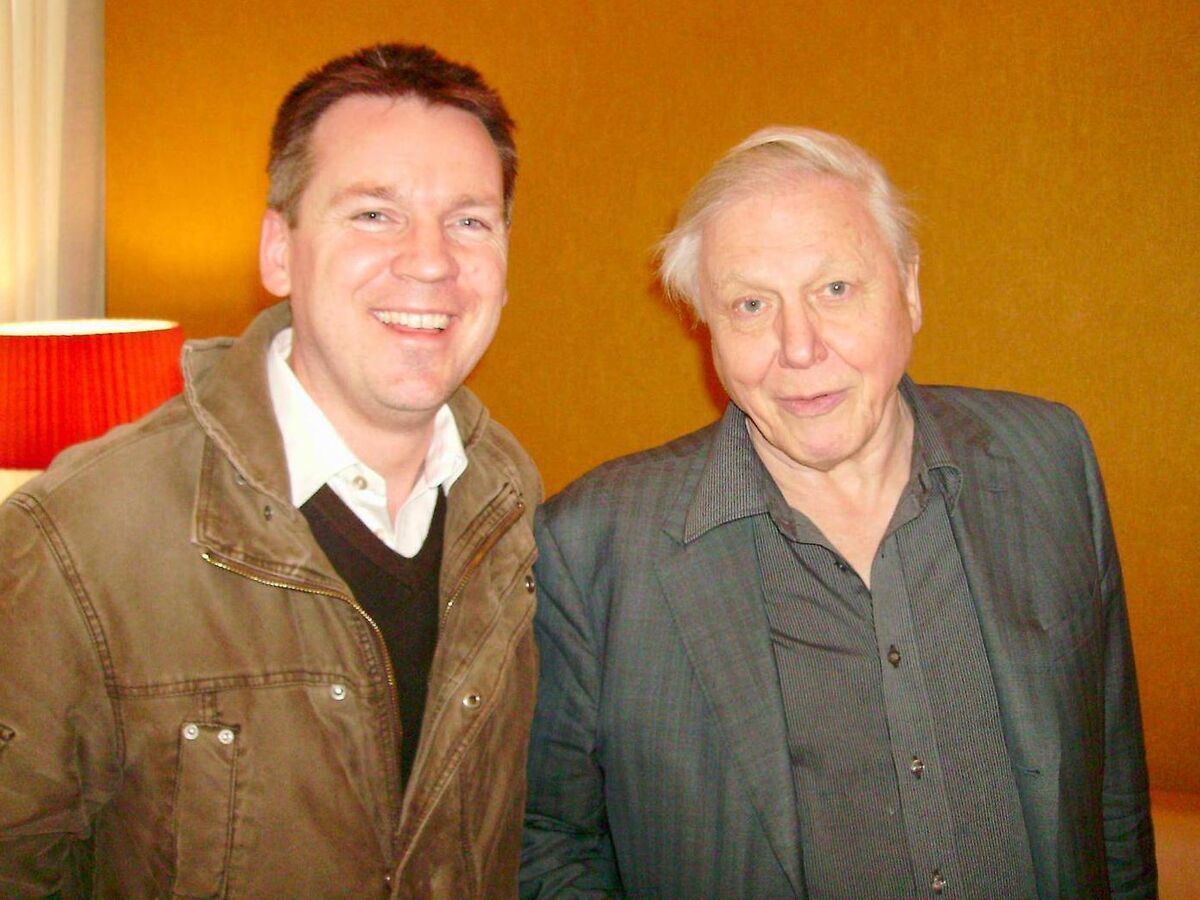
One thing he said that struck me was that when he got his first job in the BBC, he didn't have a telly. He first watched television in the family home of his wife-to-be, Polly. This is a guy who defined television, but he didn't grow up watching television. That's probably what made him do the things he did because he wasn't following any rules.
The other thing about him is that you can't separate the voice from the man. When he was talking to me, I kept thinking about his documentaries! It was as if he was on TV narrating a documentary even though he was just speaking casually. The voice wouldn't leave my head.”
- Derek Mooney’s two-part series will be screened on RTÉ One, 6.30pm, May 17 and May 24.
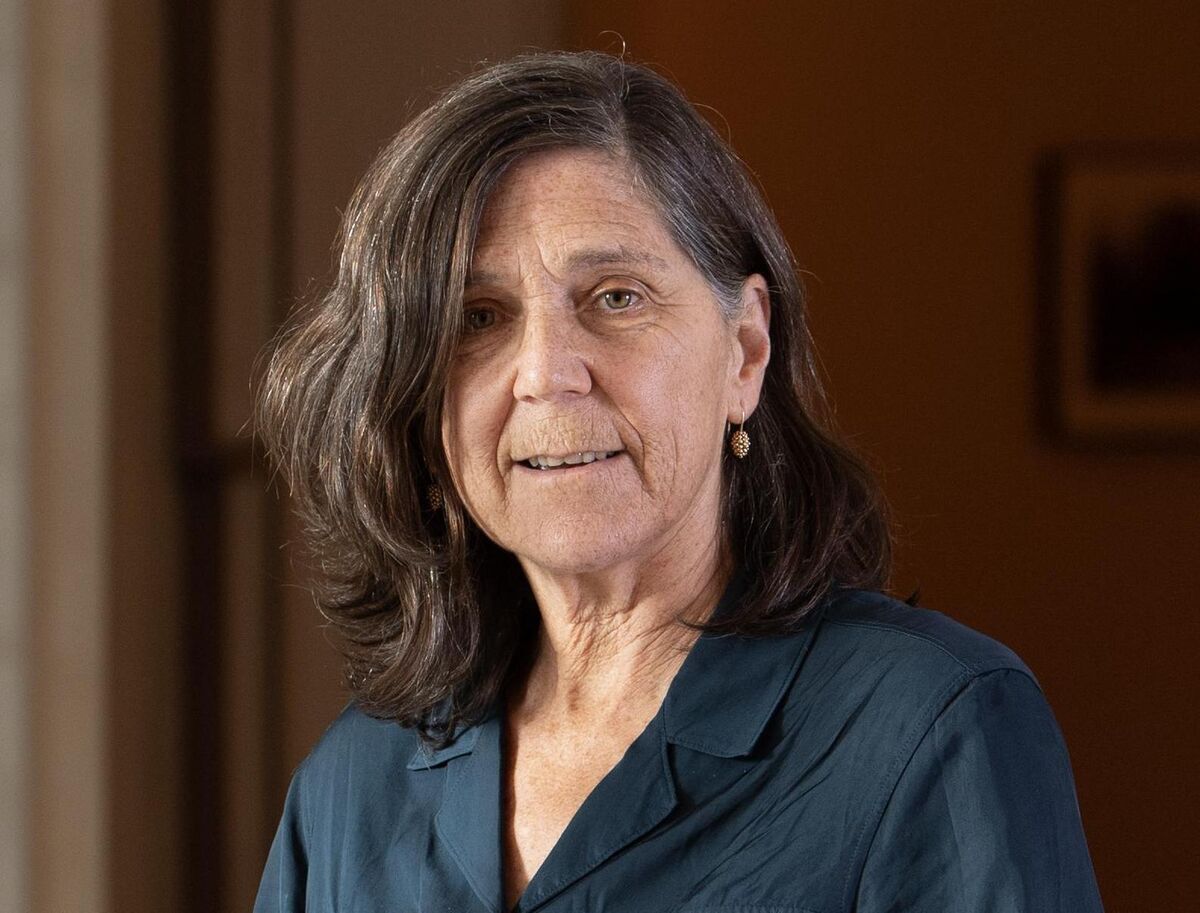
“I started in UCC in 1979 studying zoology. just came out. I found it incredible other people interested in wildlife and birds were going to feature on television. In those days, bird watching was rather eccentric and solitary so having somebody on a TV programme, being up close, talking about life on earth was magical.

What was amazing about Attenborough is his capacity to conduct and capture those moments in biology and the living world at a time then where technology was nowhere near what it is today. He had an extraordinary capacity to be relatable and to explain, because biology is complicated, but at the same time it's simple at one level.
He was able to narrate the story of the interactions between animals, either between individuals within a species or between species, and then between species and habitats. It was amazing for me to hear somebody talking about that in a way that was understandable.
He immersed himself in places that were dangerous at times with large cats, and yet the footage is incredible. And then the beautiful narrative, we can all hear that beautifully soft voice. The sound of his voice, the soothing nature of it.
If Mother Nature is what we call nature, he is the voice of nature. He was telling the story of nature quietly. There is that great phrase, ‘If you're right, you only need to whisper it.’ You don't have to be shouting about it."
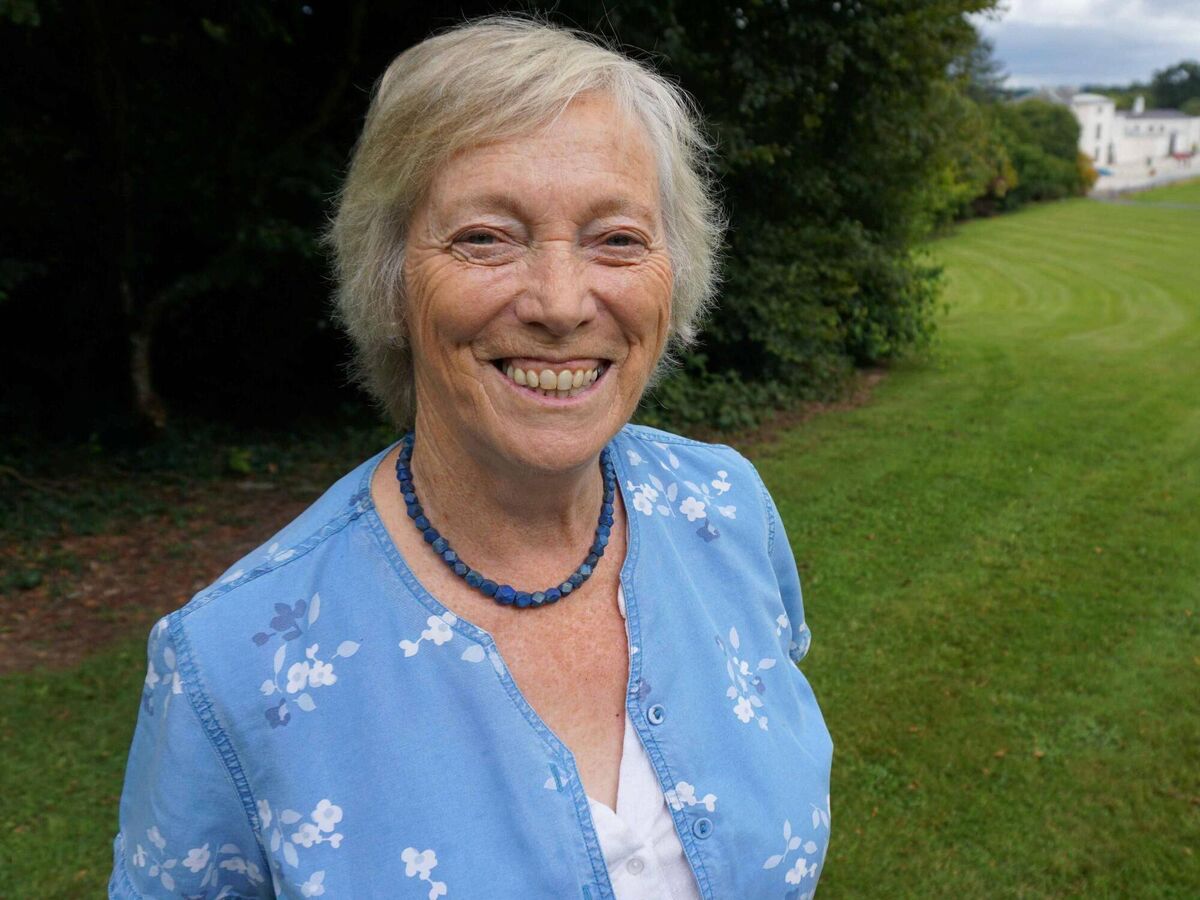
“My experience of David Attenborough was through the books because all those television programmes had books going with them – and so on. The books were wonderfully written.
A huge amount of the stuff he has covered is of exotic things far away from Ireland and the wonders of places we've never seen. The piece I would pick out is with the sparrowhawk. It's part of He's in an English woodland, which is the same as an Irish woodland, discussing little birds we all know – robins, blue tits – feeding on food.
Then there's a male sparrowhawk, sitting on a branch, who is the predator of little birds, as opposed to owls and kestrels who kill mice and rats. The sparrowhawk is deadly at flying through the woods. The cameras follow him. You’d think he’d crash, but he's able to squeeze through holes in branches. He doesn't get caught. He sneaks right up on the birds.
Some smart-arse bird sees him and sets off a clatter. Then they all make noise – the robins, the blackbirds, the tits – warning each other. They fly away. The sparrowhawk on this occasion doesn't get his dinner. It’s a great scene. As opposed to looking at birds of paradise or things under the sea, this is happening in our gardens – sparrowhawks hunt in gardens – to this very day.”
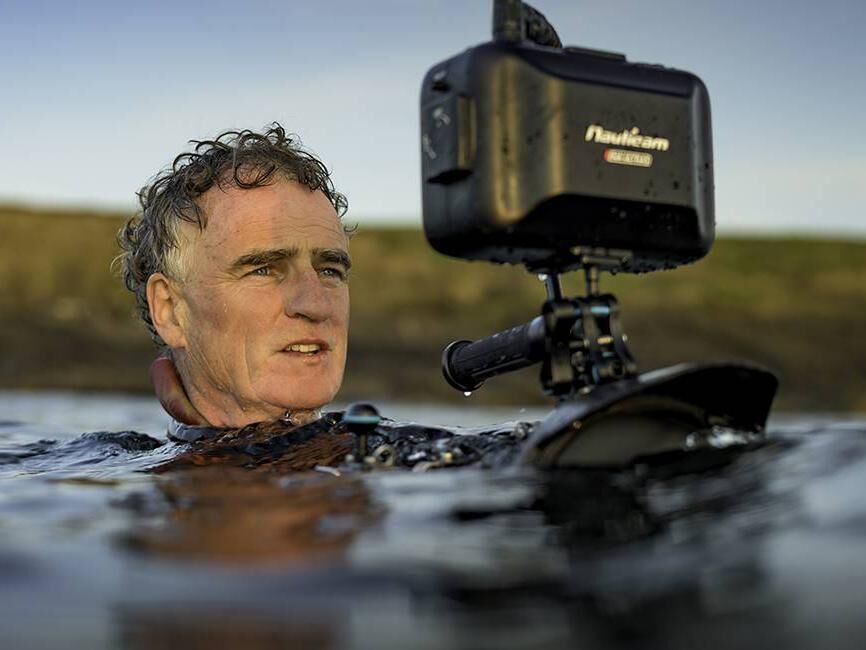
“The first time I saw him on telly was in the 1980s. He was knee deep in a cavern full of snakes. He was espousing the amazing creatures they are. It was fantastic TV. What’s interesting about him is his simple passion for his subject, delivered in this goofy schoolboy manner.
A friend of mine, James Blake, was filming him about four years ago in his home. There were loads of filming equipment to carry in. Two guys didn't show up so David Attenborough insisted on helping. He was 96 at that stage, carrying the gear into his living room. He's the real deal.
He’s a very clever man. If you go back to 1969, when colour TV came in, he was controller of BBC Two. He was looking for new kinds of television that would look good in colour TV. The first thing he came up with was snooker; you couldn't, of course, watch snooker in black and white. A few years later, he convinced the people at Wimbledon to make the tennis ball yellow – the human eye could see it much better than the white tennis ball.
What did GAA do about six years ago, with the sliotar, to facilitate viewing as hurling was becoming faster with lighter balls and a bigger boss on the stick? They moved to the yellow sliotar. So, I could make the argument not alone has he had influence in the natural world, but he's even influenced hurling.”
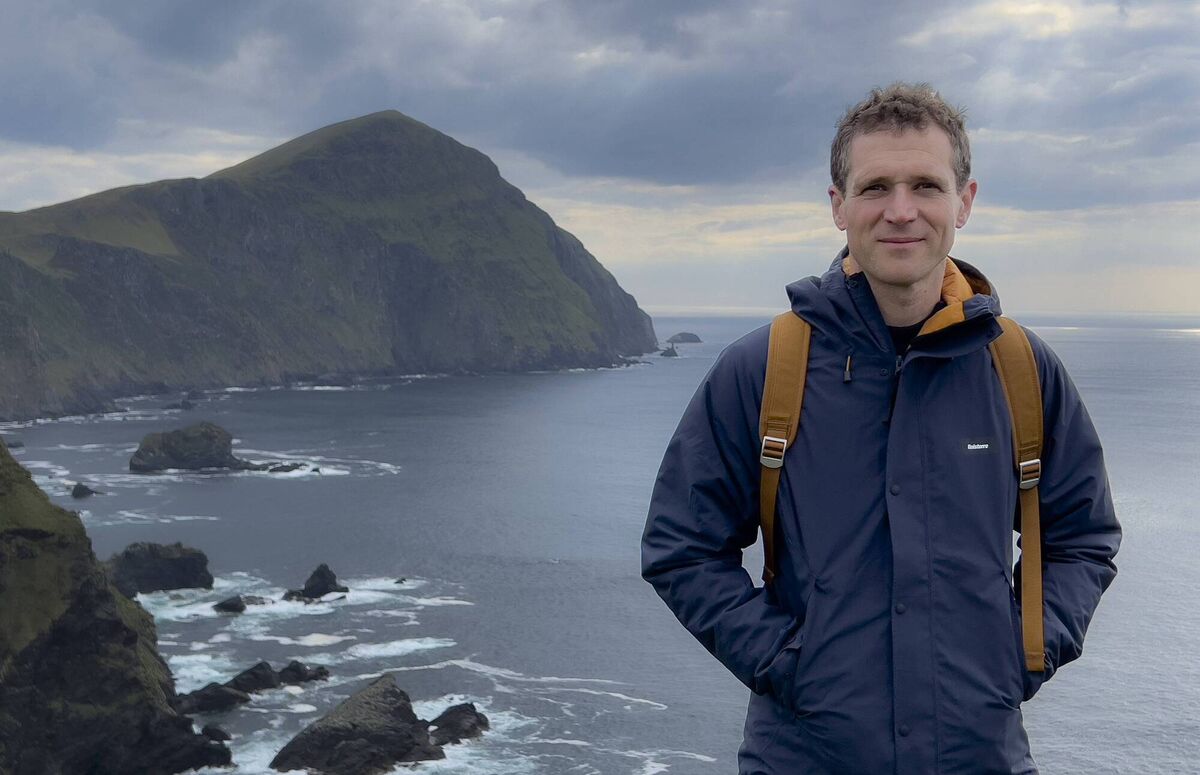
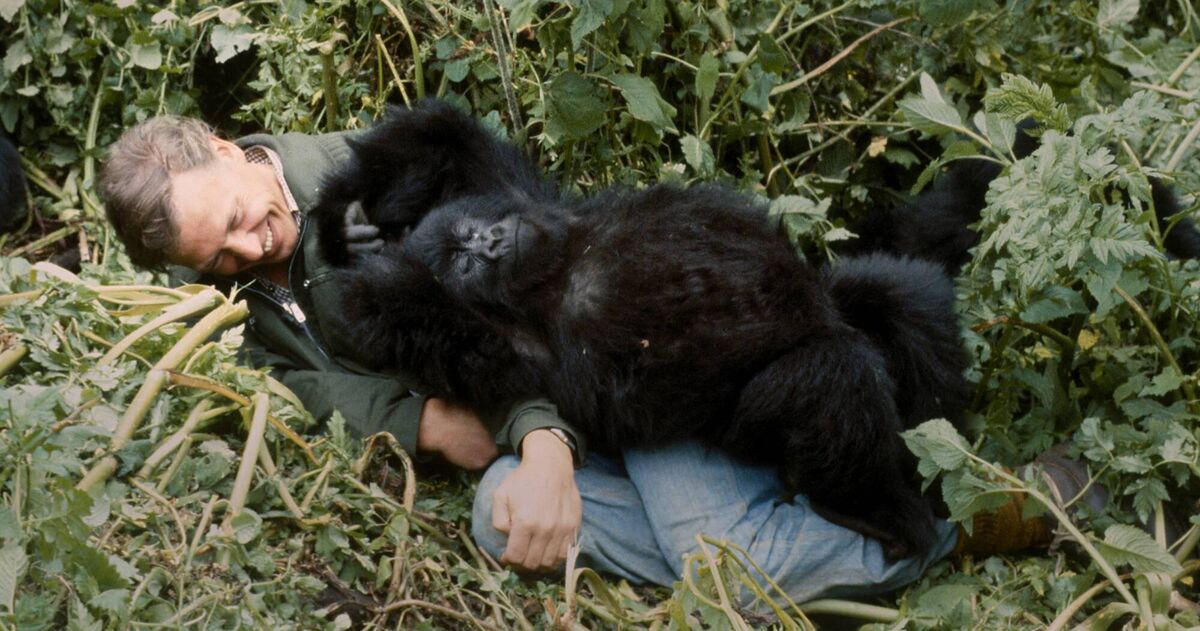
“That iconic scene from with the mountain gorillas in Rwanda, where he has that intimate moment with them, blew my mind as a young fella. He seemed so charismatic. The way he was able to bring nature from every part of the world into my living room in Bantry was inspiring. It made the world feel much more accessible.
A lot of David Attenborough’s career is about showing this pristine planet, this beautiful place that we have, and getting an insight into the animals that share it with us. It's only since 2017 that we have what is called “the Attenborough Effect”.
Several sequences were shown in the biggest one being where it showed a black-browed albatross inadvertently feeding plastic to its chick, which suddenly brought a huge awareness to viewers – because he was reaching millions across the world – of the impact of plastic pollution in the sea. It shows the power of his documentaries in changing behaviour.
In the past, he came under fire because he wasn’t saying enough about the challenges animals are facing. That has changed in the latter part of his career. As someone who has travelled every corner of the globe, when our natural world was very much intact in the past, he has witnessed so much beauty and so much richness. He's also witnessed this great whittling away and dying off, of our nature. He feels a level of responsibility to bring awareness to it.”
“Back in the 1980s, with he came to Dublin to sign books. I remember queuing up at Eason’s. I still have the book with his signature on it. I treasure it, but I was so dumbfounded, I could hardly speak to him. I had planned to ask him to put my name on it, but I couldn't gather the courage. At the end, I just sat there staying at him. As a child, all I wanted to do was go to these places he was visiting and see all these amazing animals.
There’s a sequence from where they filmed killer whales rushing up onto the beaches in Patagonia. They were snatching seals from the beach. Then they had to wriggle their way back into the sea. It was stunning.
Possibly still one of the best sequences in wildlife photography was a snow leopard hunting a mountain goat down a mountainside in the Himalayas. It was so dramatic – these two animals were engaged in this chase on what looked like near vertical cliff surfaces. Never mind the fact that it took two years to get this footage.
His dedication to the natural world is something that's hard to get your head around. He could have retired at 65 like most people and have had a wonderful career. Yet he has kept going, for all this time, which gives a lot of us in the field inspiration that there's no giving up, in any of this.”