Michelle McKeown: Peatlands and why scientists around the world agreed on 50 urgent questions
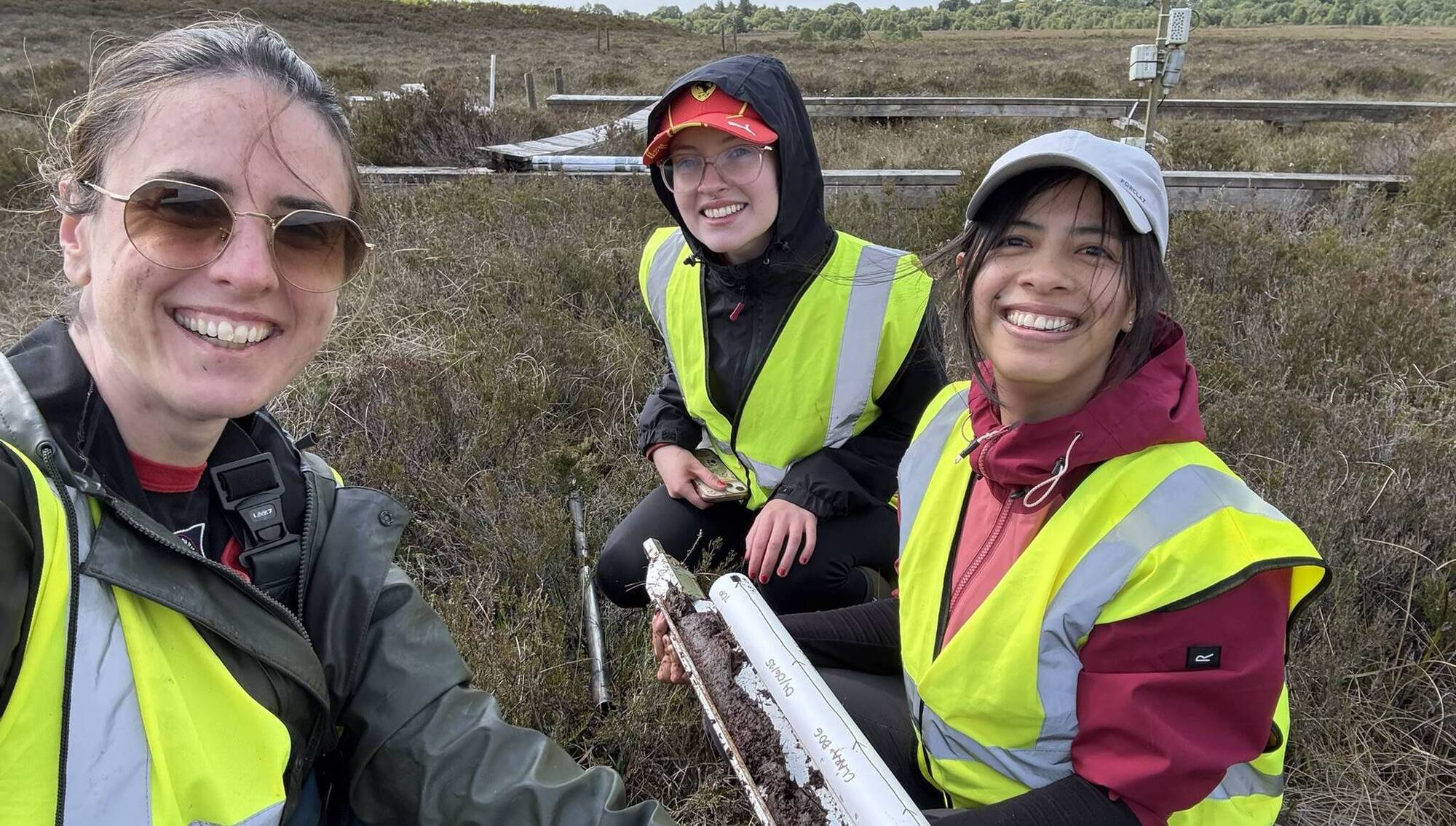
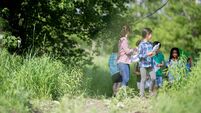
Michelle McKeown, Leanne ODonoghue, and Xyza Vasily Dela Pena explore the peatlands at Clara Bog, Co Offaly.
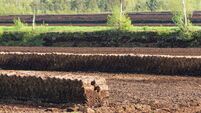
Peatlands are some of the most carbon dense ecosystems on our planet. Yet they rarely capture public imagination in the same way as rainforests or coral reefs. Beneath their mosses, reeds and muddy surfaces lies one of our greatest climate allies. Although peatlands cover only around 3% of the Earth’s land surface, they store nearly one-third of the world’s soil carbon. That means these soggy landscapes lock away more carbon than all the world’s forests combined. When healthy, peatlands quietly absorb and store carbon for thousands of years. But when drained, burned or degraded, they become powerful sources of greenhouse gas emissions.
The challenge is that we still do not know enough about them. In fact, scientists are still discovering peatlands in remote regions of the world, particularly in tropical areas such as the Congo Basin and parts of the Amazon. We are still debating how much carbon peatlands truly store globally, how vulnerable they are to climate change, and how best to restore them once damaged. That uncertainty matters. It matters for climate targets, biodiversity protection, water security and land management. And it is exactly why an international group of researchers, policymakers and peatland experts recently came together to identify the most urgent research questions facing peatland science over the next decade.
I was fortunate to be part of this global initiative, which involved hundreds of contributors from 54 countries. Together, we developed a list of the 50 most important unanswered questions in peatland science. It may sound simple, but agreeing on the questions that matter most is a powerful scientific exercise. Science often advances rapidly, but not always strategically. Researchers can become siloed into their own specialisms, funding can become fragmented, and urgent global problems can compete for attention. Identifying priority research questions helps focus effort where it is most needed. It creates a roadmap. Think of it as drawing up a “to-do list” for the planet.
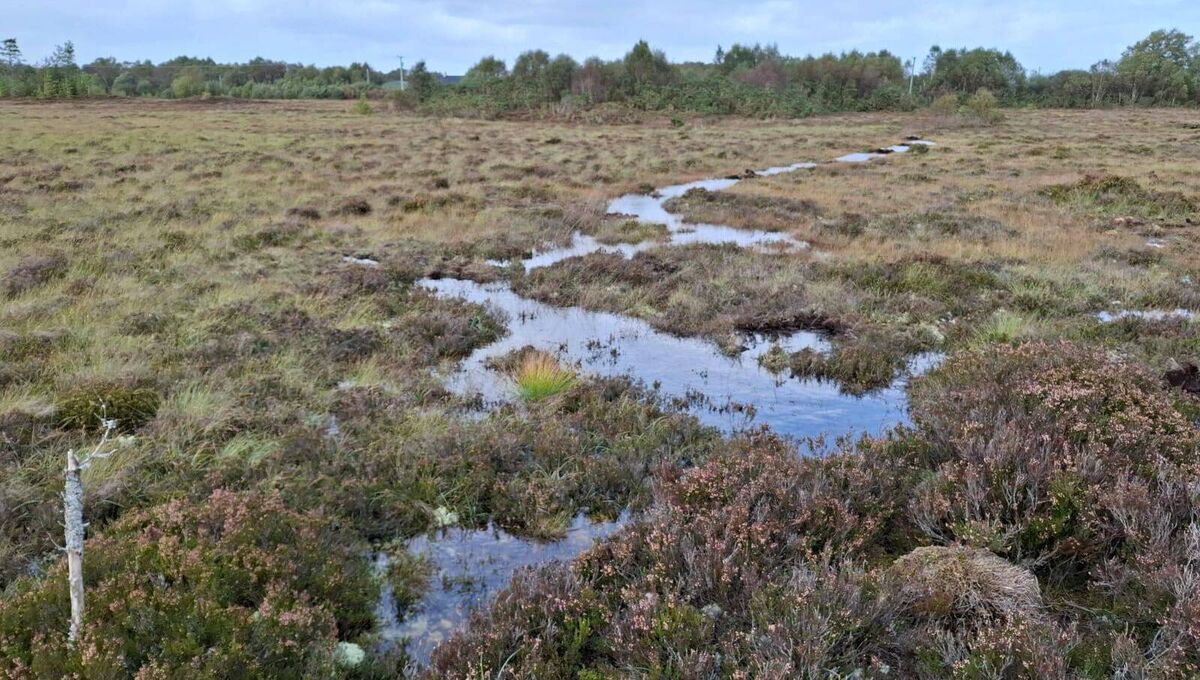
The questions we identified span everything from climate change and carbon storage to restoration, fire management, biodiversity, remote sensing technology and community engagement. Some are deceptively basic: What is the global extent and distribution of peatlands, including those in areas that are currently poorly mapped? Others are deeply complex: What are the tipping points at which some peatlands shift from carbon sinks to carbon sources, what techniques can be used to determine tipping points and what factors make some peatlands more resistant to change than others? Or: What are the impacts of peatland management trajectories on local communities, and how can different trajectories be prioritised whilst ensuring local community livelihoods are supported?
Importantly, the exercise was not just about science for science’s sake. These questions help governments, funding agencies and environmental organisations understand where investment and collaboration are urgently needed. If policymakers are making decisions about carbon accounting or restoration targets, they need reliable evidence. If communities are restoring degraded peatlands, they need guidance grounded in long-term research rather than trial and error.
One of the strongest messages emerging from the project was the need for global agreement and cooperation. Peatlands do not recognise political borders. The carbon stored in Indonesian peat swamp forests, Irish bogs, Canadian muskegs or Congolese tropical peatlands all influences the same atmosphere. Yet historically, peatland research has been unevenly distributed across the globe.
Northern peatlands in Europe and North America have received far more scientific attention than tropical peatlands in Africa, South America and Southeast Asia. In some regions, peatlands are still poorly mapped or barely recognised in national climate policies. That creates major blind spots in our understanding of the global carbon cycle.
Developing international agreement on research priorities helps address this imbalance. It allows scientists from different countries and disciplines to work toward common goals. It also strengthens the link between research and global climate policy, including the Paris Agreement and biodiversity frameworks. Crucially, this kind of roadmap also helps avoid duplication and encourages collaboration. Instead of dozens of isolated projects working independently, priority-setting can align efforts across continents and institutions. In a time where climate change is accelerating faster than funding budgets, that coordination matters.
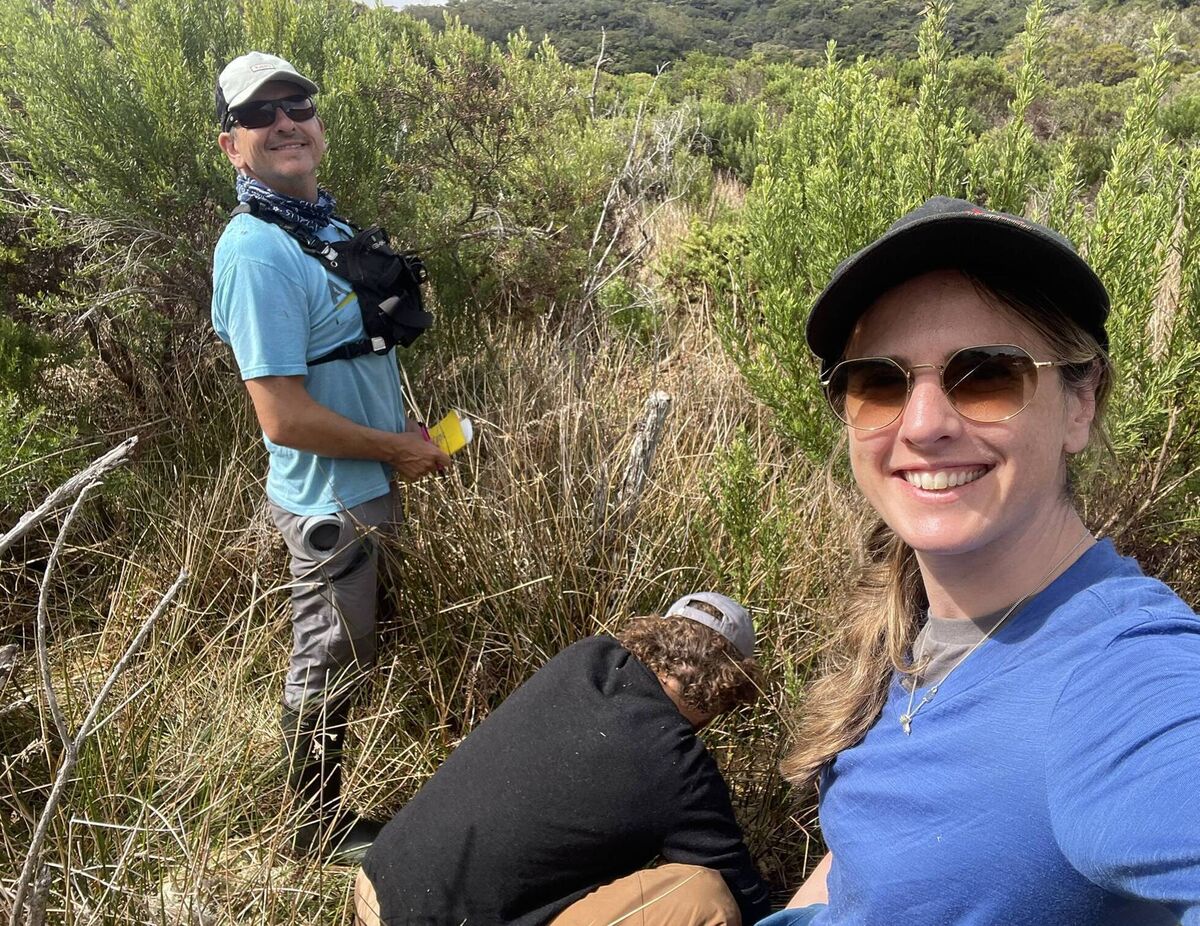
There is another reason these priorities are important: peatlands are changing rapidly. Climate change is increasing droughts, fires and extreme weather events in many peatland regions. Some peatlands may be approaching ecological tipping points where they can no longer function as carbon sinks. At the same time, restoration efforts are expanding worldwide, but many questions remain about how effective these interventions are over decades rather than years. We urgently need answers.
The good news is that new technologies are transforming peatland science. Satellite imagery, drone surveys, artificial intelligence and advanced carbon monitoring systems are giving us unprecedented tools to map, monitor and understand these ecosystems. Some of the world’s “hidden peatlands” are now being identified using machine learning and remote sensing techniques that barely existed a decade ago. But technology alone is not enough. Protecting peatlands will require political will, local community engagement and international cooperation. Science can provide the roadmap, but society must choose whether to follow it.
Peatlands may not be glamorous landscapes. They are muddy, waterlogged and often difficult to access. But they are among the most important ecosystems on Earth for tackling climate change. And before we can protect them properly, we first need to agree on the questions that matter most.
Link to paper: www.nature.com/articles/s43247-026-03321-5
- This journal article was led by Alice Milner (Royal Holloway University of London, UK), in collaboration with Michelle McKeown (University College Cork, Ireland), Monika Ruwaimana (Universitas Atma Jaya Yogyakarta, Indonesia), Angela Gallego-Sala (University of Exeter, UK) and Julie Loisel (University of Nevada, Reno, USA). We are grateful to Johanna Menges (University of Bremen, Germany) and Thomas Roland (University of Exeter, UK) for their invaluable contributions, and all co-authors from around the world who contributed to PeatQuest as translators, regional contacts, and expert prioritisation panel members, as well as the many people who submitted questions anonymously to the survey and helped distribute it.
CLIMATE & SUSTAINABILITY HUB
CONNECT WITH US TODAY



Be the first to know the latest news and updates