Colman Noctor: Teenagers need a sense of belonging — not entertainment
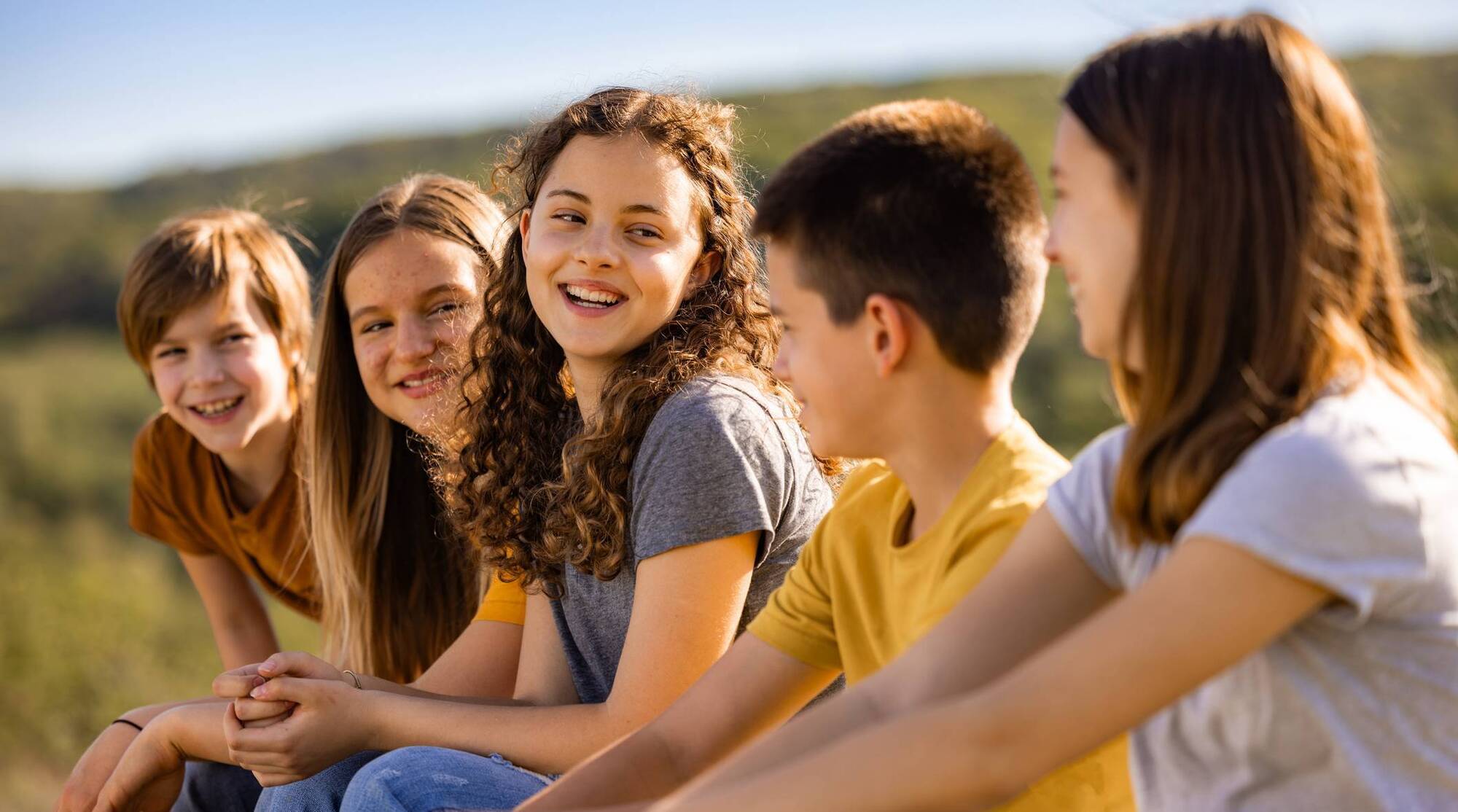
Young teenagers are seeking experiences that help them feel capable and competent — they want to be treated as emerging adults
The feeling of being part of something larger than themselves reflects a broader challenge facing many young people today. Picture: iStock

The feeling of being part of something larger than themselves reflects a broader challenge facing many young people today. Picture: iStock

MANY parents fear their teenage children’s long break from school during the summer holidays. 

In the past, they often worried about their children repeatedly saying: "I’m bored". Now, they’re concerned because their children are becoming increasingly isolated by watching screens in their rooms day in, day out.

Teenagers eagerly anticipate the break from school routines, but many find themselves facing months of unstructured time, limited social contact, and heightened loneliness.

Younger children participate in camps and activities during summer, while older teenagers often take on summer jobs. However, the group most susceptible to a lonely summer is those aged 13 to 16. 

They are too old for many summer camps, and unless you are in the privileged position of having a family business, they are too young for employment. 

Developmentally, this age group craves independence but still requires significant supervision. They want to socialise but often lack the means, transport, location, or confidence to organise activities themselves.

For many young teenagers, school is not just a place of education; it is their primary source of social connection. When school closes for almost three months, they can suddenly lose physical contact with much of their social world.

Concerned parents have described to me how their young teenagers spend the summer moving between screens, hibernating in their bedrooms with only brief periods of family contact. They see increased irritability, disrupted sleep patterns, and a sense of isolation.

This isn’t merely anecdotal. Research consistently shows that loneliness among adolescents is a growing concern. While social media creates the illusion of constant connection, it typically leaves young people more aware of what they are missing than of what they are experiencing.

The challenge is no longer simply that young teenagers have nothing to do. The challenge is that many communities lack meaningful opportunities for them to gather or feel a sense of belonging.

Youth hubs during holidays

One solution would be to develop community youth hubs that operate specifically during the school holidays. These would not be childcare facilities or traditional camps. 

Instead, they could offer safe, welcoming spaces where teenagers could drop in, meet friends, learn new skills and take part in activities without the pressure of formal attendance.

In parts of Scandinavia, youth centres play an important role in adolescents’ lives. Young people can access sports facilities, creative workshops, music spaces, and social activities at little or no cost. The emphasis is on participation and belonging rather than on supervision.

While those involved in summer sports like GAA will have training on a couple of evenings a week over the summer, that is largely the extent of the activities available to this age group. 

Imagine if every town in Ireland had a summer youth hub operating on three or four afternoons or evenings each week. It would provide a place for the 13-16 age group to go, meet others, and develop interests. These benefits would extend far beyond entertainment.

Summer could also be a time to develop practical life skills. Schools do an excellent job of delivering academic education, but many young people reach adulthood without opportunities to learn non-academic skills. 

Why not use part of the summer break to offer fun, community-based workshops in areas like drama, gym, photography, or stand-up comedy for this age group?

These activities need not be expensive. Many local businesses, sports clubs, libraries, and community organisations already have the expertise and facilities. What is often missing is the will and co-ordination to drive these initiatives.

Emerging adults

Parents describe the challenge of finding activities that are neither childish nor overly adult. The answer may lie in recognising that young teenagers are seeking experiences that help them feel capable and competent. 

They want to be treated as emerging adults.

One of the most successful international examples comes from New Zealand, where youth development programmes focus heavily on leadership, outdoor education, and community engagement. 

Rather than simply keeping young people occupied, these programmes encourage them to contribute, organise, and take responsibility.

This shift in perspective is important. 

Too often, we treat teenagers as problems to be managed rather than as resources to be developed.

What if communities invited teenagers to help plan summer events? They would find no shortage of ideas. At my own children’s secondary school, for example, two students recently organised a tractor run fundraiser, which was a huge success.

What if local festivals had youth committees? What if sports clubs offered leadership roles to younger members?

When developing these youth hubs, young people themselves would be best placed to tell us what would work.

Of course, not every solution needs to come from organisations. Sometimes the most effective interventions happen at the street level. 

While modern life has become more fragmented, there is still potential to rebuild some of these connections within the community.

I remember from my childhood that ‘street leagues’ were organised during the summer, informal football blitzes. 

Collaborative efforts

Parents could collaborate to organise local activities, sports evenings or shared outings. Community WhatsApp groups often focus on practical issues, but could they also facilitate social opportunities for teenagers? 

Young people often need help in organising their social world, but then they need adults to step back and let them get on with it.

The key is to create environments where connection can happen organically. Not every family can afford expensive camps, travel or organised activities. 

For community initiatives to succeed, they must be affordable and inclusive. Free or low-cost opportunities are essential to addressing social isolation effectively.

Local authorities, schools, youth services, and community organisations all have a role to play, and even if there is a cost, the economic case is compelling. 

Investing in youth engagement during the summer months may help reduce future difficulties related to mental health, school disengagement, and antisocial behaviour. More importantly, it sends a powerful message to young people that they matter.

Because beneath all the discussions about boredom and screens lies something more profound. 

Most teenagers are not asking to be entertained; they are seeking to belong.

When teenagers complain that "there is nothing else to do", they have a point. Their irritability may not always be down to teenage hormones; it may be because they miss their friends. 

It makes sense that they would miss the daily interactions and the sense of purpose that school offers. The feeling of being part of something larger than themselves reflects a broader challenge facing many young people today.

Staying connected

Perhaps we have been framing the issue of teenage laziness and boredom incorrectly. It’s not how we keep teenagers busy over the summer, but how we help them stay connected.

If we approached the summer months as an opportunity to strengthen friendships, develop skills, build confidence, and encourage community involvement, the long school holidays could become one of the most valuable periods in a young person’s year.

The irony is that adolescence is the very stage of life when friendships, belonging and identity matter most. Yet it is also the period when many young people report feeling loneliest.

The solution will not come from any single programme or initiative. It will require communities, schools, families, and policymakers to collaborate to create spaces where teenagers can gather, contribute, and grow.

Ireland has long prided itself on the strength of its communities. Perhaps the challenge posed by the forgotten teenager during the summer months offers us an opportunity to rediscover that strength. 

If we can give young people a place to belong, we may find that summer school holidays become less about surviving boredom and more about laying the foundations for healthier, happier, and more connected lives.

x

More in this section

Cookie Policy Privacy Policy Brand Safety FAQ Help Contact Us Terms and Conditions

© Examiner Echo Group Limited