Safety fears as scientists make first viruses designed by AI
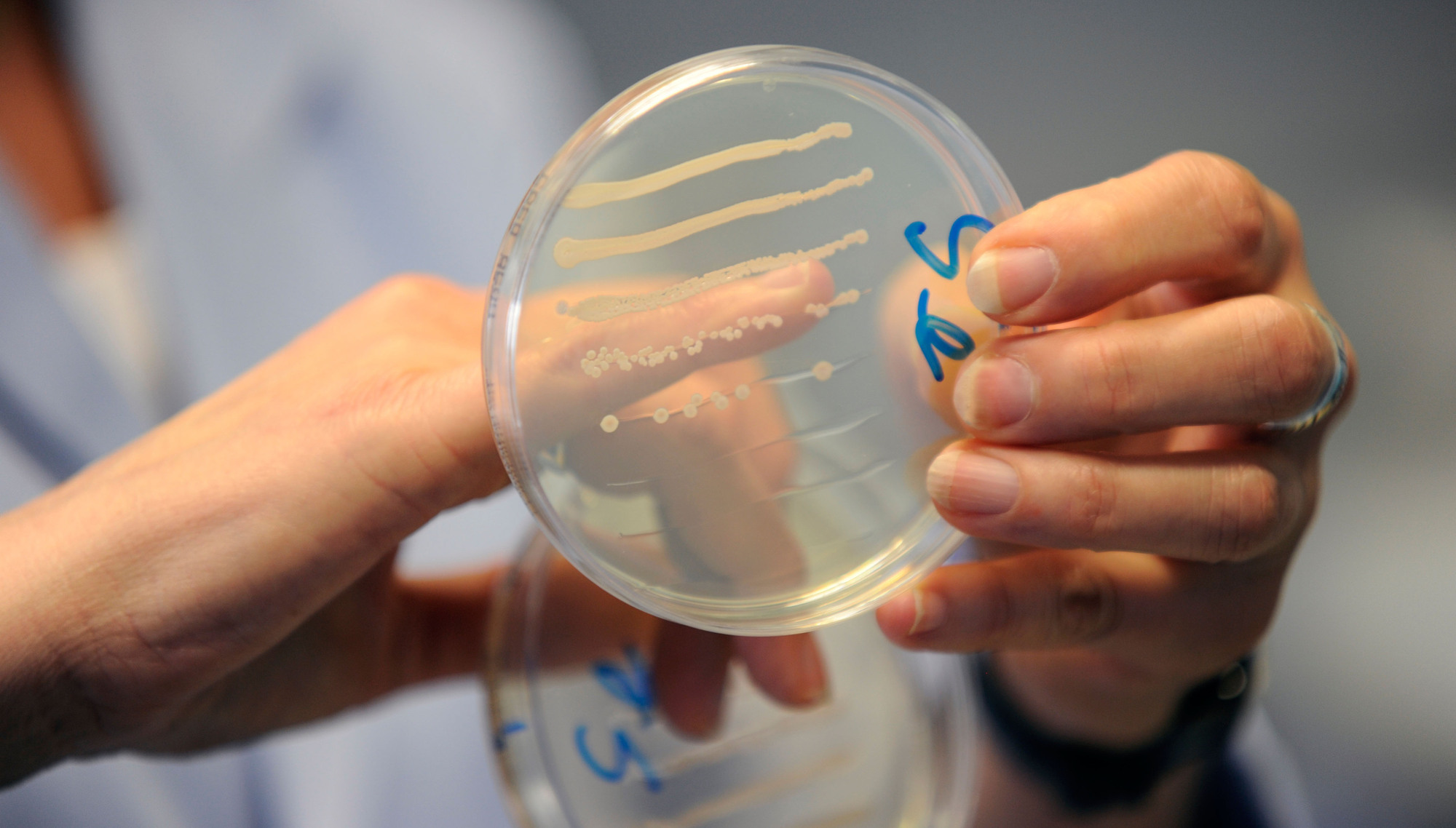
The viruses are specific kinds known as bacteriophages, which only infect bacteria and are used around the world to treat patients with persistent infections. In lab tests, a cocktail of the AI-designed viruses killed E coli bugs that were resistant to natural bacteriophages. File picture
Scientists have made the first viruses designed by artificial intelligence in a milestone that raises hopes for new medicines but also concerns over how to ensure the technology remains safe.
The viruses are specific kinds known as bacteriophages, which only infect bacteria and are used around the world to treat patients with persistent infections. In lab tests, a cocktail of the AI-designed viruses killed E coli bugs that were resistant to natural bacteriophages.
Dr Brian Hie, a chemical engineer at Stanford University in California, used genome language models, the genetic equivalent of the large language models behind AI chatbots, to design functioning genomes for bacteriophages. The viruses were then made in the laboratory and pitted against E coli in a dish.
The ability to “rapidly design” genomes and tune them for specific bugs while overcoming resistance could “transform phage therapy” and “expand biotechnological toolkits”, the researchers wrote in the journal .
But beyond the potential benefits, the scientists said the work raised “important biosafety, biocontainment and biosecurity considerations” and urged others who were designing whole genomes to “consult both safety and security professionals throughout the project”.
In an accompanying article, Professor Tom Inglesby and Dr Moritz Hanke at the Center for Health Security at Johns Hopkins University in Baltimore, reinforced the warning, writing: “Although this is promising for life sciences applications, it also raises urgent biosafety and biosecurity questions.
Hie and his colleagues used AI models called Evo1 and Evo2 to design the new viral genomes. The models were trained on genetic data from two million bacteriophages.
The genetic code for viruses that can infect plants, humans or other animals was intentionally excluded from the AI’s training to reduce the risk of it designing dangerous viruses.
The AI generated thousands of potential genomes from which the researchers selected nearly 300 to make in the lab. These were dropped into bacteria, which read the genetic code and churned out the new bacteriophages.
The process was not efficient: only 16 bacteriophages proved to be viable, but a cocktail of them swiftly overcame resistance in two different strains of E coli.
Bacteriophage genomes are tiny, but Inglesby and Hanke said the work nevertheless proved that generative AI could create functioning viral genomes. Whether the same approach could be applied to other viruses was unknown, but they said work on pathogens that could infect humans, animals or plants should not be pursued.
“Such genomes might encode new pathogens that … cannot be contained by existing countermeasures,” they wrote.

CONNECT WITH US TODAY



Be the first to know the latest news and updates