Aoife Hearne: My three-year old won't give up his bottle
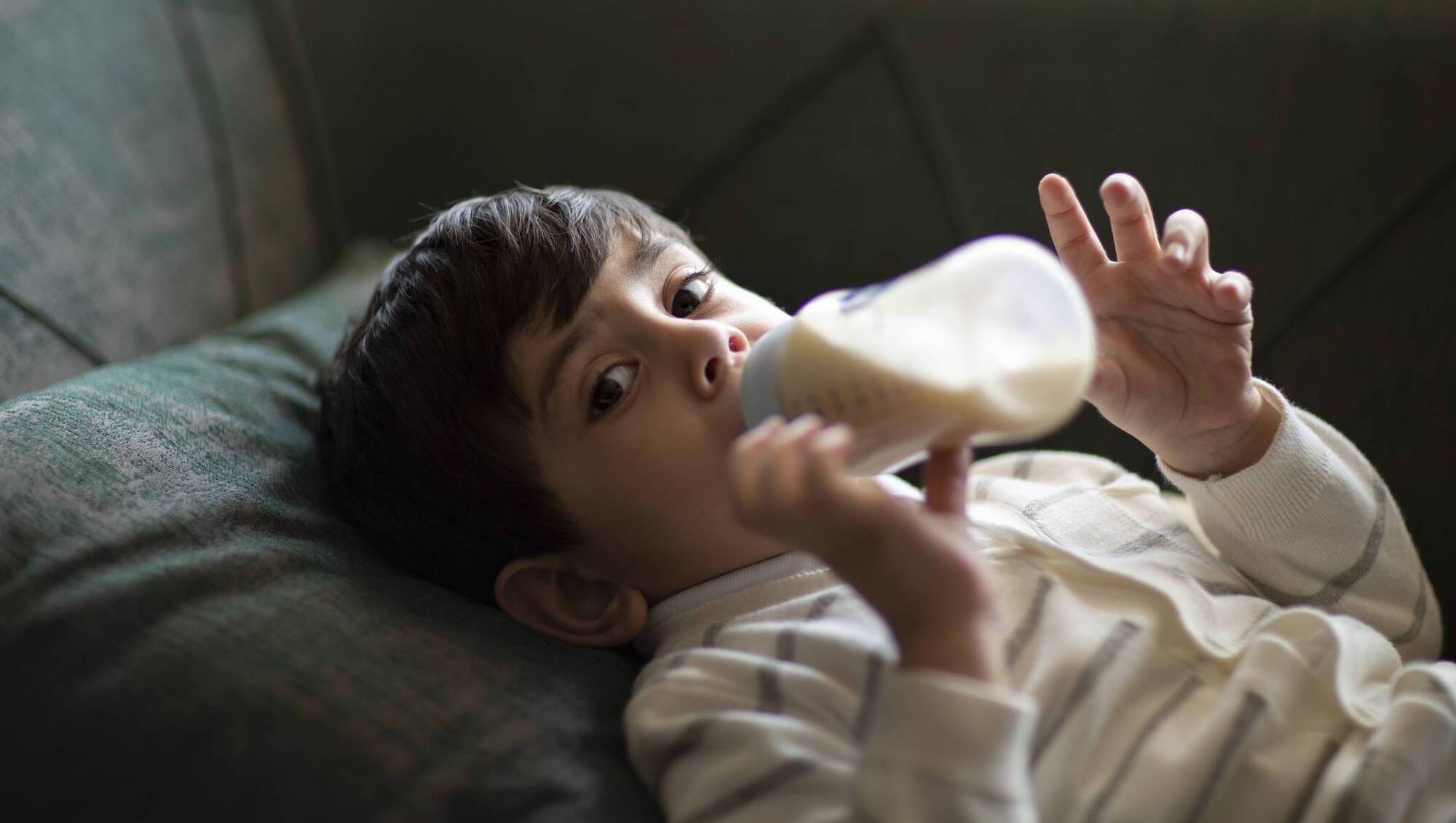
It’s not unusual for toddlers to have a close connection with their bottle. It’s almost like a comfort blanket for some and changing that is hard for everyone involved.

It’s not unusual for toddlers to have a close connection with their bottle. It’s almost like a comfort blanket for some and changing that is hard for everyone involved.
First things first, switching to whole cow’s milk was a really good switch. In fact, from 12 months of age whole cow’s milk is appropriate for children in place of any of the follow-on milks that are on the market.
Cow’s milk is a good source of calcium and protein, two important nutrients for a growing body. That being said, it can also fill those small tummies and displace iron-rich foods, fruits, and vegetables, that are essential for growth and development.
The next step before we look at the volume of cow’s milk consumed is likely the hardest change — replacing the bottle with a cup. The HSE recommends the introduction of a free-flowing cup from six months of age with a complete switch by 12 months of age.
Extended use of bottles are discouraged as they can increase the risk of tooth decay, especially if kept in the cot at night.
Don’t worry that you are a little bit past these milestones — now is as good a time as any to make the important change. I’m not going to lie, this transition is going to be challenging, but the saving grace is you can make good use of this switch and reduce milk volume at the same time. Here are some tips that can help to make the transition as smooth as possible.
If your son has the habit of bringing his bottle around with him during the day, start by creating a bottle zone in the fridge where the bottle "lives", and be sure to put it back in the fridge on the top shelf after meals/snacks. Out of sight, out of mind.
Make a big fuss about getting his new cup. Allow him to pick out the one he likes best and tell him how proud you are of him growing up.
Pick a meal/time in the day that is easiest to introduce the cup. If it’s his first time, be sure you have time to be with him and you’re not rushing. There may be some spills along the way, but that is normal as he develops this new skill.
Once your son has more confidence in using the cup, slowly but surely drop how often you offer the bottle and default to offering the cup first. A few white lies about the bottle needing to be washed might help soften the switch in the heat of the moment.
At this age with my three, I often added a cup of water midway through the meal — feigning forgetfulness at not having it ready at the start.
There is no one-size-fits-all solution here, but reducing the the volume of milk consumed and switching from bottle to cup will be positive changes to help support your son to have interest and explore other foods.
If you have any concerns regarding his growth and development, be sure to discuss with your GP and / public health nurse.
- If you have a question for dietitian Aoife Hearne, please send it to parenting@examiner.ie

CONNECT WITH US TODAY



Be the first to know the latest news and updates