Cork garda injured during violent assault at apartment in Cobh awarded €91,000
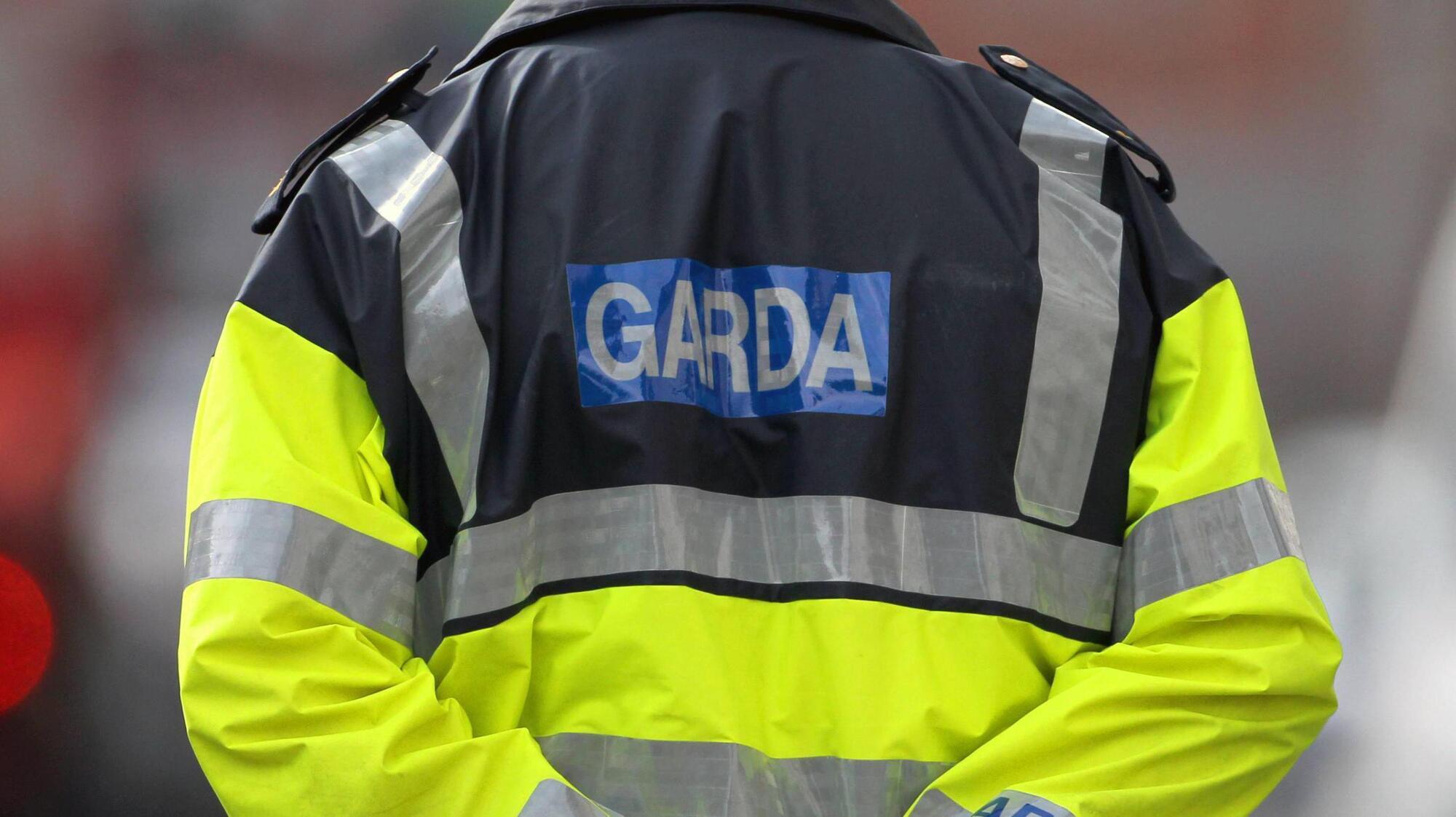
Garda was diagnosed by a psychiatrist with post-traumatic stress disorder, for which he was prescribed antidepressants and sleeping tablets and also attended 36 counselling sessions.
A Cork-based garda has been awarded damages of almost €91,000 for injuries sustained during a violent assault lasting 10 minutes while checking a suspect was observing his bail conditions.
The High Court ordered compensation totalling €90,813 to be paid to Garda Shane Gray under the Garda Síochána (Compensation) Act 2022 over the incident at an apartment in Cobh on February 17, 2021.
Garda Gray, a married father of three who has been a member of An Garda Síochána since 2017, and a colleague, called to the residence where a small quantity of drugs had been found earlier the same day.
They were to carry out a bail check.
The court heard the assailant “went berserk” and spat in the face of the plaintiff’s colleague.
All three men tumbled onto a couch when Garda Gray went to assist the other garda.
The assailant then spat into Garda Gray’s eyes and mouth and started to punch and kick him.
Garda Gray, who was 31 at the time, said they managed to pin the man down on the couch, although he continued to lash out and kick him.
He said the assailant, who was described as a big man with steel-toed boots, also managed to spin him around a number of times by kicking him in the knees, hips and lower back.
Garda Gray said neither garda was able to draw their batons or pepper spray as they were too close to their assailant, but they managed to lie on top of him and wait until he ran out of steam.
He recalled being terrified during the incident, which “felt like a lifetime”, that the assailant could reach knives on a kitchen counter if they were not able to subdue him.
Garda Gray, who took the legal action against the Garda Commissioner, said he was also bitten on both hands, drawing blood, and his neck was scratched.
He claimed the assailant had stated he was part of a Colombian cartel and made a threat to kill both gardaí, which he subsequently repeated in a Garda station following his arrest.
The man, who subsequently pleaded guilty to assaulting the two gardaí and received a three-year prison sentence, claimed he had covid and the plaintiff would catch the infection and die from it.
Garda Gray subsequently attended the emergency department at Cork University Hospital, where he was given a tetanus injection and tested for covid-19.
The court heard he suffered a panic attack after returning home and could not sleep.
He attended his GP the following day and reported being very stressed and anxious since the assault.
Garda Gray said he was out of work for one year and was assigned to a less busy station further from his home on his return.
He claimed he continued to experience pain, particularly in his lower back and legs after sitting, standing and driving for long periods.
Garda Gray was also diagnosed by a psychiatrist with post-traumatic stress disorder, for which he was prescribed antidepressants and sleeping tablets.
He also attended 36 counselling sessions.
The court heard he felt like a different man and had no motivation, was very irritable, and continually tired during the first year after the incident, when he also drank heavily.
Garda Gray said he remained anxious going to calls when he felt anxiety, had sweaty palms and envisioned a violent incident occurring, with his breathing quickening and his right leg shaking.
While aware of the importance of gardaí relying on each other in dangerous situations, he said he was afraid he would freeze.
The court was told the symptoms of panic disorder resolved within the first year but he continued to suffer from post-traumatic stress disorder, although he is expected to make a full recovery.
Ms Justice Emily Farrell ruled legal representatives of An Garda Síochána were not entitled to raise the plaintiff’s alleged failure to mitigate his losses for the first-time in cross-examination by questioning why he had not sought further counselling and why he had stopped taking antidepressant medication.
The judge said Garda Gray had not been put on notice that such matters were an issue.
She rejected the argument he had failed to mitigate his losses as no evidence had been heard to challenge his claim he could not afford to pay for additional private counselling.
Ms Justice Farrell said she assessed the plaintiff as having suffered moderate to severe PTSD, which had not yet been resolved.
The judge accepted his work and personal life were still impacted by the symptoms of PTSD more than five years after the incident.
She awarded the plaintiff general damages of €86,000 for pain and suffering in the past and into the future plus €4,813 in special damages.
CONNECT WITH US TODAY



Be the first to know the latest news and updates