Can a vaccine for shingles help keep dementia at bay?
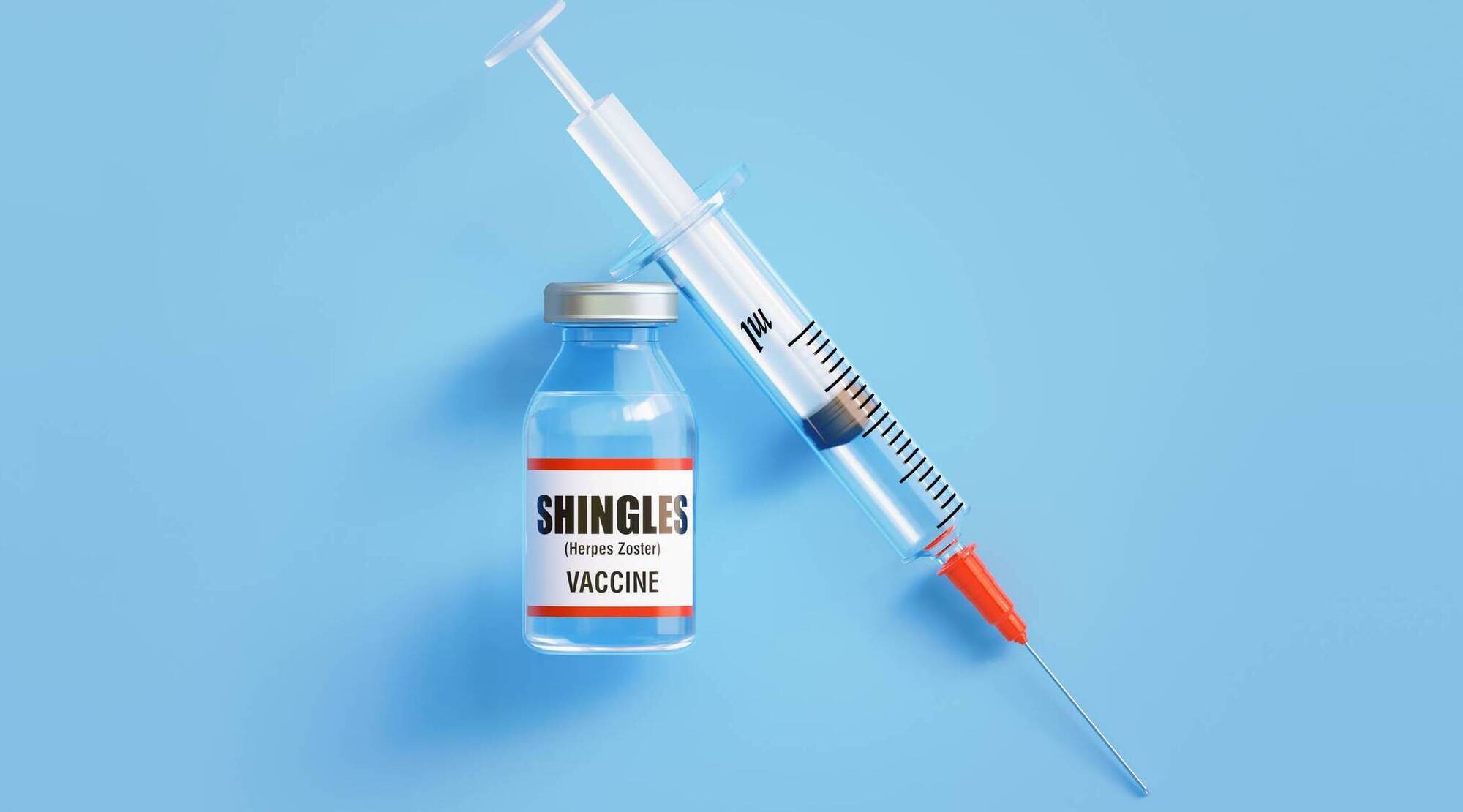
The shingles vaccine comes with additional neuroprotective effects
Sarah’s mum has dementia. Her granny had dementia. So did several grandaunts. Worried about her chances of developing a condition that runs strongly through her mother’s side of the family and that currently affects some 69,950 people in Ireland, the 60-year-old is now considering getting the shingles vaccine.
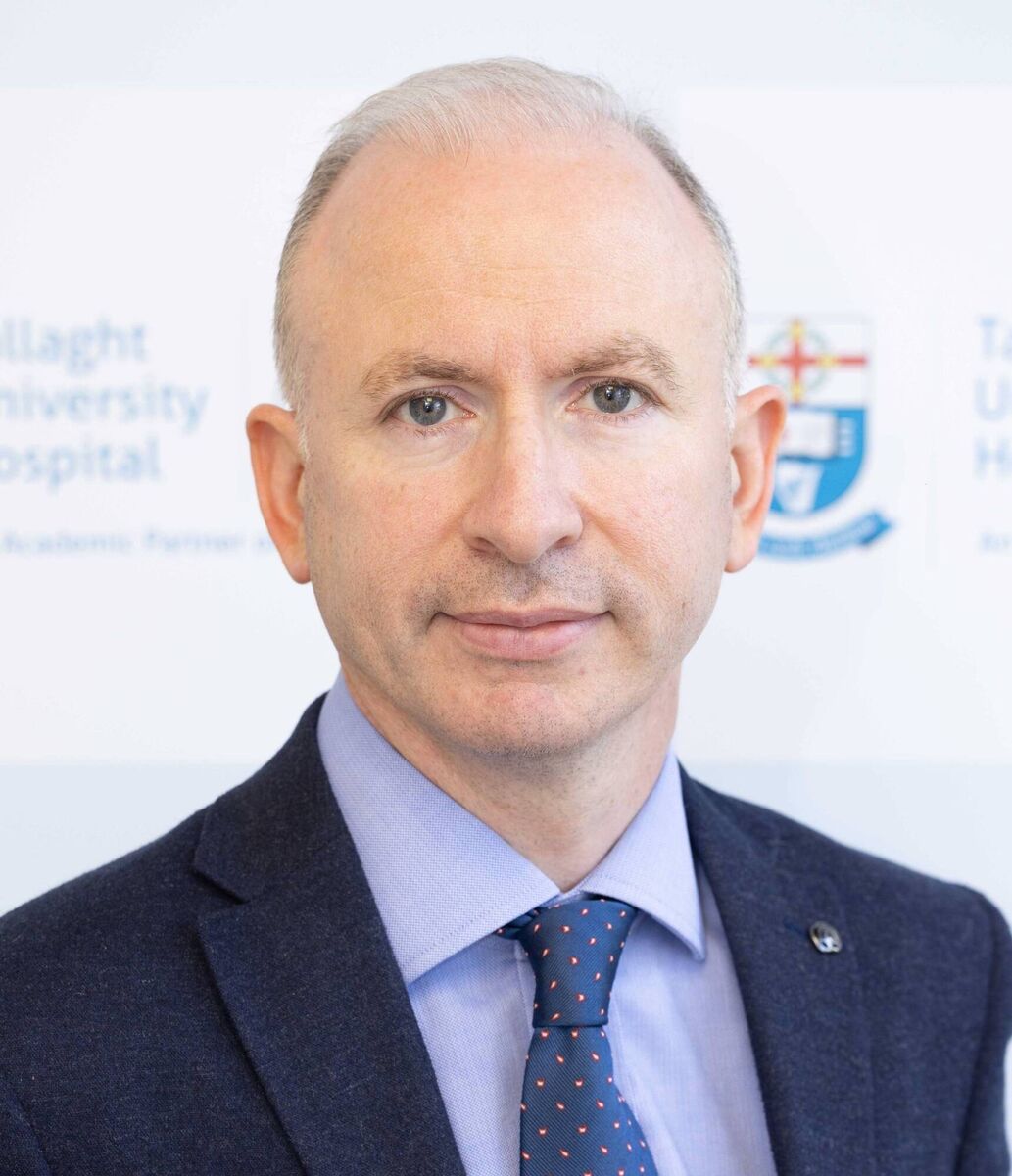
She’s not the only one. According to Professor Seán Kennelly, a consultant in geriatric medicine and director of the Institute of Memory and Cognition at Tallaght University Hospital, an increasing number of people are vaccinating themselves against shingles in an attempt to ward off dementia.
He and his team at the institute even go so far as to recommend that they do so.
“The fact that the vaccine is extremely effective at preventing shingles in the over 50s is enough reason to get the vaccine in its own right, but studies now show that the shingles vaccine comes with additional neuroprotective effects,” he says.
“They demonstrate a relationship between getting the vaccine and positive outcomes in terms of reducing the risk of dementia.”
Shingles is caused by the varicella-zoster virus (VZV), the same virus that causes chickenpox.
“After someone has chickenpox, VZV remains dormant in their cells but can be reactivated by a period of illness or by the immune system becoming run down,” says Dr Patrick Kelly, a GP and the clinical lead of immunisation in primary care for the Irish College of GPs.
“When that happens, the virus runs along the nerves to the skin, causing a shingles rash that can appear anywhere. We all have up to a one-in-three chance of getting shingles in our lifetimes, with that risk increasing as we age.”
Susan O’Dwyer, head of professional services at the Irish Pharmacy Union, outlines how the Shingrix vaccine, the only one available in Ireland and considered to be one of the best, works. “It doesn’t contain a live form of the virus,” she says. “Instead, it contains a protein found on VZV. So it won’t give you the virus, but it will help your body recognise the virus and mount an immune response to protect you from it in future.”
The vaccine also contains an adjuvant, which O’Dwyer describes as “an immune enhancer that triggers a stronger immune response than the protein could achieve alone”.
Precisely how the vaccine could protect against dementia is still unknown. “It could be that by preventing the bioactivation of VZV, inflammation is reduced in the body and in the brain,” says Kennelly. “Systemic inflammation can thicken the blood, increasing the risk of clots, which can cause changes to cognition. By stabilising inflammation, vaccines may also reduce the knock-on consequences of that inflammation.”
Another theory is that the adjuvant in the vaccine confers its neuroprotective effects.“The adjuvant is a substance mixed into vaccines to train and modulate the immune system to respond appropriately to infection,” says Kennelly.
“It could be the adjuvant that makes the body better able to ward off dementia.”

Natural conditions for experiment
As part of Budget 2027, the Government announced the phased introduction of a shingles vaccination programme. It is due to start in June next year, with immunocompromised people over the age of 65 and gradually expand to include the entire over-65 cohort.
Wales introduced its shingles vaccination programme in 2013, offering the Zostavax version of the vaccine to people aged between 70 and 79, with those born before September 2, 1933, being declared ineligible for vaccination.
This age cutoff, says Kennelly, “created the natural conditions for an experiment. People on one side of the cutoff got the vaccine, and people on the other didn’t.”
Scientists from California’s Stanford University compared dementia rates in both Welsh groups. They found that receiving the shingles vaccine reduced the probability of a new dementia diagnosis over the following seven years by 3.5%, amounting to a relative decrease of 20%. These effects were stronger in women than in men.
This Stanford research was the first significant piece of evidence suggesting the shingles vaccine impacted dementia risk. The second was a 2024 Oxford University study analysing the health records of more than 200,000 people who had been vaccinated for shingles. About half had been given Shingrix, and the other half Zostavax.
Over the next six years, dementia rates were 17% lower in the Shingrix group, with women once again faring better. “These are credible findings based on a large population sample, and they show that the newer vaccine may be even more effective at lowering dementia risk,” says Kennelly.
Mark of confidence in the data
While the results of these studies are exciting, O’Dwyer stresses that the evidence is not conclusive. It proves association, not causation.
“We have not yet determined if it’s the vaccine itself that directly reduces dementia risk,” she says. “Until causation is established, pharmacists will not recommend the shingles vaccine as a preventative measure against dementia.”
Believing that it’s “premature” to state that shingles vaccination helps to prevent dementia, Kelly points to Hiqa’s review of the evidence published in May.
“The review acknowledged the
association between shingles vaccination and decreased dementia incidence,” he says. “But it concluded that further research was needed to establish whether vaccination itself was responsible.”
Further research is underway, with clinical trials taking place in Denmark and Finland. Initial data is expected in April 2030.
Kennelly is hopeful that these trials will provide irrefutable evidence that shingles vaccination effectively lowers dementia rates. He believes the fact that trials are being carried out at all is “a mark of confidence in the data to date. These trials would not be happening unless the existing data was compelling.”
People currently have to request Shingrix from their GP or local pharmacy and pay a total cost of up to €490 for the vaccine, which is administered in two doses.
“That’s a lot of money for older people,” says Kennelly. “Making the vaccine available for free will definitely reduce the impact of shingles on that older cohort, and it will potentially reduce the impact of dementia, which would result in huge cost savings for the health service.”
Never too late to reduce risk
Almost 70,000 people are currently living with dementia in Ireland, and one in 10 is aged under 65.
Research by Alzheimer’s Europe has calculated that, based on our ageing population, the number of dementia cases here would more than double to 151,092 by 2050.
The trend is global. Alzheimer’s Disease International predicts that rates will increase dramatically from 55m to 139m worldwide by 2050.
While Alzheimer’s Society of Ireland does not advise people to have the shingles vaccine specifically to protect against dementia, it advises other strategies to keep the condition at bay.
The risk factors for dementia include age, genetics, and family history, none of which we can change. However, there are also modifiable risk factors such as diet, smoking, alcohol, and lack of physical activity.
“Up to 45% of dementia cases can potentially be prevented or delayed by addressing health and lifestyle factors,” says Dr Diane O’Doherty, the interim research and policy manager for the Alzheimer’s Society of Ireland. “Having annual blood pressure checks and managing blood pressure, treating diabetes, taking regular exercise, prioritising sleep, staying socially and mentally active, quitting smoking, drinking alcohol in moderation, and eating a healthy diet can all support better brain health.”
She emphasises that “it’s never too early, or too late, to take these steps” but adds that midlife is “a particularly critical point” at which we can make positive changes to reduce our dementia risk.
Kennelly adds that the flu jab can also help protect against dementia. An immune-enhancing adjuvant is also added to the vaccine, and studies show that “getting the flu vaccine is associated with a 40% lower risk of developing dementia in older adults,” with cumulative effects seen in people who receive the shot consistently over multiple years.
“It’s free of charge for all older adults, and is currently available in GP surgeries and pharmacies. Be sure to get yours this year.”
Know the risks
Here’s what you need to know about chickenpox, shingles and the growing body of research examining whether shingles vaccination could reduce dementia risk.
Both chickenpox and shingles are caused by a virus called the varicella zoster virus. After a chickenpox infection, some of the virus remains dormant in the body. As the immune system weakens with age, stress or illness, the virus can reactivate and travel down the nerve cells to the skin, where it causes shingles.
According to the HSE, most people recover from shingles without any problems. However, in some cases, it can cause complications including post-herpetic neuralgia, scarring, muscle weakness and eye problems leading to sight loss.
There are now vaccines which help prevent shingles. There used to be two vaccines available, Shingrix and Zostavax. The latter was withdrawn because Shingrix was found to be more effective.
The Shingrix vaccine is currently available for private purchase from GP surgeries and selected pharmacies. It is administered in two doses, given up to six months apart. It does not currently come under the HSE National Immunisation Schedule. People have to request it from their GP or local pharmacy and pay for it privately at a total cost of up to €490. However, as part of the Budget 2027 announcements, the government has plans for the phased introduction of a shingles vaccination programme. It is due to start with immunocompromised people over the age of 65 and gradually expand to all over 65-year-olds.
Dementia is an umbrella term for a range of incurable conditions that cause irreversible damage to the brain. There are more than 200 different types and Alzheimer’s is the most common. Almost 70,000 people are living with dementia in Ireland.
Several credible studies, including one carried out at Stanford University and another carried out at Oxford University, have suggested that the shingles vaccine could help prevent dementia. Clinical trials are now ongoing in Denmark and in Finland to establish whether this is the case.
Looking for a thoughtful gift?
Irish Examiner Gift subscriptions are now available.
Already a subscriber? Sign in
CONNECT WITH US TODAY
Be the first to know the latest news and updates