‘The mark of polio’: The Cork survivors still living with an epidemic from 70 years ago
Seventy years after 220 cases and five deaths in Cork, survivors face lasting health effects as memories of the epidemic endure
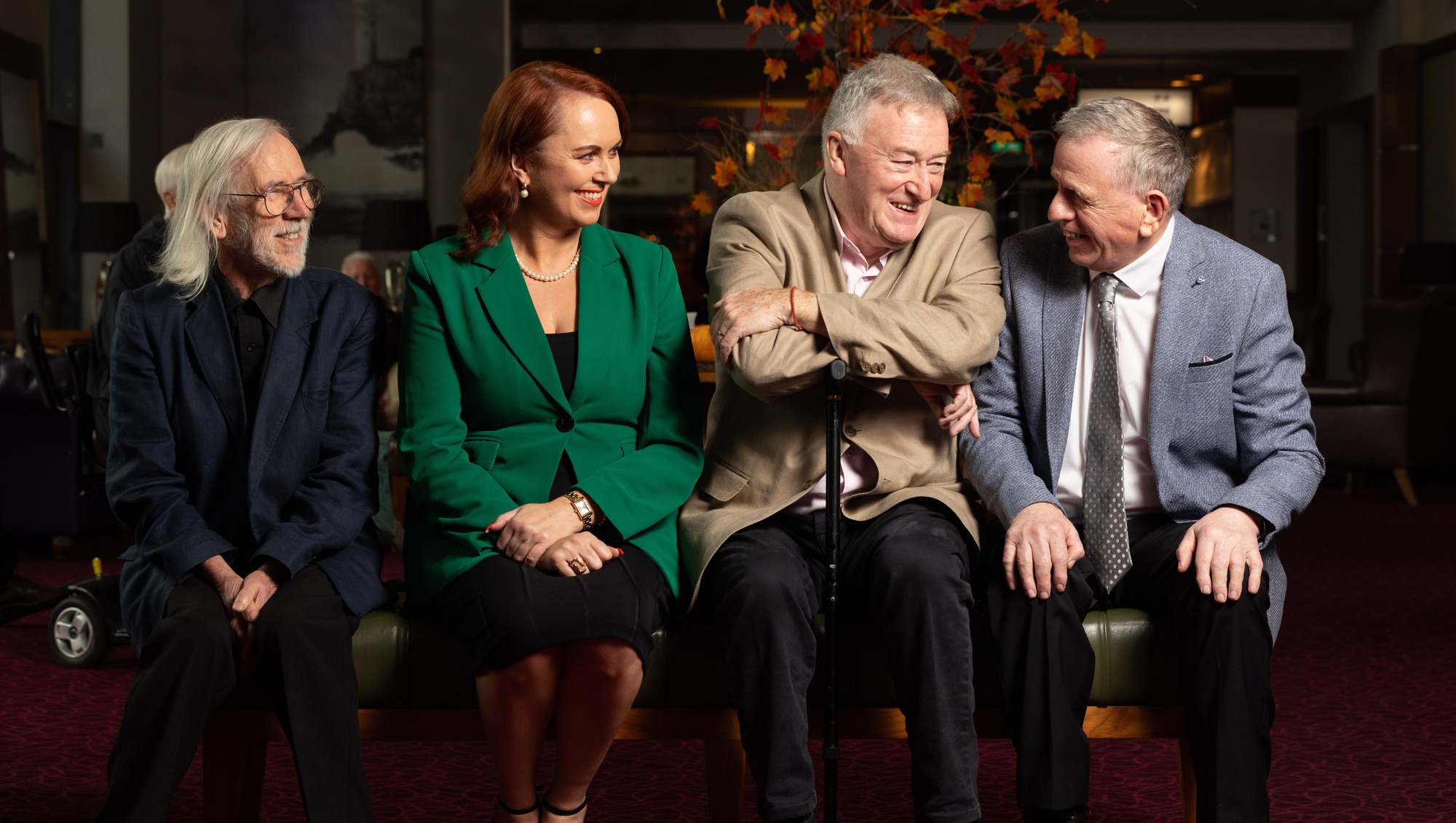
Special guest speakers historian and husband of Polio Survivor Vincent McDonnell, Nicola Fogarty, CEO Polio Survivors Ireland, Polio Survivor John Dolan, Board Director Polio Survivors Ireland and Polio Survivor Philip Flaherty at the 70th anniversary of the Cork Polio Epidemic hosted by the Polio Survivors Ireland in the International Hotel, Cork. Picture: Darragh Kane
Special guest speakers historian and husband of Polio Survivor Vincent McDonnell, Nicola Fogarty, CEO Polio Survivors Ireland, Polio Survivor John Dolan, Board Director Polio Survivors Ireland and Polio Survivor Philip Flaherty at the 70th anniversary of the Cork Polio Epidemic hosted by the Polio Survivors Ireland in the International Hotel, Cork. Picture: Darragh Kane

‘GETTING polio was like getting leprosy,” says Máire Ní Chorcora. “That’s what it was like before the vaccine came out, everybody was terrified that their child would get it, it was like leprosy, because it was so contagious.”

A native of Mallow, she was 16 months old when she contracted poliomyelitis in October 1954, in an isolated case, two years before an epidemic broke out in Cork.

By 1956, there were 499 cases of polio in Ireland, resulting in 20 deaths, a quarter of which occurred in Cork.

Poliomyelitis, once known as infant paralysis, is a highly infectious disease spread through person-to-person or faecal–oral contact. Its effects range from a minor transient illness to long-term paralysis and even death.

The virus invades the nervous system and, in a matter of hours, can cause paralysis. However, most cases produce very mild or no symptoms, and these usually go unrecognised.

Now, 70 years on, it is still unknown why only a small percentage of infections lead to paralysis. Between 5% and 10% of those paralysed die when their breathing muscles become immobilised.

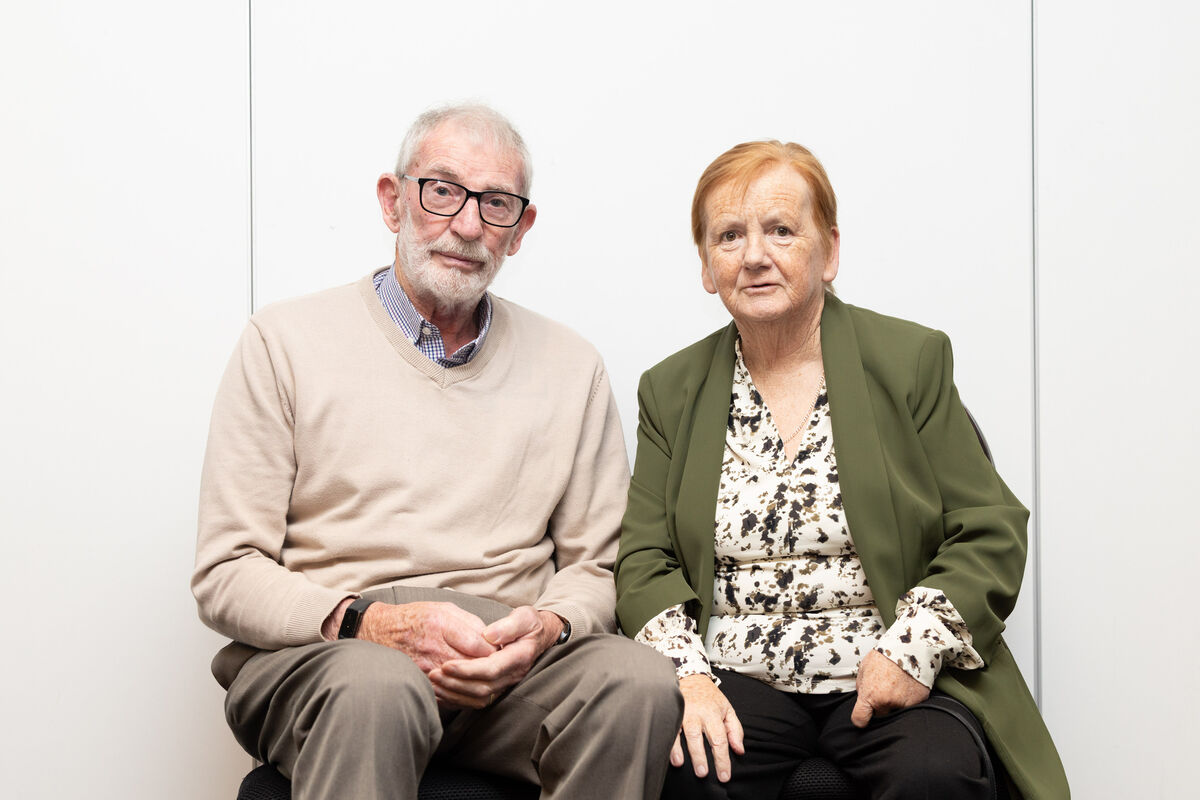
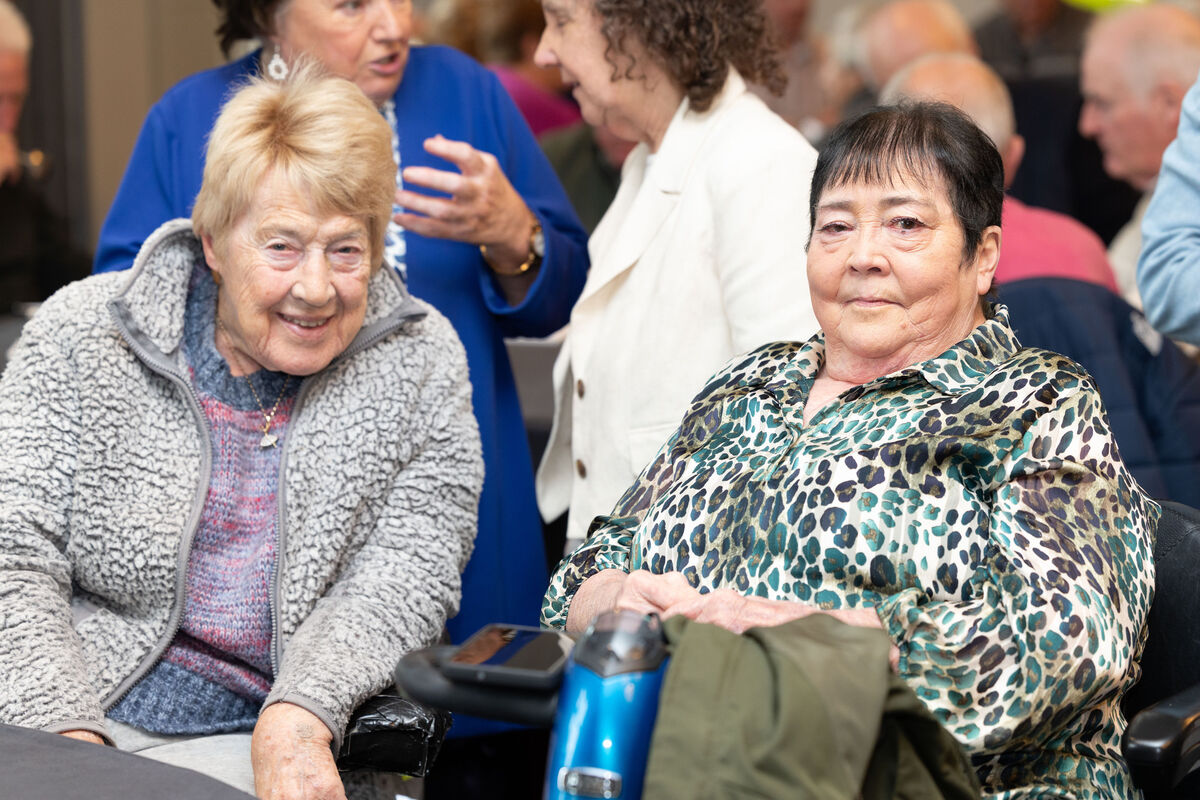
Polio survivors Sheila O’Sullivan, Ballincollig and Marion Thompson, Fairhill at the 70th anniversary of the Cork Polio Epidemic hosted by the Polio Survivors Ireland in the International Hotel, Cork. Picture: Darragh Kane

Polio can strike at any age, although it mainly affects children under the age of five. There is still no cure.

Between 25% and 50% of those who have recovered from paralytic polio in childhood can develop post-polio syndrome decades later, with symptoms including chronic pain, muscle weakness, mobility and respiratory issues, and extreme fatigue.

In the summer of 1956, panic spread across Cork city and county with each new report of polio. It was a time when nobody knew the disease’s cause, and the fatality rate in some instances was as high as 27%.

“The biggest outbreak of polio in over twenty years is rife in Cork city at the moment,” read the Evening Echo lead story on Thursday, July 5, 1956.

“Six cases have been reported and, owing to the outbreak, the Victoria Cross open-air swimming baths have been closed,” the newspaper report said.

“The city medical officer, Dr JC Saunders, has warned the public that bathing in any part of the River Lee must be regarded as highly dangerous.”
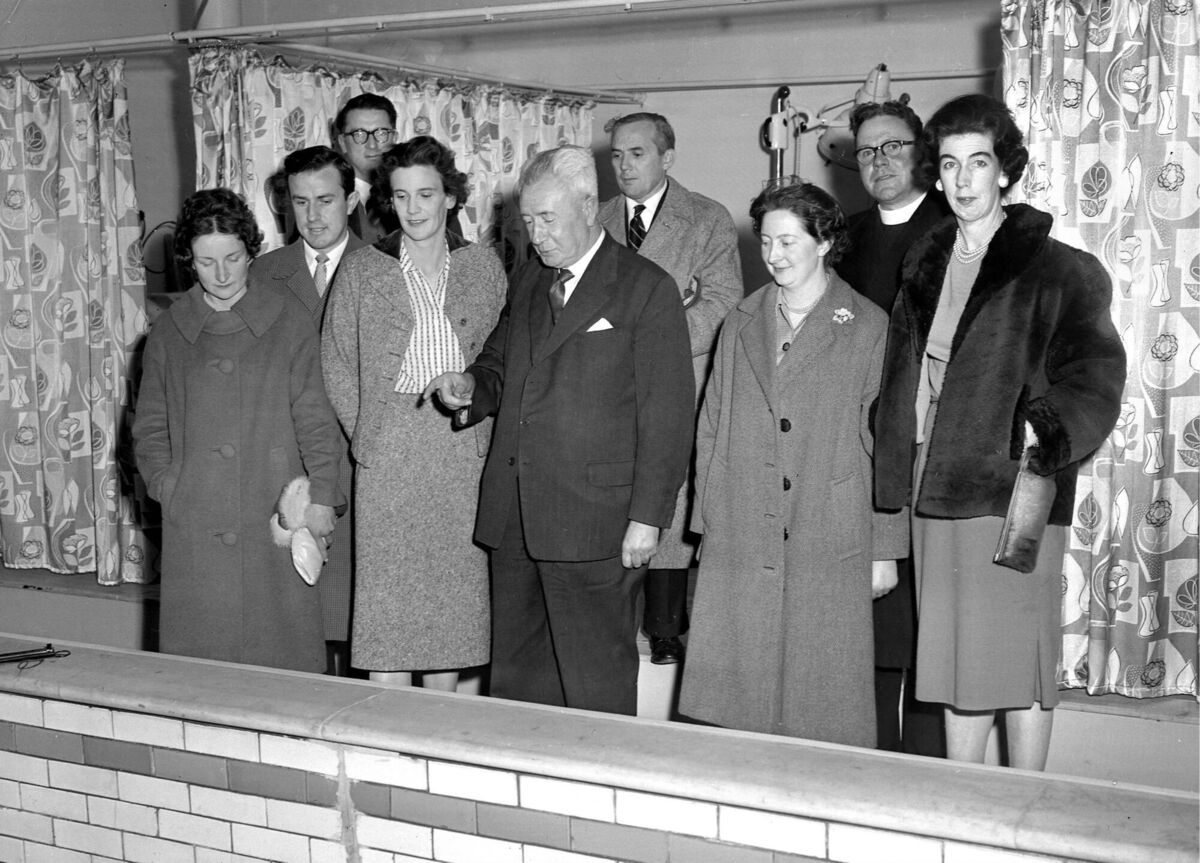
Visit by Lady Goulding to the Cork Polio Clinic at the South Mall 23/03/1960

The first reported case had come early in June and had not initially been seen as “of a serious nature”, the paper reported, as isolated cases were not seen as unusual in summer months.

“With the spreading of the disease over the month, however, the situation has become more serious, and the sixth case was confirmed on Sunday last.”

Six children, ranging in age from three to 10, had been infected but — perhaps to stave off public panic — the report played down the likely impact: “As outbreaks of poliomyelitis go this is not a serious one for, with the exception of one case, all six are of a mild variety.”

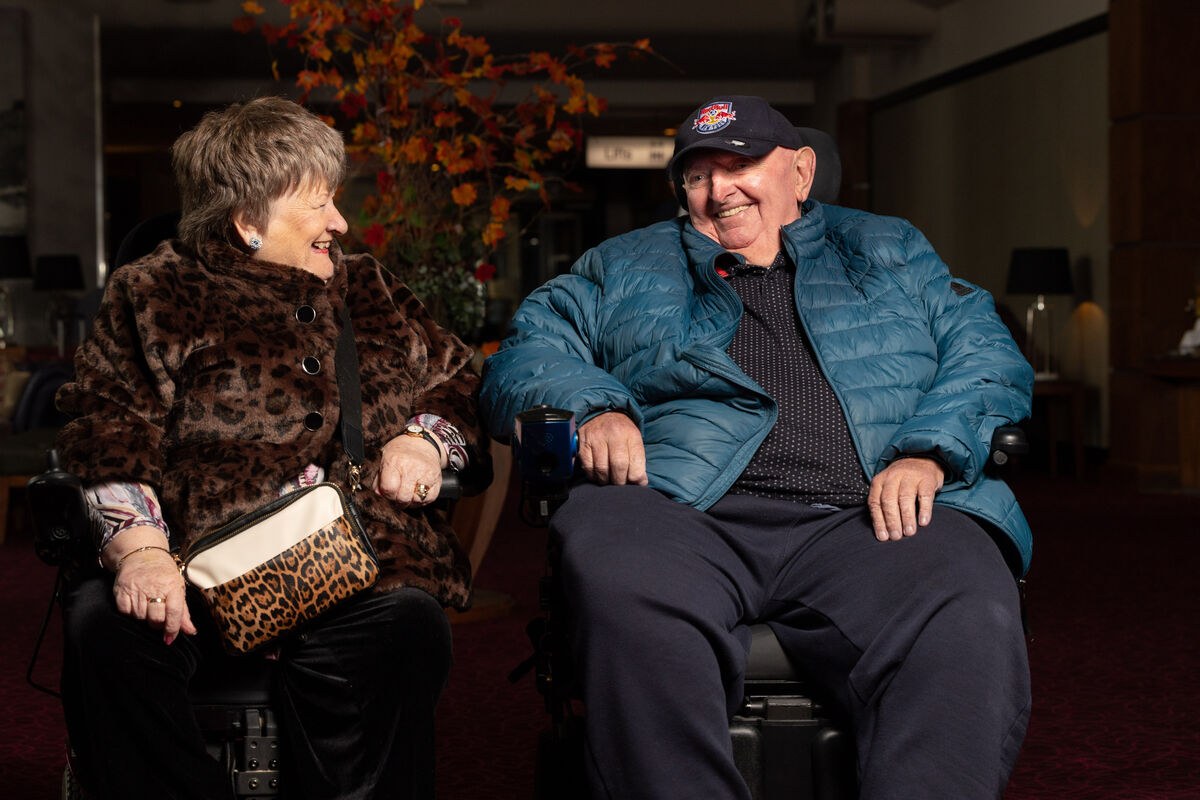
Polio survivors Evelyn Wainwright, Cork Convenor Polio Survivors Cork and Noel Quinn, Douglas at the 70th anniversary of the Cork Polio Epidemic hosted by the Polio Survivors Ireland in the International Hotel, Cork. Picture: Darragh Kane

However, Dr Saunders was then quoted as warning that “the occurrence of more than one case in the short period of one month must be regarded with some anxiety as a possible prelude to a more widespread epidemic”.

Four days later, the reported number of cases had risen to eight, with seven confirmed, and Dr Saunders issued an appeal to parents across the city: “Get your children to bed before nightfall and help to stop the possible spread of polio in Cork”.

He urged that children not “take part in any activity that would cause undue exhaustion” as “children who are utterly tired out are more likely to contract the disease if they come into contact with it”.

A year earlier, American virologist Jonas Salk had produced a working vaccine but it had not yet reached Cork.

We know now that poliomyelitis is a faecal-borne disease spread by close human contact, but in the 1950s doctors disagreed over the cause and transmission of the disease. Theories abounded: It was spread by flies; it had something to do with pasteurised milk; it had been imported in secondhand American clothes.

In hindsight, the prohibition on swimming in the River Lee, into which all the city’s waste was flushed, was wise.

On Friday, July 20, the lord mayor of Cork, Alderman Seán Casey TD, appealed to the public, saying children “should retire to bed at an early hour”. He had toured the city the previous evening and was “dismayed and disappointed to find children still playing on the streets at a very late hour”.

By Saturday, July 21, there were 45 confirmed cases in the city, with most treated in St Finbarr’s Hospital, where one of the country’s three regional poliomyelitis centres had been established.

Dr Saunders appealed to motorists “not to sound horns unnecessarily at night” lest it disturb children’s sleep.

Two days later, Dr Michael Goold, medical director of St Finbarr’s Hospital, said there had been 60 hospitalisations and one confirmed death, that of a five-year-old girl.

“There is a panic reaction to the polio epidemic in Cork, which is totally without justification and there must be an intelligent approach to it,” he said.

The Evening Echo reported that the outbreak appeared to be concentrated on the city’s southside, “especially in the Ballinlough, Friars’ Walk, Ballyphehane, and Wilton circle”.

On Saturday, July 28, the Catholic bishop of Cork, Cornelius Lucey, organised a special day of prayer for polio victims and their families, saying that although it was a time of anguish and anxiety, it was not a time for panic.

Polio survivors Jim O’Donovan St Luke and Margaret Collins from Cobh who at five and a half years old was the first person in Cork diagnosed with polio during the epidemic in 1956 at the 70th anniversary of the Cork Polio Epidemic hosted by the Polio Survivors Ireland in the International Hotel, Cork. Picture: Darragh Kane

The minister for health, TF O’Higgins, had said something similar the day before when he inspected the polio wards in St Finbarr’s, noting that most cases were minor.

Unsurprisingly, their words did little to allay the fears of terrified parents.

By August 9, 90 cases had occurred in the city and 34 in Co Cork. Of the 90 city cases, 71 were under six years of age, eight were between six and 10 years old, five were aged between 10 and 20, and the remaining six were older than 20.

WRITING for History Ireland in 2006, UCC’s Maurice Geary noted that Cork’s social and commercial life was badly affected, with school reopening deferred.

“Tourism and business suffered, especially in the wake of advice by some government departments against unnecessary travel into or out of Cork. Many Cork people who worked in places like Dagenham, especially those with young children, cancelled their annual visit home.

“Attendance at cinemas, dance halls and sporting events dropped dramatically; children under 12 years of age were not admitted to cinemas; a scheduled visit of Buff Bill’s circus to the city was cancelled; and swimming and tennis tournaments and GAA activities were either postponed or abandoned.”

The hurling and the football finals were postponed, with Cork going on to lose both.

Patients whose respiratory muscles had been affected were strapped into the huge metal cylinders — so-called iron lungs — that operated like a pair of bellows to regulate breathing.

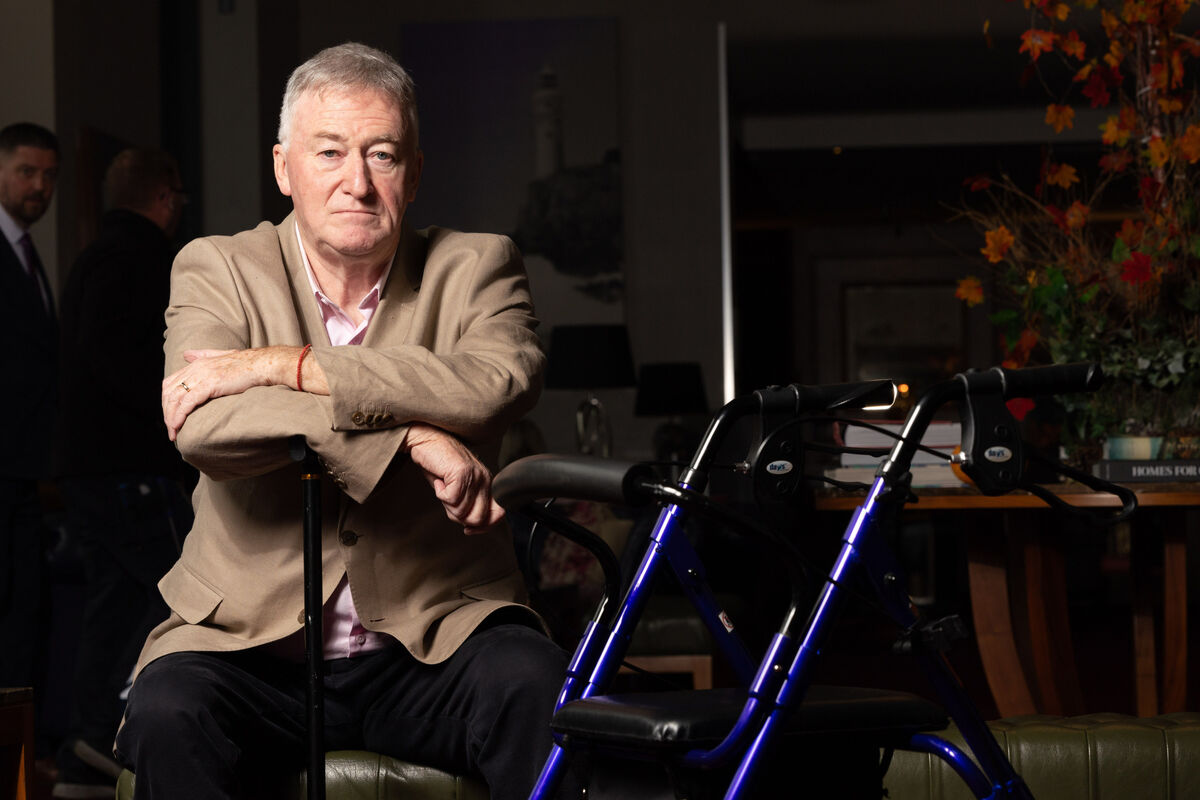
Polio Survivor John Dolan, Board Director Polio Survivors Ireland at the 70th anniversary of the Cork Polio Epidemic hosted by the Polio Survivors Ireland in the International Hotel, Cork.

Geary quoted one survivor who likened the experience to lying in a coffin with one’s head sticking out.

Many of those infected were not left with what Máire Ní Chorcora says is called “the mark of polio”.

“But those of us who have post-polio syndrome, we have the mark now that we’re older.

“People were in out of the Cork Orthopaedic Hospital for operations — I was in and out until I was 21 — we spent a lot of time isolated from society, but it was parents’ view was that we would be able to live a normal life.”

She had always worn callipers — leg braces — but she had lived a full life, working a full-time job and rearing two children. However, at 56, she says, polio “came back to bite me” and she had to give up her job.

“I’m in and out of wheelchairs now and I use a scooter and crutches. I’m not really able to do anything anymore.”

During the covid-19 pandemic at the start of this decade, the 2009 poem The Polio Epidemic (see panel) by Cork-born poet and academic Eileán Ní Chuilleanáin was regularly quoted.

“When covid started, I found that I’d already written the poem about epidemics. I was a child, I was 13, when the polio epidemic happened, but a lot of things were the same,” she said. “The staying at home, the going out into empty places, or places where, especially as a child, that you didn’t meet another child during the polio epidemic, and a certain amount of fear, of course.

“People were frightened, talked of ‘ending up in an iron lung’. Families were afraid to come back from summer holidays.”

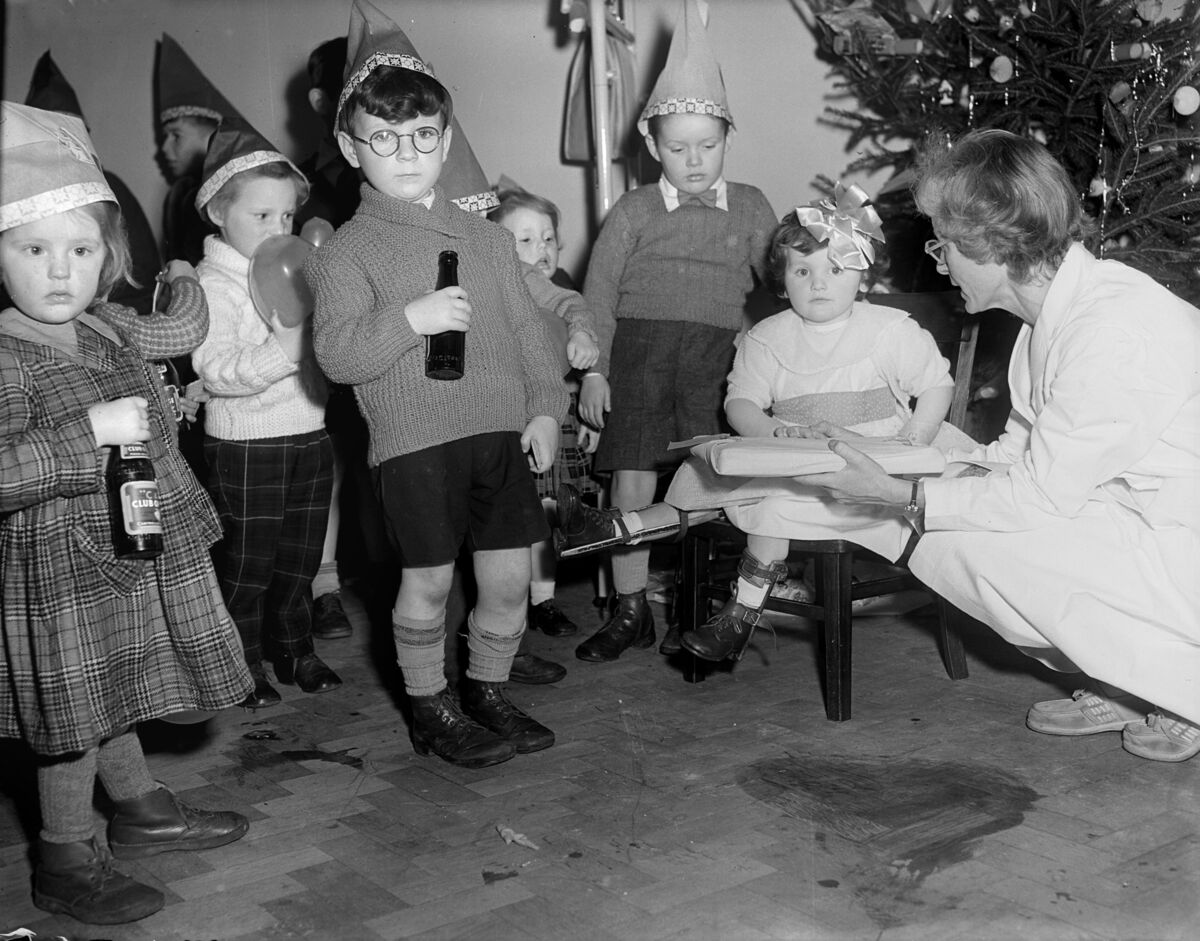
Cork Polio Clinic Christmas Party at City Hall Cork 23/12/58

Cork’s polio epidemic peaked in September of 1956, although the number of reported cases nationwide would remain high until the following May. For most people, though, life slowly returned to normal. On Monday, October 8, primary schools reopened.

There had been 220 confirmed cases across the city and county, with five deaths.

Noting that the outbreak had been relatively mild, Dr Saunders maintained there had been no justification for the panic which had spread across the city and county, and he blamed certain newspapers for sensationalist reporting.

If the death toll in Cork had been relatively low, many survivors were left with physical disabilities in a country with inadequate rehabilitation services.

One legacy of the outbreak was the Cork Poliomyelitis Association, soon renamed the Cork Polio and General After-Care Association.

Prof Ní Chuilleanáin’s father was involved in its founding.

“They raised a lot of money, I shook a box on a flag day and people were very generous,” she said.

Years later, that organisation became the Cope Foundation. Rebranded in 2024 as Horizons, the charity these days works with people with intellectual disabilities and autism.

Polio vaccinations began in Ireland in 1957 and are given by injection in four separate doses as part of the childhood vaccination programme. The last recorded case of wild polio in Ireland was in 1984, and the disease was eradicated in Europe in 2003. According to the WHO, wild poliovirus remains endemic in Afghanistan and Pakistan, where 40 cases were found this year.

Polio Survivors Ireland says there are more than 4,000 Irish people living with post-polio syndrome. With disability allowance only available to those aged between 16 and 66, most polio survivors will not receive the €500 cost of disability payment introduced in Budget 2027.

More in this section

Lunchtime News

Newsletter

Get a lunch briefing straight to your inbox at noon daily. Also be the first to know with our occasional Breaking News emails.

Cookie Policy Privacy Policy Brand Safety FAQ Help Contact Us Terms and Conditions

© Examiner Echo Group Limited