What is 'ferritin face'? Signs that you should get your iron levels checked

If you have signs of anemia or are concerned about any symptoms, it’s advisable to see your doctor. Picture: PA
A new health trend going viral on TikTok, and one that’s gaining significant attention, is “ferritin face”.
Numerous creators have shared videos highlighting dark under-eye circles, pale skin, and brittle hair, attributing these physical features to low ferritin levels, which can be associated with an iron deficiency. Although “ferritin face” is not a recognised medical diagnosis, this social media trend has prompted many people to self-diagnose themselves after watching these videos.
We spoke to GP Mohammad Bakhtiar, who explained what ferritin is, the important role it plays in our health, and when you should consider getting your levels checked.
“Ferritin is the complex protein that stores iron in the body,” says Bakhtiar. “So, when ferritin levels are low that indicates that you might have an iron deficiency because there is not enough iron to go around.”
“Low iron or iron-deficiency anaemia can present with symptoms like a pale face, tiredness, and a lack of energy. Lesions around the lips might also indicate low iron,” says the GP.
“Weight loss and hair loss are also signs that might suggest you need to get your blood haemoglobin levels checked.”
“Yes, these symptoms could be caused by something else,” says Bakhtiar.
“For example, a viral infection, pain, or a chronic disease can all affect paleness. However, if a patient is presenting with all these symptoms, a doctor will probably want to exclude anaemia and an iron deficiency first.”
“Post-surgery patients who have lost a lot of blood, women with heavy periods, pregnant women, and people with chronic kidney or liver disease, or bone-marrow issues are all more at risk,” says Bakhtiar.
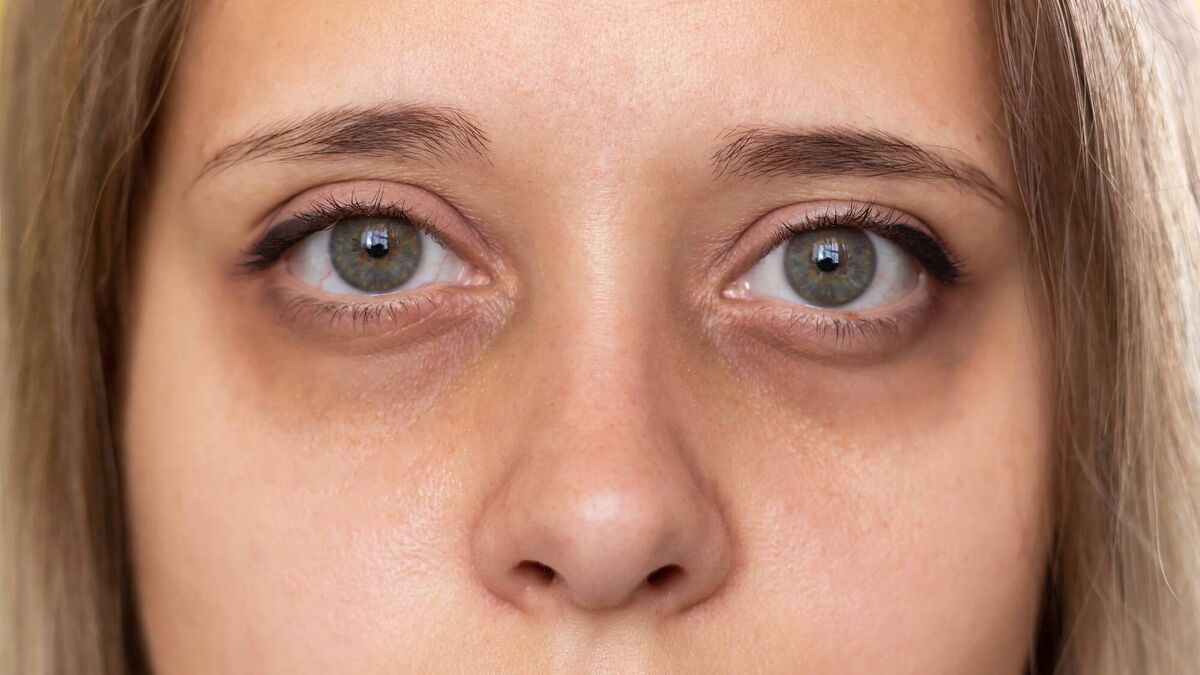
“If a patient says ‘I’m tired, I’m losing my hair, and I’ve got this lesion in my lips, and I’m pregnant’ and the doctor suspects they might be anaemic, two of the first things that they will do is a full blood count and an iron profile.”
Part of an iron profile will measure ferritin levels.
“If the ferritin levels are low that means your iron level is low, and you will have to find out what the underlying problem is,” explains Bakhtiar.
“If you don’t have anaemia, but your iron level is low, you might have an iron absorption issue.”
“Patients will usually initially be provided with iron supplements,” says Bakhtiar.
Then they will be reviewed and followed up.
“If this makes a difference and the haemoglobin levels come up, and supplements make the patient feel better, then that’s good,” says Bakhtiar.
“However, if the iron supplements don’t help at all then there could be another cause such as the absorption of iron is not correct, or a patient could be bleeding somewhere, or their bone marrow might be failing to make blood.
“So, further investigations would be needed to find the underlying cause.”
The consequences of someone with an iron deficiency or anaemia not being diagnosed and treated are serious.
“If left untreated, it can lead to breathlessness, because you don’t have enough blood to carry the oxygen around your body, and other serious complications,” explains Bakhtiar.

CONNECT WITH US TODAY



Be the first to know the latest news and updates