Building a future with the help of higher education
An award-winning third-level initiative in Waterford is helping adults with intellectual disabilities find purpose, independence and a career
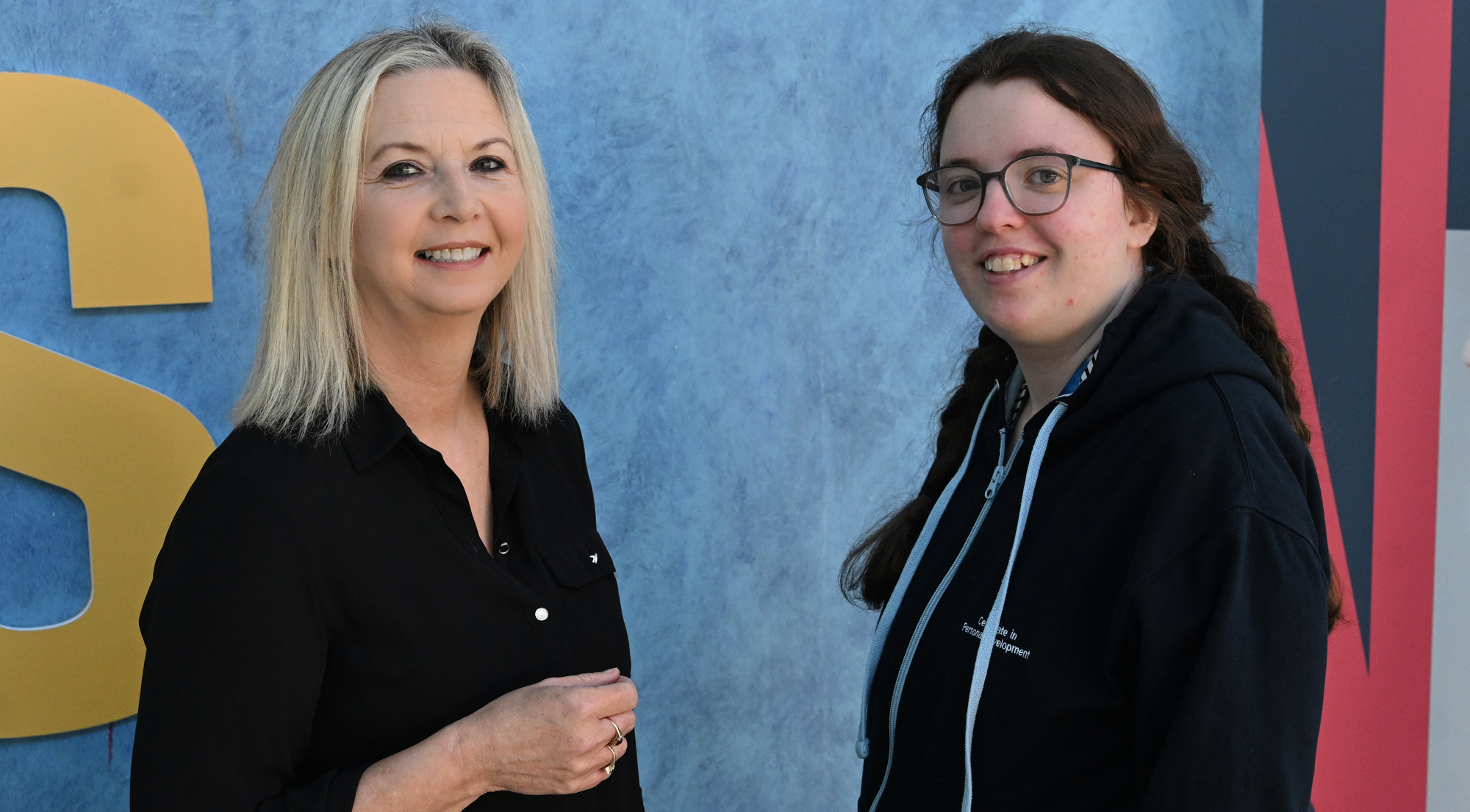
Amy Roche (left) is a graduate of a Pathway programme, with Catherine Kelly Mason, director of SETU Higher Education Pathways, at the Department of Nursing and Health Care, SETU Waterford Campus. Picture: Larry Cummins
Amy Roche (left) is a graduate of a Pathway programme, with Catherine Kelly Mason, director of SETU Higher Education Pathways, at the Department of Nursing and Health Care, SETU Waterford Campus. Picture: Larry Cummins

An image of someone with their hands clamped on their head — that’s the picture Amy Roche chose to represent who she was when she began the level 6 certificate in personal development programme at South East Technological University (SETU).

The 27-year-old New Ross woman is autistic, and sensory overload — an aspect of which is sensitivity to noise — was just one of the personal hurdles she overcame in her journey to graduate successfully from the two-year programme.

Even by the end of her first college semester at SETU’s Waterford campus, Amy chose a vastly different image to best illustrate the transformation in her feelings, comfort levels and confidence — a chicken being hatched out of its shell.

“Before starting at SETU, I was very quiet, just in my room all the time. I didn’t want to go anywhere or leave the house without my mum. I had really high anxiety. When I first heard of the programme, I thought that’s not really for me.

“My sister said, just go for it. I did, and it’s the best decision I ever made.”

The certificate in personal development, as well as a second level 6 programme offered at SETU — the certificate in applied skills development — are examples of transformative higher education initiatives specifically designed to open university doors for adults with intellectual disabilities (ID).

The SETU programmes were enabled by 2024 HEA funding that facilitated 11 institutions across Ireland to develop and pilot inclusive higher education programmes for students with ID. SETU applied for funding, and what began as a single programme serving 12 students has expanded across SETU campuses to support 34 students on an annual basis – last month saw the programmes’ first graduates.

Dr Catherine Kelly Mason, director of SETU higher education for people with intellectual disabilities, says their graduation shows that students with ID can successfully achieve recognised university qualifications and progress to further study, employment and meaningful life opportunities. “For generations, people with ID were largely excluded from higher education. The idea that they could enrol in a university programme, earn a recognised qualification, participate in student life and contribute to the wider university community was rarely considered a realistic option.”

At SETU, the programme subject range is broad — personal and academic development, communication skills, health and wellbeing, money management, culinary skills, digital technologies, art and drama and employment preparation. Students develop practical digital skills using platforms like email, PowerPoint, Canva and Moodle/ Blackboard. They learn about workplace expectations, CV preparation, interview skills and professional communication.

Kelly Mason says the programmes go beyond academic achievement.

Students are supported to build confidence, independence, communication skills, digital literacy, self-advocacy and active participation in their communities. Learning extends beyond the classroom — they present to audiences, attend conferences, participate in university events and take on leadership responsibilities within the university.

The programme is designed for and by students with ID, who have capacity to engage with and benefit from a level 6 university programme – when appropriate supports are in place. “There’s no single profile of a student. They come with a wide range of strengths, abilities and support needs. Some arrive with strong digital skills and are confident using technology – others require support with email, online learning platforms or academic tasks.

“Some may be highly independent in many areas but have never travelled independently on public transport. Others may need support to build confidence, manage anxiety, develop communication skills or become comfortable participating in a classroom environment.”

What’s important, she says, is willingness to participate in learning, engage with student life and commit to doing their best throughout the programme.

Attendance is vital. “Much of the learning takes place through class participation, practical activities and engagement in the wider university community.”

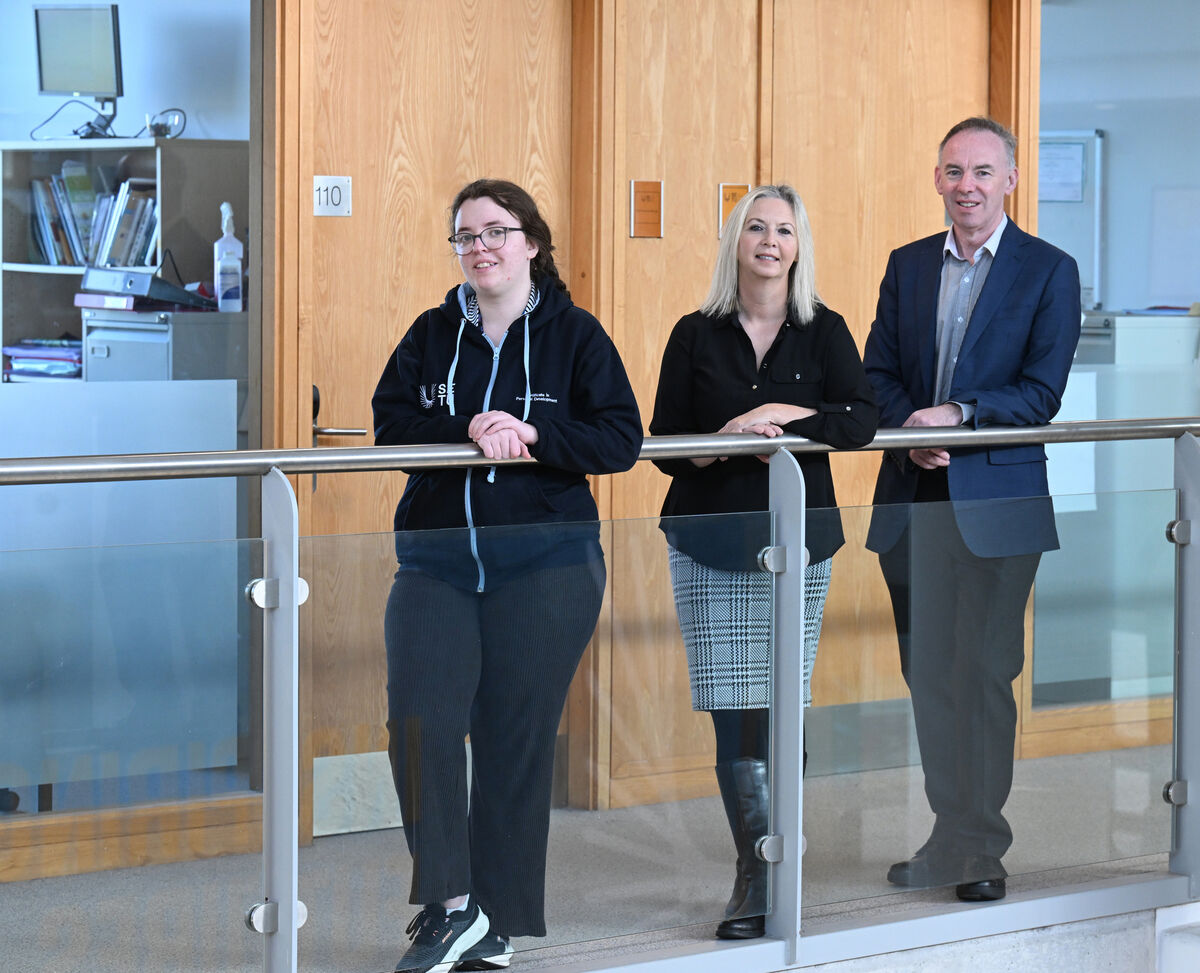
Programme graduate Amy Roche with Catherine Kelly Mason, Director of SETU Higher Education Pathways and Michael Harrison, Head of Faculty Health Sciences. Picture: Larry Cummins

The programme’s success is reflected in feedback from students and families. “One student described the experience as life-changing, not only for the educational opportunities but also the friendships, confidence and sense of belonging gained through university life,” says Kelly Mason.

SETU’s programmes won the AONTAS STAR Award for Learner Voice 2026 – recognition driven by students themselves. “As part of the awards process, students participated in interviews and presented evidence of how their voices directly influenced decision-making within the university. They demonstrated how student feedback has shaped programme development, informed supports, contributed to university committees and ensured students with ID have a meaningful voice within SETU.”

Illustrating what success looks like, five graduates — among them Amy Roche — have progressed from being programme participants to paid peer facilitator roles, supporting current students while gaining valuable leadership and employment experience within the university. Some students have gone on an Erasmus exchange visit to Salzburg; others presented at a conference in Brussels on cancer prevention for people with ID.

“Students, initially lacking confidence in public speaking, now regularly share their experiences at national conferences and events. Several have been elected as class representatives, completed students’ union training and actively represented classmates’ views within formal university structures.

“For some, success has been measured through increased independence. A number who initially required significant support with travelling to university [progressed] onto travelling independently between campuses and using public transport confidently. This independence has enabled them to expand their social networks, meet friends independently and participate more fully in community life,” says Kelly Mason, adding that success is seen too in employment outcomes, with approximately 70% of students progressing onto paid employment.

Roche recalls starting her SETU programme and being made feel so welcome by staff. “If I had any issue, I could let them know and they’d try to fix it. For example, I was very sensitive to noise and the class could be very loud sometimes. So they put together a ‘silent clap’ for when they wanted to celebrate achievement – within a few months, I didn’t need it to be silent anymore.

“Also, I needed to take breaks a lot, which was accommodated. After a while, I didn’t need to do it – I felt safe.”

For Roche, “confidence is the big thing” gained. She loves her job as a peer facilitator. “I help first years who’re going through what I did. If they’re struggling, I’m the bridge between that and their learning. I definitely see myself, as I was, in them. I say to them, ‘I didn’t want to do such-and-such, but I just tried hard things, and look at me now’.”

More in this section

Lifestyle

Newsletter

Eat better, live well and stay inspired with the Irish Examiner’s food, health, entertainment, travel and lifestyle coverage. Delivered to your inbox every Friday morning.

Cookie Policy Privacy Policy Brand Safety FAQ Help Contact Us Terms and Conditions

© Examiner Echo Group Limited