Feel the fear and reap the benefits — Why horror keeps us fascinated 
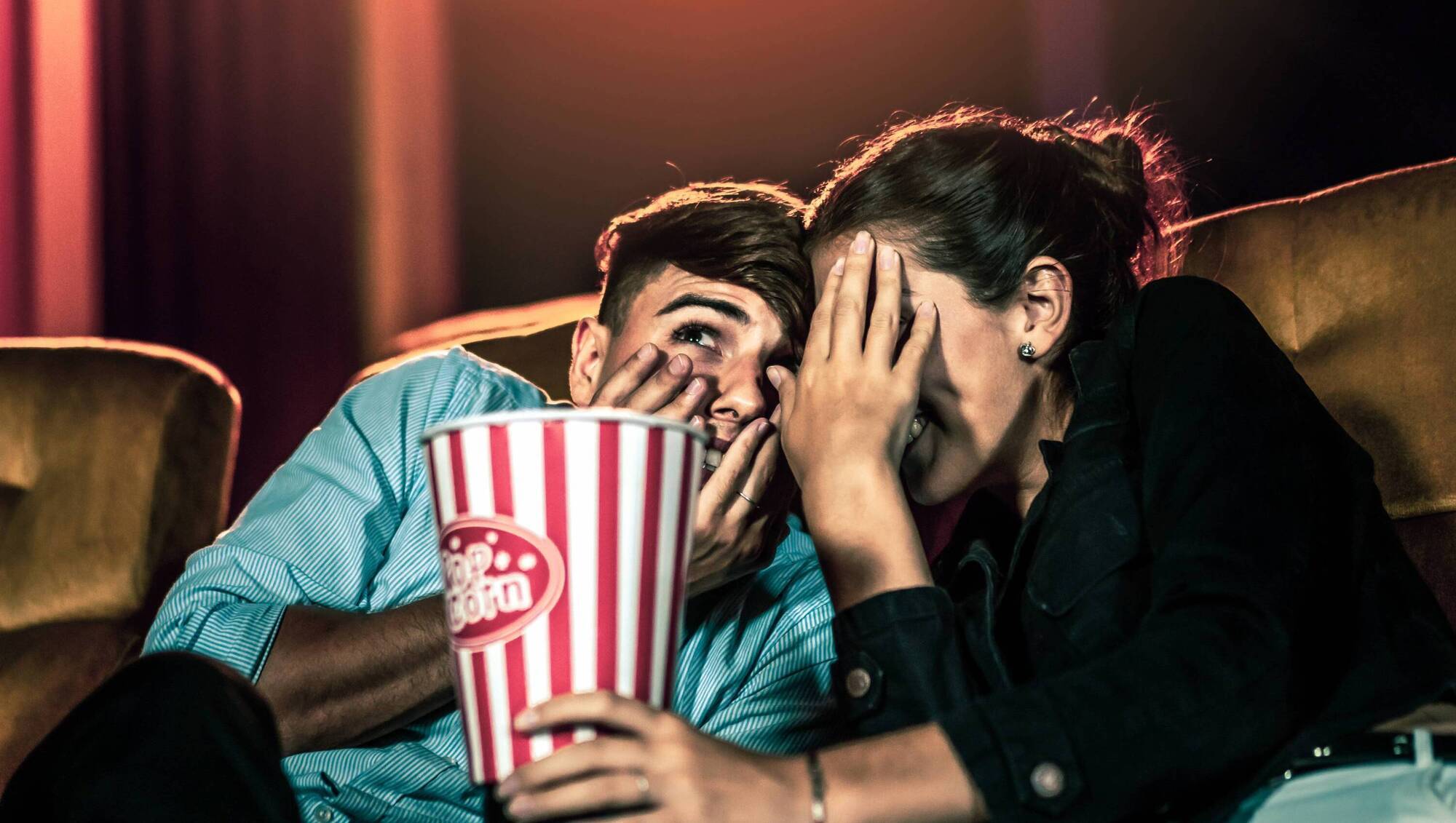
Our fight-or-flight instincts are designed to protect us from harm, yet many of us are magnetically drawn to horror films, haunted attractions, and scary books
With spooky movies across all our channels this week, we look at the science behind the fascination. Picture: iStock

With spooky movies across all our channels this week, we look at the science behind the fascination. Picture: iStock

The nights are closing in, and the ghosts and ghouls of Halloween will emerge from their underworld to scare the wits out of us tomorrow. Many of these demons will find their way to our television screens, forcing us to squirm behind our cushions and hide under blankets. Some will change the channel, but others just can’t look away. Of all the fictional genres out there, horror is perhaps the most divisive. You either love it or hate it.

While there’s no accounting for taste, some say that horror is, in fact, good for us.

Máiréad Casey, a lecturer in film and television studies at the University of Galway, has always been fascinated by what she calls “the gothic and the spooky”.

“I watched The Exorcist when I was about 12 or 13,” she recalls. “So I was about the same age as the girl in it. A friend and I watched it during the day, and even though I don’t think I slept the rest of the summer with the lights out, I look back on it now as a fond bonding experience.

“I think there’s something to watching films in a group, particularly horror films. There’s a sense of connection and being through something together.”

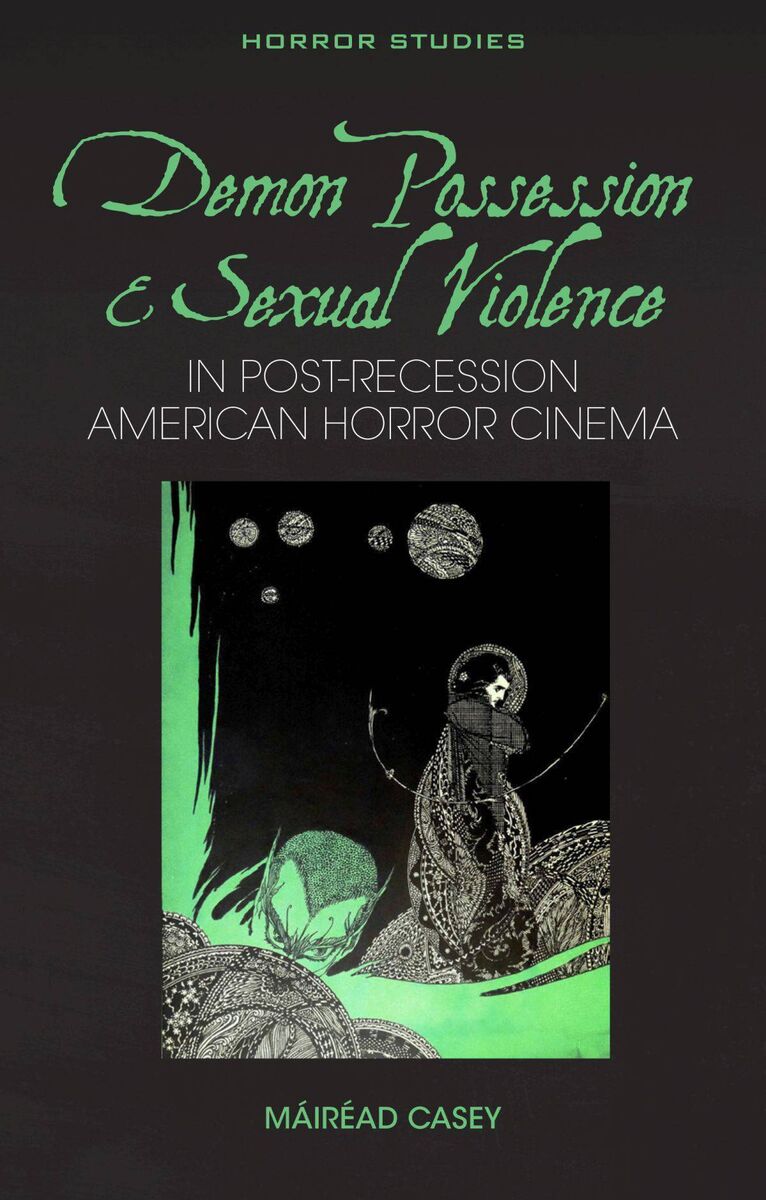
Casey has turned her fascination into an area of expertise. Her PhD research and subsequent book examine American horror cinema. She believes horror can be reassuring.

“In some cases, you get to confront something you’re afraid of and also see a narrative where something terrifying is often overcome,” she says, “I think it can build resilience. When we sit down to engage with horror, we’re ready to think about what bad things will happen, but it’s in a safe space, and you’re allowed to spiral or tailspin into your anxiety and then allowed to come out on the other side.”

Dr Máiréad Casey of the University of Galway thinks horror can be reassuring.

Horror movies share cultural links with their ancient relatives, fairy tales, which were traditionally read aloud in groups around fires and were made up as morality plays to warn children of the dangers of the dark and prepare them for the forces of evil, whether real, imagined, or somewhere in between. Modern science suggests that ancient storytellers were onto something.

Researchers in a study published in 2021 wondered if exposure to frightening fiction allows audiences to practice effective coping strategies that can be beneficial in real-world situations. The researchers used the covid crisis to explore whether past and current engagement with horror and pandemic films was associated with greater preparedness and psychological resilience. They found that horror fans were more likely to cope during the pandemic.

Cathartic effects of horror

If the whole purpose of horror, whether through the screen, literature, or more recently video games, is to entertain us by heightening our anxiety only for us to be released from it again, then how can it be good for us? Surely this rollercoaster does us more harm than good.

Lorena Arnal is a cognitive psychologist and co-founder of the Research on People and Games Lab at the University of Limerick. Over the past two years, she has conducted studies with master’s students on horror video games and their effects on anxiety. Her current research examines post-experience euphoria and horror’s potential cathartic effect.

“Some studies suggest that, under certain conditions, horror can increase positive mood after initially heightening anxiety,” says Arnal. “One theory is that people may experience relief when individual or collective fear, when watching a movie, for example, is finally released.

“Think of horror as being like a gym workout or a simulator of fear. It is enjoyable because it allows us to practice emotional regulation, fear control and coping strategies to face fear in a controlled environment. It may even help us understand our own emotional reactions and develop confidence in our ability to cope with stressful situations.”

The exercise analogy doesn’t stop there. According to Arnal, some researchers believe our sympathetic nervous system deals with horror in a similar way it does with exercise, with increased heart rate and breathing rate, sweat and cortisol release. “If this is true,” says Arnal, “the pleasant sensations we experience after exercise may also follow the end of a horror-themed movie or book. Hypothetically, this would make them a useful form of fear regulation and anxiety management.”

Low-cost exposure therapy

In his research paper Scaring Away Anxiety, high-profile author and psychologist Coltan Scrivner suggests engaging with horror media may mirror principles used in psychological exposure therapy and could act as a low-cost version of the approach.

Arkansas-based Scrivner explains that certain aspects of horror media may reduce anxiety in the moment by distracting people from their worries, giving them a sense of control, and helping them regulate their physical responses.
He suggests that repeated exposure to frightening content may also have longer-term psychological benefits, such as helping people better understand their emotions, question how their feelings influence their thoughts and become more comfortable with the physical sensations linked to fear.

While it definitely won’t be the kind of therapy I will be signing up for anytime soon, interested readers should keep an eye out for any developments in this burgeoning ‘Spookotherapy’.

“There are certain parallels indeed, but I believe this is an area we should approach cautiously,” says Arnal. “The evidence on horror media as therapeutic tools remains limited and mixed. It is possible that completing a frightening experience could give some individuals a sense of confidence or mastery. Horror may eventually complement established therapeutic processes by, for example, building the confidence required to start an exposure therapy for a specific phobia, but this remains a hypothesis.”

Nevertheless, Arnal says that horror media’s potential role in therapeutic environments is something we can look at with hope.

“We need further research in a novel field like this one,” she says. “But that doesn’t detract from the growing body of research that suggests recreational horror may offer psychological benefits and be good for us.”

Demon possession and sexual violence in post-great recession American horror cinema by Máiréad Casey

More in this section

Lifestyle

Newsletter

Eat better, live well and stay inspired with the Irish Examiner’s food, health, entertainment, travel and lifestyle coverage. Delivered to your inbox every Friday morning.

Cookie Policy Privacy Policy Brand Safety FAQ Help Contact Us Terms and Conditions

© Examiner Echo Group Limited