Dense breasts increase risk of missed cancers: 'My breasts masked a slow-growing tumour'
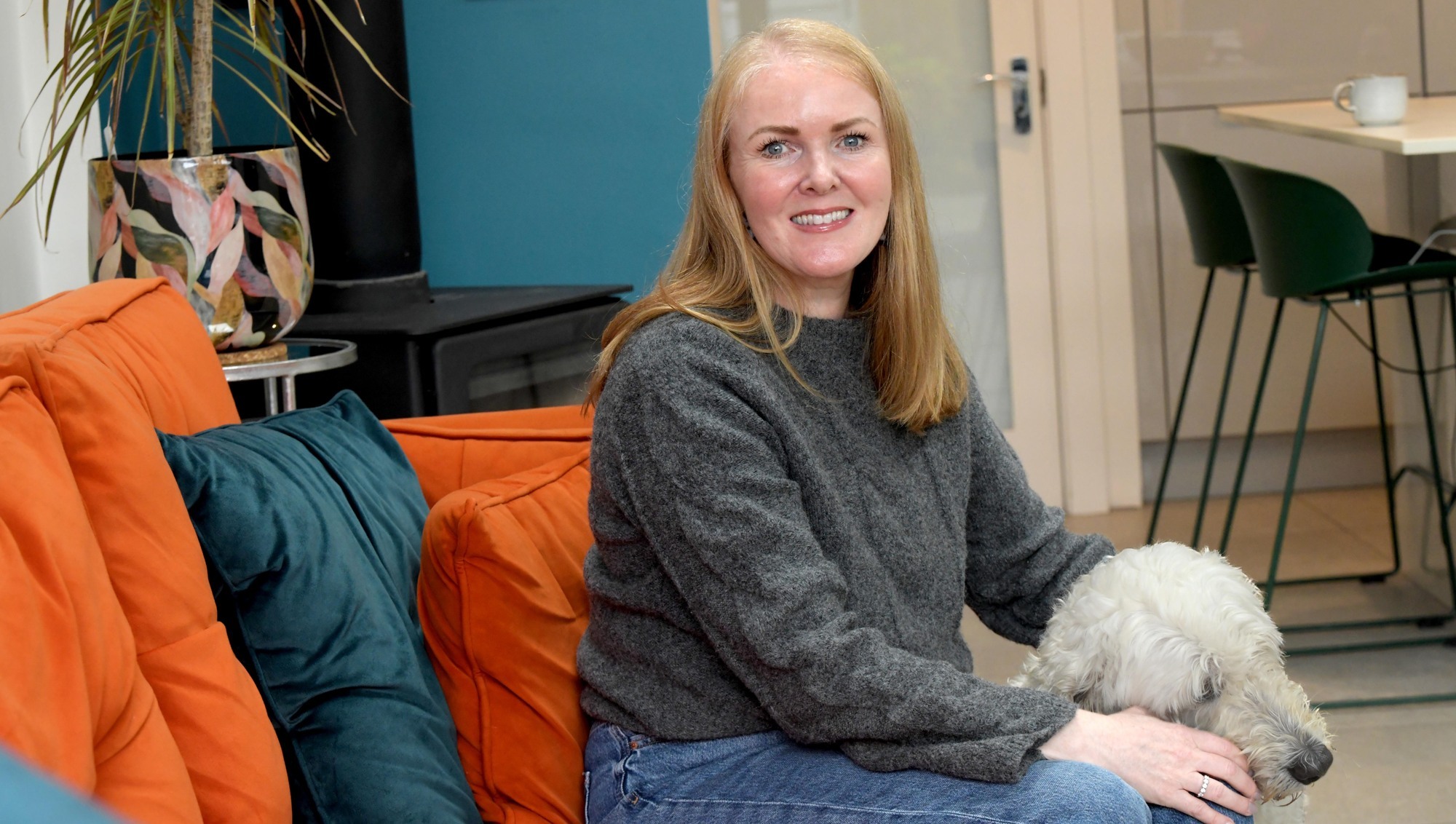
Women with dense breast tissue can benefit from additional screening, which may detect tumours not visible on mammograms
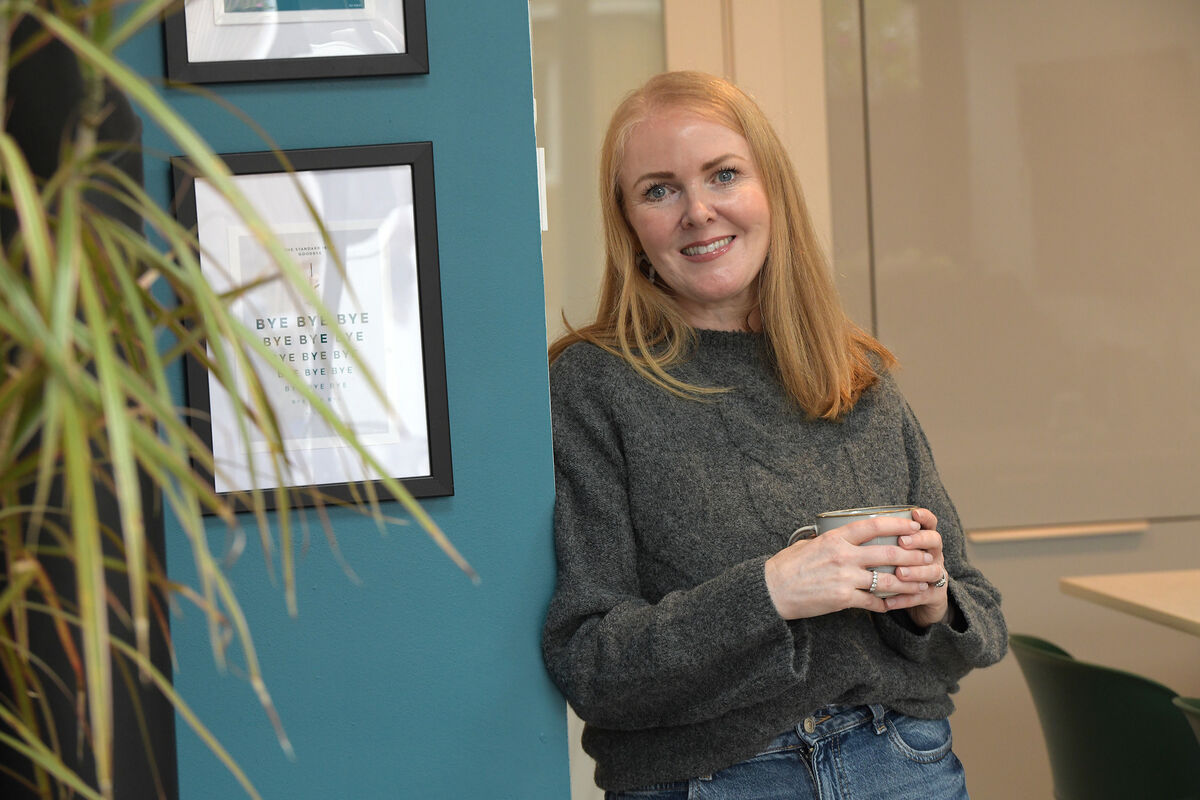
 Evan Holton who is recovering from breast cancer, was diagnosed in June of this year following an ultra-sound examination. of her breasts. Picture: Moya Nolan

Evan Holton who is recovering from breast cancer, was diagnosed in June of this year following an ultra-sound examination. of her breasts. Picture: Moya Nolan

Dense breasts are relatively normal and common. Around 43% of women who have mammograms in Ireland have dense breasts. Breast density decreases with age.

Having dense breasts is one of several factors considered when assessing breast health and can make breast cancers more difficult to detect on a mammogram, according to the HSE website.

A woman with dense breasts will have more fibrous and glandular tissue (milk glands, ducts, and connective tissue) and less fatty tissue in her breasts, explains Professor Zoe Winters, a senior consultant oncoplastic breast cancer surgeon and breast specialist based in London.

“If a woman’s fibroglandular breast tissues are predominantly composed of breast milk ducts (which appear white on a mammogram) with little fatty composition within connective tissue (which appears black on a mammogram), the assessment is dense breast tissues, which is the ratio of white to black.

Winters explains that having dense breasts may result in a higher probability of a breast cancer remaining undetected for a longer time because of how difficult it can be for consultant radiologists to detect a cancer, which appears white, against a predominantly white background of breast milk duct tissue.

“This can mean that women with dense breasts may present with breast cancer at a later clinical stage, or their cancer may be detected as an interval cancer in between their breast screening rounds. Both scenarios result in poorer clinical outcomes due to later detection and bigger cancer sizes,” says Winters.

According to a 2022 study, as many as 50% of cancers are missed on mammograms of women with extremely dense breasts. Having dense breasts can also mean your risk of getting breast cancer increases, says Winters.
“The risk increases by 1.5 times for those with heterogeneously dense breasts [where a radiologist sees a mix of shades and densities] and by two to four times for those with extremely dense breasts.

In breast services for women experiencing symptoms, the HSE explains that clinicians take breast density into account, alongside symptoms, clinical examination and imaging findings, when deciding what tests or investigations may be needed.

“Density in itself is not automatically a reason for further imaging or tests, and it is not considered automatically as part of a population breast screening programme, which is delivered to women in an age range where density is less common and where decisions must be based on evidence of benefit and harm across an entire population,” according to the HSE.

However, dense breasts can only be detected by a mammogram, says Winters. This means you can’t feel whether your breasts are dense. It’s not the same as having lumpy breasts, and it has nothing to do with the size, shape or appearance of your breasts.

Tumours masked

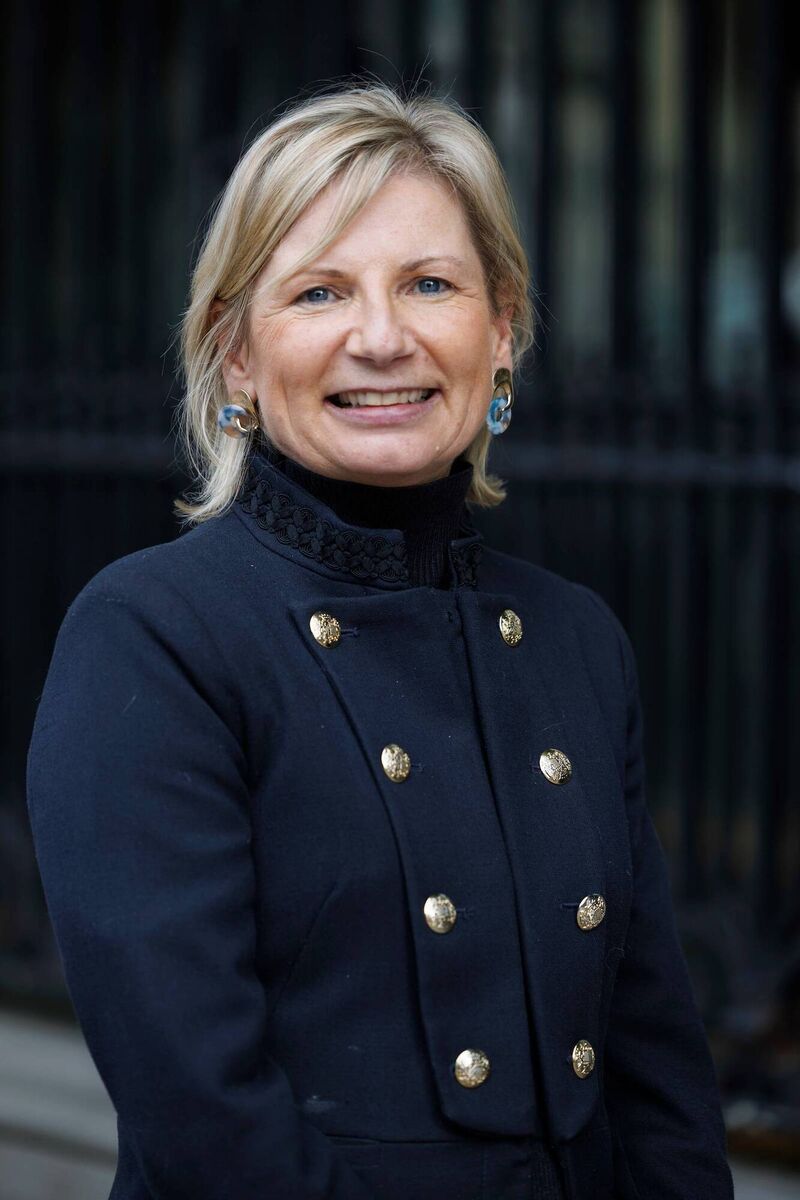
Siobhán Freeney, from Gorey in Co Wexford, is a patient educator and founder of BeingDense.com, a campaign to petition the Government to introduce breast density reporting in all mammograms. She was diagnosed with breast cancer in November 2015, aged 55, despite getting a clear mammogram a few months previously.

Her cancer was discovered after she noticed a “slight pull” on her right nipple and visited her GP to have it checked out. She was referred for a triple assessment — a mammogram, an ultrasound, and a biopsy. The biopsy revealed she had stage 3 lobular cancer in her right breast.

In Freeney’s case, her dense breasts were in effect “masking” the 7cm tumour on her right breast. Her tumour was “slow growing”, and her consultant suggested it could have been there for seven or eight years, meaning it was highly likely it was there during her earlier “all-clear mammogram”.

For Evan Holton, aged 51 from Dublin, her mother’s breast cancer scare — she had a radial scar (or benign breast lesion) which can be associated with an increased risk of developing cancer — meant she took a proactive approach to mammograms. She started getting mammograms privately when she was 45 — the official screening age starts at 50.

 Evan Holton who is recovering from breast cancer, was diagnosed in June of this year following an ultra-sound examination. of her breasts. Ms Holton who is categorised clinically as having dense breasts requested that her GP to send her for an ultra-sound examination following a mammogram deemed to be normal. Picture: Moya Nolan
Evan Holton who is recovering from breast cancer, was diagnosed in June of this year following an ultra-sound examination. of her breasts. Ms Holton who is categorised clinically as having dense breasts requested that her GP to send her for an ultra-sound examination following a mammogram deemed to be normal. Picture: Moya Nolan

After one of these mammograms in St Vincent’s Private Hospital, she was asked to come back six months later. During that follow-up mammogram, the radiologist said: “Your breasts are really dense.”

“I didn’t know what that meant at the time, but the way she said it, I felt worried. So, I went off and did a bit of research and learned that if you have dense breasts, cancer can be more difficult to see on a mammogram.”

Through her research, Holton discovered that if she had dense breasts, additional screening such as ultrasound could help identify any issues that a mammogram might miss.

Although she had no symptoms, in April 2026, while at her GP clinic, she asked if he could refer her for a breast ultrasound. “He told me he couldn’t refer me if there was nothing wrong with me. But I told him I had dense breasts and needed extra screening. He wrote me a referral letter to St Vincent’s Private Hospital.”

In June, the mother of three presented for her ultrasound. “The sonographer noticed something she said she didn’t like the look of and put it forward for biopsy. That biopsy came back positive for a 10-millimetre invasive lobular cancer in my right breast.”

A separate MRI revealed another, non-invasive tumour in the same breast, and a radial scar in her left breast.

When we speak, Holton is recovering from surgery to remove the affected areas. Though still sore, she says she is feeling better, and she feels lucky to “still have my breast”.

She gets emotional when she recalls being told she had cancer. “I didn’t have any symptoms. I was just being cautious because I knew I had dense breasts. But the morning I was told I had cancer, I remember thinking, ‘Is this the last morning that my world will be normal?’.”

The what-ifs continue to trouble Holton. “I wouldn’t have known I had cancer if I hadn’t known about having dense breasts, and that’s terrifying. While I’m so relieved that that’s been the case for me, I’m worried about women who don’t know their breasts are dense or what that can mean.”

Raising awareness

This awareness is driving Holton, and for the past few months, she has been speaking publicly, including an appearance on RTÉ Radio 1’s Liveline about her experience. “I run a stage school, and I knew that I’d be missing my first weekend back due to treatment, so I emailed my 600 or so parents — and a significant majority of the emails came back from the mothers who said they never knew about dense breasts.

“That’s why I’ve spoken publicly and joined with Siobhán [Freeney] for the BeingDense campaign — women should be given the information and the chance to decide what screening they need.”

Freeney, now 65, who had to undergo a bilateral mastectomy, followed by chemotherapy, radiotherapy, and years of hormone treatment, has been campaigning for women to be made aware of their breast density since 2016.

In 2021, the BeingDense group made a public submission to the National Screening Advisory Committee (NASC) calling for breast density reporting by BreastCheck.

Hiqa told Liveline in September 2026 that it would be the end of 2027 before its review would be finalised and a preliminary report would be available.

ACCORDING to a spokesperson from the Department of Health: “The review comprises two elements with three distinct components; the proposed extension of the BreastCheck age range eligibility to those aged 45-49 and 70-74, and the potential introduction of a standardised breast density notification.

While Freeney says she understands that assessments take time and need to be rigorous, she stresses that “more can be done” in the short term. She wants the health minister to put an interim protocol in place, so women get their density information during the review process.

The Marie Keating Foundation welcomes the fact that Hiqa is currently looking at how breast density could be incorporated into BreastCheck’s screening pathway.

“Women should have clear, accessible, and evidence-based information about their breast health and we look forward to the findings of the assessment and greater clarity on the timeline for its completion,” says Liz Yeates, CEO of the Marie Keating Foundation.

Liz Yates, CEO of the Marie Keating Foundation

To that end, women and their families from across Ireland, along with members of Lobular Breast Cancer Ireland, held a briefing session with TDs and senators in Leinster House on October 13 to discuss the issue of breast density and screening.

Freeney says: “The difference in knowing your breast density could be the difference between having a lumpectomy and having a mastectomy, or between stage one, the earliest stage of breast cancer, and stage four, which is incurable.”

More in this section

Lifestyle

Newsletter

Eat better, live well and stay inspired with the Irish Examiner’s food, health, entertainment, travel and lifestyle coverage. Delivered to your inbox every Friday morning.

Cookie Policy Privacy Policy Brand Safety FAQ Help Contact Us Terms and Conditions

© Examiner Echo Group Limited