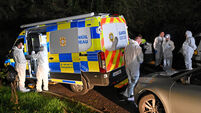
Tuam mother and baby home: 80-year-old hopes her DNA will identify her niece's remains
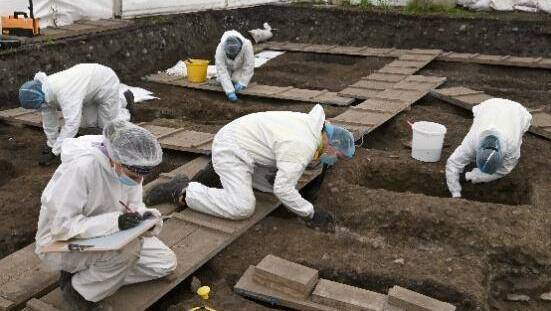
The excavation at the Tuam mother & baby institution is being followed up by a mission to identify babies buried there by matching DNA to relatives who come forward. File picture: ODAIT
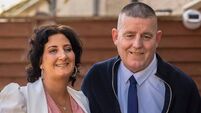
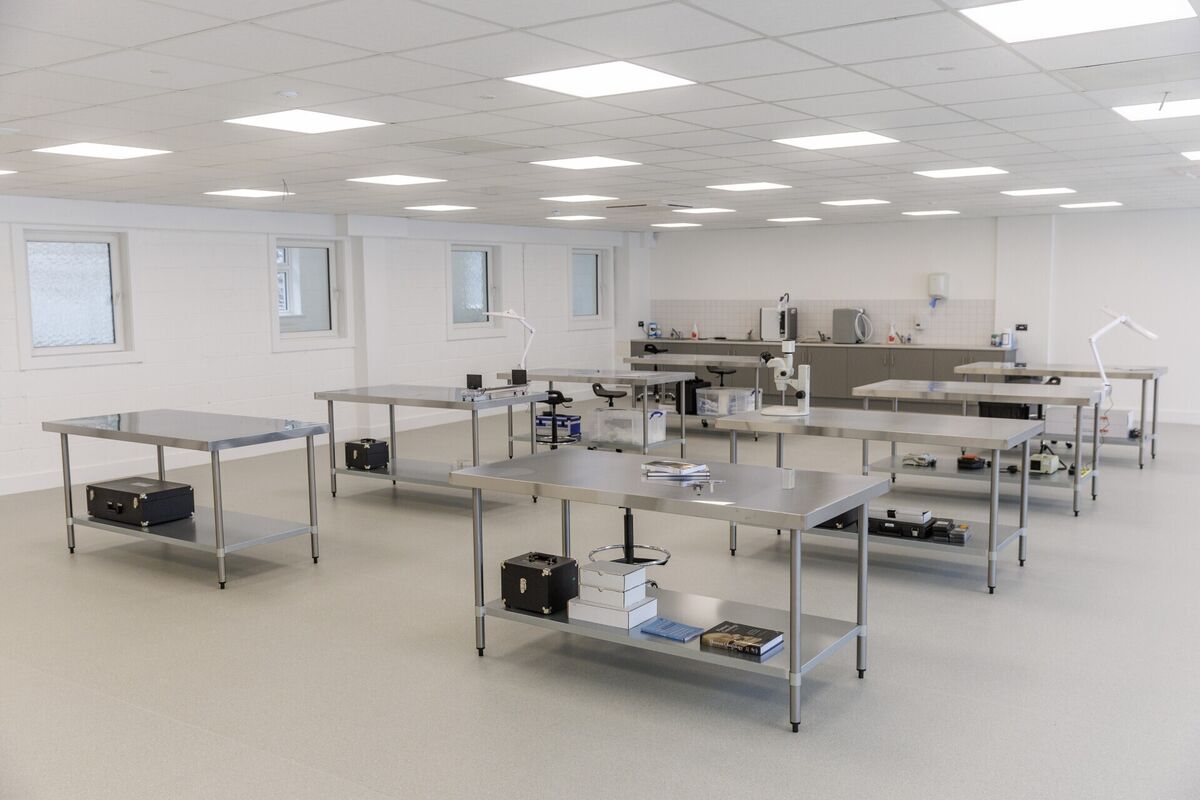
Mary took a deep breath before stepping inside a new forensic and mortuary facility in Galway.
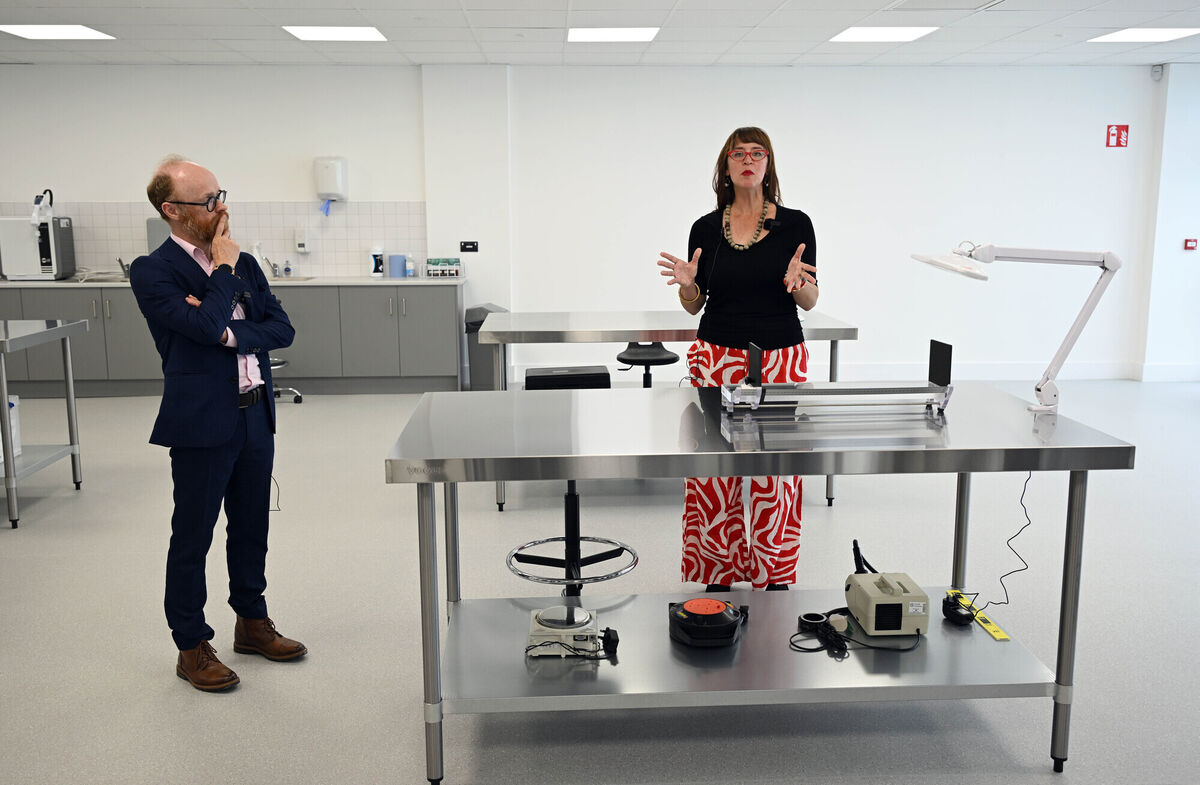
It is in this large, white, state-of-the-art building where her six-month-old niece’s remains will be examined and cared for — if she is recovered from a mass grave less than 2km from the mortuary.
Mary travelled from West Yorkshire in the UK to the west of Ireland recently for one reason: To give a DNA sample in the hope that, one day, scientists may be able to tell her what happened to the baby girl born to her sister more than 70 years ago.
An appeal by the 'Office of the Director of Authorised Intervention, Tuam' (ODAIT) had made it across the water to her home in the UK, where she was overcome with memories of her late sister and her baby, both now gone, buried in secret with all their trauma.
Inside the newly-opened forensic facility and mortuary, Mary, who is now 80 years old, was silent and nervous. At times it became too much for her, and the tears flowed.
The new building opened this year in Toghermore, so that the remains of the children being recovered from Ireland’s first-ever mass excavation in Tuam can be examined and given back their life story.
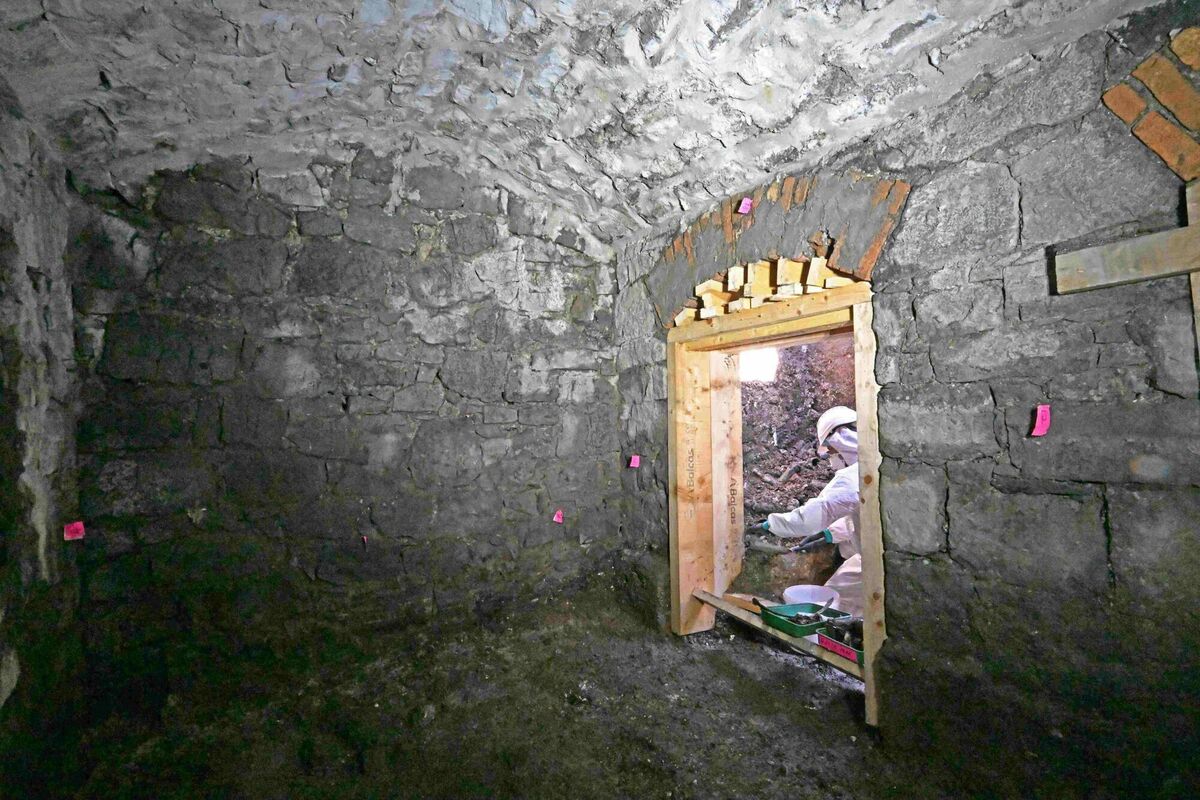
Up to 796 are believed to be buried on the grounds of the former mother and baby home.
The latest figures show that the remains of 109 babies have been recovered so far since the works got underway in July 2025.
Mary looked around the room as she struggled to take it all in, a family secret kept hidden for decades, but never forgotten.
Before she dies, she wants the truth about her sister’s story and her missing niece to be given to her, because she is exhausted from carrying the sadness and weight of that mountain of suffering.
“I’m crying all the time,” she said, sitting in the family room with her friend.
She is met by the team from the Office of the Director of Authorised Intervention, Tuam (ODAIT).
“The thought of what those women and children went through,” Mary continued.
“But also what those people are doing now to help. They’re giving those children the dignity they never had.
‘Those people’ are the forensic and identification teams now working on one of the most significant archaeological and forensic operations ever undertaken in Ireland.
The excavations have recovered the remains of 109 babies, but none have been identified yet.
Behind every set of remains is a child. And behind many of those children are families who have spent decades not knowing where their relatives were buried.
For Mary, one of those children may be her niece.
Read More
Her story begins in Co Mayo in the 1950s.
Mary was the youngest of six children. Her sister Veronica was five years older.
“I don’t think Veronica ever went to school because there were no school photos of her,” Mary said.
In 1954, when Mary was 12, Veronica disappeared from the family home with no explanation. Months later, Mary remembers a neighbour arriving with a newborn baby.
She did not know then that the baby was her sister’s daughter.
“I think my father’s exact words were, ‘Get that bastard off my land’.”
Veronica had become pregnant after being raped on her way home from church.
When her pregnancy became apparent, her family brought her to a doctor, and she was subsequently taken to the local psychiatric hospital, better known then as “the mental hospital”, where she would remain for the rest of her life.
Her baby daughter was sent to the Bon Secours Mother and Baby Institution in Tuam.
Mary’s mother visited Veronica every week in hospital but, like so many women in Veronica’s situation, there was no garda investigation, and no arrests.
It was all hushed and brushed under the carpet.
“Mammy would always take her something sweet — a cake or some biscuits,” Mary remembers.
Mary eventually moved to the UK, but when she was home on visits, she would sometimes accompany her to see her sister. But nobody in the family knew what had happened to Veronica’s baby.
Mary assumed the little girl had been adopted.
“I’d seen things on the news about the nuns sending babies over to America,” she said.
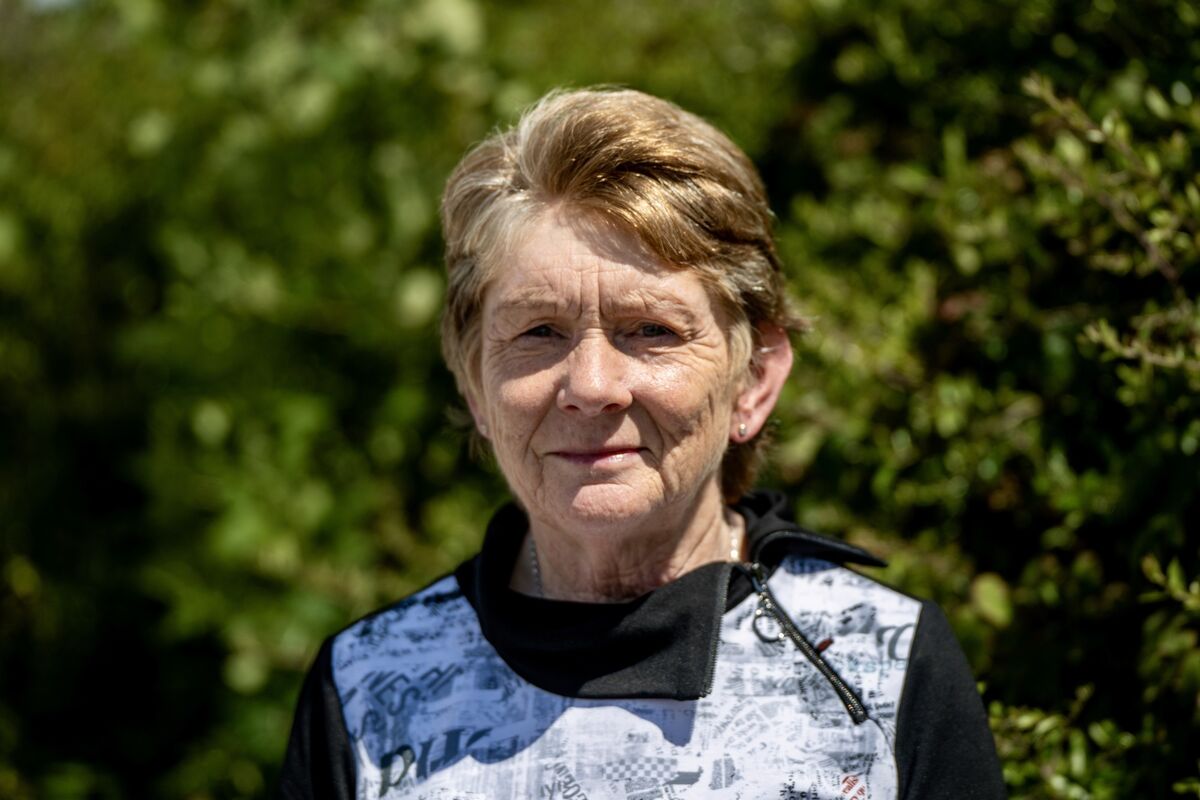
Then Catherine Corless’s painstaking research into the Tuam institution in 2014 began to receive national attention.
A relative found a newspaper article listing the names and ages of children who had died at the institution.
One of the names was a little girl with Mary’s family surname, born in 1954.
“I couldn’t believe it when the child’s name was there,” Mary recalled. “It said she’d died at six months old.”
The discovery changed everything. After more than 60 years of not knowing, Mary now had a name and a date of death.
What she did not have was a grave.
Research by historian Catherine Corless established that death records existed for 796 babies and young children who died at the institution between 1925 and 1961, without corresponding burial records.
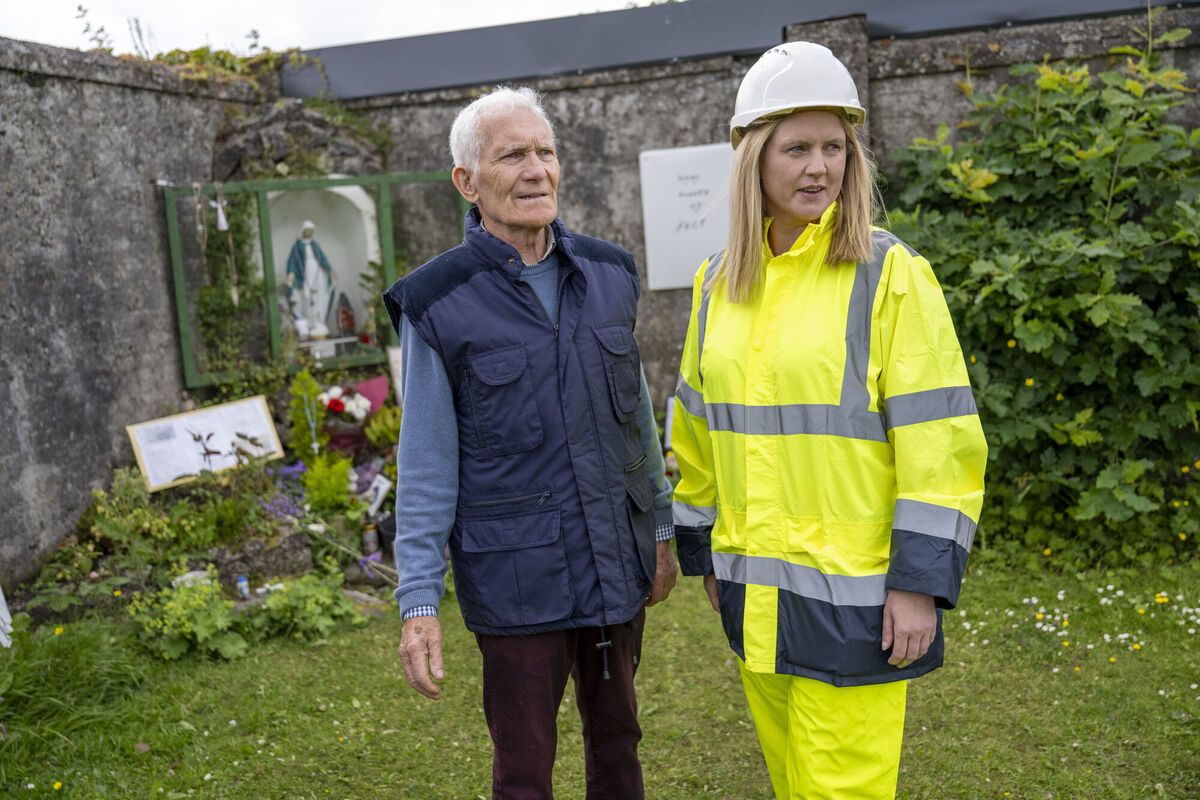
For 12 years, Catherine and her family, as well as advocates, Anna Corrigan, Annette McKay, Thomas Garvan, and Peter Mulryan, began advocating to find the missing children.
Eventually, legislation was passed in the Oireachtas to allow for the full forensic investigation.
There is another campaign underway also — to find relatives to provide DNA samples to help identify the children.
Mary came to Tuam to do her part.
She was supported on the journey from West Yorkshire by Fréa Renewing Roots, a UK-based organisation which provides advice and advocacy to people affected by institutional incarceration and abuse in the north of England.
A specialist case worker accompanied her, as poor health and limited mobility would otherwise have made the journey difficult.
The specialist team in Tuam could have travelled to Britain to take Mary’s sample, but she wanted to visit the site.
“Going there felt like the right thing to do,” she said.
She described the forensic operation as “deeply moving”.
“I hope God blesses each and every one of them,” she said.
“But they need more people to come forward to give the DNA samples, and I think a lot of people are holding back because they don’t know what’s involved or they’re worried their family will find out.”
For those who are eligible, the process itself is simple.
A DNA reference sample is taken using a soft swab from inside the mouth.
ODAIT director Daniel MacSweeney said the team wants to make the process as straightforward as possible for families.
“We want to make it as easy as possible,” he said.
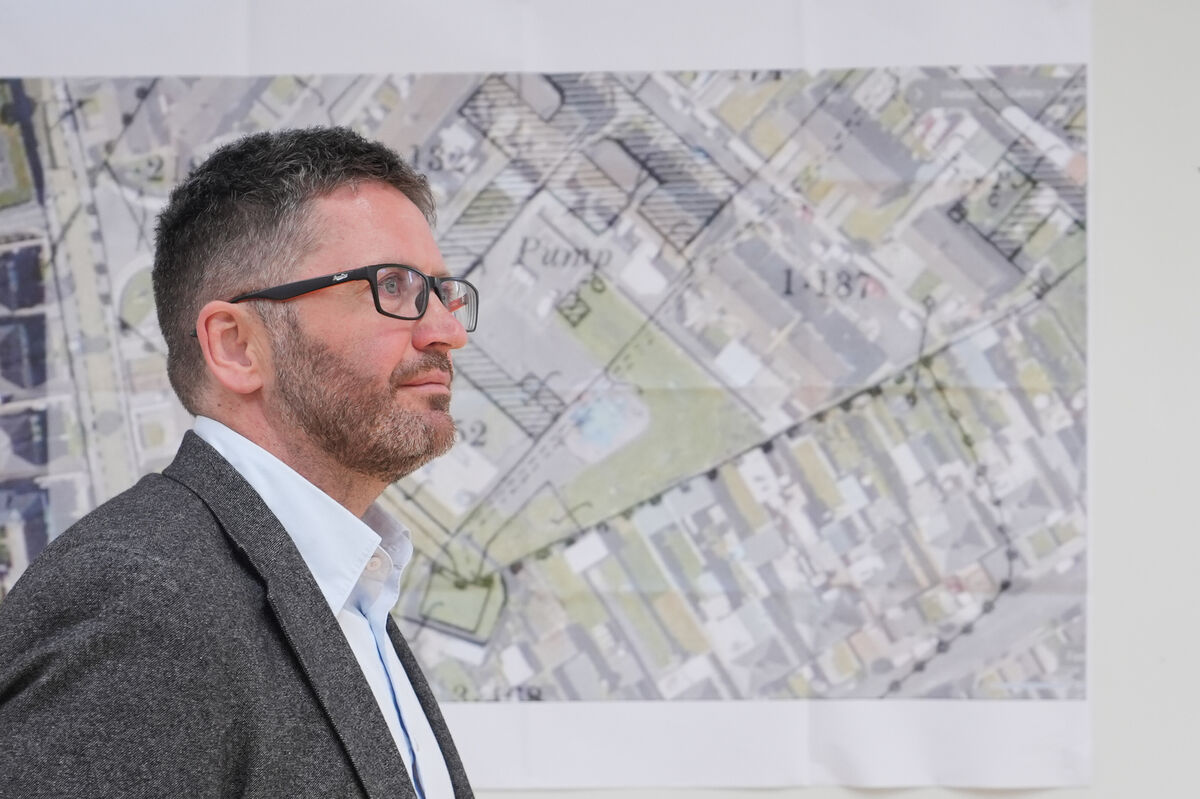
“If there’s a reasonable belief that you have relatives buried at the Tuam site and you’re an eligible relative as defined by the relevant legislation — so a parent, grandparent, sibling or half-sibling, aunt, uncle, niece or nephew, or half-niece or nephew, grandchild, grandniece, or grandnephew — we can help you locate the relevant documentation so that you can give a DNA sample.”
The list of eligible relatives is also expected to be expanded to include first cousins.
“We’ll travel to you,” MacSweeney added.
Samples have already been collected from people in Britain, Canada, and the US while the ODAIT team has said further trips abroad will take place as more potential relatives come forward.
In its latest update, the office said 74 DNA reference samples had been collected and delivered to Forensic Science Ireland. A public information campaign is due to begin next month.
Read More
For Mary, however, the science is only part of the story.
She is there because her sister Veronica is no longer alive to search for her daughter herself.
Veronica died in 1999, having spent most of her life in institutional care.
Mary remembers her as a gentle, child-like woman.
“She used to get so excited if you gave her a sweet,” she said. There was one thing Veronica said about her baby. It happened when a cousin visited her.
“She said, ‘I just want to tell you, I’m ashamed. I had a baby.’”
Mary paused, then broke down.
“There wasn’t a bad bone in that woman’s body,” she said.
“She carries no shame. The shame belongs to the people who treated her and her baby the way they did.”
It is a distinction Mary is determined to make.
For decades, the shame surrounding pregnancy outside marriage was imposed on women like Veronica. Their children were taken from them. Their stories were hidden.
Now, Mary wants to give her niece something that was denied to her in life: recognition.
“I pray that they will find a match,” she said.
“That my niece gets the dignity she deserves. That’s all I can hope for.”
And, ultimately, that hope is very simple.
“If I can, before I die, I want to cremate those little bones and put them on her mother’s grave,” she said.
Read More

CONNECT WITH US TODAY



Be the first to know the latest news and updates