Sarah Harte: Here's to all the brave, dedicated, people who fought against institutional wrongdoing
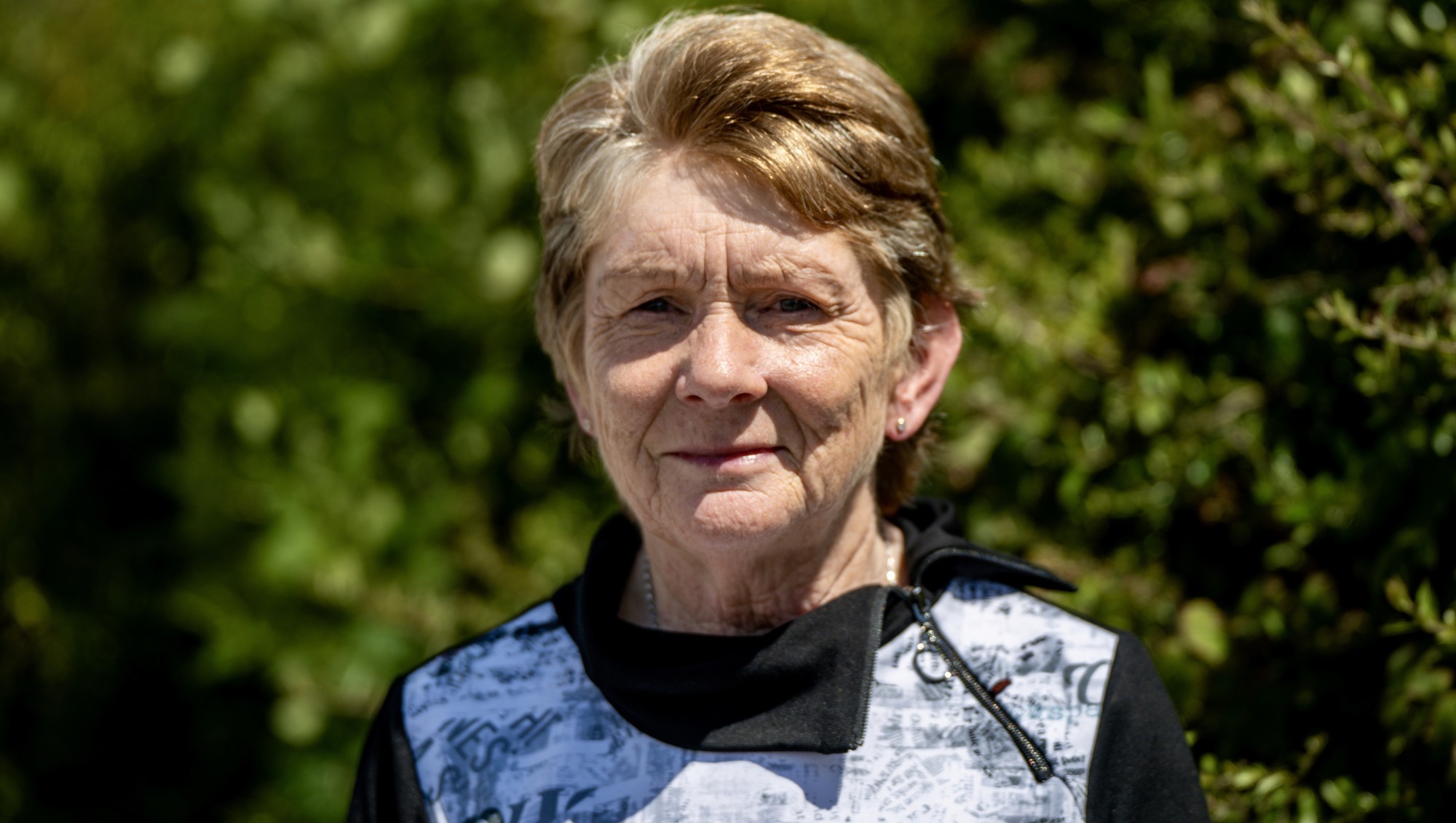
Catherine Corless highlighted a grievous wrong the State and the Church perpetrated over decades. Picture: Chani Anderson

Ten more sets of infant remains have just been found at the site of the mother and baby home in Tuam. This brings the total number of infant remains found to 109.
The home closed in 1961 but you can’t help but wonder if the past ever truly goes away — even if Ireland has changed since the world depicted in the Tuam story.
In the new script, Ireland is a caring, compassionate place where vulnerable people are no longer treated appallingly by the State.
The Roman Catholic Church has been neutered here as a force that shapes the citizenry’s life, but has that institutional State darkness gone away? Why do ordinary people still feel they have to challenge the State? And why do they so often have to fight so hard to be believed?
Catherine Corless highlighted a grievous wrong the State and the Church perpetrated over decades.
An ordinary woman doing some local history, she kept digging, kept pushing closed doors, kept asking questions when the answers were deeply uncomfortable.
The film about it, The Lost Babies of Tuam, is playing in cinemas right now. It’s not an easy watch. A woman in the seat behind me cried. I had a lump in my throat myself and felt dazed when I emerged into the dusky Bantry night.
It was a particularly powerful reminder of how the Irish State lets down its more vulnerable citizens in myriads of ways. About 9,000 children died in mother and baby homes. Some 796 babies who died in Tuam were buried in a disused septic tank.
All were born, as one character says in the film, "on the wrong side of the blanket". That was their crime. Some old, haunting photos show the children’s little, peaky, unhappy faces in those homes.
Home babies, or, in some cases, "wet-the-beds", were the colloquial names given to the children in the Tuam institution.
Corless brought a public reckoning that led to the establishment of a Commission of Investigation into Mother and Baby Homes. Her work eventually forced the Bon Secours Sisters and the State to apologise publicly in 2021.
The good sisters had the apology dragged from them. They did everything they could to thwart Corless when she started her own investigation. Her tenacity, painstaking research, and sheer determination stand out.
At a graduation at UCD in September 2019, I had the privilege of hearing her speak when she was granted an honorary doctorate of literature.
She isn’t what you would call a natural public speaker, but what she has to say stops you in your tracks. She was still agitating for exhumations, DNA identification of the Tuam babies, and the dignity of reburial in marked graves.
She has spent years helping survivors of mother and baby homes try to find their relatives. What makes some people keep going when an institution has more money, more lawyers, more information and more power than they do?
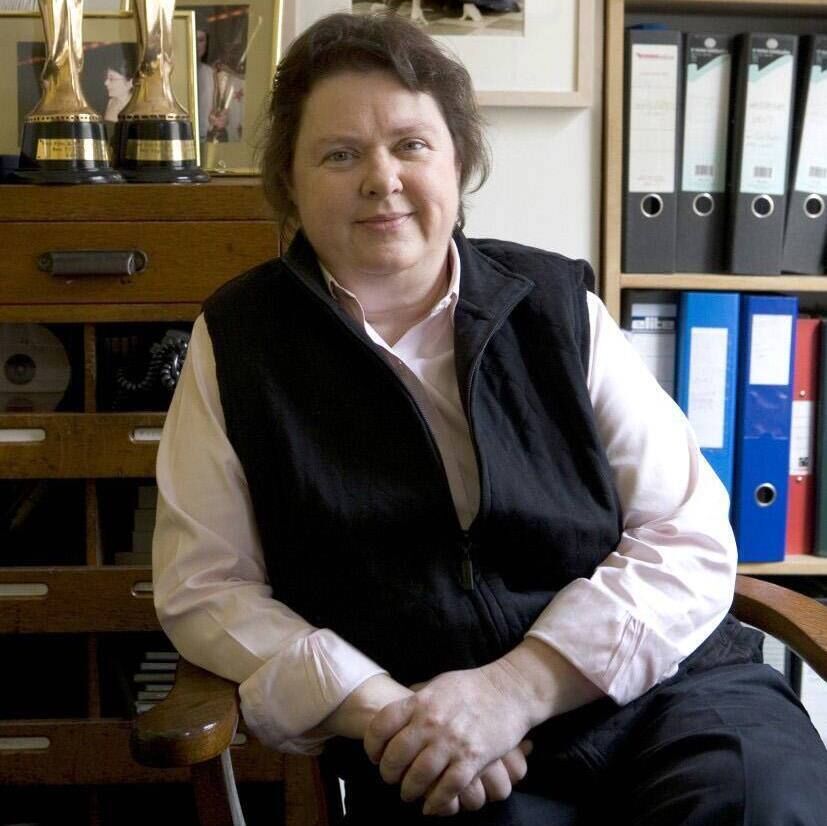
When I was doing a master’s in journalism, the late Mary Raftery, an investigative journalist, came in to speak to us about child institutional abuse. Her documentary documented the physical and sexual abuse suffered by Irish children in residential institutions and industrial schools.
You probably watched it on RTÉ. She showed it to us. Afterwards, the room fell silent as we reckoned with what we had been shown. Her documentary led to the creation of the Commission of Inquiry into Child Abuse.
Like Corless, she was modest and deeply impressive. Even at a callow, self-involved age, you knew you were in the presence of someone motivated by a belief in human rights, someone who wanted to shine a light into very dark places.
Other people also make a stand against the State because they feel they have to.
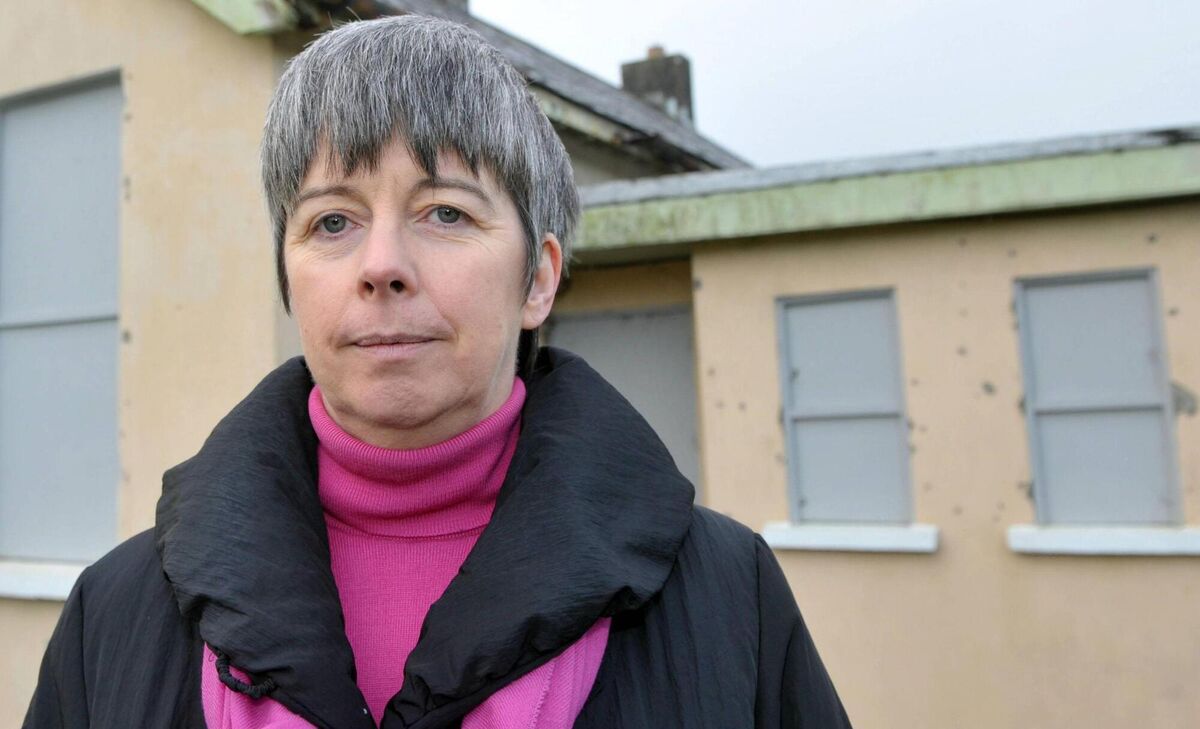
In 2014, Louise O’Keeffe, who was abused as a child at Dunderrow National School by her school principal, sued the State. Her attempts to hold the State liable failed both in the High Court and the Supreme Court.
She persisted and ultimately won in the European Court of Human Rights in Strasbourg, which ruled that the State bore responsibility for failing to provide adequate safeguards in schools. This subsequently led to an ex gratia scheme to provide out-of-court compensation to people who suffered historical sexual abuse in recognised day schools.
I can’t imagine the energy it took for O’Keeffe to lose in the Irish courts and still keep going. I’m not referring to her case, but our judicial system is set up in a way that often favours those with deep pockets and can be a playground for those who lack scruples.
I’m currently legally fighting a government body because I was pushed over a cliff. Never in my life would I have imagined I’d be someone who would take on the State, but I will because I hate that the Irish State can ultimately be unaccountable to ordinary people.
A democracy isn’t measured only by whether citizens possess rights. It’s measured by what happens when an ordinary citizen tries to make an institution respect those rights.
My takeaway is that the State is much more accommodating to those who are in the inner sanctum. If you’re not in the inner sanctum by virtue of connections or even gender — because the connections thing is often linked to an old boys’ club — you discover that when you challenge the State, you run into opaque internal arrangements.
These arrangements happen outside your view and are extremely difficult to challenge. Let’s politely call it "institutional discretion".
If you lack the resources to challenge decisions, then accountability towards you becomes much weaker. And there is often nobody within the State to go to. They don’t answer your letters. There’s no credible oversight. It’s like being hit by a bus.
You can begin to feel that the State is less a public service than a brick wall.
In this context, I’d like to mention the advocate and ex-Garda Margaret Loftus. She is an incredibly brave person.
After her ex-husband, also a garda, assaulted her, it took her 58 court appearances over 13 years before her ex-husband was convicted in Dublin Circuit Court in January this year.
She went, in her own words, from protecting vulnerable people to becoming vulnerable herself. She has first-hand experience of being let down by the system.
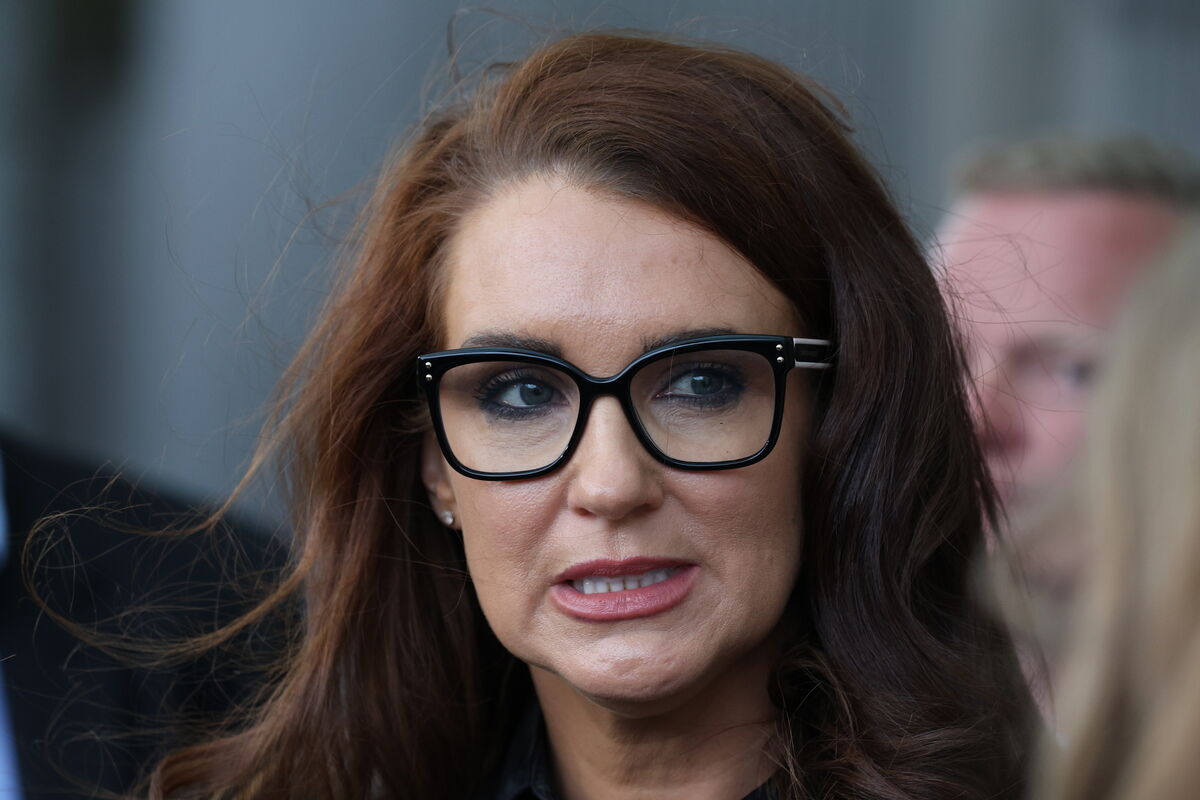
Loftus publicly challenged not only the criminal justice system but also how An Garda Síochána is organised.
Earlier this year, she made an address in the Oireachtas and raised various issues, including the in-camera rule and the handling of gardaí accused of domestic violence. I don’t know how she’s still standing. But she is.
In January, justice minister Jim O'Callaghan, commended her in the Dáil for her bravery and for securing the conviction. But why did she have to push so hard?
Loftus argued that the judicial process itself had been "as traumatising and damaging as the abuse". So many survivors share this view.
This column is dedicated to all those people, the exceptional ones and then the ordinary people, who to differing degrees refused to accept an institution’s version of events and who fought back.


CONNECT WITH US TODAY



Be the first to know the latest news and updates