Every bone has a story: Tuam's forensic team is determined to tell it
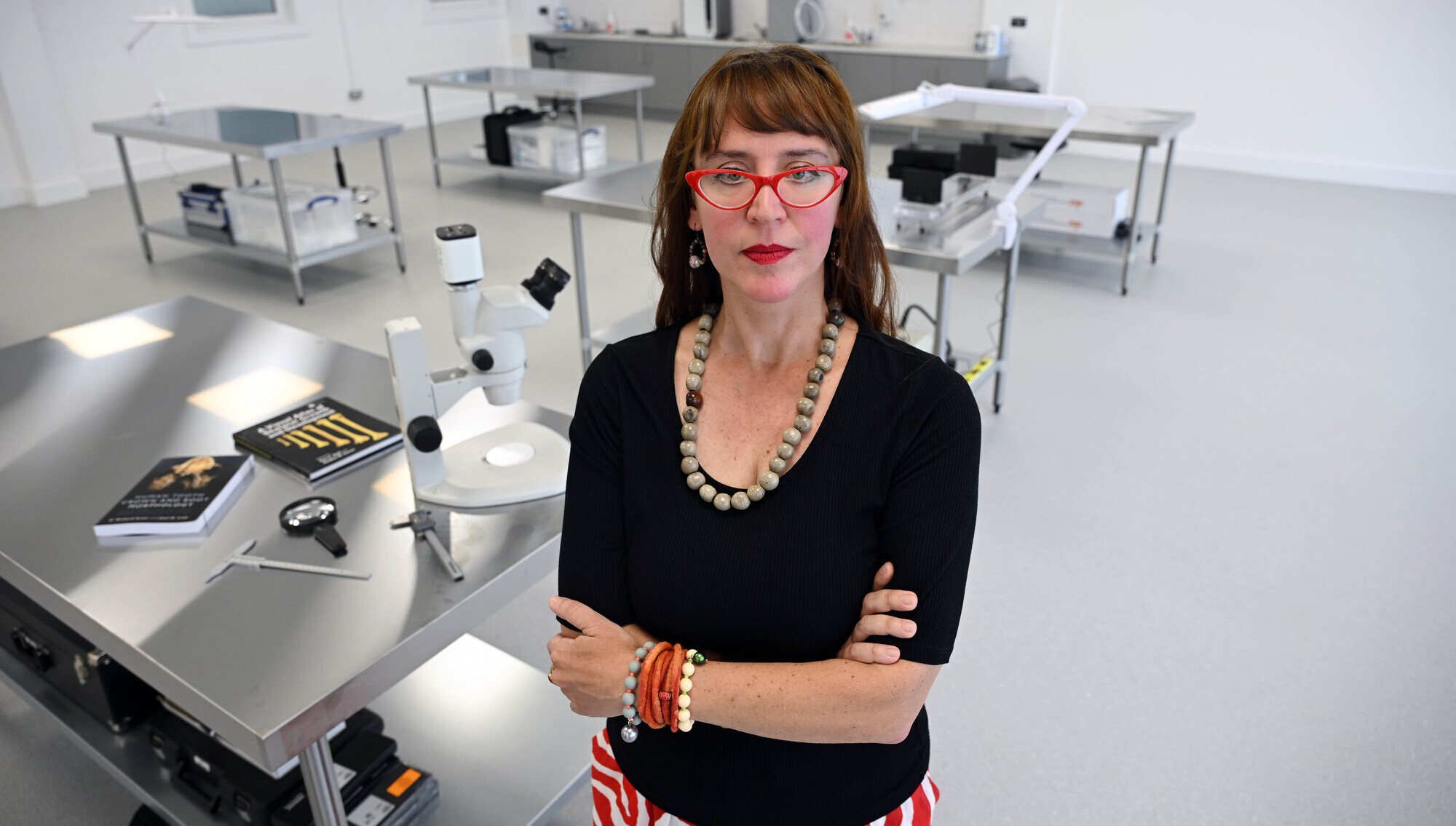
Dr Allysha P Winburn left her home and family in Florida to come to Ireland after a colleague sent her the Tuam job advertisement. Picture: Ray Ryan
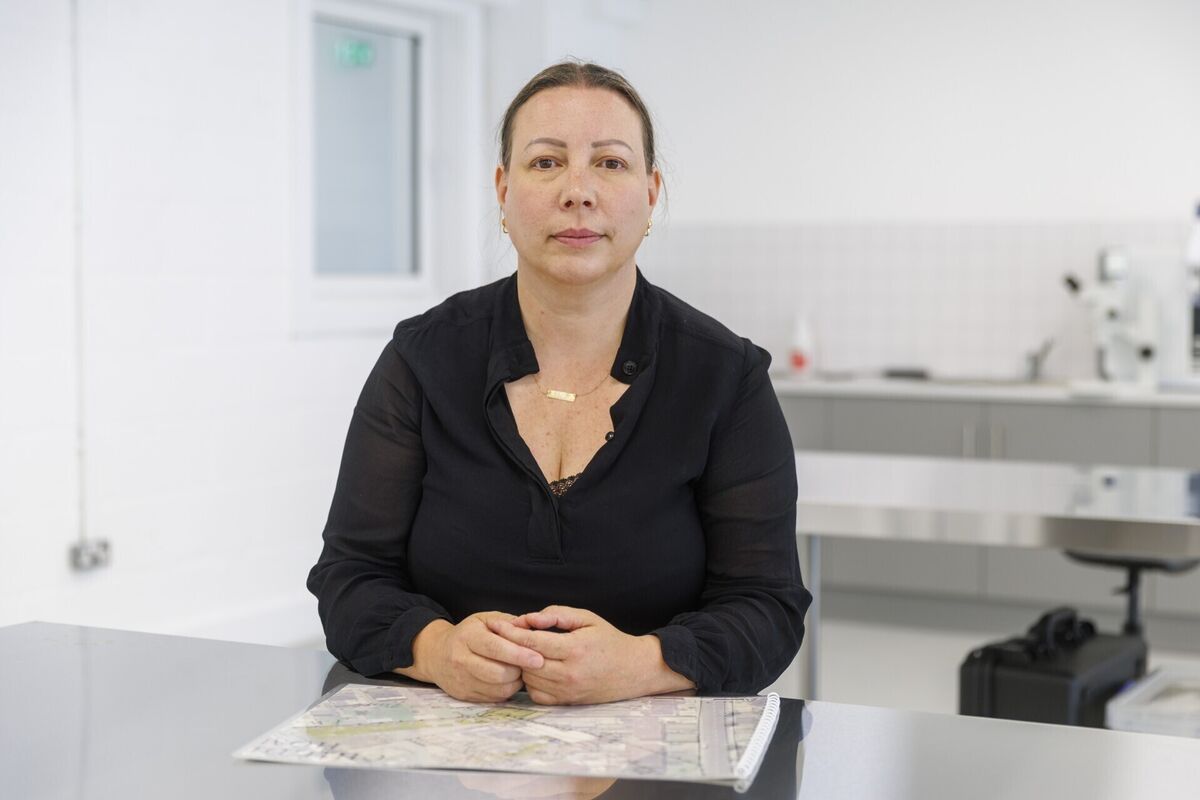
Putting her arms into the cradle position, Allysha Powanda Winburn says: “Imagine holding a baby” … and for a moment, she pauses.
“That’s what we’re doing.” Inside a bright new forensic laboratory at Toghermore, Co Galway, there are no dramatic discoveries, no flashing cameras, and no applause.
Instead, there is silence, concentration, and extraordinary care.
Each tiny bone is cleaned by hand. Every fragment is laid carefully into its anatomical position.
Teeth are examined, skeletons measured, microscopic signs of disease recorded. Before any DNA sample is taken, every bone is photographed and scanned in 3D, preserving a permanent record of a child whose life has remained hidden for decades.
When the international and national specialised forensic team are at work in this room, they are all tasked with methodically documenting every part of the infant’s journey as part of the mammoth task of “telling their story”.
“Every bone has a story,” says forensic programme manager Oran Finegan. “From when they are discovered in the grounds at the former mother and baby home in Tuam and received here in this new forensic mortuary, it is our job to treat them with respect, dignity, and give them back their story.”
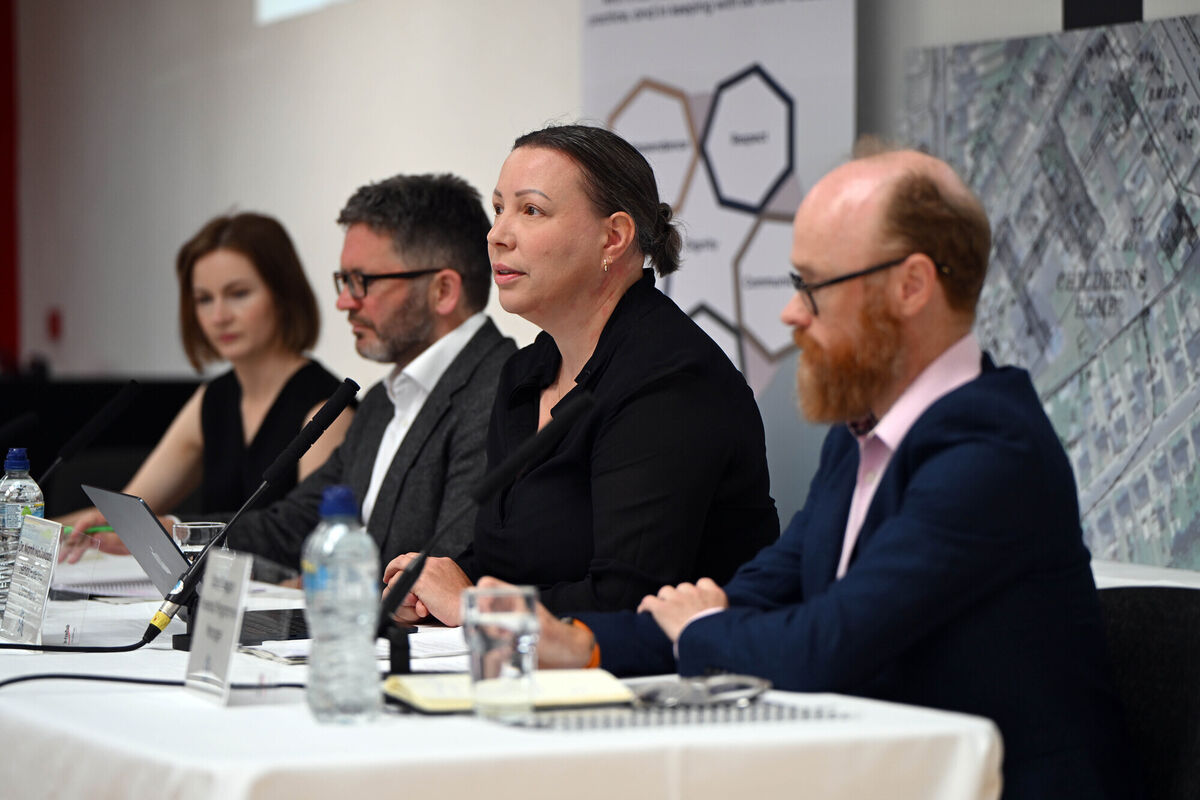
As forensic experts explain the meticulous work that will be carried out here, it is a reminder that Ireland’s lost children are finally being treated with the care they did not receive in life.
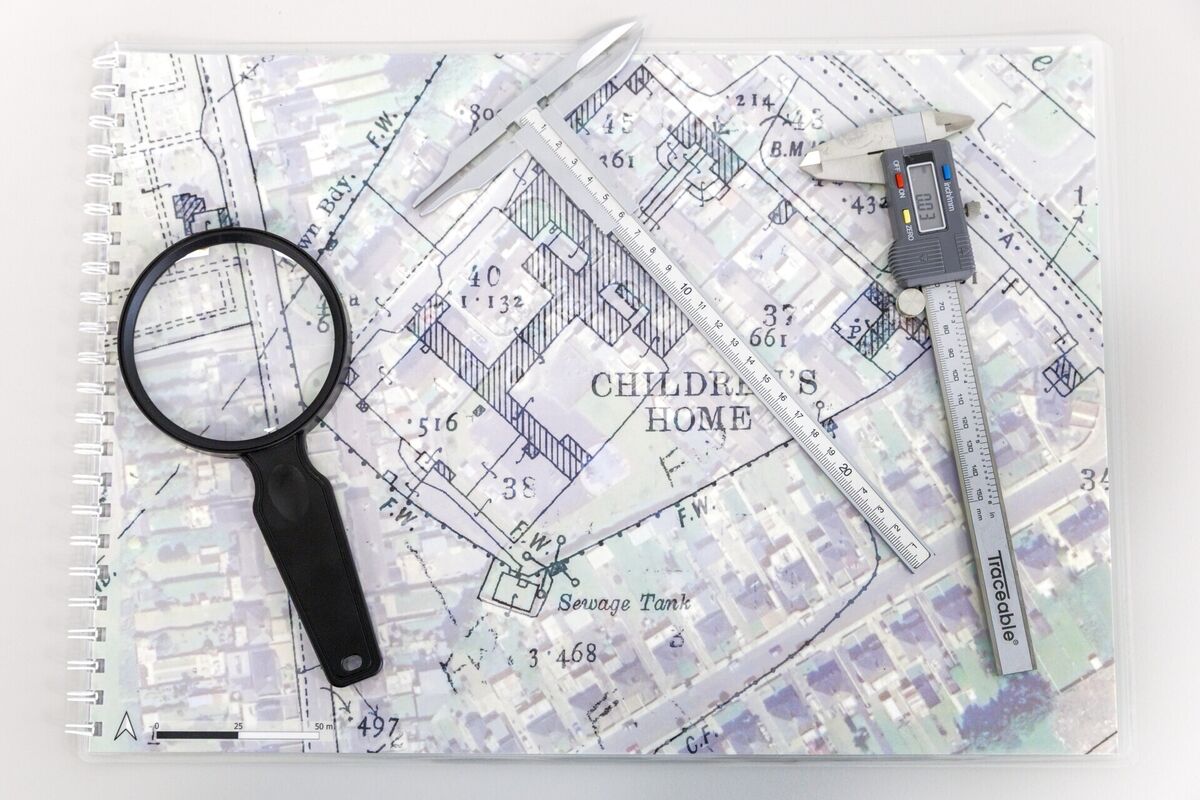
Up to 796 children are believed to be buried in a mass grave at the former mother and baby institution in Tuam, where an excavation is underway.
So far, 99 “tiny infants” have been recovered from coffins, some of which contained the remains of two or three babies. The remains lay beneath an unmarked gravel surface that, for decades, hundreds of people walked, played, and drove over before the site was first uncovered between September and October last year.
As senior forensic consultant with the Office of the Director of Authorised Intervention, Dr Niamh McCullagh is overseeing the painstaking excavation.
Read More
“We have not finished at the burial site where these tiny infants have been located,” she says, explaining this is a mass grave full of infants — “that’s what makes it different”.
The work begins with machinery stripping away modern layers of bitumen, gravel, and levelling sand. But the instant something unusual appears, the machines fall silent.
“Once we encounter what we refer to as an anomaly, machine excavation stops straight away,” she explains.
A tent is erected, protective forensic clothing is worn, and hand excavation begins.
Every layer of soil is removed slowly. Every tiny coffin is recorded. Every fragment is documented before entering a strict forensic chain of custody.
During a press conference this week to mark a year since the exhumation work began at Tuam, Ms McCullagh said: “We are doing something for the women of Ireland. It’s very important and we have to always ask, how do we best care for the recovery of these infants and children?”
There are no assumptions. “I don’t come into work with expectations,” she says.
“That’s the nature of the job. You respond to what you find.”
Ms McCullagh’s work begins in the soil, Ms Winburn’s begins once the children leave it.
Ms Winburn says: “This is important work, it is a privilege, I’m a mother.
“A name is wonderful, but a name doesn’t tell us how that person lived and how they died.”
That story begins with laying out the skeleton. For a developing infant, whose bones have not yet fused, that can take hours.
“Their remains require exquisite care,” says Ms Winburn.
Ms Winburn left her home and family in Florida to come to Ireland after a colleague sent her the Tuam job advertisement.
“I remember sitting on my couch and reading and reading and reading,” she recalls.
“I was crying… and just thinking, ‘If not this, then what? If not now, then when?’”
Her previous work helping recover indigenous children’s remains from a former boarding school cemetery in the US changed how she viewed forensic anthropology.
There, she witnessed grief and healing unfold in real time as children were returned to their communities.
She recognised something familiar in Tuam. It wasn’t simply an excavation, but an opportunity to help restore identity.
Ms McCullagh remembers the moment the first infant remains were uncovered. Rather than shock, she felt a profound sense of purpose.
“This is why we’re here,” she says.
Throughout the excavation, Ms McCullagh and her colleagues — including Tuam intervention director Daniel MacSweeney and forensic programme manager Oran Finegan — have consistently stressed their role is to carry out a meticulous forensic investigation.
“We have to be the scientist and not let emotions get in the way,” says Ms McCullagh. “But we’re human too.
“All of the people who work with us have chosen to be here for the very specific reason of recovering infants and children from this site."
One of the greatest privileges, she believes, is simply acknowledging the children existed. “Being able to acknowledge that they were at this location for all this time.”
The science taking place inside the new laboratory is remarkable. Teeth help estimate age; microscopes reveal evidence of illness.
Every bone selected for DNA testing is digitally preserved before analysis. “We stablise the bones and prepare them for the next phase of identification,” says Ms Winburn.
If relatives are identified, families may even be offered a 3D-printed replica of a tiny bone that belonged to their child.
Asked what surprises her most about working in Tuam, Ms Winburn smiles. “The vibes,” she laughs. “There is little ego here and we are open to having our work reviewed by other scientists, we had a specialist team here recently reviewing our work, it was so helpful”.
She calls her analysts her “dream team”.
“They’re good scientists, but they’re also good people.”
Between the excavation trench and the forensic laboratory, every child is known simply as an individual and not a number. “They are babies whose stories still deserve to be told” she says.

CONNECT WITH US TODAY



Be the first to know the latest news and updates