Letters to the Editor: Inheritance tax tweaks do not add up to reform
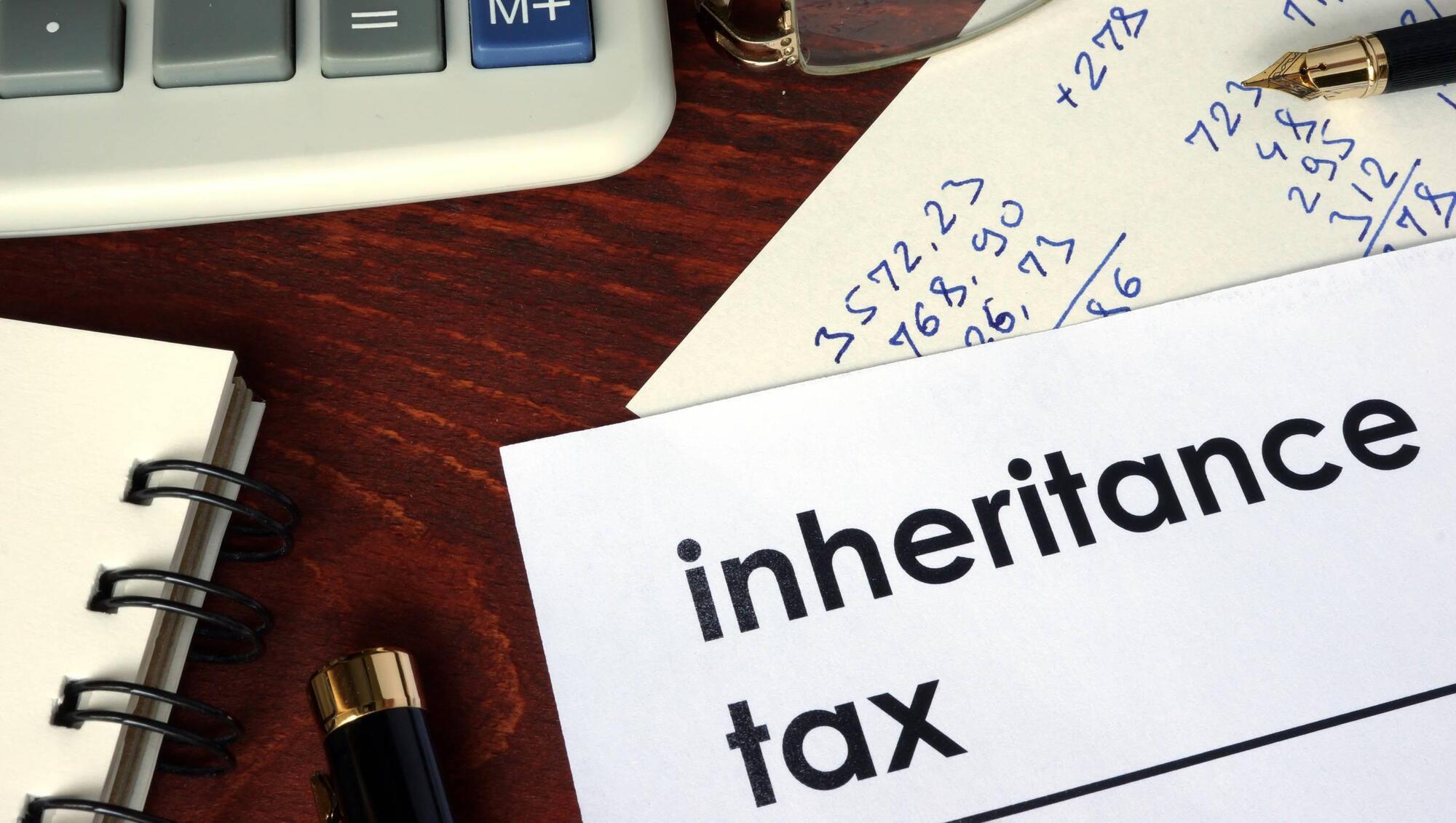
James Sexton writes: 'We were assured that our concerns were understood and that meaningful reform was being considered. Yet, when the opportunity arose, the Government delivered modest adjustments to existing thresholds while leaving the underlying inequality untouched.' Picture: iStock
The inheritance tax changes announced in Budget 2027 are not the meaningful reform that Taoiseach Micheál Martin and Tánaiste Simon Harris indicated they were committed to pursuing during meetings with the national End Discrimination in Inheritance Tax campaign group.
Let us call these changes what they are: more tweaking of the Group A, Group B, and Group C tax-free thresholds.
Nothing more.
The fundamental structural inequality in Ireland’s inheritance tax system remains firmly in place.
The families and loved ones of hundreds of thousands of single and childless citizens, together with cohabiting couples, continue to face profoundly unequal tax treatment.
The Government has maintained a system in which the tax liability on an inheritance can differ dramatically depending on the relationship between the deceased and the beneficiary.
The home is the same. The tax treatment is not.
For three years, our campaign group has engaged constructively with the political system. We have met the Taoiseach, the Tánaiste, and other senior government representatives. We have presented our case to members of the Fianna Fáil and Fine Gael parliamentary parties, explained the inequality and proposed practical solutions.
We were assured that our concerns were understood and that meaningful reform was being considered.
Yet, when the opportunity arose, the Government delivered modest adjustments to existing thresholds while leaving the underlying inequality untouched. From our perspective, we have been misled.
We believe that citizens who have spent years engaging respectfully and constructively with government deserve better.
The issue is not simply the level of inheritance tax thresholds. It is the structural inequality that can impose substantially higher tax liabilities on the loved ones of citizens who do not have children.
Read More
Why should the families and loved ones of single and childless citizens and cohabiting couples continue to be denied fair and equal treatment under Ireland’s inheritance tax laws?
We have repeatedly put this fundamental question to senior political leaders. We are still waiting for a comprehensive answer.
We now call upon the Taoiseach, the Tánaiste, and the minister for equality to explain publicly why they believe the continuation of these unequal tax arrangements is justified.
We also ask every TD, irrespective of political affiliation, to consider whether the current system is consistent with their professed commitment to fairness and equality.
Our campaign group has been listened to, but ultimately ignored.
We urge the national and local media to seek clear answers from those responsible for maintaining this system.
After three years of campaigning, we are entitled to more than expressions of sympathy and another round of threshold adjustments.
The End Discrimination in Inheritance Tax campaign group will continue to campaign for fundamental reform.
Recognition is not reform. Sympathy without action does not deliver equality.
I dislike this current trend of offloading all of the blame in regard to the decline in children’s mental health on social media. Of course social media hasn’t helped our children’s wellbeing.
As a former chaplain and teacher to a number of schools going back 25 years, education in those times was seen as a system which supported children’s mental health and wellbeing.
There was child-centred learning as the whole child was educated.
It’s my contention that this holistic agenda has been stripped out of education in the past 20 years to a system where only numbers count.
I believe it serves the Government very well to focus on social media, which takes the spotlight off its disastrous education policies.
Social media is unquestionably a reflection of society’s ills — not the creator of them.
Mick Clifford in his usual style writes: “Nobody, as yet, has proposed an alternative economic model that wouldn’t require or attract the current level of immigrant workers to a nominally booming economy” — ‘By all means debate immigration — including where we’d be without it’ ( , October 10).
Alongside the number of non-Irish born people on public housing waiting lists — 28% — is another statistic that was released last week.
Indian nationals have recorded the highest median weekly earnings among all nationalities working in Ireland, according to data from the Central Statistics Office (CSO).
Indian workers had median weekly earnings of €862.14, ranking higher than UK nationals (€814.30) and Irish nationals (€792.89).
Our hospitals in particular would grind to a halt were it not for Indian immigrants.
Read More
The issue is not really about immigration per se, but rather ownership, which drives wealth inequality. The asset rich habitually don’t want to share, and immigrants are always the first to be blamed for society’s ills.
I firmly believe that without the 100,000-plus Ukrainians that came to this country over the past four years Ireland would be in recession. Immigration, properly managed, grows an economy.
The media needs to focus on the asset rich as the main barrier to more affordable and social housing.
Politicians are now informing us of a ‘new’ hospital planned for Glanmire that should be ‘shovel-ready before 2030’.
I recall a ‘sod-turning’ more that 10 years ago by the taoiseach of the day with several associates for the (infamous) Cork Events Centre.
In between, we had bicycle sheds and walls built at considerable expense to the taxpayer, and of course the ongoing saga of the (infamous) Children’s Hospital.
No member of government or civil servant has been held responsible or accountable.
We should not forget at a time of austerity, when people struggled, the Government approved a salary increase in excess of €80,000 per annum for a civil servant.
Let’s wait and see how this ‘new’ hospital progresses.
Bear in mind — we elected these public representatives.
We the electorate need to hold them accountable by regular, polite contact.