Professorships at technological universities help level playing field in higher education
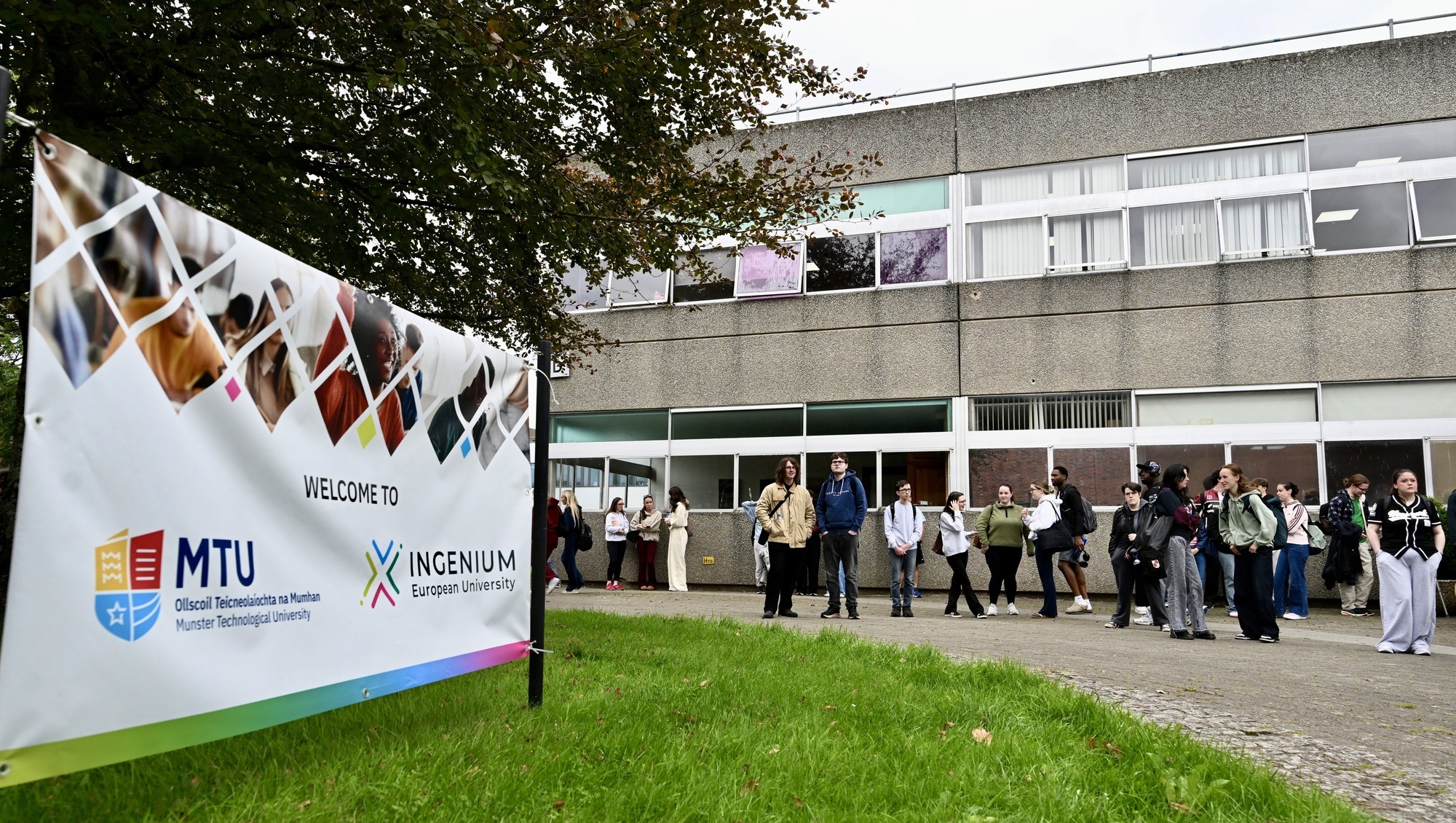
Students benefit when they learn from academics who are leading in their field, building international partnerships and working on solutions for issues impacting people far beyond the university walls. File picture: Larry Cummins
Recruitment of the first-ever professors to Ireland’s technological universities (TUs) is an historic and welcome step for higher education that helps to level the playing field when it comes to recruiting the best in academic talent.
The announcement by the minister for further and higher education, research, innovation and science James Lawless not only improves our ability to retain specialised researchers and educators, but it removes a structural limitation on the ability of TUs to compete for leading talent.
This marks a significant evolution in Ireland’s educational landscape.
We now move from being one of the only countries in the world without a professorial grade in the technological university sector, to being a country with even stronger academic institutions at a time when research excellence and sound knowledge are critical to guide us through rapid social and technological change.
Twenty-five professorial posts will be created across the TU sector in areas including healthcare, biotechnology, pharmaceutical sciences, biomedical engineering, data science, artificial intelligence, creative industries, climate and sustainability.
Read More
These posts are just the beginning of addressing the fundamental need for new generational knowledge — knowledge that has a positive impact on our society and economy and strengthens regional development.
The creation of the new roles may sound like an internal change to an academic career structure, but it is much more significant than that. Professors are academic leaders.
They create ecosystems of learning, teaching, research and innovation, and generate excellence in their teams and areas of study. Professors oversee funding applications, PhDs, research centres, and establish groups to study and investigate the best ways to move our communities and societies forward.
They help Ireland compete on the European and international stage and ensure our students get the best possible university education.
These new professorial posts set out a clear trajectory for TU academic staff. This is a welcome response to the OECD’s 2022 Review of Technological University Academic Career Paths, Contracts and Organisation in Ireland which called for the establishment of a new career structure in our technological universities to include the rank of professor.
This has advantages for all students and staff. Students benefit when they learn from academics who are leading in their field, building international partnerships and working on solutions for issues impacting people far beyond the university walls.
They see the possibilities of research first-hand and acquire skills that are current, relevant and transferable. They also gain access to stronger research networks, postgraduate pathways and connections with industry and global partners.
For students based in the regions, access to the highest levels of academic and research expertise closer to home gives them an opportunity to learn from the best as they become valued graduates.
Modern universities must be able to offer excellent facilities and exciting research possibilities, as well as meaningful career progression and the opportunity to lead. The resulting benefits extend well beyond individual institutions.
For example, a professor who is leading research in AI may work with companies trying to adopt new technologies safely and inclusively; expertise in biomedical engineering can support innovation in our life sciences and health sector; research in climate and sustainability can help businesses, communities and public bodies respond to one of the defining challenges of our time.
This is where the advantage of the Technological University model becomes clear. Our universities are deeply connected to the places we serve.
The value of new professorial leadership in a technological university is therefore not confined to academic endeavours. It has the potential to translate directly into stronger industry partnerships, new research activity, skills development, and positive societal and economic impact.
At Munster Technological University, the new roles will build on our decades-long history of education through our legacy institutions and strengthen our current academic leadership.
We plan to create new professorships across five areas including photonics; cyber physical systems engineering; circular bioeconomy; maritime resources and innovation; and creative and cultural industries. The new professors will deepen expertise in these areas and encourage a new generation of learners and teachers.
The creation of Ireland’s technological universities was an investment in the idea that excellence in higher education, research and innovation should be distributed throughout the country.
Giving our technological universities the ability to recruit, recognise and retain academic leaders at professorial level is an important part of fulfilling that ambition and taking the next step in our development.
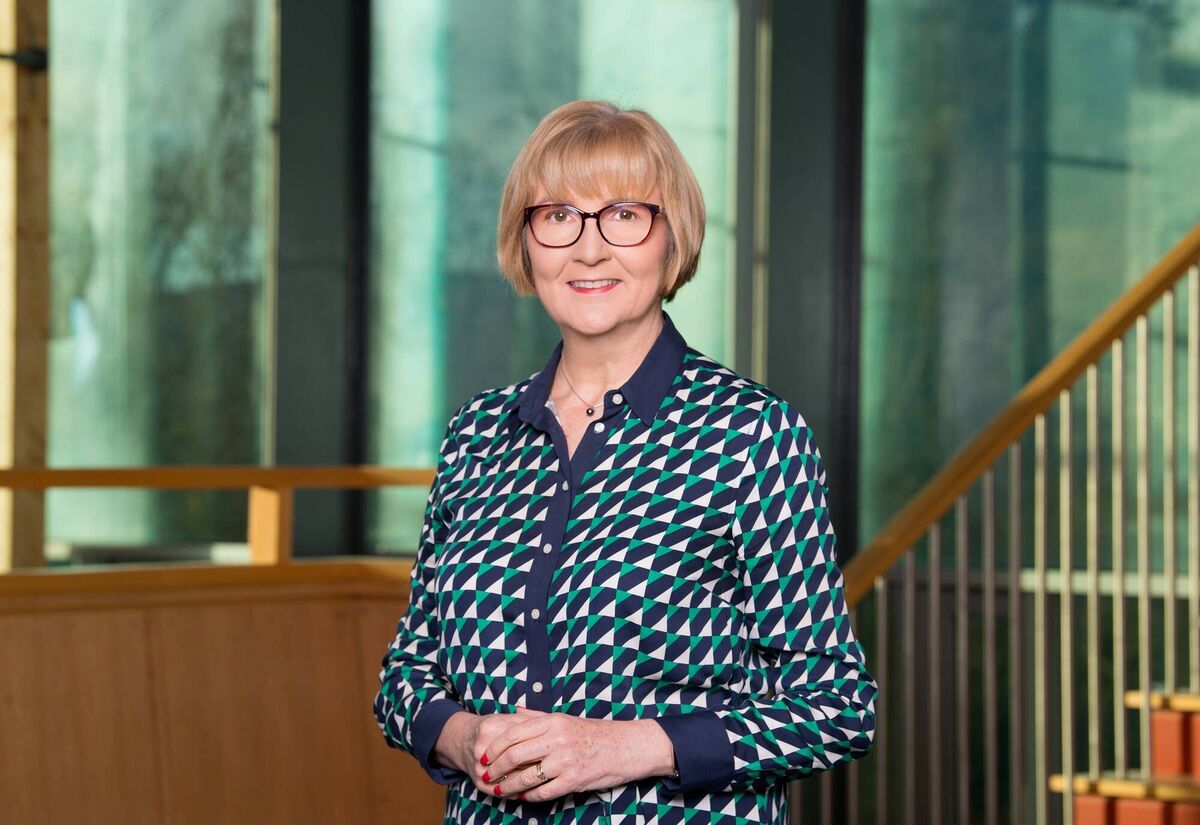
By strengthening our ability to build research leadership, attract talent and create deeper connections with industry and society, the new professorships will enhance our technological universities — home to more than 105,000 students — and strengthen the communities and regions we serve.
- Professor Maggie Cusack is president of Munster Technological University

CONNECT WITH US TODAY



Be the first to know the latest news and updates