'Ireland is my home': New citizenship rules could leave Julia waiting 22 years to become Irish
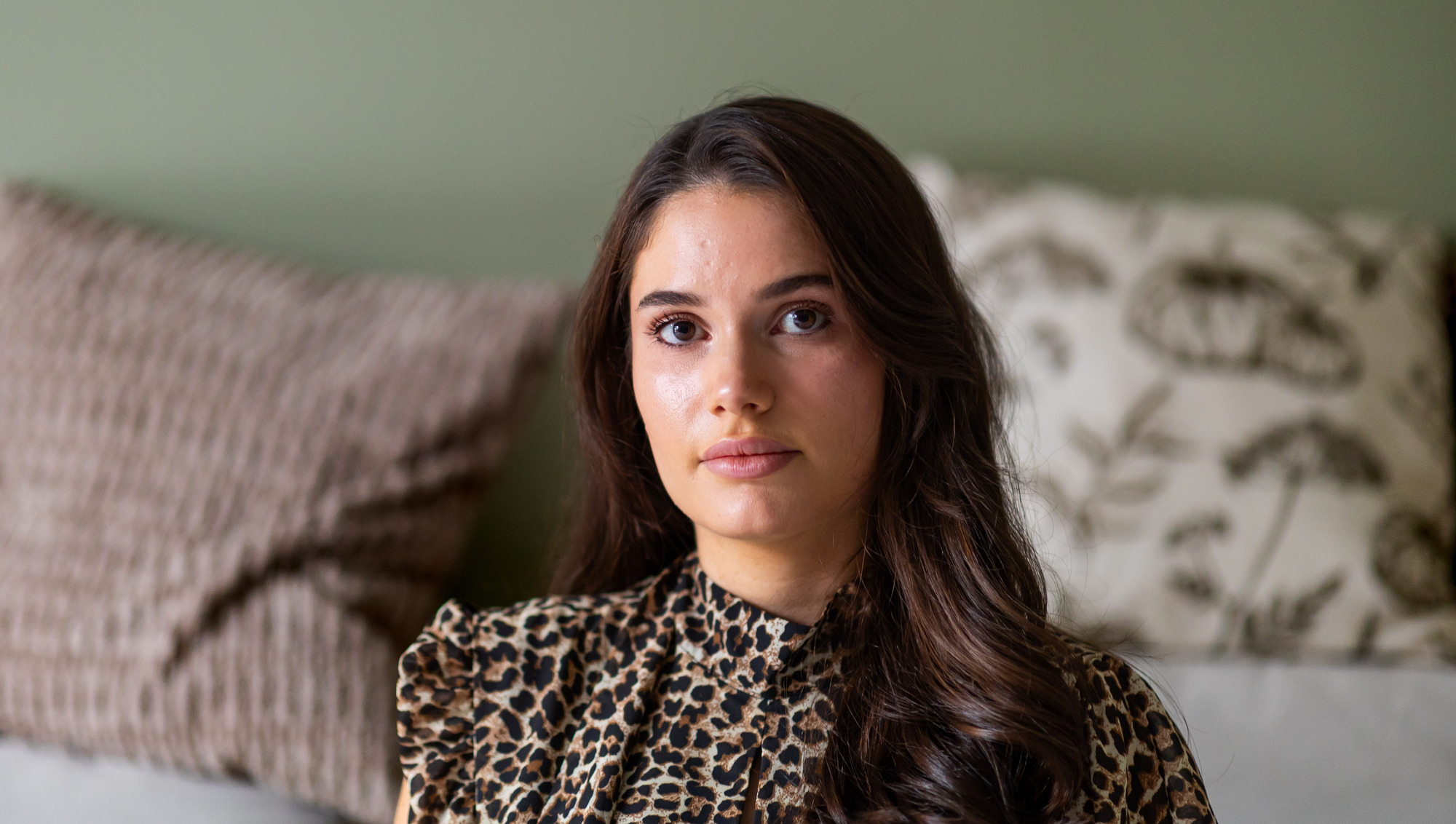
Julia at her home in Dublin. 'There needs to be transitional protections for people who are very close to that finish line.' Pictures: Gareth Chaney
“Can I offer you a cup of tea or coffee?” Julia asks.
The softly spoken woman opens the door of her Dublin home and ushers in an reporter and photographer.
What shows Irish hospitality more than offering your guests a cup of tea when they call?
Family photographs line the walls of the freshly painted house. Julia talks about her toddler, her partner and their plans for the weekend.
She has lived in Ireland since moving here from Brazil in 2008 and now speaks with a noticeable Irish accent.
Yet despite spending almost two decades building a life here, she is still waiting to become eligible for Irish citizenship.
Julia is due to reach the required five years of reckonable residency in January 2027. However, if Government proposals to extend the residency requirement for citizenship from five years to eight years are enacted before then, her eligibility date would be pushed back to 2030.
By then, she will have been living in Ireland for 22 years.
Julia moved to Ireland in 2008 with her grandmother.
Read More
Due to what she describes as an “unstable home environment” with “no one to advocate for her”, she remained undocumented throughout her childhood and adolescence.
“I went through almost half of primary school, all of secondary school,” Julia says.
“When I was 19, and I sat my Leaving Cert, I wasn't able to apply for colleges, which really impacted my life.”
Due to her immigration status, Julia did not qualify for “free fees” for university or other supports, which would have resulted in her paying higher fees of at least €10,000 a year, if not more.
This was not an option for her, so instead of going to college like her school friends, at 19 she started saving money and sought legal help from solicitors in a bid to regularise her status.
At this stage, she had been living in Ireland for a decade, but this residency would not count due to her undocumented status.
Julia would have to start all over again.
Finally, in 2021, shortly before her 22nd birthday, she received a Stamp 4 visa, which allows foreign nationals to live, work, and study in Ireland without an employment permit.
“Although I was very relieved, I wasn't exactly ecstatic either because it meant that all of those years, nearly 15 or so years that I had lived in Ireland, it didn't count as reckonable residence,” says Julia.
“I was treated like someone who had just entered the country, basically, and started from zero, and that was very hard to deal with at the time.
“But I just kept going, and I said, ‘OK, well, January 2027 is the date I will be able to then finally have my legal status reflect the life that I've lived here in Ireland’.”
Julia says she wishes she could have been given citizenship “right there and then” in 2021, because as an undocumented child, she had “no agency”, no power, and no knowledge over how to rectify her immigration status.
Under plans signed off by Cabinet earlier this month, justice minister Jim O’Callaghan will change the requirements for Irish citizenship.
The changes are being dubbed the biggest overhaul in a “generation”. The Government hopes the plans will be in place by the end of the year.
Perhaps the biggest change will be the increase in the amount of time a person has to live in Ireland to be eligible to apply for citizenship.
This will increase from five years to eight years.
The rules around applications for spouses of Irish citizens are also due to rise from three to five years.
The changes will see applicants required to show a proficiency in English, Irish, or Irish sign language.
New civics tests will also be introduced to show aspiring citizens have a good grasp of Irish society and politics.
Aspiring citizens will be required to show they are self-sufficient and will not be a “burden” on the State.
The justice minister will have the power to set a minimum income a person must be in receipt of in order to be eligible for citizenship.
New rules will also mandate a person cannot receive social welfare or housing supports in the two years preceding their application.
Mr O'Callaghan said the changes would automatically apply to people already living in Ireland who are hoping to apply for citizenship.
He said this would include people who have accrued "four years and 10 months of residency" when the legislation comes into effect, which is expected before the end of the year.
In practice, that means anyone who has not submitted a citizenship application before the new rules take effect will be required to satisfy the revised residency requirements.
Now 27 and with a family of her own, Julia has been diligently following and planning her life around the rules, and was looking forward to applying for naturalisation in January, so her documentation will finally reflect what she has felt for so long: She is Irish.
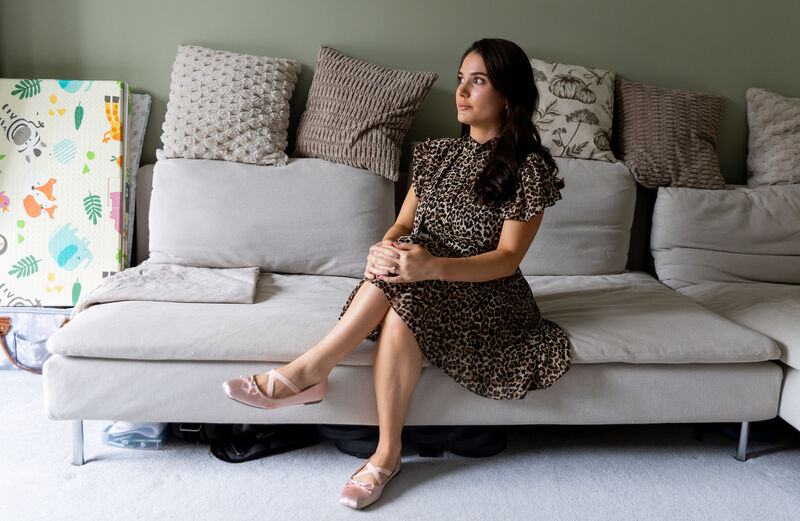
Currently, she says, she feels like an “outsider in her own home”, explaining how she felt homesick for Ireland on a subsequent trip back to Brazil.
However, her world was turned upside down this month following the announcement justice minister Jim O’Callaghan had received Cabinet sign-off for sweeping changes to citizenship rules.
In addition to new language and civics test requirements, residency requirements would increase from five to eight years.
As Julia puts it, the goal posts were shifted mid-match.
“I don't oppose the proposed changes and the five to eight years, the proposed civics exams, and even the language proficiency exams. In fact, I think they should have been there from the start because it reflects interest and being part of that community in that country, and just respect for being a citizen in that country too,” she says.
“[Mr O’Callaghan] gave an example of someone who was here four years, 10 months [being affected by the changes].
“When I heard that, it was a shock, and it felt devastating to hear because it's taken the humanity away, and it's not taken into account any nuance at all.
“That's very worrying, because there needs to be transitional protections for people who are very close to that finish line.”
Julia argues people who are so close to the five-year residency requirement have “planned their lives” around the five-year requirements, curtailing travel, and ensuring they do everything right.
Now, they are facing three more years of uncertainty and feeling like outsiders in a country in which they have made their homes.
“It would have a big impact in terms of not just how I plan my life, but also a psychological impact too of how I feel that I fit in in Irish society, as someone who has been living here for 18 years and had no control over my undocumented status for so long,” says Julia.
“It’s not simply three additional years in the abstract of policy — it's three years being added after I have already spent nearly five years organising my life around the existing pathway.
“Ireland is my home, and citizenship will finally allow my legal status to reflect the life that I have actually lived here.”
Julia is urging the Government to implement “transitional protection” for those within touching distance of naturalisation, saying immigration is “not a black and white issue”.
She is also encouraging the Government to do more to help and protect undocumented migrant children in Ireland.
Due to their lack of status, it is difficult to quantify how many such children may be in Ireland.
In late 2021, the Migrant Rights Centre Ireland estimated there were up to 17,000 undocumented migrants in Ireland, with up to 3,000 of these being children.
Julia says not enough is being done to help undocumented child migrants, explaining when she attempted to research situations like her own when she was younger, online searches provided little help.
She argues children who grow up in neglectful homes without adults willing to support them are often completely forgotten about and “inherit an immigration problem that they had no choice in”.
She says all children should have someone they can go to who can advocate for them and help them work their way through the immigration process.
Julia also questions if schools could be better enabled to identify and help these children.
For now, however, Julia is focused on her own future and is imploring the Government and Mr O’Callaghan to consider her situation and others in similar situations before introducing such sweeping changes to the citizenship application rules.
If the planned changes proceed, she will have to wait until 2030 to apply for citizenship, 22 years after first making Ireland her home.
She hopes the proposals will be delayed, allowing her to continue with the citizenship application she had planned to submit in January.
Most of all, she wants the certainty that comes with citizenship: To close her front door each night knowing Ireland is her permanent home, with her Irish passport tucked away safely and her future and status secure.
After 19 years living in Ireland, Julia believes she has earned that right.

CONNECT WITH US TODAY



Be the first to know the latest news and updates