Rights of disabled people in international protection must not be forgotten by the State
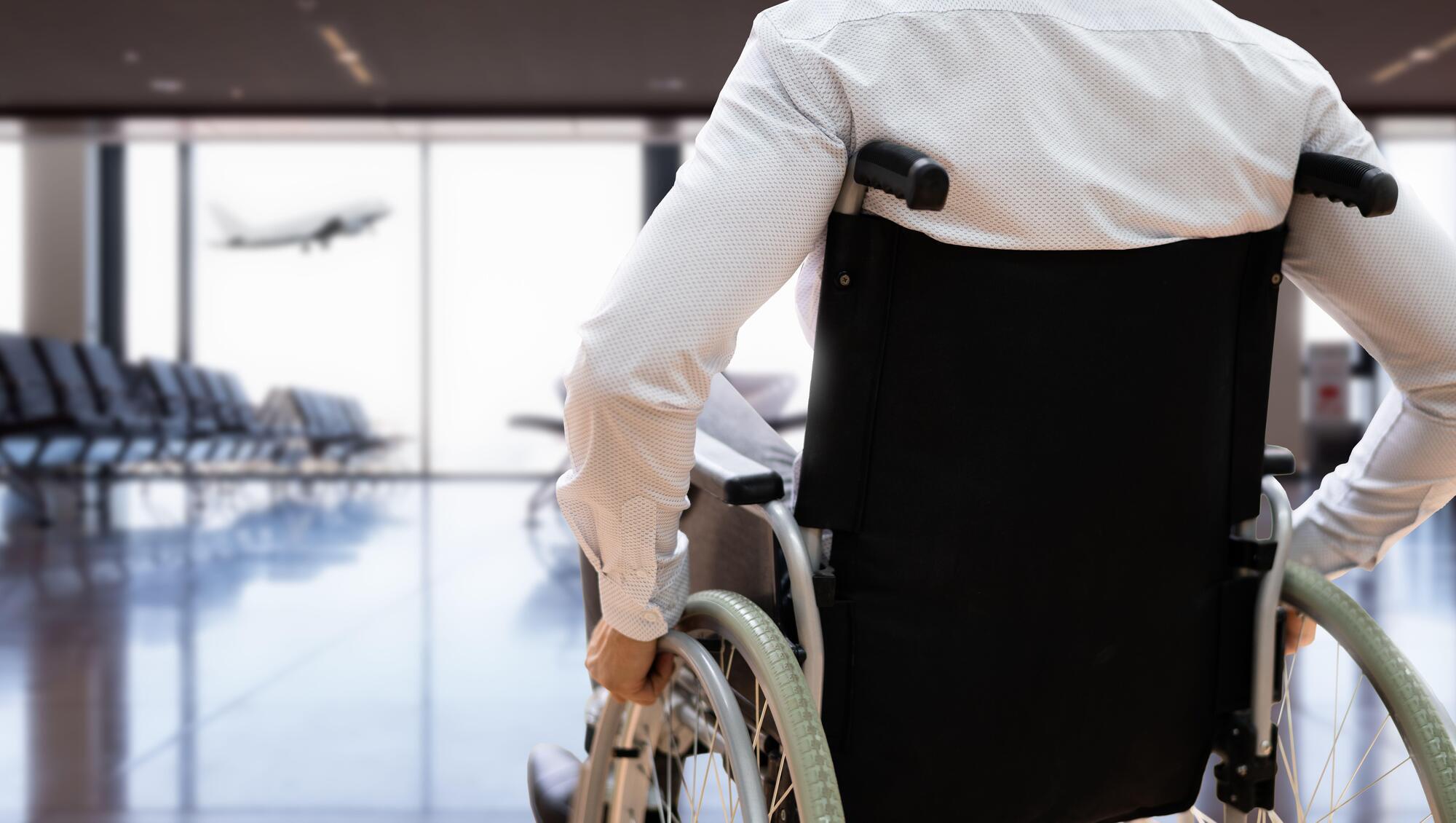
Currently, the vulnerability assessment does not record disability, leading to a lack of accurate records over how many Ukranians in State accommodation are disabled. File picture
Over four years of war has seen the civilian population of Ukraine thrown into turmoil.
Thousands have fled, and received a supportive welcome in Irish towns and villages across the island. Hidden within the statistics are many disabled people who require additional supports.
The Independent Living Movement of Ireland (ILMI) has supported many of these families, and will continue to do so. We are extremely concerned about Government statements and processes relating to the support of Ukrainian refugees this year.
The closing of state accommodation centres, impacting over 13,000 refugees, is causing a disproportionately negative impact on disabled people. The Government has said that some may continue to receive accommodation support and referenced the continued needs of disabled people.
This recognition is welcome, but the devil, as always is in the detail.
To qualify for continued support, disabled Ukrainians are required to complete an unclear and stressful administrative application process where they are asked to ‘prove’ their ‘vulnerability’.
If they are successful in receiving ongoing accommodation support, they will be moved to locations likely completely unsuitable for disabled people.
Read More
The geographically isolated centres they are moving to have cramped living quarters and lack local support services. Those who previously received a Department of Social Protection payment, such as disability allowance, will have that payment removed.
They will then be asked to live on €38.80 per week. This is supposed to cover all costs apart from basic food and housing — adapted travel, medication, dietary needs, and social inclusion.
Independent living for disabled people is about self-determination and participating in society as equals. Disabled people want the same things as non-disabled people. At a basic level, all of us share so much in common. We all want to live and thrive in our communities, safe from harm and with supports and opportunities in terms of education, employment, and being part of society.
As a national disabled persons organisation, ILMI has worked directly with disabled people in international protection, including disabled people from Ukraine who have sought refuge in Ireland under the Temporary Protection Directive.
Many disabled people of all nationalities are excluded from mainstream society and can feel isolated. People seeking asylum in the international protection system and under temporary protection are also largely isolated from Irish society, and face many barriers including language.
For disabled people in the system, this is a double isolation, as many do not have the systems or supports to connect with the community.
Our disability participation awareness fund project ‘Engaging Disabled People in Direct Provision’ showed the additional barriers facing disabled people in international protection — these same barriers apply to those with temporary protection.
Currently, the vulnerability assessment does not record the disability, which means there are no accurate records for how many Ukrainians in State accommodation are disabled, or what their impairments are, or what their support needs might be to access accommodation and employment.
In fact, most Ukrainians here have not been subject to a vulnerability assessment at all, so their needs remain largely unrecorded.
State accommodation centres are often in remote areas and not always disability accessible; there is no personal assistant service to aid a disabled person who has no family support here.
Our work in ILMI has shown us that social isolation can be addressed through building peer connections within the local community and local disability groups; but that is often under-resourced, which means disabled Ukrainians face further barriers to inclusion.
There has always been a housing crisis for disabled people due to the lack of accessible housing. Disabled people are more than twice as likely to report discrimination relating to housing and over 1.6 times more likely to live in poor conditions.
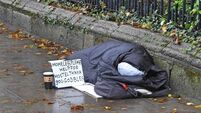
More than one in four homeless people are disabled.
Reliance on the private sector does not work, due to our particular accommodation needs. Removal of State accommodation from disabled people who are fleeing war in Ukraine will have a disproportionate impact on their lives due to the issues we have raised above.
Granting temporary extensions to accommodation in the short term, while removing financial support and moving them to remote locations, undermines their integration into communities — while also disempowering them in their journey to independent living, to a staggering extent.
They are human beings with complex needs, not merely a statistic or a budget line.
Ireland has ratified the UN Convention on the Rights of Persons with Disabilities and as a country, we have obligations under Article 11 of the Convention.
This article calls on states to take “all necessary measures to ensure the protection and safety of persons with disabilities in situations of risk, including situations of armed conflict, humanitarian emergencies and the occurrence of natural disasters”.
The work we led in ILMI was innovative at a European level as it demonstrated that connecting disabled people in international protection with their disabled peers, through disabled persons organisations, reduced isolation and built strong links with their communities.
It showed that we all have the same desire to realise our potential and be active parts of Irish society.
We have made progress in the rights of disabled people in the last number of years, leading to the rise of disabled persons organisations and a new national human rights strategy for disabled people 2025 to 2030.
Political leadership is needed to ensure the rights of all disabled people are not eroded in any policy change.
- Community Development workers Heylove Robert Mark and Boakai Abu Nyehn led the ILMI project 'Engaging Disabled People in Direct Provision'

CONNECT WITH US TODAY



Be the first to know the latest news and updates