'It is all going towards my rent': MTU students walk out on lectures in protest at cost of living
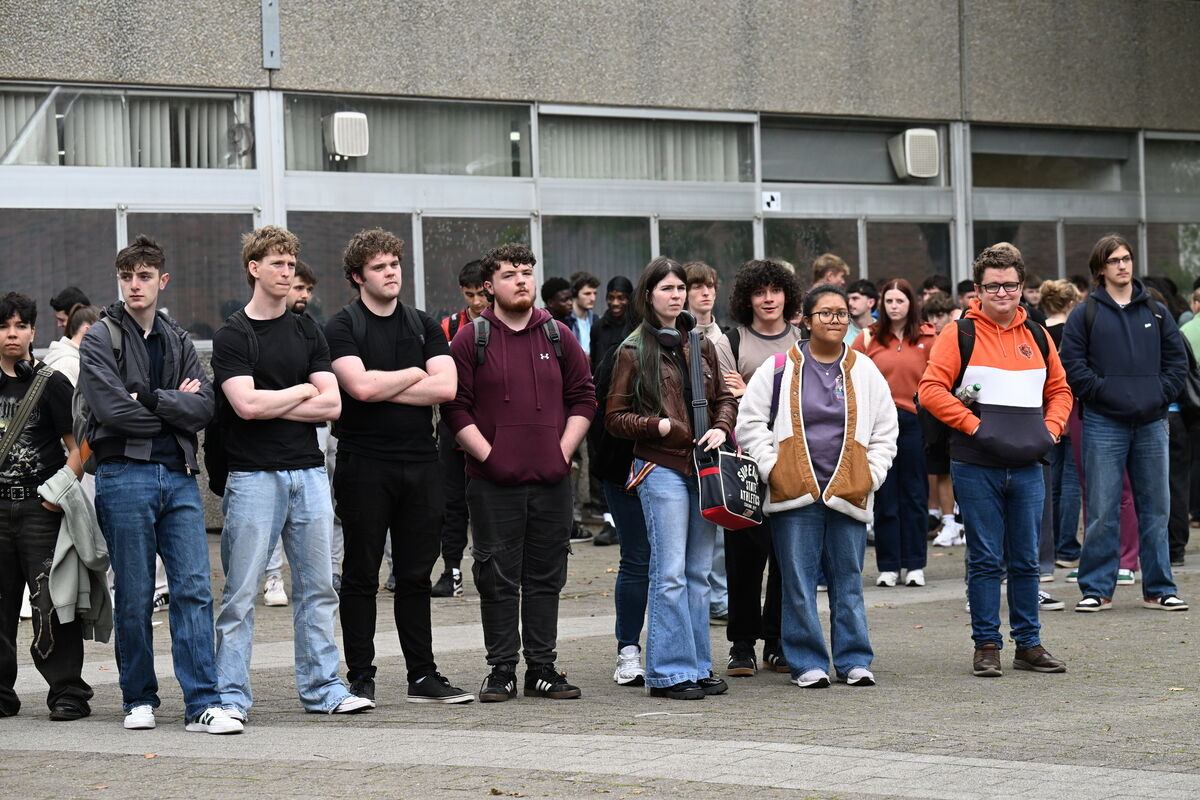
Hundreds of Munster Technological University students packed their bags and walked out of lectures on Thursday in protest over soaring costs of living.
The protests were a precursor to planned national demonstrations organised by AMLÉ, the national student union body, on October 1.
MTU student union president Cian McGrath called for further investment in purpose-built student accommodation, increased funding in the higher education sector, and an abolition of the annual €2,500 student contribution fee.
“The main barrier to education for students isn’t the Leaving Cert, it’s a paywall,” Mr McGrath said at the protest.
“Take into account the €2,500 student contribution fee, accommodation costs going well above €7,000, the rising costs of fuel, food, utilities, and the complete underfunding of the third-level education sector.
“You’re looking at students spending anywhere from €14,000 a year to an excess of €16,000 a year to attend and survive in university.”
Read More
Mr McGrath told the that students were facing “a bleak precursor to adult life.”
In 2022, the Government conceded the higher education sector was underfunded by more than €300m annually. Advocacy groups say funding gaps remain pronounced.
On October 5, members of the Irish Federation of University Teachers will begin industrial action over pay disputes.
MTU students who spoke to the said they were feeling the squeeze of record-high costs of living.
Monika Mehjabin Sneha is a first-year biomedical engineering student from Carlow. She lives in student accommodation beside MTU.
“The rent is super expensive and it is really not something I could afford very well because even though I got Susi (student financial support), most of what I got from Susi is going towards my accommodation.
“Even though I am getting the grant for maintenance, I can't save anything because it is all going towards my rent.”
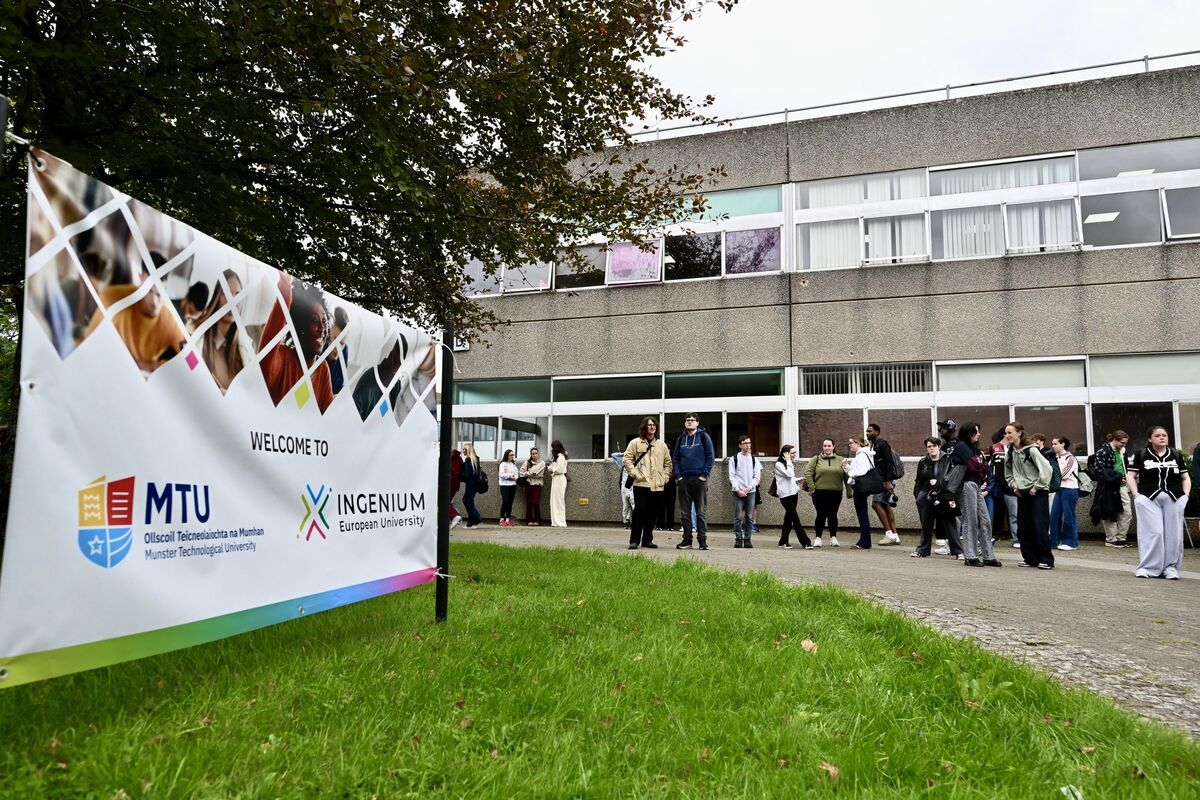
MTU does not offer its own student accommodation. Bespoke accommodation from private companies for a nine-month academic term can range from €8,373 for a twin bedroom to upwards of €15,000 for a premium studio.
Jules Laffan, who studies analytical chemistry, said the accommodation search often lands between excessive pricing and patchy living conditions.
“(This year) I had moved into student accommodation that honestly ended up outside of my own price bracket. It was something I had to do because like the living state I was in before, it was with a landlord who truly did not care about the place.
“There's many people who can't even enter the situation that I was in because they couldn't afford the kind of rack rents that we were being charged,” he said.
Katie Sisk-Duggan, another biomedical engineering student, said that Susi excludes the squeezed middle.
“My family, we're not bad off. We're not rich, and that's a big difference…we're not so good that we can actually tank €2,500 for me to attend my education.
“I have a sister; she's going to need the same. We still have to pay for food. We have to pay for all our bills, and yet the Government expects us to be able to cover €2,500. I keep saying it, but it's so much, and it's way more than the average family can afford.”
AMLÉ president Daniel Walsh told the that the MTU walkout protest is just one part of a campaign which will lead towards a national student demonstration taking place in Dublin on October 1.
Mr Walsh said: “We’re less than two weeks out from Budget 2027 and this year more than ever, we need to see action on student issues.
“At a time when soaring rents, rising transports costs, and some of the highest university fees in the EU are forcing students out of higher education, Aontas na Mac Léinn in Éirinn are calling for a budget package which meaningfully tackles the cost-of-college crisis.”
He added: “On October 1, thousands of students across the country will take to the streets, demanding that the Government commit to building more student-specific accommodation, abolition of the student contribution charge, and investment to close the core funding gap impacting the higher education sector.
“We need our Government to address the crises that are destroying the Higher Education Sector, and to put students at the heart of this island’s future. We need them to fund our future.”
CONNECT WITH US TODAY



Be the first to know the latest news and updates