'There’s only €13 left in the account': Programme that helps prisoners bond with their children in jeopardy
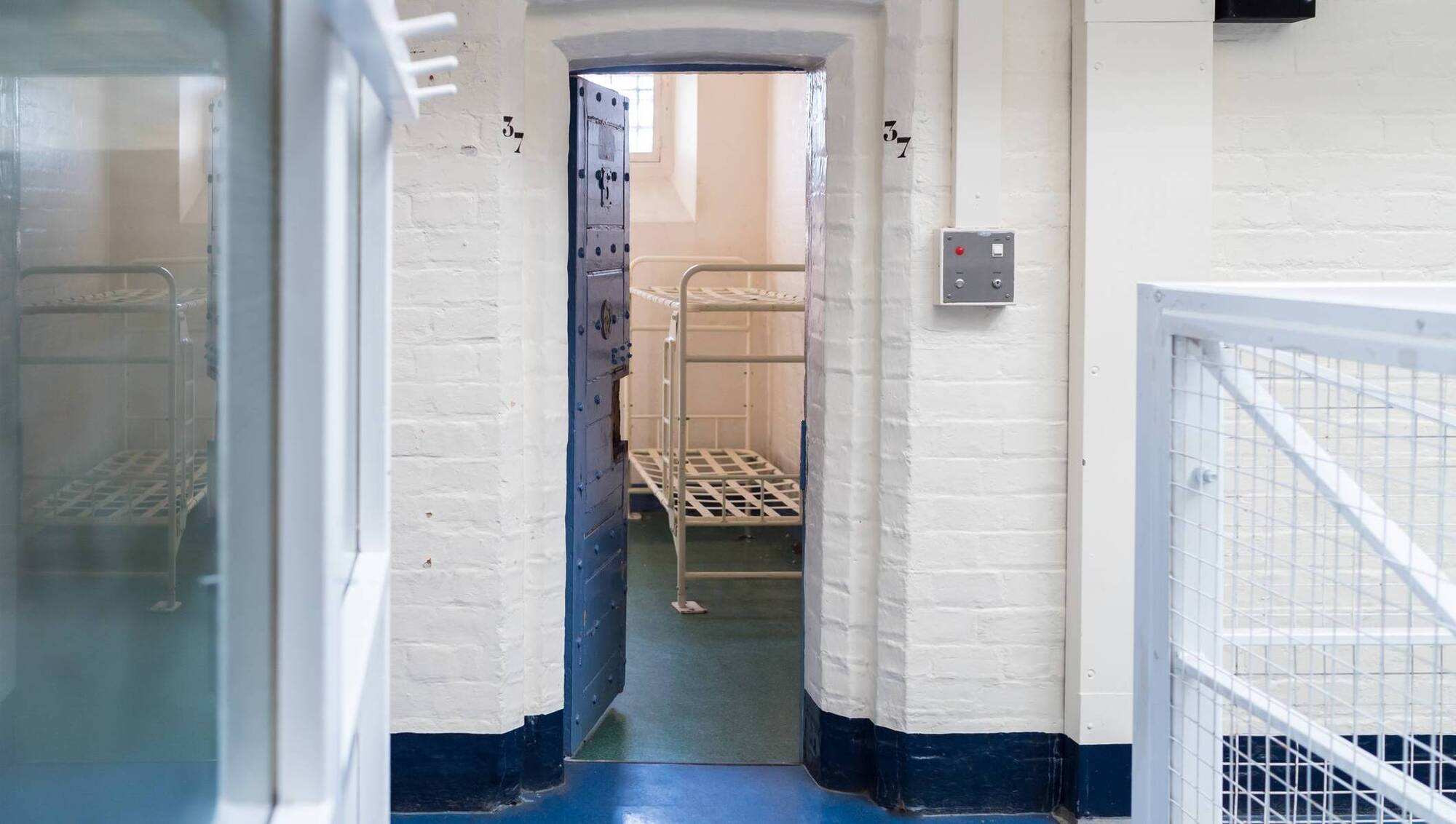
An independent evaluation report carried out by University College Cork and the University of Limerick found the programme was effective in enhancing communication and relationships between incarcerated parents and their children.
A programme that helps cultivate relationships between parents in prison and their children is in jeopardy if it is not allocated dedicated funding for next year, its founders have said.
Since 2019, more than 100 prisoners have taken part in the Reach Out programme, at a total cost of €168,423.
While its funding to date has been sourced from various bodies including the HSE, the Probation Service, and the St Stephen’s Green Trust, calls are being made for direct funding of €120,000 to secure its future for 2027, its chairperson said.
“There’s only €13 left in the account,” chair Pat Montague told the , adding the programme had been run to date on a “shoestring” budget.
An independent evaluation report carried out by University College Cork and the University of Limerick found the programme was effective in enhancing communication and relationships between incarcerated parents and their children.
The programme includes a child development module that focuses on intimacy and connection; child interest surveys; and the allocation of a mentor.
Family days are also facilitated, which offer parents and their child the opportunity to play, to share food, and to use learnt communication skills to help deepen their bond.
Read More
Those selected for the programme must be deemed suitable — for example, they must not be serving a sentence for domestic abuse.
More than 75% of those who took part in the programme between March 2025 and August 2026 had addiction issues.
As part of the study, 20 fathers and 15 mothers were interviewed in prison, along with four facilitators and 11 prison officers or staff.
The report said the programme appeared to be valued by prison staff, some of whom told researchers it had allowed “more meaningful communication between mothers and their families, in some cases enabling first-time physical visits” and prompting caregivers to offer parents a “second chance”.
Montague said the study, to be launched at Buswells on Tuesday, was carried out to help make the argument for continuous funding.
He said Reach Out was developed because parental imprisonment was a significant social issue with far-reaching consequences for the children of imprisoned parents, their families and wider society.
“This can have a profound impact on the children involved as it can create a distance between the incarcerated parent and the child and can impede the child’s development.”
The Reach Out programme was developed by the Cherry Orchard-based Fusion CPL in conjunction with the child and family organisation, Archways.
The departments of Justice and Public Expenditure and Reform have been contacted for comment.

CONNECT WITH US TODAY



Be the first to know the latest news and updates