New alliance of aid agencies makes sense in a fragmented world
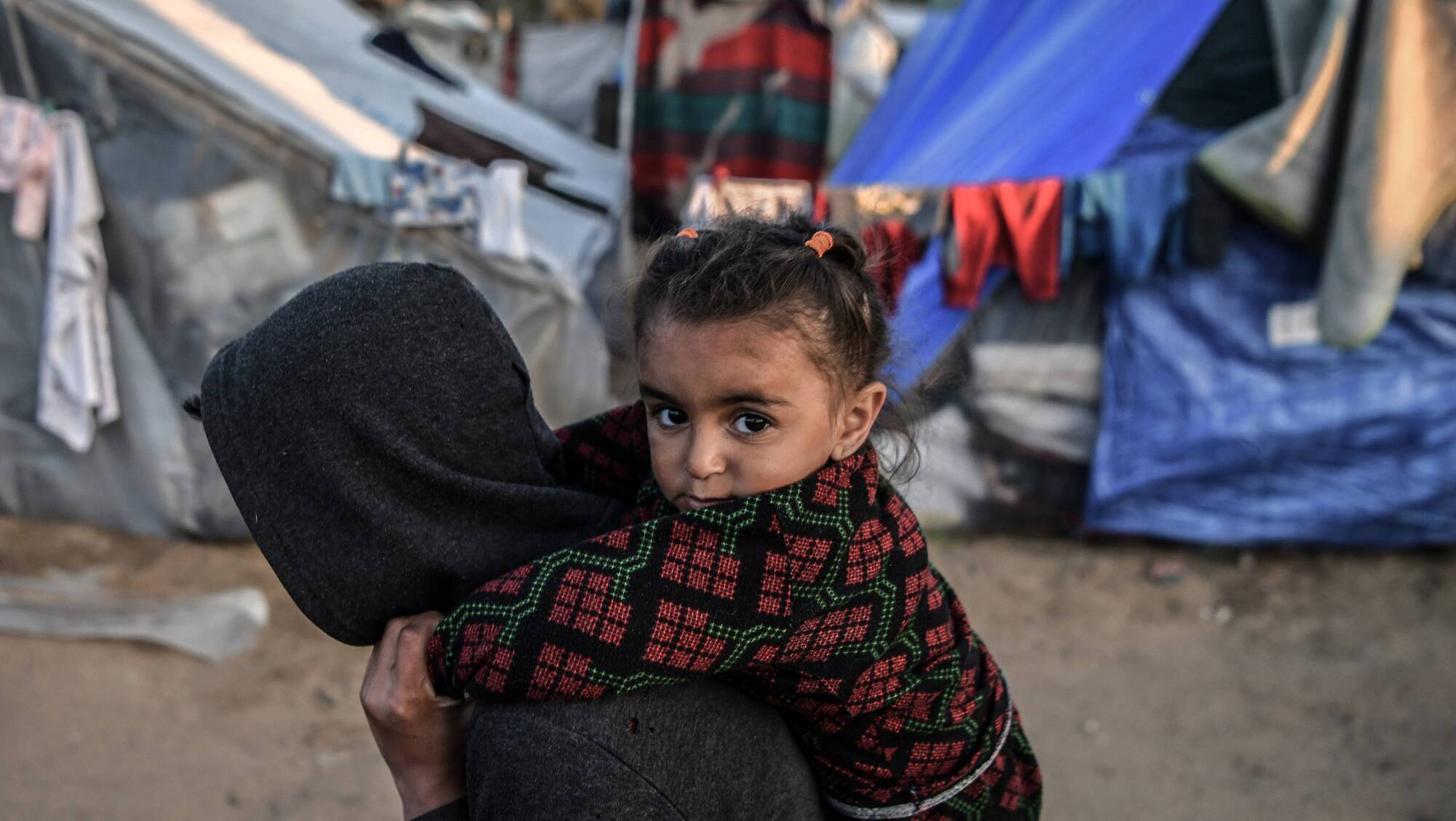
A girl living in a displacement shelter in Rafah, Southern Gaza in 2024. What remains of Gaza is still in desperate need of aid and the true death toll of the genocide may never be known. Picture: Terre des hommes / Abed Zagout
These days, it’s not so much that we live in interesting times, as increasingly fragile and fraught ones. With climate-induced disasters, shifting geo-political alliances, famines and ongoing wars in Ukraine and the Middle East, it’s difficult to be optimistic about the future.
The rise of unilateralism in international relations with states acting without regard to long-honoured international norms, has made navigating that future much more challenging. Indeed, as we mark World Humanitarian Day, it is difficult to imagine a time when the world was more unstable, and in desperate need of effective humanitarian response mechanisms.
With almost 240 million people worldwide in need of urgent assistance and protection, a co-ordinated and effective response is critical. Put simply, agencies and governments need to get smarter and innovative when disasters strike.
One organisation which is doing just that and putting the Irish expression ‘Ní neart go cur le chéile’ (unity is strength) into practice is the Irish Emergency Alliance. This is a national partnership of Irish emergency and humanitarian agencies working together to help countries respond to and recover from natural and humanitarian disasters.
Read More
The members are leading aid agencies in Ireland. They include ActionAid, Christian Aid, Plan International, Self Help Africa, Tearfund Ireland, Trócaire and World Vision. Recently, the number of members increased to eight with Oxfam becoming the latest agency to join.
While this coming together to mount a national appeal is a relatively new concept here, alliances such as this have been established in other countries for many years. In the UK for example, the Disaster Emergency Committee (DEC) has been in existence for decades and is hugely successful. There is also a global group of similar alliances of which the Irish Emergency Alliance is a member.
With the Middle East on fire and the war in Ukraine in its fifth year, these alliances are and will be needed in the future if the support of wealthy countries is to be sustained. The war by Israel and the United States in Iran (and Israel in Lebanon) has caused thousands of civilian deaths, mass displacement of people and a global energy crisis.
The World Food Programme forecasts that if the war against Iran continues it will push an extra 45 million people into acute hunger. What remains of Gaza is still in desperate need of aid and the true death toll of the genocide may never be known.

As we are seeing, emergencies do not respect borders or organisational boundaries. When crises occur, speed and co-ordination is vital. The Irish Emergency Alliance exists to ensure that future responses from Ireland will be delivered through collaboration, not competition.
By using a joint national appeal mechanism, the alliance fundraises collectively enabling a more coherent, effective response.
Over a 14-day period, the agencies work together, share planning and fundraise as an alliance. This way the response can be focused in one place, with donors knowing that their contribution will be spent efficiently as part of one co-ordinated national appeal.
While each organisation retains its own identity and specialist capability, they all benefit from the alliance through shared planning, joint training and the ability to reach more people during times of crisis. This collective approach reduces duplication and strengthens decision-making.
Since its establishment in 2019, when the alliance launched its first appeal in response to the coronavirus pandemic, the Irish Emergency Alliance has co-ordinated a number of national appeals.
These include appeals for Ukraine, the Horn of Africa hunger crisis, the Turkey–Syria earthquakes, the Gaza and Lebanon conflict, and the Myanmar earthquake.
Over the course of six campaigns, the alliance has collectively raised almost €7 million. Using a proven model and tapping into the enormous potential that a shared response generates, we have been able to act decisively and get vital aid to where it is needed speedily.
For example, thanks to the millions of euro contributed by the Irish public, the Irish Emergency Alliance and its members were able to reach tens of thousands of people impacted by the devastating earthquake that struck northern Syria and southern Turkey in February 2023.
Families were provided with emergency shelter, food, medical support and cash for other essentials. The combined response helped get children back into school quickly as well as providing them with key emotional supports.
The Irish Emergency Alliance was also able to reach tens of thousands of people impacted by the conflict in Gaza, Lebanon and the West Bank.
Following the indiscriminate and relentless attacks on civilians, families have been forced to gather what little belongings they have and relocate countless times.
The funds raised by the Irish Emergency Alliance, ensure its members are there on the ground, providing essential support.
The work of the Irish Emergency Alliance is supported at a national level by the Irish Government and RTÉ, the national broadcaster as part of its public service remit.
Government support exists for the concept of a joint appeal, and the Department of Foreign Affairs and Trade has agreed to match fund the next Irish Emergency Alliance appeal up to €500,000 on a pilot basis. This means that every euro donated by a member of the public will be matched by a euro from the Government up to that amount.
A growing number of corporate partners, trusts and foundations recognise the benefits of a joint appeals mechanism in Ireland and have offered their support to the alliance’s national appeals. Business and the corporates are enthusiastic about agencies being more efficient through collaboration.
As a former minister for overseas aid, I can readily see the benefits of agencies collaborating rather than competing for funds. At a time of aid cutbacks all over the world in favour of more defence spending, it is critical that public funds are deployed where they will yield the greatest benefit.
Ireland has always been a strong voice and supporter of humanitarian aid. We don’t do wars; as a non-militarily aligned neutral country; we do development, peacekeeping and humanitarian relief.
Because of our own race memory of famine, colonisation and mass displacement, the Irish public are very generous donors, which is testament to our beliefs and values as a people.
In an increasingly troubled world, the work of the Irish Emergency Alliance will ensure that here in Ireland, when a joint appeal is launched, that all funds raised are used to maximum effect as part of a unified and co-ordinated campaign.
- Liz O’Donnell is chair of the Irish Emergency Alliance (IEA). She served as minister of state at the Department of Foreign Affairs from 1997 to 2002. For more information about the Irish Emergency Alliance go to irishemergencyalliance.org


CONNECT WITH US TODAY



Be the first to know the latest news and updates