Budget 2027: Excise is not the problem for rural pubs, off-licences are
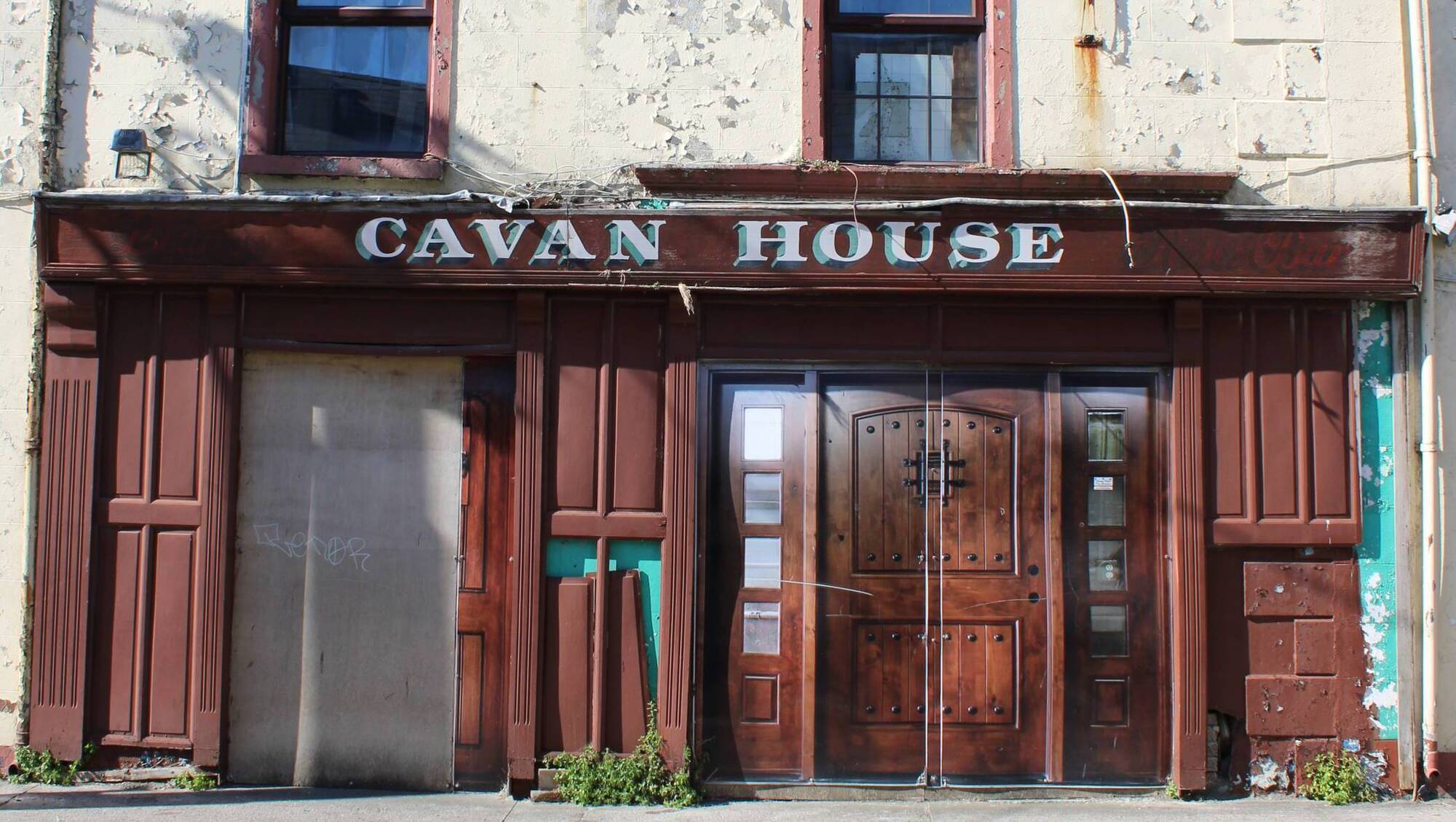
Pub closures are on the rise because Ireland is 'overpubbed', population shifts, changing consumer behaviour, and the ubiquity of off-licences.
For several months, publicans across Ireland have pushed the narrative that excise duties on alcohol are responsible for pub closures, claiming that excise has made the price of a pint unaffordable, reducing trade and forcing pubs, particularly rural ones, to close.
Some politicians and much of the media have swallowed this whole. Interesting as that claim may be, there is just one problem — it isn’t true.
Rural pubs have closed over the last decade, but the reasons are multifaceted: population movement, changing consumer behaviour, and cannibalisation within the alcohol industry itself. None of this has anything to do with excise duties which haven’t changed since 2014.
Don’t take my word for it — representatives of the pub trade have said as much themselves.
In 2023, the chief executive of the Licensed Vintners Association (LVA) stated plainly: “Rural pubs are closing because they don’t have a market. Their customer base is vanishing. New pubs aren’t going to appear in locations that aren’t commercially viable… One in five of this country’s pubs have vanished since 2005. The vast majority of those have been rural pubs. That is because as a country we are already overpubbed.”
Read More
It is rare that Alcohol Action Ireland agrees with the LVA, but on this point they are correct. A recent study from the University of Sheffield found Ireland ranks third in the world for pubs per capita, and despite reported closures, research from Maynooth University and the Health Research Board (HRB) found there is one pub for every 684 adults nationally, with rural counties having even greater density — there’s a pub for every 330 people in Kerry.
These studies point to the core reason for the rural pub decline — competition within the industry itself, with rural pub drop-off corresponding to a rise in off-licences.
This decline is rooted in how alcohol licensing works. A liquor licence is permission to trade in alcohol, giving the licensee, subject to law, the right to sell intoxicating liquor from their premises. The foundation of modern licensing in Ireland was the Licensing (Ireland) Act 1902, which essentially prohibited new licences for both on- and off-licences.
That changed dramatically with the deregulatory Intoxicating Liquor Act 2000, lobbied for by the alcohol industry and enacted by government, which allowed a licence to be obtained by extinguishing another licence anywhere else in the State, thus creating a national, tradeable market in licences that now trade for tens of thousands of euros.
This has resulted in many rural pub licences being sold to supermarket and petrol station chains, with others transferred to urban areas.
This deregulation created the conditions for the decrease of rural pubs in two ways: by flooding the market with cheap, ubiquitous alcohol that ate into pubs’ share of trade, and by allowing rural pub licences to be bought up and converted into off-licences.
The data reveals an industry eating itself. Revenue figures show a 27% fall in pub licences since 2003, while off-licences have more than doubled over the same period.
Such has been the growth in off-licences, there is now a liquor licence for every 345 people nationally, with 75% of the population, 3.88 million people, living within 300 metres of a licensed premises.
This has fostered a situation where drinking at home has become more commonplace. If vintners want the real answer as to why rural pubs are closing, they need only look within their own industry.
This is why blaming excise is not just untrue but dangerous. Cutting excise will not undo the range of issues affecting the rural pub trade: Ireland being “overpubbed”, as the vintners themselves point out; population shifts; changing consumer behaviour; or the ubiquity of off-licences.
Excise, for instance, accounts for less than 10% of the price of a pint and raises just €1.2bn annually. Not only that but it applies to all alcohol sales including off-licences.
Nor should we forget the reason excise exists — because of the harmful nature of alcohol as a product. Its imposition reflects alcohol’s specific harms: illness, death, criminal justice costs, lost productivity, and road collisions, among others.
So much so, using WHO and OECD calculations, alcohol harm is estimated to cost the State around €14bn a year. Someone must pay that tab, and excise is the alcohol industry’s minimal contribution.
Cutting excise will not solve their problems, which were created by government deregulation demanded by the alcohol industry itself.
Unless government re-introduces tighter controls on the number of off-licences, or Minimum Unit Pricing for alcohol is increased to stem the flow of cheap off-licence alcohol into the market, the core issue will remain, and rural pubs will keep selling their licences, either for use as off-licences or urban pubs.
If government really wants to support rural Ireland, then it is essential Simon Harris doesn’t throw good money after bad by cutting alcohol excise duties in the Budget.
- Sheila Gilheany is CEO of Alcohol Action Ireland


CONNECT WITH US TODAY



Be the first to know the latest news and updates