Ireland 'decades-behind' Europe in intelligence-gathering and contribution to EU security
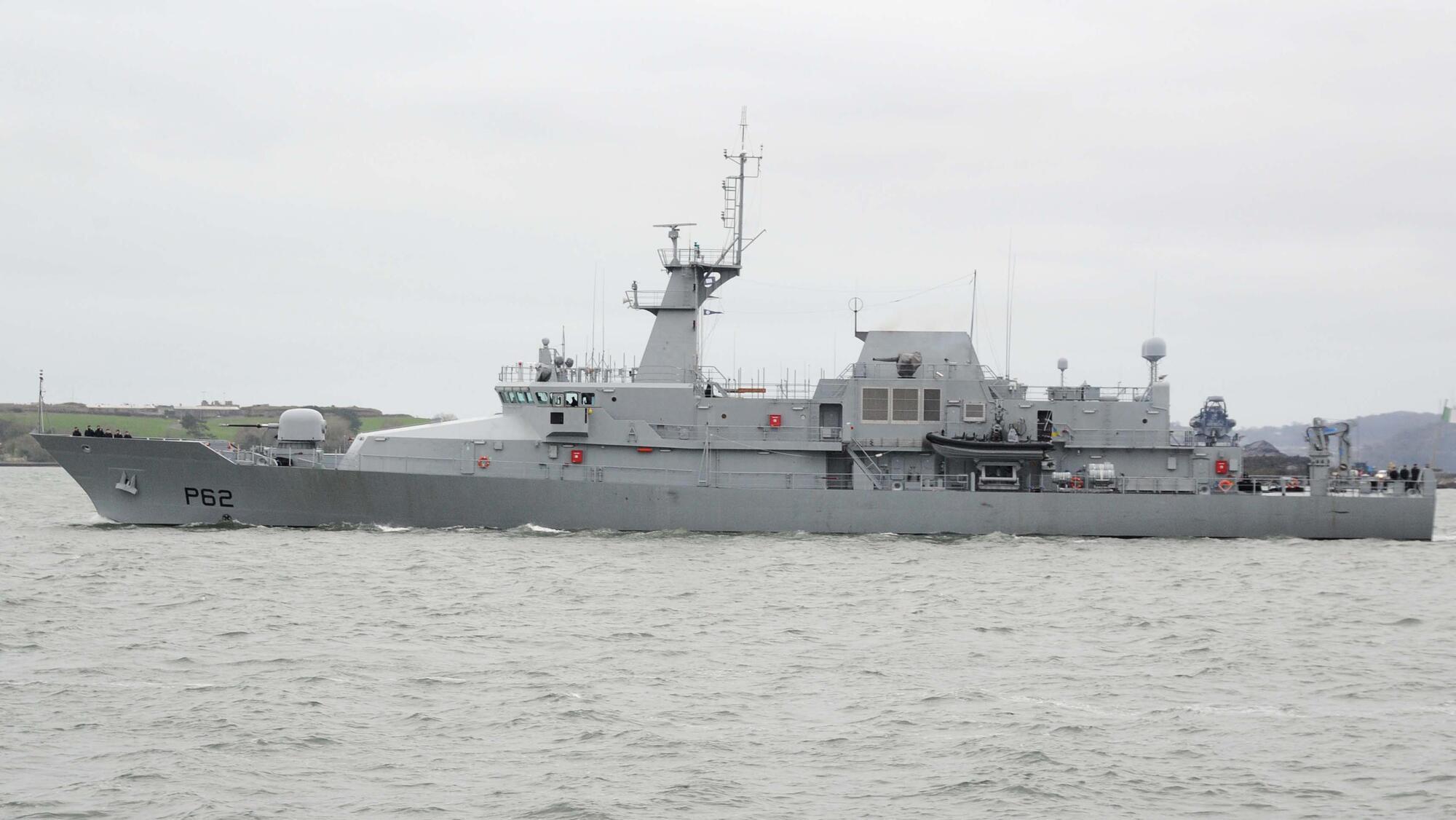
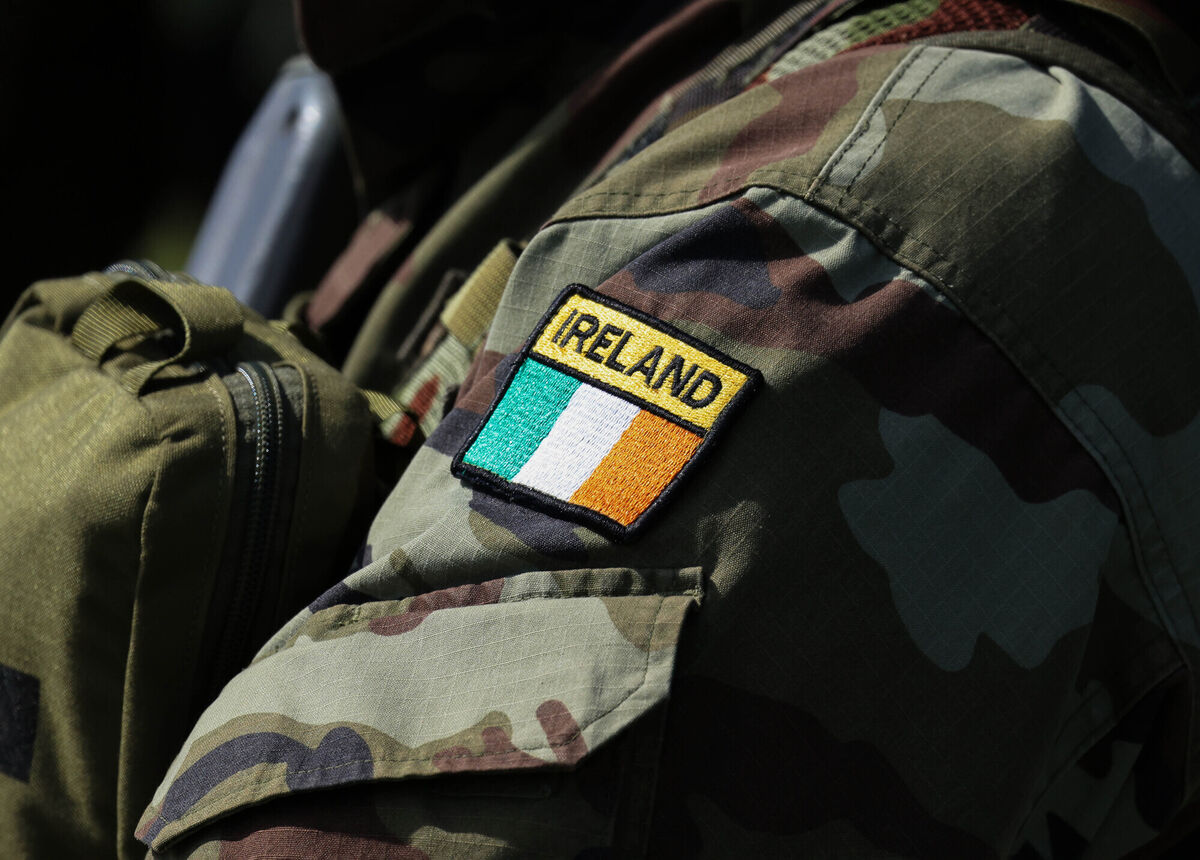
'Ireland remains a neutral country with an underfunded small military, no centralised intelligence service, poor defence spending and a lack of national consciousness of such topics in general.' Picture: Denis Minihane
Ireland is “decades behind” Europe in terms of effective intelligence-gathering and its contribution to EU security, according to Irish security experts.
Emmet Foley and Professor Christian Kaunert, both attached to the International Security Programme at Dublin City University, have said the Irish public has been “blinded” into believing neutrality is “a shield against all foes”, which they say is not the case.
In a paper published in the , the authors say “malign actors” such as Russia, Iran, and China pose “credible threats” to the security of the Irish State.
They stress this does not mean there is a danger of direct military action against Ireland, but a “more insidious” threat, including cyber-attacks, political interference, industrial espionage, and online disinformation.
The research, entitled 'Ireland and European Intelligence: Trust and Mistrust in Europe’s Weak Link?’, said Ireland has had a policy of neutrality since the foundation of the State in 1922.
“This makes the question of Ireland’s place in European security a puzzle, as it is home to a highly developed economy based on smart tech, pharmaceuticals, and finance,” the paper said.
It said Ireland’s participation in EU intelligence initiatives would be “vital” in the years ahead.
Ireland currently holds the presidency of the EU, and security is one of its three priorities, with the Government tasked with steering a wide range of security initiatives over six months.
Foley and Kaunert's paper said intelligence in Ireland was “split” between military intelligence and An Garda Síochána, resulting in a corresponding divide in intelligence capabilities.
It said neither organisation had a dedicated budget for intelligence and their intelligence sections had to compete with a host of other demands for funding, leaving it with “very little” provision.
The paper said neutrality was the “umbrella” under which all topics regarding intelligence, security, and defence were viewed within the State.
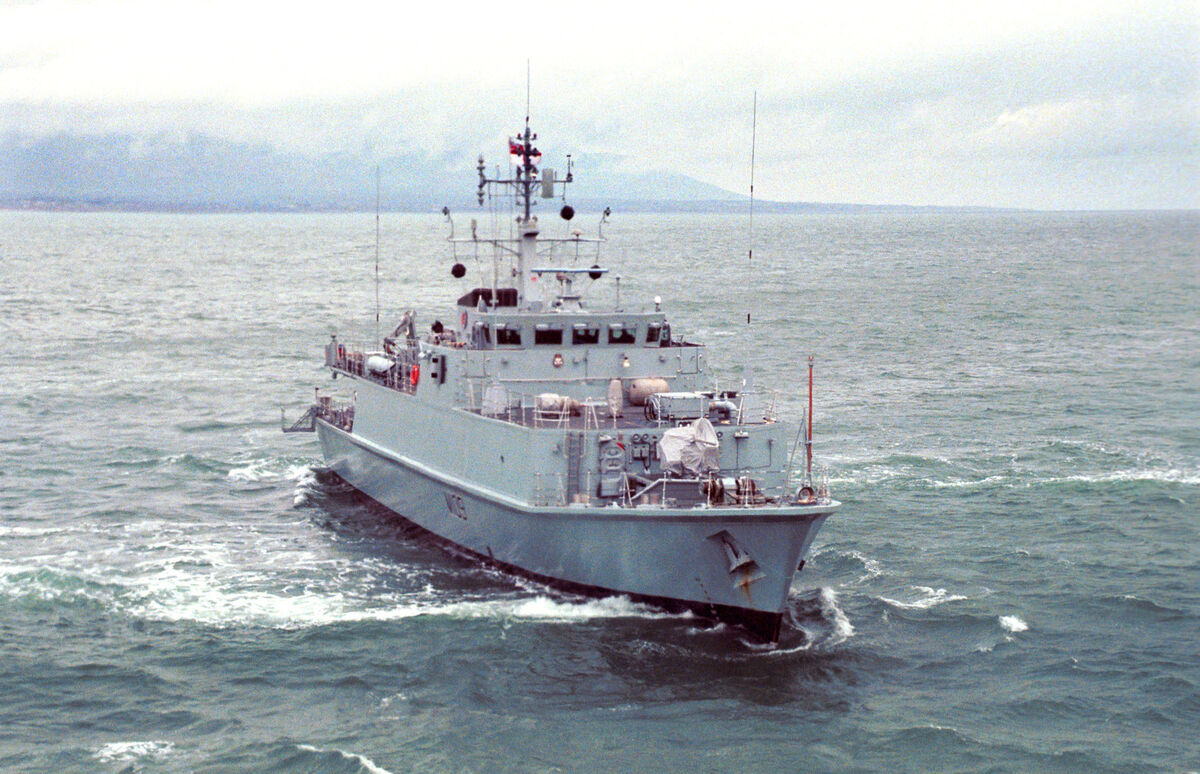
“Ireland remains a neutral country with an underfunded small military, no centralised intelligence service, poor defence spending and a lack of national consciousness of such topics in general,” it said.
The authors point out “trust” is particularly important when it comes to sharing between intelligence agencies and this trust is “often built on a personal relationship”.
It said Ireland “has built up intelligence-sharing mechanisms” in recent years with a range of EU partners and said Ireland had signed various bilateral agreements with other states on sharing intelligence, with the US and UK the strongest relationships.
It said there were also informal intelligence-sharing arrangements, such as with France, and some sharing with Germany, the Netherlands, and Belgium.
The paper said security and intelligence service cooperation “has also increased” and military and security-related information exchange has “risen significantly”.
The paper points out 75% of transatlantic internet cables pass through or near Ireland’s exclusive economic zone and 30% of Europe’s data is hosted in Ireland.
In addition, tech giants like Apple, Google, and Meta have their European headquarters in Ireland, and many leading pharmaceutical corporations are based here.
It said tracking Russian submarines in Irish waters and Russian bombers in Irish airspace has been left to the British navy and the RAF.
It commented: “In the modern world, this is entirely unacceptable, and in terms of neutrality, how can Ireland be neutral if it abdicates parts of its national defence to a foreign power?”
Concluding, the paper said: “The Irish case is complicated by its neutrality. Anything related to security and defence is viewed through the prism of neutrality, and anything that might endanger this core value is resisted.
The authors point out Ireland already cooperates “very effectively” with European partners in the realms of criminal justice, but the same could not be said of intelligence.
“To build trust, Ireland needs to develop its intelligence capability in line with EU norms and, from that capability and reliability, build trust with EU partners,” the paper said. “To be clear, this does not mean military alignment or a divesting of our neutrality.”
The paper coincides with the separate publication by a French news magazine of a survey of 60 intelligence professionals from 25 countries regarding which country had the best intelligence service.
The research, conducted by magazine, said 21 intelligence agencies received a score, from as high as 251 points for Britain’s Secret Service MI6, to as low as one point for Latvia.
Interestingly, Dutch intelligence, which boasts separate military and civilian agencies, was ranked third (97 points), ahead of larger and wealthier EU states.
Ireland did not receive any points in the survey, although the magazine did say Ireland, along with fellow zero-pointer Luxembourg, were sought after for “certain financial investigations”.
Security sources in Ireland have suggested to the the zero points could reflect the reality that Ireland does not have either a dedicated foreign intelligence service or a single intelligence agency, which most European countries have.
Outside of intelligence affecting overseas deployments of Defence Forces' personnel, the Irish Military Intelligence Service has a limited role in foreign intelligence and does not have the staffing, resources or legal underpinning for such a function.
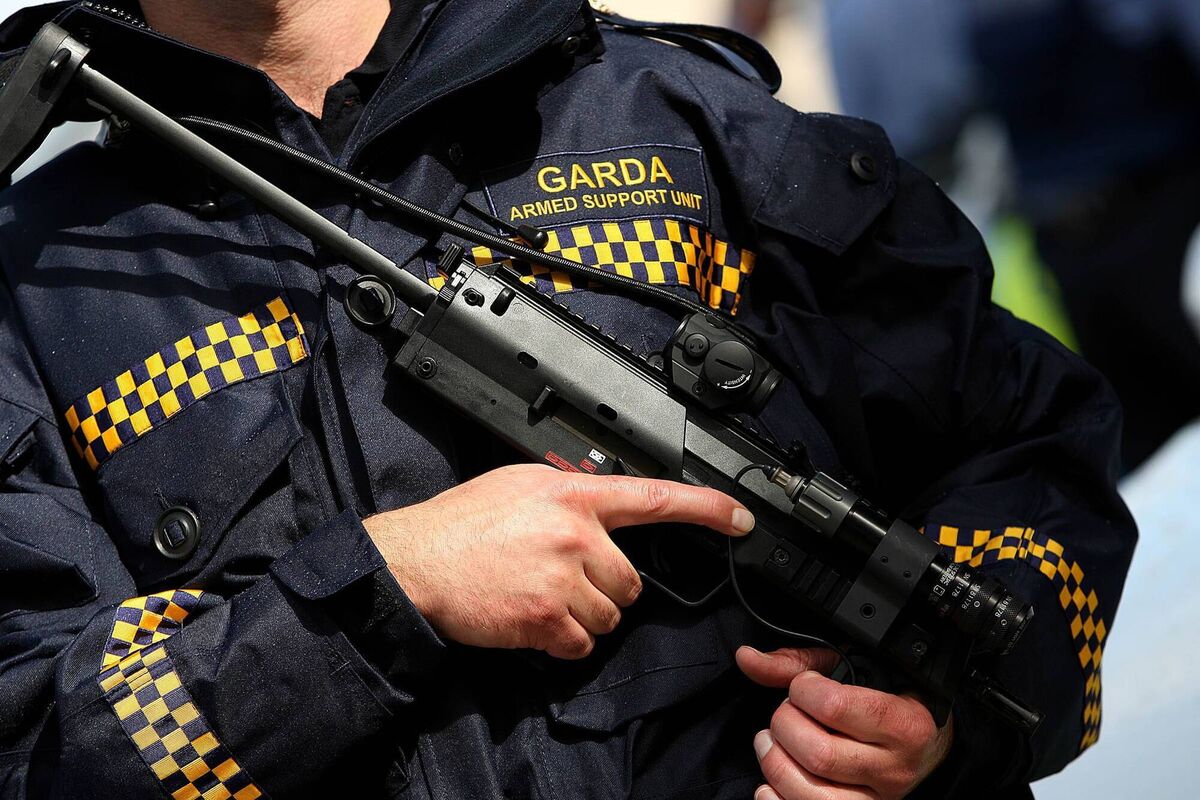
The Garda National Crime and Security Intelligence Service is an internal security service, with no foreign intelligence function, let alone resources, but does engage with foreign intelligence services, particularly in Europe.
The Commission on the Future of Policing in Ireland, which reported in September 2018, had examined the possible establishment of a separate intelligence agency, but decided against it.
It did stress national security “should not be lodged entirely” within the police, and there should be a more structured multi-agency approach to security.
It said other countries typically have several agencies with responsibilities for different aspects of the threat to national security — external, internal, cyber, infrastructure resilience, and so on — and a national security adviser coordinating those agencies, usually reporting to the head of government.
Consequently, the commission recommended the establishment of a new strategic threat analysis centre, based in the Department of the Taoiseach and headed by a full-time national security coordinator, reporting to the Taoiseach.
The office would “bring together all sources of security intelligence and information” — from An Garda Síochána, the Department of Justice, the National Cyber Security Centre, the Defence Forces, the Department of Foreign Affairs, and any other sources — to develop and provide briefings and advice to the Taoiseach on all matters of national security.
“The coordinator should be responsible for synchronising national security strategy,” it said.
The report said the strategic threat analysis centre's purpose would be to synthesise intelligence and information, whether from Irish agencies, foreign liaison partners, or open sources, and to provide the Taoiseach with regular threat analyses.
It would carry out long-term threat assessments based on wide geopolitical analysis, and conduct threat analysis requested by the police or other agencies.
The body would also have the crucial, and new, role to “develop intelligence-gathering requirements” which may then be assigned to An Garda Síochána and other relevant agencies to guide their intelligence collection activities and “to ensure no overlap between them”, for instance, between police and military intelligence gathering.
In addition, the commission said the Garda’s security and intelligence capability “must be strengthened”.
It said this must be done by means of a “ring-fenced budget” and an ability to recruit specialist expertise — analytical, technological, and legal — directly and quickly.
“This is a matter of urgency,” it said.
Much of the above did not come to pass, unfortunately, and the National Security Analysis Centre (the renamed strategic threat analysis centre), had a short and limited life and has since been downsized and renamed as the National Security Secretariat.
One of its first key tasks was to develop the National Security Strategy 2020-2025, which never materialised, with various drafts endlessly circulating corridors for years.
This is despite the emergence of Russia’s full-scale invasion of Ukraine, the march of the far-right in Europe, Russian military and spy intrusion in or near Irish waters, Irish energy insecurity and vulnerability of critical infrastructure, Israel’s genocidal campaign in Gaza, the emergence of Islamist and right-wing terrorism in Ireland, and the global wrecking-ball of Trump mark 2.
The previous Government did set up the Consultative Forum on International Security Policy in 2023, culminating in a concise report that October.
The Government has committed in recent years to the construction of a state-of-the art intelligence building for Garda Security & Intelligence, and there has been talk about direct hiring.
The dedicated ring-fenced budget has not yet happened.
There seems to be greater political recognition of the need to expand the resources and capabilities of Security & Intelligence, and its operational arm, the Special Detective Unit, to combat a wider range of threats: from political and economic espionage, both physical and cyber; protecting critical infrastructure, including democratic institutions; responding to disinformation and foreign influence operations; countering potential acts of sabotage and preventing and monitoring violent extremism and terrorism.
The Commission on the Defence Forces, which reported in February 2022, likewise called on the Government to “significantly strengthen” military intelligence and cyber military intelligence.
It said the roles and responsibilities of military intelligence should be “urgently clarified, and underpinned by appropriate legislation”.
It called for the establishment of a military intelligence school, which could facilitate “enhanced cooperation and joint training opportunities” between military intelligence and their Garda counterparts.
A new modern military intelligence block has been built at McKee Barracks in Dublin, and the intelligence school has started.
The Government is still working on proposals regarding laws to underpin the role of military intelligence.
Pending the ongoing battle to increase net recruitment into the Defence Forces, and enhanced funding, the requisite resources and capabilities may follow.
As the Irish Examiner reported recently, Ireland is still rooted at the bottom of the EU table for defence spending, despite increased budgets, reflecting the very low base the country is coming from.
Ireland remains, according to Foley and Kaunert, “decades behind the EU” in the intelligence field.
Garda and military sources are eager to build their capabilities, not least because they see the threats.
What they are looking for is sustained political interest.
- Cormac O'Keeffe is security correspondent

CONNECT WITH US TODAY



Be the first to know the latest news and updates