Convention can be cornerstone for teachers shaping future generations
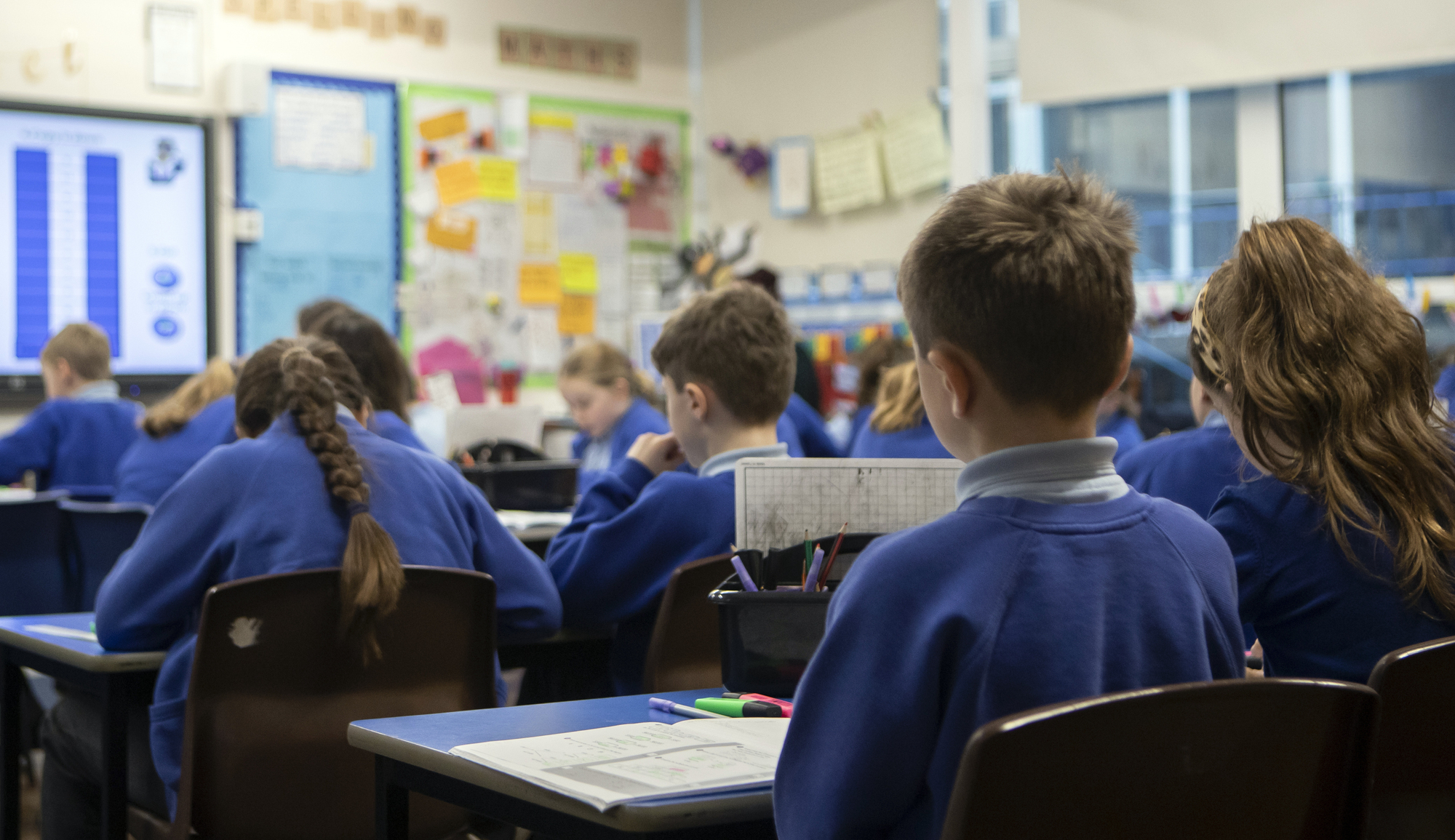
The Department of Education and Youth has yet to deliver on promised training and planning time for the redeveloped curriculum, while many small rural schools are increasingly left to fend for themselves. File picture: Danny Lawson/PA Wire
Last weekend marked the commencement of the National Education Convention, with expectations growing that the forum will have far-reaching implications for Ireland’s education system.
While such conventions may appear novel to some, teachers remember the last one well.
Some 33 years ago, a similar convention examined the pressing needs of primary and special education.
It highlighted the importance of reducing class sizes, called for the establishment of a national psychological service for schools, and raised concerns about the cost of schoolbooks, the pressures on principal teachers, and the condition of school buildings across the country.
There is no doubt that many of the issues raised at that time were eventually addressed and some improvements have been made since.
However, the pace of progress has been frustratingly slow.
Ireland still has the largest class sizes in the EU.
The ratio of educational psychologists to schools remains well below the European average.
Children with additional needs continue to wait far too long for assessments and access to therapeutic supports.
Unlike most other countries, Irish schools have no dedicated special education co-ordinator posts.
The Department of Education and Youth has yet to deliver on promised training and planning time for the redeveloped curriculum, while many small rural schools are increasingly left to fend for themselves.
The profession itself is also feeling the strain.
The deep scars left by unilateral cuts to middle management posts and allowances for qualifications attained after initial teacher education during the austerity era have made teaching less attractive than it once was.
The consequences are evident in the thousands of Irish teachers who have left to work abroad where their skills are better recognised and rewarded.
Despite increased investment in special education and measures to address disadvantage, teachers striving to support inclusion remain concerned about the lack of adequate training, resources and specialist supports.
Therefore, it was no surprise to learn that so many school workers and parents highlighted the dearth of supports for inclusion as a key issue in the pre-convention survey answered by 42,568 people.
As the largest education union in Ireland, the INTO intends to articulate with authority the main issues and concerns for our members at the 2026 convention.
We will bring influential, considered ideas.
We hope such constructive recommendations will be taken seriously and implemented with urgency.
Central to our contribution will be strengthening the status and attractiveness of the teaching profession, building on the high levels of public trust teachers continue to enjoy.
Teachers must have greater autonomy and agency in their work, and their professional voices must be central to discussions about system improvement.
Recruiting and retaining high-quality teachers will be critical in the years ahead.
The link between this aspiration and high-quality initial teacher education, meaningful continuing professional development and a clear career pathway must be recognised.
The scale of the challenge is already visible.
During the 2023–24 school year, nearly 9,000 unqualified individuals were employed to cover teaching roles in primary schools and thousands of classes had no cover at all.
Ensuring that every pupil has a qualified teacher every day should be a basic tenet of Government policy.
The convention must also confront the reality of inclusion in Irish schools.
Around 250,000 children with special educational needs are educated in mainstream settings.
They deserve properly resourced inclusive classrooms, adequate teaching supports and access to the health and social services required to help them reach their full potential.
Special schools, which provide essential placements for children with complex needs, must also receive the support they require to continue their vital work.
There is also an urgent need to tackle educational disadvantage.
As we await the long-promised DEIS Plus scheme, first proposed by the INTO four years ago, targeted support for communities that have experienced inter-generational poverty is essential.
Education must also equip young people for a rapidly changing world.
Schools must be supported to address emerging challenges such as climate change, online safety and artificial intelligence, while continuing to nurture creativity, curiosity and critical thinking among pupils.
The wellbeing of teachers and pupils cannot be overlooked.
Many school communities feel overwhelmed by the pace of change.
The department must take note and release the pressure.
Teachers influence generations of pupils.
Their professional insight must remain central to curriculum development and educational reform in the decades ahead.
Primary schools remain the heart of communities across the country.
Investing in them would be the most meaningful outcome of the national convention. The Government must now match ambition with action.

CONNECT WITH US TODAY



Be the first to know the latest news and updates