HSE will not publish report showing that 4,200 people need residential disability placement
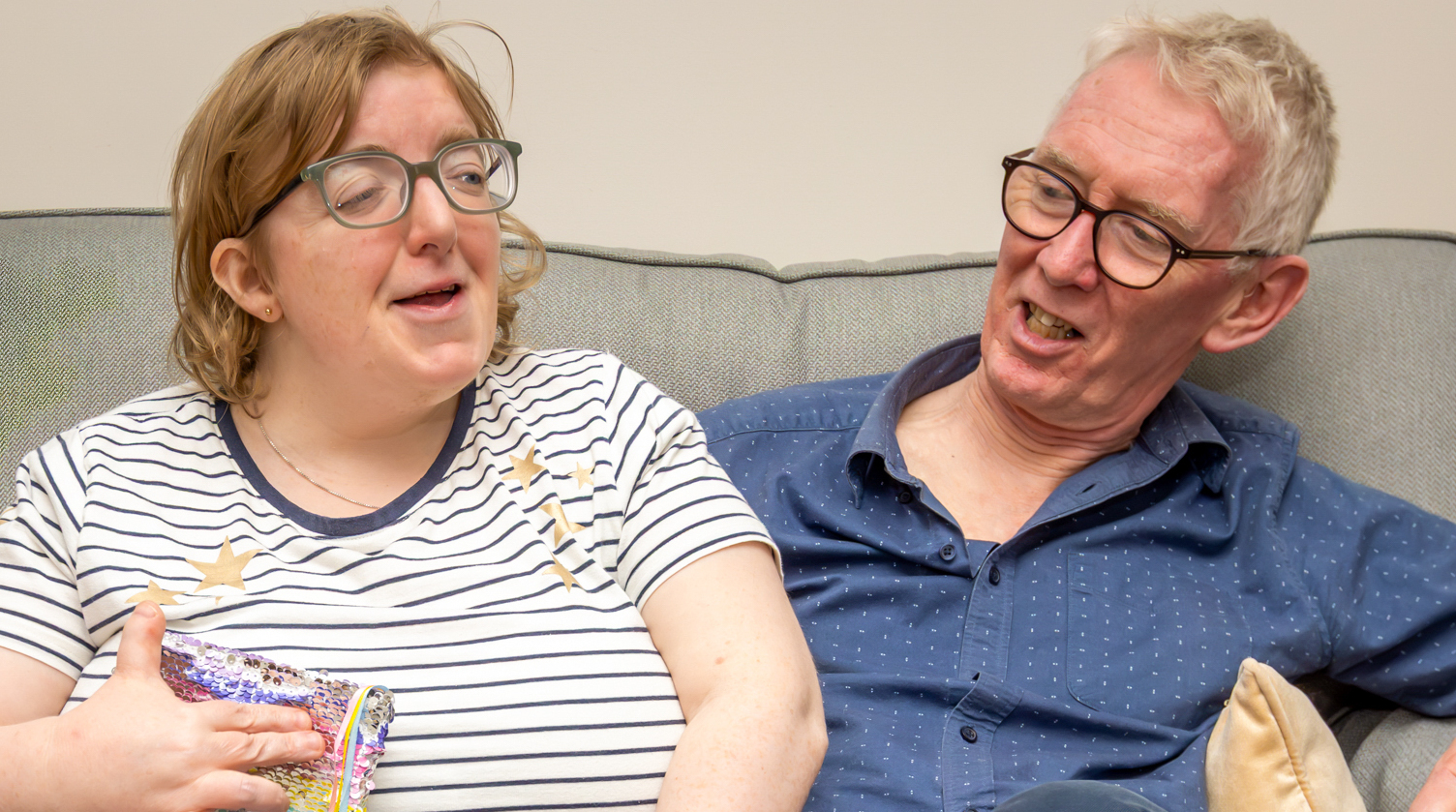
Before We Die campaign founder Tony Murray, 71, with his 42-year-old daughter Aoife, who has an intellectual disability. Picture: Neil Michael
More than 4,200 people in Ireland require a residential disability placement, according to a long-awaited HSE report that highlights mounting pressure on already stretched services.
The HSE's National Disability Services Needs Analysis, which has yet to be formally published, identifies a total demand for 4,288 residential places.
This includes 1,649 people currently on disability placement waiting lists, 2,197 people expected to require residential supports between 2025 and 2030, and 442 people who have been in receipt of residential supports.
The figure of 4,288 represents around one-third of the total identified demand for residential disability services across the country, according to the report commissioned by the HSE from consultants Grant Thornton last spring.
The report repeatedly warns that those figures should be "interpreted as indicative of the level of demand, and not an exact figure" due to the limitations of the datasets used.
Of the 1,649 people currently awaiting residential placements, at least 330 are classified as Priority 1 cases requiring emergency intervention.
The report does not provide a breakdown of the overall figure of 4,288 between adults and children.
Separately, nursing home placements within disability services increased by 96% to 229 between 2023 and 2025, the report states.
Read More
It estimates that at least 7,195 disabled people will be living with carers aged over 60 by the year 2030, compared with 5,341 at present, a 35% increase.
The 152-page report became the subject of controversy last month after the HSE told carers and advocates that, while it was "not being withheld", it was also not to be published.
In releasing the report to vested interests, the HSE reiterated that "as the report is being regarded as indicative rather than definitive, publication will not be undertaken".
Tony Murray, spokesperson for ageing carers group Before We Die, said the new report "puts numbers on what we already suspected".
"There is nothing really dramatic, but it confirms what is coming down the tracks," he said.
Mr Murray said the report's release provokes further questions as to why it has not been officially published.
"There's nothing that you couldn't extrapolate from existing figures, but the numbers are vital for all planners to see, including TDs.
"There were only 100 new places approved in the budget, and then we have had to fight for this report," he said.
Social Democrats spokesperson on disabilities Liam Quaide said it was "absolutely unacceptable" that the needs analysis "had to be forced out of the HSE".
"Disabled people, their families, and the wider public were entitled to see these findings without having to fight for their release. The HSE and Government now need to set out a credible plan to address these failings.”
Of the report's findings, Mr Quaide said they "lay bare the extraordinary scale of dysfunction and neglect across Ireland's disability services".
"This is the consequence of years of inadequate investment, poor planning and an abject failure of leadership," he added.
A spokesperson for the HSE said the analysis was commissioned to provide an evidence-informed understanding of current and emerging needs across Ireland's disability services system. They acknowledged limitations in the underlying data and said work is under way to improve the quality and integration of disability service data.
They added: "The rise in nursing home placements is demand-led, responding to increasingly complex presentations and to prevent people from remaining in acute hospitals beyond medical need."


CONNECT WITH US TODAY



Be the first to know the latest news and updates