Cork hospital loses 50% of CT capacity as radiographer vacancies delay patient care
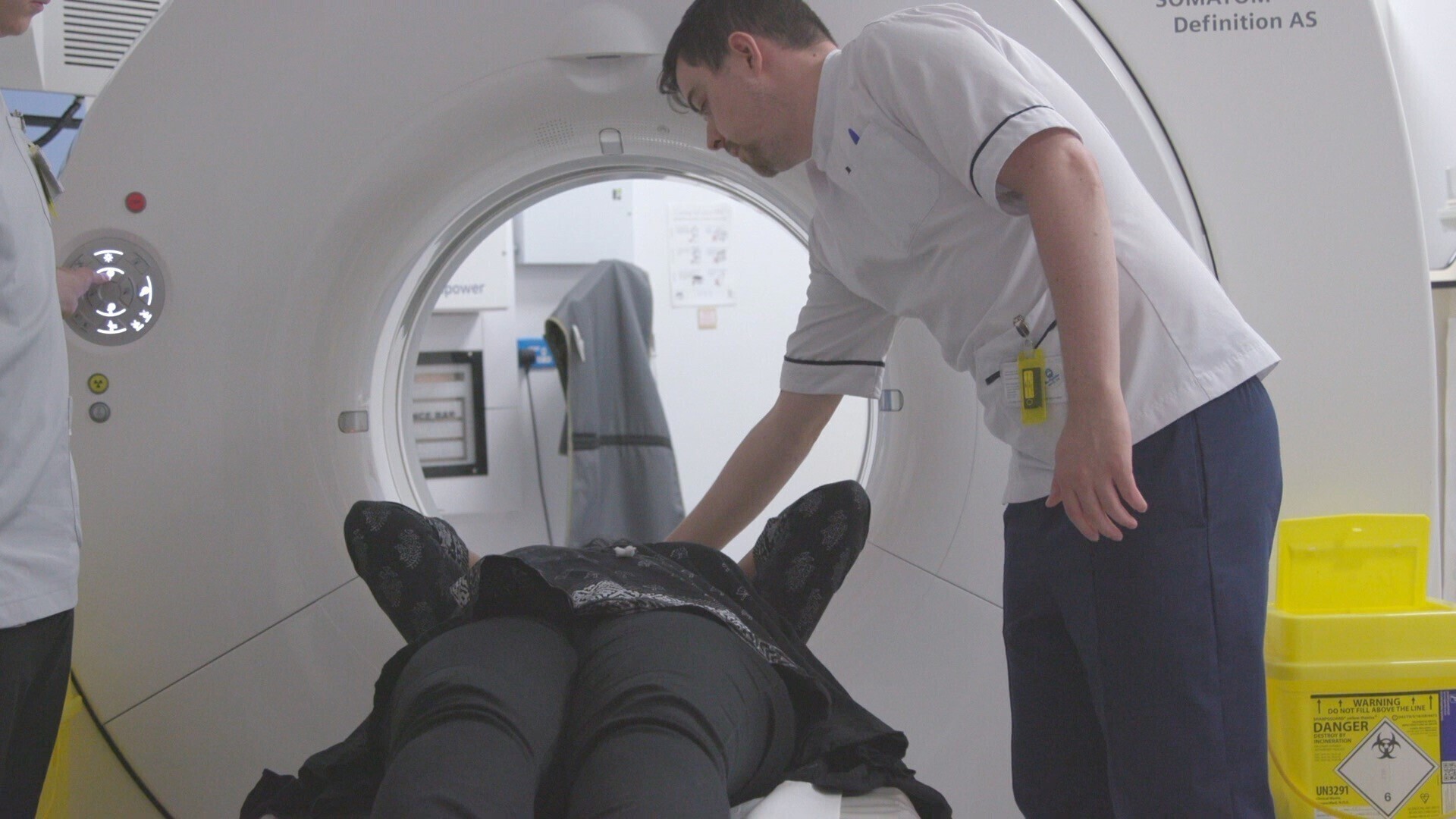
A patient being set up to have a CT scan. File Picture
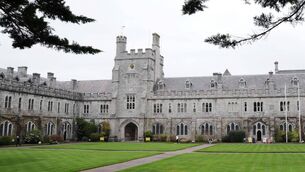
Staffing constraints at Cork University Hospital have seen it lose half of its CT scanning capacity, leaving it with a waiting list that includes 300 people classed as being in urgent need of a scan, its chief executive has said.
The collapse of the service was confirmed by CUH chief Jennifer Kearney who, in a scathing letter over recruitment last summer, told HSE management the hospital is not safe ahead of the coming winter.
A computerised tomography (CT) scan creates detailed images of the body to diagnose disease or injury, as well as to plan medical, surgical, or radiation treatment.
Ms Kearney said that while “very little CT capacity was lost in 2025, only for routine maintenance", the situation now is that “50% of capacity has been lost in 2026 due to staff shortages".
The current CT waiting list comprises 701 people, including 292 classed as urgent.
Ms Kearney said: “CUH is currently outsourcing CT scanning to the private sector in an effort to mitigate outpatient waiting lists.
“However, radiographer vacancies are significantly impacting inpatient CT capacity, resulting in patients waiting longer for essential diagnostic imaging.”
She added: “These delays are having a direct impact on patient flow.
“Where a CT scan is required to inform diagnosis or treatment, delays can extend length of stay, which in turn reduces bed availability and contributes to the increasing number of patients waiting on trolleys in CUH.”

She also revealed a significant impact on access to Peripherally Inserted Central Catheter (PICC) line insertion, as this service is dependent on the availability of a CT room.
A PICC line gives access to the large central veins near the heart and is generally used to give medicines or liquid nutrition.
There are currently 20 inpatients waiting for PICC line insertion, “compared with a typical level of three to four patients per day prior to the vacancy freeze".
“This is creating a further bottleneck in the management and discharge of patients who require PICC access," Ms Kearney said.
She said the pressures the hospital is facing are being compounded by demand, which remains 12% above the same period last year.
“Consequently, reduced diagnostic capacity is occurring at a time when demand for hospital services is significantly higher, further contributing to delays, longer lengths of stay, and pressure on inpatient capacity.
“The current position illustrates the wider impact of radiographer vacancies: Restrictions on substantive staffing are not simply reducing workforce expenditure, they are constraining diagnostic capacity and creating downstream costs and operational pressures elsewhere in the hospital.”
The information was provided to Cork Labour TD Eoghan Kenny, who said the response was “absolutely staggering”.
He said: “What makes these revelations particularly concerning is that just last week, the minister for health was publicly defending staffing levels at CUH and reassuring the public that the hospital had been safe throughout the year.
“In August, when the hospital’s own CEO raised serious concerns about staffing and patient safety, the minister’s response was to tell CUH that it needed to manage its budget and resources better."
“Well, minister, how do you explain a hospital losing half of its CT scanning capacity because it cannot adequately staff the service?"
The HSE said in a statement: "HSE South West and CUH continue to monitor workforce capacity and service demand on the site. HSE South West is prioritising recruitment and onboarding of staff to support CT."
CONNECT WITH US TODAY



Be the first to know the latest news and updates