Disability campaign group plans election push after ‘betrayal’ over Budget 2027 funding
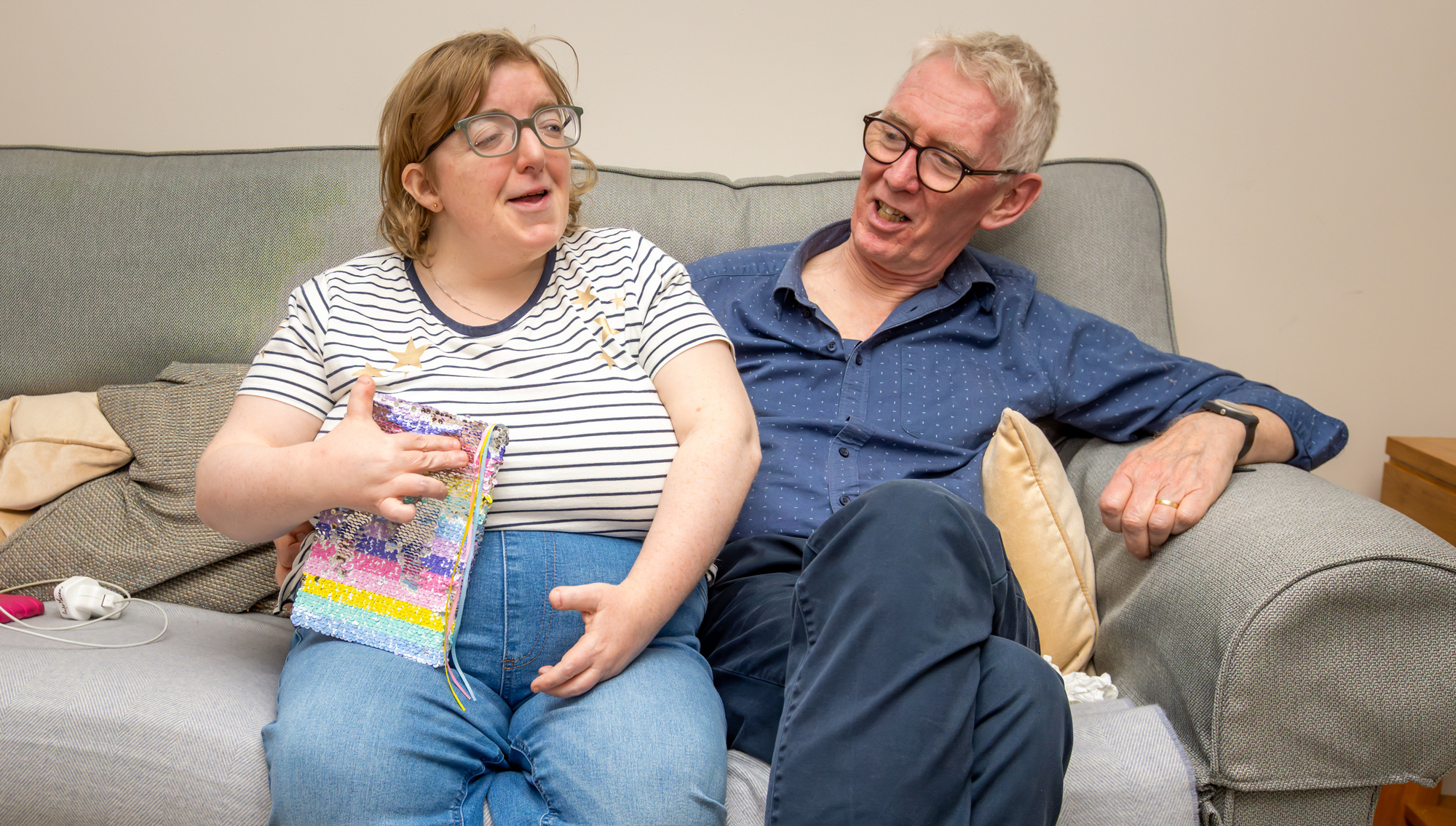
Before We Die campaign founder Tony Murray, 71, with his 42-year-old daughter Aoife, who has an intellectual disability, at the family home in Drumcondra, Dublin. Picture: Neil Michael
The founder of the Before We Die campaign said he is now looking at targeting politicians and ministers in the next general election.
Tony Murray, who founded the group to pressure the Government to put more funding into residential care for adults with intellectual disabilities, said this is necessary due to a “derisory” funding allocation in this year’s Budget.
He said: “We will continue to lobby ministers and TDs in the build-up to each budget but I think we also have to concentrate on where it really hurts for them: the ballot box.
“Our members feel very betrayed after all the engagement we were involved in before Tuesday’s budget announcement.
“We really felt ministers and TDs who supported us would help.
“In the end, nothing came of their kind words and so we have to review how we run this campaign now.”
He added: “Our membership is growing all the time and we believe we will be a formidable force to be reckoned with come the next general election.
“We already have quite a sizable war chest, and we plan to increase it through continued fundraising until we get the changes in policy and funding we are looking for.”
Read More
Mr Murray said the Government’s latest Budget announcements are a “betrayal of ageing parents” that has been met with “profound anger and despondency” among BWD’s 2,400 members.
He said: “The Government's allocation for residential disability care abandons thousands of ageing parents who face the terrifying prospect of dying without knowing who will care for their adult children.”
He said there will be funding in the Budget for 212 residential places in 2027, but the reality behind the headline figure is stark.
“More than half of these places are reserved exclusively for emergencies, leaving just 100 planned places for the entire country.
“In real terms, this amounts to an average of just four planned residential places per county.”
He added: “Budget 2027 entrenches a failed, reactive system that forces families to the brink of disaster rather than providing proactive, humane solutions.
“The state has what we see as a crisis-first policy, with 112 of the 212 places ringfenced for emergency cases.
“This means a family has to break down before action will be taken.
“Ageing parents need residential homes arranged while they are still alive to support their sons and daughters through the transition—not emergency beds sourced in the days following a parent's funeral.”
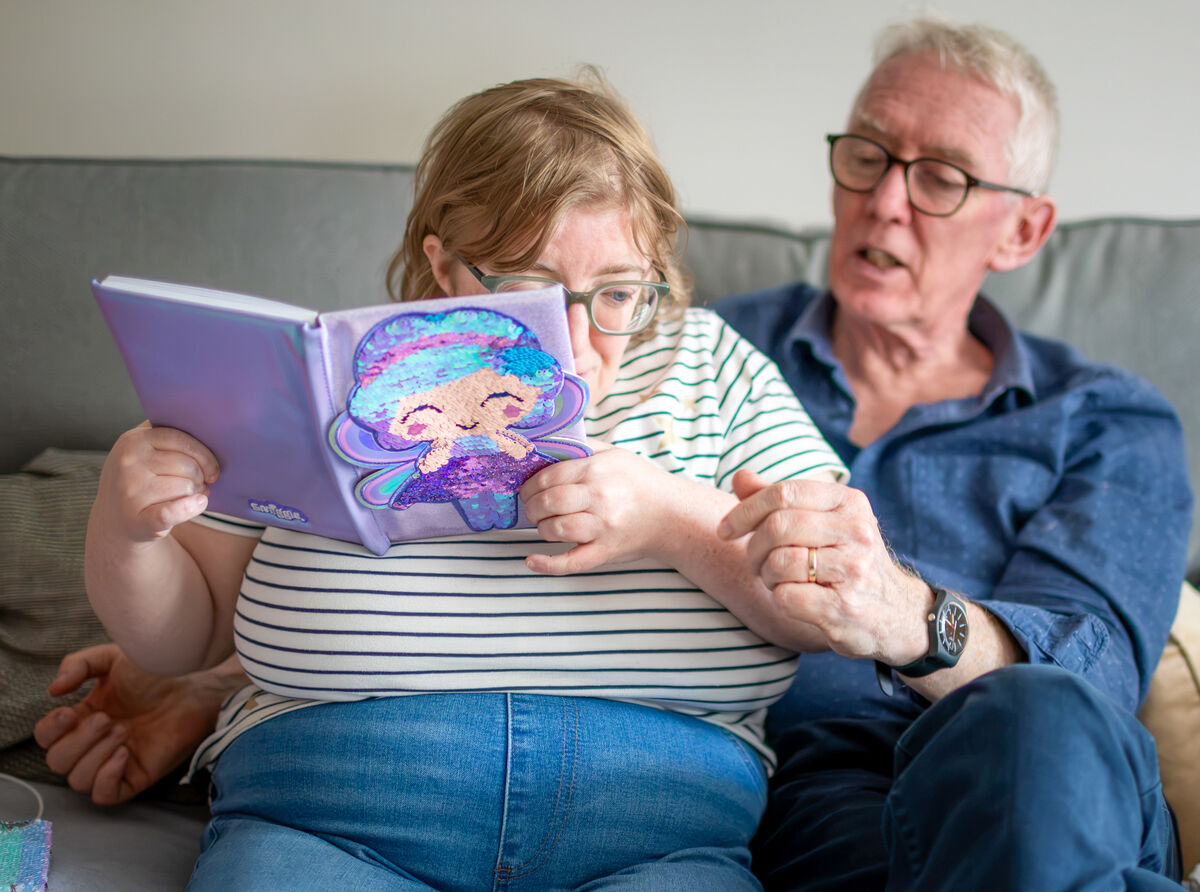
The 71-year-old, whose daughter Aoife has an intellectual disability, has yet to agree with the BWD committee how exactly the campaign will target politicians.
But he said it would be very “unlikely” any of his members would, in the BWD’s name, stand for election, which will have to take place by January 2030 at the latest.
“Apart from the fact that it’s an expensive thing to embark on, few of our members would have the time to do that,” he said.
Read More
Instead, he said the campaign group will now look at funding mass leaflet drops and poster campaigns targeted at constituencies of politicians most at risk of losing their seats.
He said they will also look at how best to challenge any politician who poses with a person with intellectual disabilities, to find out where they stand on the issue of residential places.
“Everyone in government should be called to account for what they do and don’t do,” Mr Murray said.
“We have a major crisis in this country that is only going to get worse and we see little evidence of politicians taking it as seriously as they should be.”
In her Budget Day speech, disabilities minister Norma Foley said the increase in new residential places is a “significant” increase on the number provided in the 2026 Budget.
She also said funding will be provided for 1,500 new day services for people with disabilities and for 45 people with disabilities aged under 65 to move out of nursing homes.
The minister also said the Government is currently recruiting 1,000 extra staff in the disability sector and plans to hire another 930 staff next year.
She said there is also funding in Budget 2027 for 14,700 additional respite sessions “to be delivered in a full year”.
Indicating the Government plans to go to a full five-year term, she commended the Budget, saying it is the “second of five budgets” on a journey to achieve a number of things, including the delivery of an “urgently needed” step change in disability services.


CONNECT WITH US TODAY



Be the first to know the latest news and updates