Strike action: HSE braced for ‘widespread disruption’ and requests non-union staff to cross picket lines
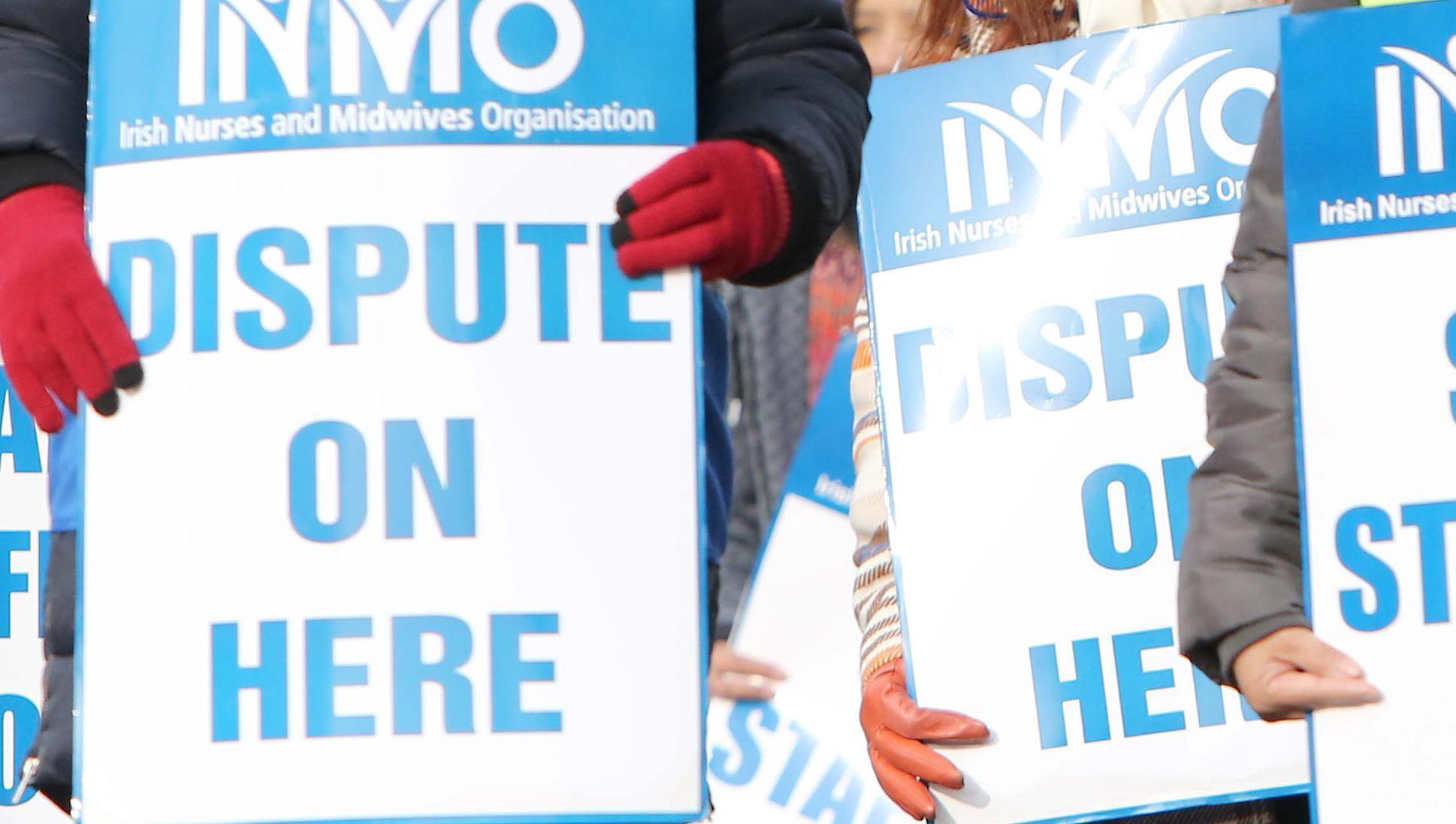
The protests, centred on demands for a new public sector pay deal, involve members of the Irish Medical Organisation and the Irish Nurses and Midwives Organisation (INMO).
The HSE is bracing for “significant and widespread disruption” and planning to cancel all non-urgent healthcare services ahead of planned public sector strikes next Wednesday, October 14.
The protests, centred on demands for a new public sector pay deal, involve members of the Irish Medical Organisation and the Irish Nurses and Midwives Organisation (INMO).
The will affect hospital procedures, outpatient assessments, clinics, and primary care services. Critical, time-sensitive healthcare services such as urgent cancer treatment will continue.
The HSE has contacted patients who are to be affected by the strikes.
“Engagement on contingency arrangements is ongoing with health sector unions to develop a more complete understanding of what can continue to be delivered next Wednesday,” the HSE said.
INMO general secretary Phil Ní Sheaghdha told the that derogation arrangements were fully met with the HSE at around 5pm on Friday.
“All of the services that are going to continue and are essential will be derogated, or our members will have reduced numbers. It is important that the HSE tries to reduce the volume because there will be fewer people at work,” Ms Ní Sheaghdha said.
A previous public sector pay deal expired in June, with unions calling for a future deal to address the increased costs of living.
Unions claim that workers’ wages fell 5% below the rate of inflation towards the end of the previous pay deal.
Read More
“They’re not being compensated for what it’s costing them to provide services on behalf of their employer,” Ms Ní Sheaghdha said.
Public expenditure minister Jack Chambers earmarked €1.2b in Budget 2027 for a planned new public sector pay deal.
Efforts by the Government to broker a deal with the unions have stalled, with unions striking over the existing structure of negotiations.
Negotiations on changes to pay traditionally involved a trade-off with workplace reform and improvements in productivity. However, unions are now demanding that pay increases be the first agenda item to open negotiations.
The Government has yet to agree to those terms. Taoiseach Micheál Martin has hit out at the unions, saying he has been “baffled” by their unwillingness to negotiate.
Some patient advocates said patients are being used as “pawns” in negotiations between the warring bodies.
“Some [patients] have waited months, even years, for appointments. Now they face further delays while private hospital patients are unaffected,” said Stephen McMahon, chairman of the Irish Patients’ Association.
In the Dáil, Labour has submitted a motion that urges the Government to drop “arbitrary conditions” around pay negotiations with unions. The party has said they will not pass a planned picket line of striking Oireachtas workers on October 14.
“Two full hours of dead air in the Dáil Chamber next Wednesday morning is unfortunate and regrettable,” said party finance spokesperson Ged Nash.
HSE management has ordered staff who are not participating in planned industrial action to attend their normal workplaces on strike days, warning that employees “cannot be paid for periods of unauthorised absence”.
The directive means workers will be expected to cross picket lines.
Remote and blended working arrangements will be suspended for 24 hours on October 14 and October 21 while managers will also be able to request medical certificates from staff reporting sick on the strike days.
In a memo issued on Friday, HSE Chief People Officer Anne Marie Hoey outlined the measures that will be implemented across the health service during the proposed industrial action.
It says: “Staff who are members of a trade union will be engaged in the work stoppage and therefore will not be available to attend work on the day.
"All other staff will be required to attend at their work location on the day and record their attendance."
The memo also sets out the consequences for staff who are absent without authorisation during the stoppages.
“Staff cannot be paid for periods of unauthorised absence due to industrial action,” it said.
Sick leave arrangements were also highlighted, with managers being given discretion to request medical certificates for absences during the industrial action.
“Line managers may request medical certificates for sick leave absences for the period of the work stoppages,” the memo went on to say.
The provisions include single-day absences, with staff advised that self-certification will not be accepted in the circumstances outlined in the memo.


CONNECT WITH US TODAY



Be the first to know the latest news and updates