Teenagers don't need protein powders or drinks, says food safety watchdog
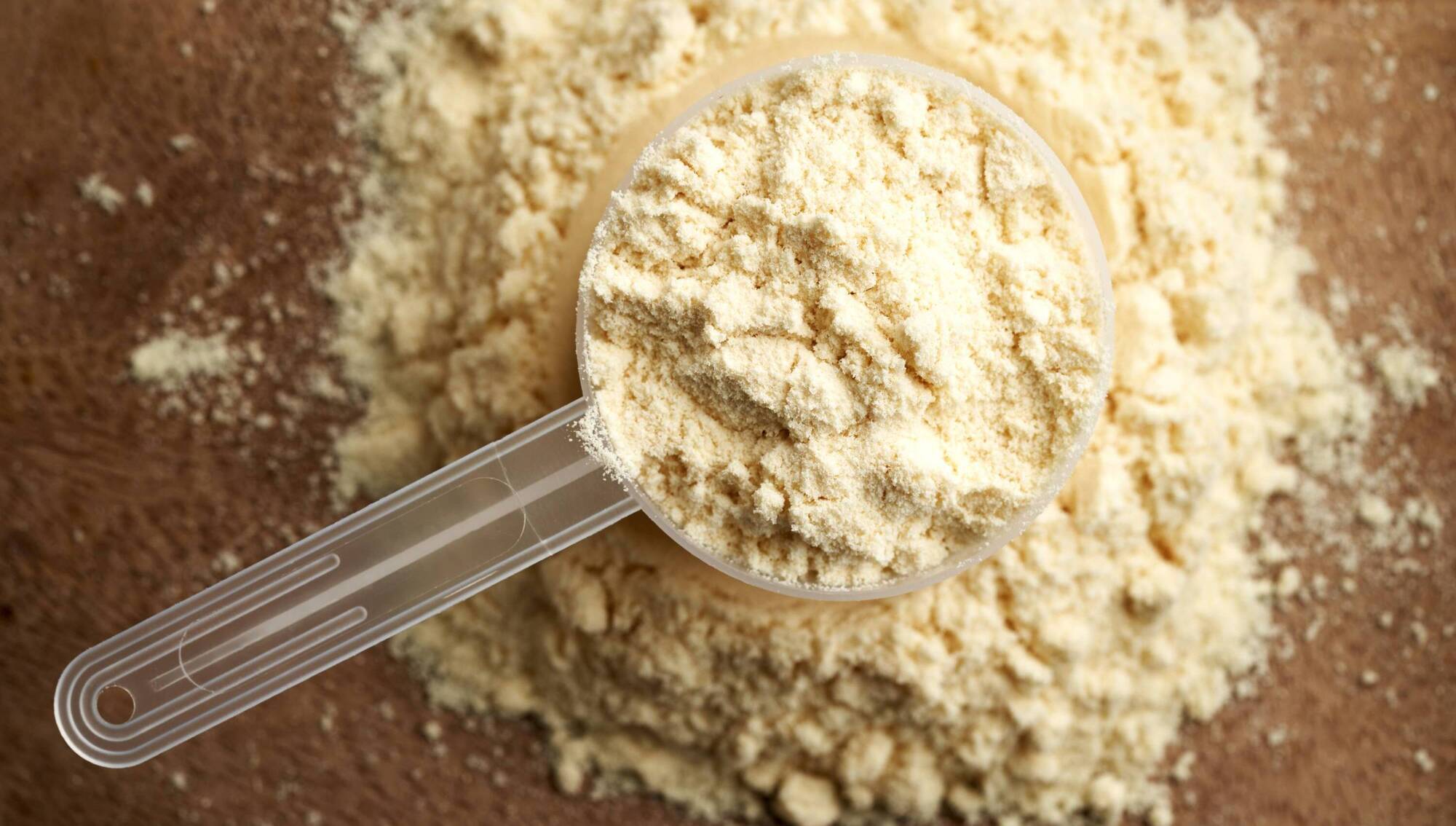
'Protein powders, shakes and supplementary drinks were unnecessary to meet protein goals,' the FSAI said.
Protein powders or drinks are not needed by teenagers for a healthy diet, according to guidelines published for the first time by the Food Safety Authority of Ireland.
It also recommended a Vitamin D supplement depending on the time of the year for young people and children aged nine to 18. The advice was developed by the FSAI scientific committee.
It found eating lean red meat only once or twice a week “did not lead to inadequate iron intakes among adolescents”. Teenagers can also meet their protein requirements even with eating meat less often.
“Protein powders, shakes and supplementary drinks were unnecessary to meet protein goals,” the FSAI said.
It also advised four to five servings per day from the milk, yogurt and cheese food group to meet calcium requirements. Teens who do sport and are physically active may need more of these, it said.
“In general, plant-based dairy replacement foods and beverages are not recommended due to their nutritional composition and the need for addition of calcium and other micronutrients,” the FSAI said.
If a child needs a plant-based dairy alternative, it advised a calcium-fortified soya beverage for boys or calcium- and iodine-fortified brands for girls.
Young people should also eat oily fish once a week. This boosts intake of the omega-3 fatty acids DHA and EPA.
The most important food group for fuelling physical activity and providing calories are carbohydrate foods including wholemeal and refined or white foods.
It found “average requirements ranging from six to 10 servings and requirements reaching up to 13 servings for some adolescents”.
Teens who are moderately to very active, it advised, “required numerous servings from the wholemeal cereals and breads, potatoes, pasta, and rice food group.”
It advised teens to opt for healthy snacks, yoghurts and breakfast cereals to reduce fat, sugar and salt intakes. For young women of child-bearing age the FSAI advised a 400 µg folic acid supplement daily.
Data from the National Children’s Food Survey II (2017–2018) and the National Teens’ Food Survey II (2019–2020) was used for modelling.
FSAI chief executive Greg Dempsey said this is the first time specific food-based dietary recommendations for adolescents in Ireland have been set out.
They need “very high nutrient intakes to ensure that adolescents reach their full potential as adults, both physically, for example in terms of height, and cognitively,” he said.
Professor Kevin Cashman chaired the FSAI Public Health Nutrition subcommittee when the report was developed.
Referring to adolescence, he said: “During this time, children lay down 40% of their bone mass, protecting them from osteoporosis in later life. In addition, they gain 50% of their adult weight and 20% of their adult height.”
He also noted “significant variation” between individuals’ needs.
“These differences relate to body size, for example tall versus small; physical activity levels, from sedentary to very active; and maturational timing, such as adolescents who are early versus late developers,” he said.
The report Scientific Recommendations for Food-Based Dietary Guidelines for Adolescents in Ireland is on the FSAI website.


CONNECT WITH US TODAY



Be the first to know the latest news and updates