West Cork's new little berries packs a big health punch
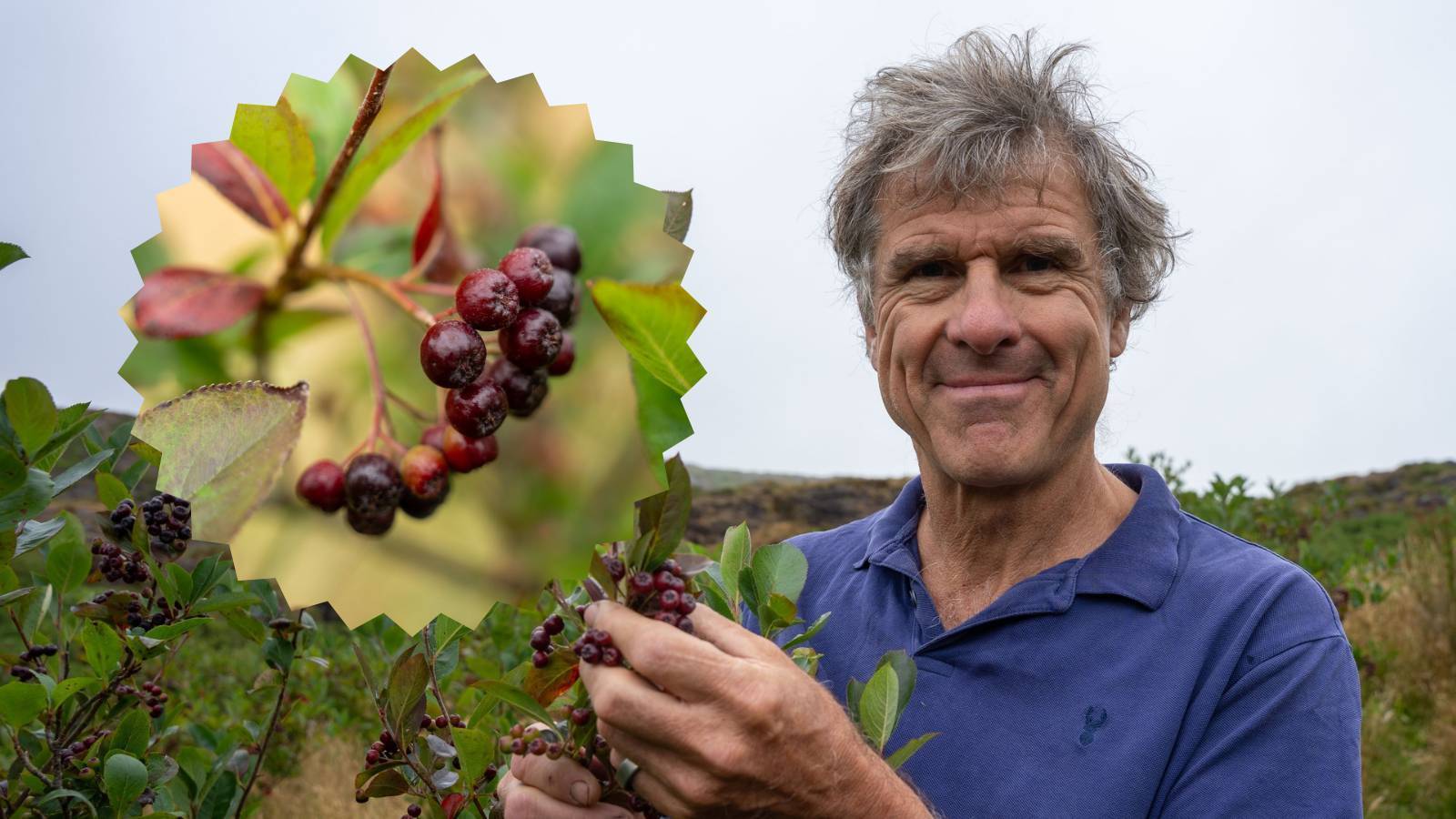
Produced by a shrub that thrives in marginal Irish growing conditions, aronia berries are a rich source of plant polyphenols. Steve Collins talks about his quest to grow the nutrient-rich fruit on his organic, regeneratively farmed West Cork land
Steve Collins, founder and director of Fyterberry and a medical doctor with a doctorate in nutrition, at his aronia berry farm near Bantry, West Cork. Pictures: Noel Sweeney
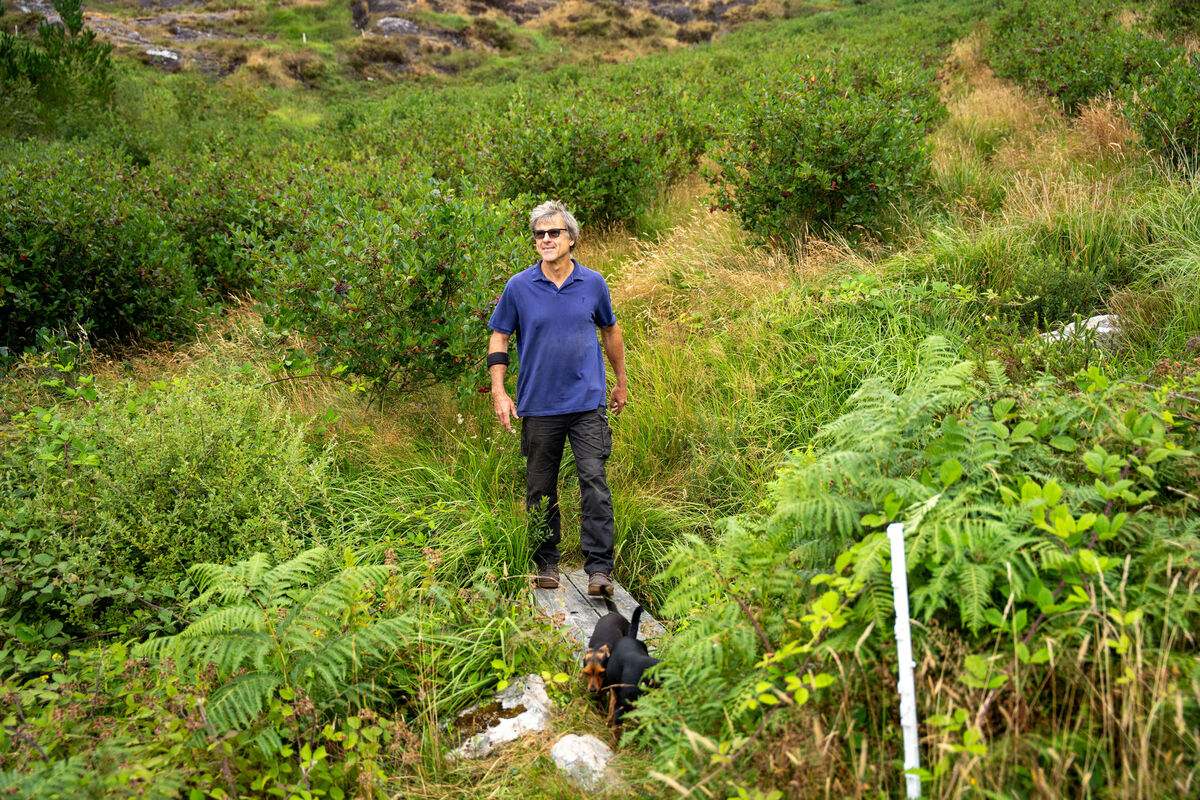
Steve Collins, founder and director of Fyterberry and a medical doctor with a doctorate in nutrition, at his aronia berry farm near Bantry, West Cork. Pictures: Noel Sweeney

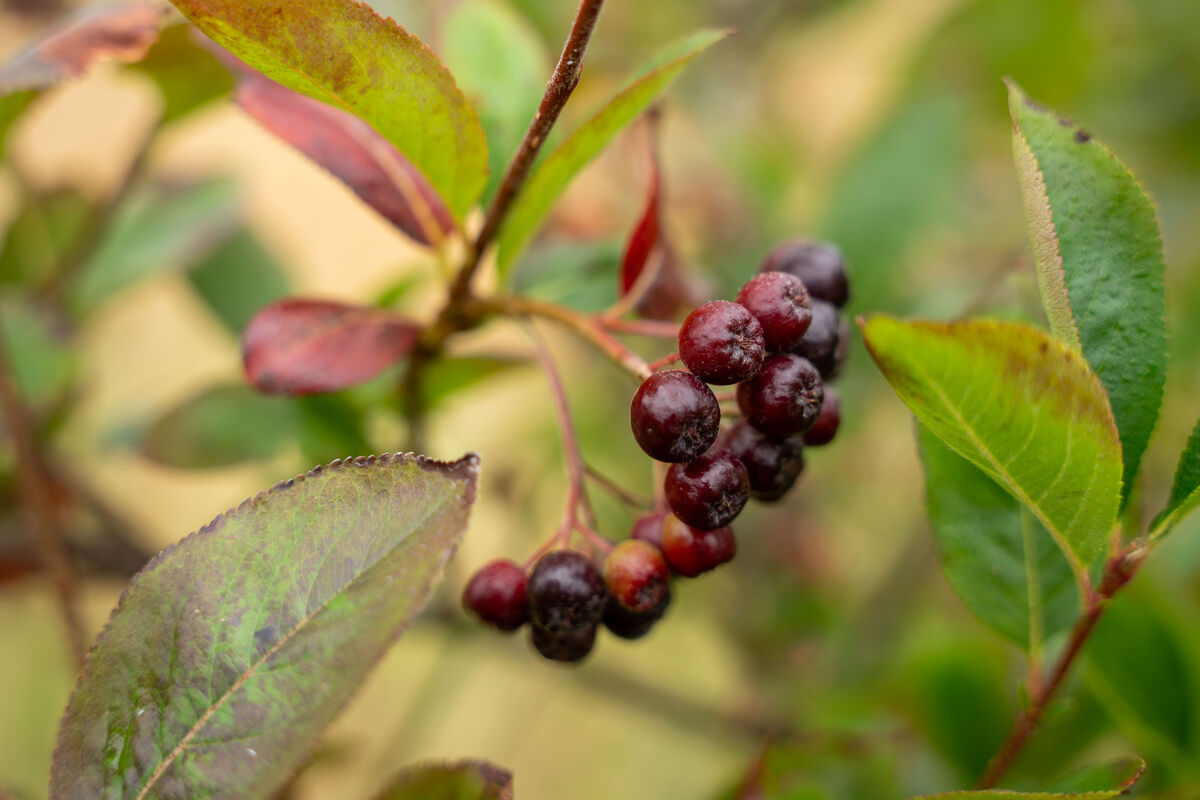
Grown on a hardy shrub that thrives in marginal Irish land, aronia, a small, dark purple fruit, just might be one of the healthiest berries you’ve never heard of.

Thanks to sky-high levels of polyphenols, its antioxidant and anti-inflammatory properties can help strengthen the immune system, reduce inflammation, and prevent disease.

A native of North America, where it’s called chokeberry — a name that seems unlikely to grab the right kind of attention — aronia is now being grown commercially in Ireland.

In West Cork, Steve Collins, who grows four acres of these berries, has set up a company called PhyterBerry Aronia to bring this product to market. Irish aronia juice is available in 330ml bottles (€6.95) online, in health food shops and independent retailers.

Collins and his family — wife Claire and three children — grow aronia at their home on Derry Duff Farm, high in the Shehy Mountains close to the Cork-Kerry border. Getting there means trusting GPS, driving up and up through a maze of winding roads on the side of Cork’s highest mountain, while being offered glimpses across the Coomhola and Borlin Valleys, all the way down to Bantry Bay.

Dr Steve Collins recommends including a shot of this tart, dark purple aronia juice in your daily diet

It’s an incredibly beautiful vista, particularly on a clear, sunny day, but this is also challenging land. Although it can be hard to see how anyone could make a living from the poor quality, rocky soil, this 54-hectare, organically certified farm produces a diverse range of food, including Dexter beef, pigs, chickens, bees, blueberries and, specifically, aronia berries.

Aronia is a focus and a passion for Collins, a medical doctor who holds a PhD in nutrition and has 35 years of experience working on international development projects in Africa, researching and treating malnutrition and starvation.

He and Claire bought this remote, deserted farm in 2005, with plans to make the land productive. “I wanted to find what you could grow on really marginal land here,” says Collins as we sit at the kitchen table of his house, which is nestled into the hillside, facing out to make the most of the view.

“I was trying loads of different things and someone suggested aronia. I got some seeds from the Agroforestry Trust [in England] and they grew all right. Then I started looking at the nutritional aspect and I was like, ‘Whoa!’ So then I took it more seriously.”

Taking a regenerative and restorative approach to farming, Collins trialled many different crops. Blueberries — available locally under the Derry Duff name — and aronia have been the most successful.

Happy to see aronia thriving on the farm, Collins did a deep dive into its attributes. It’s the kind of thing he does professionally. He is the co-founder of Valid International, an NGO with the stated mission of improving global health and nutrition interventions.

Thriving Aronia berries at Steve's farm near Bantry in West Cork.

“It’s what I was doing in Africa. I create nutritional products and then get them to people who need them,” says Collins. “There are two things that really move me to be active. One is the public health crisis. In Africa, it was starvation, and now in Ireland, it’s metabolic syndrome.”

Metabolic syndrome is a combination of risk factors — including central or abdominal obesity, high blood pressure, poor blood glucose control, and high cholesterol — that can raise your chances of heart disease, type 2 diabetes, and stroke. According to the Irish Longitudinal Study on Ageing in 2022, metabolic syndrome is “highly prevalent in older adults in Ireland”. A total of 40% of the population over 50 meet the diagnostic criteria.

Recommendations for lifestyle changes to prevent or reduce metabolic syndrome include regular exercise, avoiding smoking, and adopting what is often called the Mediterranean diet. This way of eating — with lots of fruit, vegetables, wholegrains, legumes, and olive oil — is high in polyphenols.

A longitudinal study carried out in Spain over more than a dozen years concluded that a high polyphenol intake was associated with a 20% lower risk of mortality.

As Collins works to expand the PhyterBerry brand of Irish aronia juice, he acknowledges that he can’t grow all the berries himself. He has been working with farmers locally and around the country, from Killarney to Cape Clear, Lismore and Wexford, to develop a sustainable Irish network of growers.

“PhyterBerry is set up to ultimately manufacture and make aronia products from locally grown aronia berries. We want to sell more, so we need suppliers.

“If you want to grow aronia, if you’ve got marginal land and you want to grow it, then we will give you a route to market.”

Collins recommends including a shot of this tart, dark purple aronia juice in your daily diet. It’s an easy way of upping your polyphenol intake while also supporting Irish growers and making the most of a nutrient-dense fruit that can be grown in otherwise unproductive farmland.

More in this section

Lifestyle

Newsletter

Eat better, live well and stay inspired with the Irish Examiner’s food, health, entertainment, travel and lifestyle coverage. Delivered to your inbox every Friday morning.

Cookie Policy Privacy Policy Brand Safety FAQ Help Contact Us Terms and Conditions

© Examiner Echo Group Limited