Are diet jellies a real alternative to Ozempic? I asked the experts — and put them to the test

Experts fear the trend of diet jellies risks turning food into the enemy
Young influencers such as Kylie Jenner are promoting cutting jelly as a natural way to curb hunger and reduce snacking

Young influencers such as Kylie Jenner are promoting cutting jelly as a natural way to curb hunger and reduce snacking

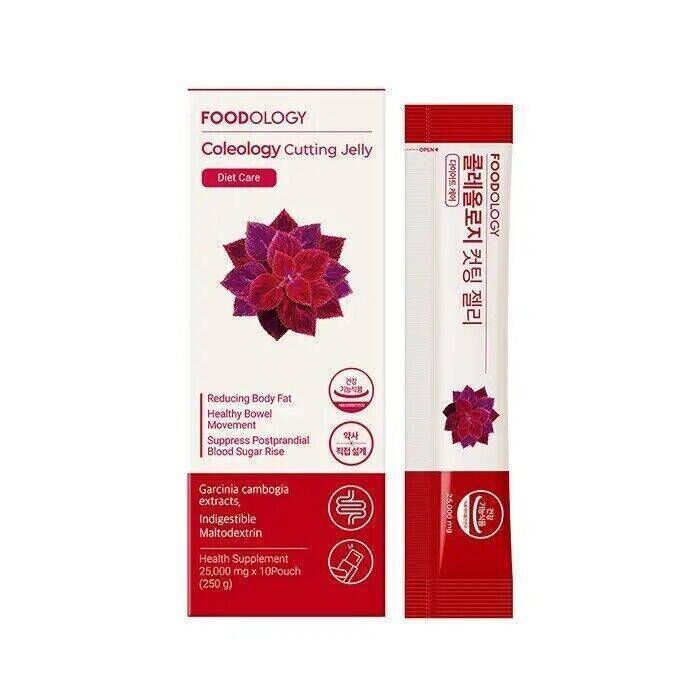
I don’t tend to take dietary advice from online influencers. Yet every day last week, I followed the example of Kylie Jenner and ate Coleology Cutting Jelly, a food supplement some are hailing as a natural alternative to Ozempic.

Earlier this year, the reality star shared a TikTok video in which she told her 59.6m followers that her goal for this year is to “snack less”. She then opened a sachet of the ruby red jelly, pouted her world-famous lips, and squeezed the contents into her mouth. Describing it as “so good”, she declares that it has been helping her by keeping food cravings at bay while aiding with digestion and bloating.

I ordered a box of 10 sachets for €28 to test her claims for myself.

Reading the small print on the box when it arrives, I gulp at the line advising consumers to use the product with caution if they experience diarrhoea, stomach pain, or bloating. Kylie didn’t mention any of that. But I ignore those alarm bells and persist.

The directions stipulate consuming a 25g sachet of jelly per day after a meal. So after lunch, that’s what I do. Taste and texture-wise, it’s similar to the jelly I ate with ice cream as a child. Pomegranate concentrate, various sugars, and artificial sweeteners combine to create a sharp sweetness. Chia seeds add crunch. It makes a satisfactory replacement for the square (or two or three) of chocolate I usually have after lunch.

Dietitian and founder of the Dublin Nutrition Centre ( dnc.ie), Aveen Bannon, is concerned about the growing interest in cutting jelly. She believes it is representative of a diet culture in which food is seen as the enemy and our appetites as something to be overcome rather than satisfied.

Dietitian and founder of the Dublin Nutrition Centre Aveen Bannon believes we are in a diet culture in which food is seen as the enemy and our appetites as something to be overcome rather than satisfied. Picture: iStock

“I worry about the message that we should suppress our hunger, which is a normal physiological sign our body sends to tell us we need to eat,” she says.

It’s a message that diet culture has been spreading for decades. “Slimming pills” containing amphetamines were marketed to women from the 1930s until the 1970s. Slimfast meal replacement shakes were all the rage in the 1990s. And in the 2010s, there was hype around detox teas, many of which were thinly-disguised laxatives.

In more recent years, the widely welcomed body positivity movement suggested we might break free of diet culture. Soft bellies, stretch marks, and more diverse body types began to feature in mainstream fashion, advertising, and social media feeds.

Reinforcing negative standards

Ellen Jennings, the communications manager of Bodywhys, the Eating Disorders Association of Ireland, says the narrative around GLP-1 weight-loss drugs such as Ozempic has once again normalised the pursuit of weight loss.

She acknowledges that “GLP-1s address a significant medical need and can be a valuable therapeutic option when prescribed appropriately”. However, she points out they also exist within “a culture that’s heavily focused on thinness”, which associates smaller bodies with health, happiness, success, and worth.

“A medical treatment for specific conditions appears to have become entangled with wider messaging that weight and appearance are things that can and should be constantly monitored, managed, or changed.”

Not everyone who wants to lose weight will want to try GLP-1s. Those who do may not meet the strict clinical criteria to get a prescription or have the financial means to pay for them. But appetite suppressants such as cutting jellies can be bought for a relatively low price with no need for a prescription, and there appears to be a market for them.

According to analysis by the US-based MRI research strategy centre, global sales of over-the-counter appetite suppressants are set to reach €74.75bn by 2035. Worringly, a 2024 study involving data from 600,000 participants found that one in 10 teenage girls had already tried them.
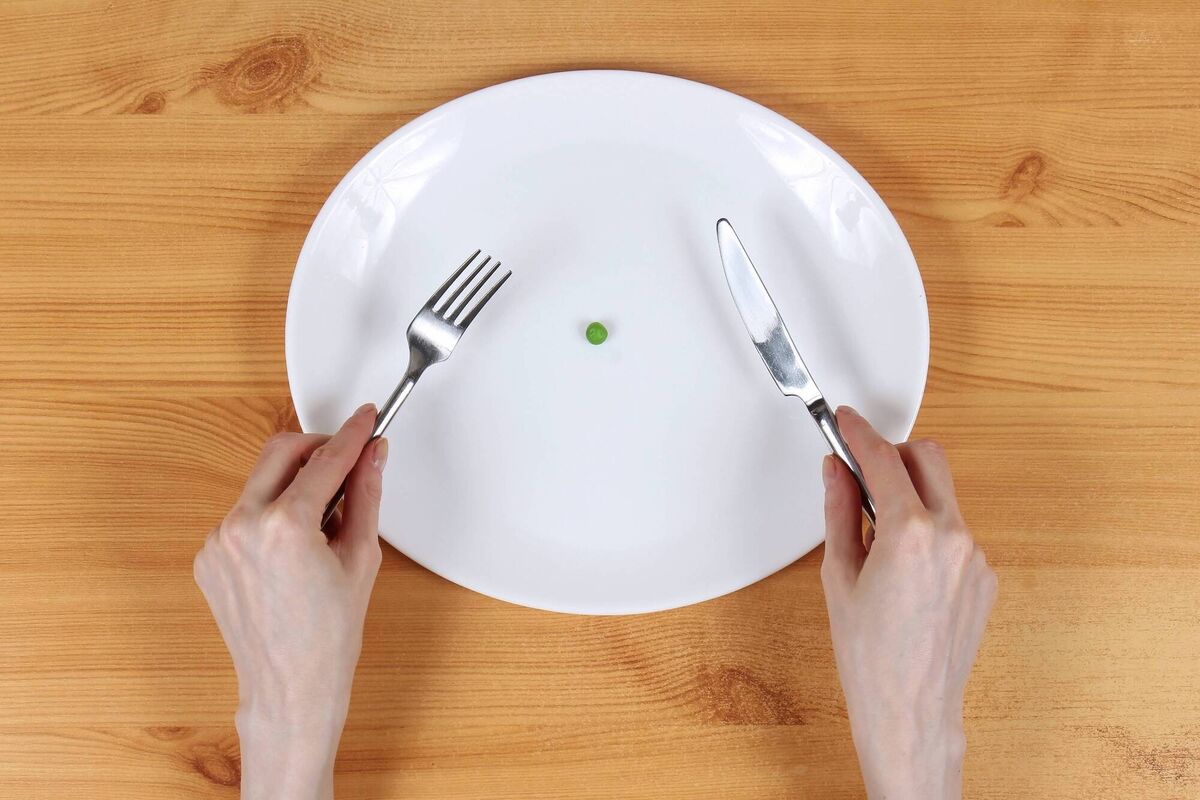
Jennings is concerned that social media influencers like Kylie could play a part in triggering disordered eating in vulnerable people, such as these teenage girls.

“They can reinforce diet culture by emphasising narrow body image standards of thinness as the ideal,” she says. “Consistent exposure to these ideals can contribute to increased body dissatisfaction, which is a recognised risk factor in the development and maintenance of eating disorders.”

Ellen Jennings is concerned that social media influencers like Kylie could play a part in triggering disordered eating in vulnerable people, such as these teenage girls.

In 2025, the hashtag #Skinnytok featured in half a million posts, some of which prompted users to complain they were promoting anorexia. The platform has since blocked the hashtag as a search term.

Last week, when I typed “skinny” into TikTok’s search bar, I was presented with a message that began with “you are more than your weight” and pointed me towards resources like Bodywhys. But the algorithms also served up countless videos of young women with tiny waists and bony hips sharing weight loss tips.

“Online platforms can provide connection and community,” says Jennings. “But they can also host harmful content. For many users, particularly children and young people, there is a fine line between content that is supportive and content that is triggering, misleading, or dangerous.”

Natural doesn’t always mean safe

Bannon says cutting jelly belongs in the same camp as detox teas and should come with a health warning. “I would urge everyone to be cautious about anything that promises quick results without solid evidence,” she says.

“This jelly contains fibre which might help with bowel regularity, but there’s little evidence it meaningfully promotes weight loss or reduces bloating. Just because a celebrity promotes it doesn’t mean it works.”

Coleology Cutting Jelly’s key ingredient could also pose health risks. Garcinia cambogia is a tropical fruit that contains high concentrations of a chemical believed to reduce appetite. “But just because it’s natural doesn’t automatically mean it’s safe or effective,” says Bannon. “Garcinia supplements have been associated with negative effects on liver health.”

Coleology Cutting Jelly is marketed as an appetite-control product.

In fact, last year, the French food safety agency advised against the consumption of food supplements containing this fruit because of its potential adverse effects.

Dr Orlaith Kelly, a consultant gastroenterologist at Dublin’s Connolly Hospital, adds that the indigestible maltodextrin the jelly contains could cause digestive issues for those with malabsorptive syndromes such as coeliac disease.

“The microbes that make up our gut microbiomes are all so individual, which means that different people react differently to dietary supplements,” she says. “What might work well for one person could affect another person badly.”

She is also concerned that the jelly contains a variety of different sugars and artificial sweeteners, explaining that “some sugars can aggravate irritable bowel syndrome and artificial sweeteners can have detrimental effects ranging from gas, bloating and indigestion to some being considered carcinogenic”.

Her advice is to always check with your doctor before taking any new food supplement. “Food supplements aren’t as well-regulated as drugs are,” she says. “So make sure that any you’re thinking of taking won’t interact with other medications or cause unnecessary problems.”

Regulation required

Bannon would like to see over-the-counter appetite suppressants like this cutting jelly being subjected to more regulation. She argues that “there should be appropriate oversight to ensure clear ingredient information, accurate labelling, evidence-based health claims and adequate safety warnings. Being sold as a food supplement doesn’t mean a product has demonstrated effectiveness for weight loss and marketing shouldn’t be allowed to exaggerate benefits or exploit people’s insecurities about their body image.”

Kelly wants to see people steering clear of food supplements altogether.

“The best advice for anyone trying to support good digestion and gut health while maintaining a healthy weight is to try to eat a varied diet,” she says. “Avoid highly processed foods and instead aim for as much colour on your plate as possible. Most of us don’t eat enough fibre, so increase your fibre intake by eating more wholegrains, fruits, vegetables, beans, and pulses. And if you’re worried about gut issues, go to see your doctor.”

Bannon believes in building sustainable habits. They include “eating regular, balanced meals, eating enough protein, staying active, and keeping well hydrated”.

She reiterates that “hunger is a normal physiological signal, not something we always need to suppress. Rather than searching for ways to eat less, focus on nourishing your body, supporting your digestive health, and building sustainable habits.”

This advice also pertains to people taking GLP-1s. Bannon has seen how effective they can be in terms of weight management, but warns that “reduced appetite can make it difficult to eat enough to meet nutritional needs. Potential concerns include insufficient protein and energy intake, muscle loss, nutritional deficiencies, dehydration, and gastrointestinal side effects such as nausea and constipation. Medical supervision and dietetic support can help people maintain adequate nutrition.”

What about my personal experiment with cutting jelly? Reader, the results were mixed. On the plus side, 25g of jelly after lunch every day satisfied my sweet tooth, and I didn’t crave chocolate as I usually do. But on the minus side, I was very gassy. I won’t go into details here, but let’s just say I was glad I work from home.

This week, I’ve replaced my post-lunch jelly with an apple, and so far, it’s successfully curbing my cravings, without any gassy side effects. Perhaps I should let Kylie know.

Warning signs

The use of appetite suppressants can indicate an emerging eating disorder. Ellen Jennings of Bodywhys, the Eating Disorders Association of Ireland, shares some of the other warning signs.

Physical changes: These range from a marked change in weight to loss of menstruation, frequent stomach issues, unexplained gastrointestinal problems and lack of energy.

Emotional symptoms: Getting easily upset or stressed, mood swings and finding spontaneous changes to the routine difficult to cope with.

Behavioural changes: Skipping meals and avoiding eating with the family. Creating new rules and rituals around food and exercise, such as eliminating whole food groups from their diet.

If you feel there is cause for concern, the next step is to start a conversation. Prepare in advance by informing yourself about eating disorders and having some information about resources and treatment services available.

You can also seek support if you are feeling apprehensive. Bodywhys offers a downloadable guide for family members as well as a range of free services.

Approach the person at a time and place that is free from time pressure or possible interruptions. Rather than making food or weight the topic of discussion, gently let the person know you are concerned about them and why.

Ask them how they are feeling and whether there is something they would like to talk about. Offer help. Avoid judging, blaming or criticising.

  • For details of free and confidential services see whys.ie

More in this section

Lifestyle

Newsletter

Eat better, live well and stay inspired with the Irish Examiner’s food, health, entertainment, travel and lifestyle coverage. Delivered to your inbox every Friday morning.

Cookie Policy Privacy Policy Brand Safety FAQ Help Contact Us Terms and Conditions

© Examiner Echo Group Limited