Checking your blood pressure helps tackle the ‘silent killer’
Many of us are unaware we have hypertension, a condition if left unchecked can lead to serious health conditions such as stroke
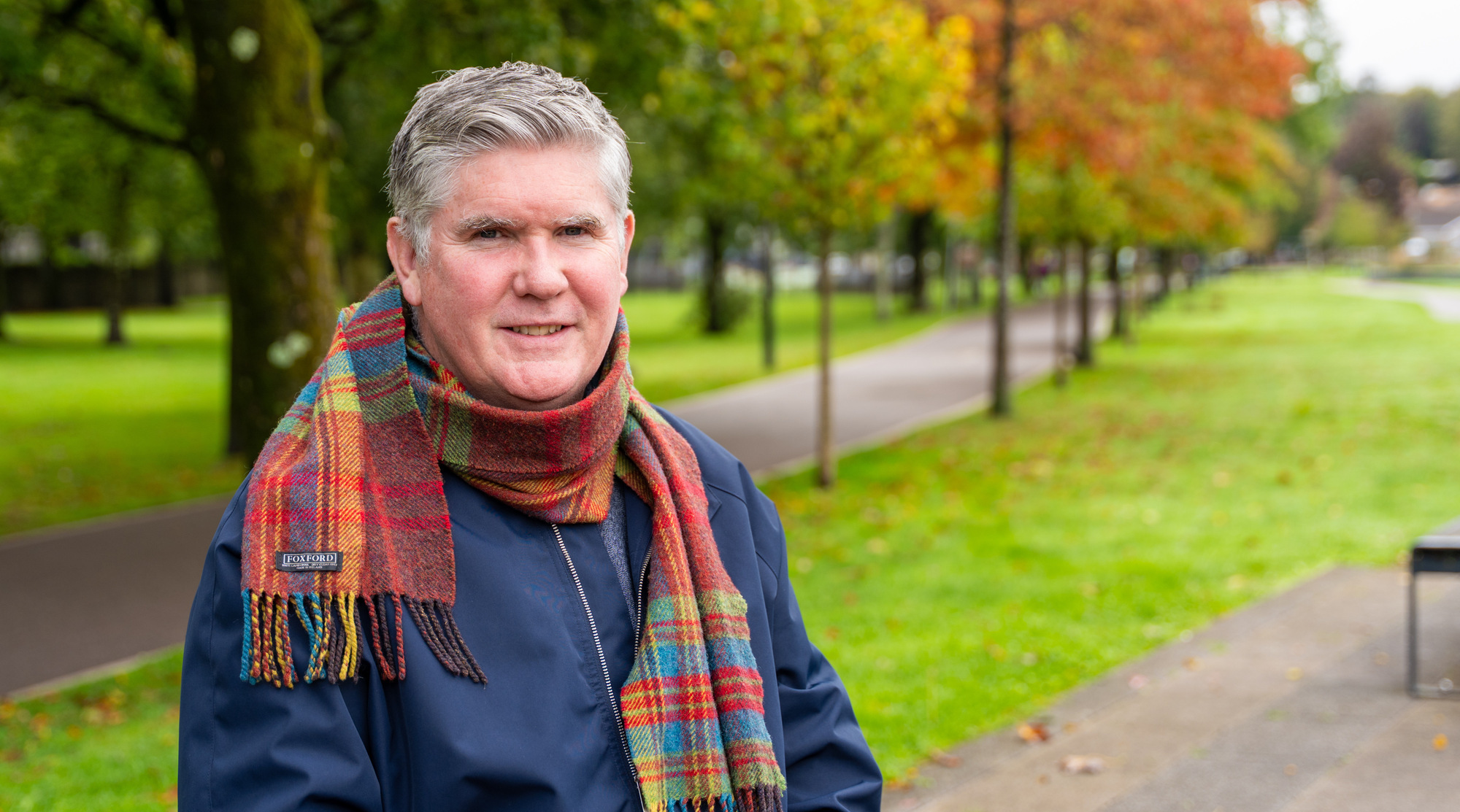
Arthur Little, who survived a stroke four years ago, stopped working this June and now focuses on maintaining his health and advocating for others. Picture: Noel Sweeney
Arthur Little, who survived a stroke four years ago, stopped working this June and now focuses on maintaining his health and advocating for others. Picture: Noel Sweeney

Arthur Little once felt bulletproof. Four years ago, at 53, he had pivoted to a career in renewable energy and was enjoying the new challenge. A married father of three from Glounthaune, Co Cork, he was also active and regularly took part in adventure races.

“I was fit, vigorous, and strong,” he says. “Even though I was often tired in the mornings, I’d have a few coffees and be able to power through. I never realised I had a whole host of hidden health issues.”

His moment of realisation came in May 2022. He was asleep when his body suddenly started jerking. His wife thought he was dreaming, but when she struggled to wake him up, she called for their oldest daughter Róisín, who had just completed a first aid course.

“I woke up, and when Róisín looked at my face and heard me slur my words, she suspected I was having a stroke,” says Little. “She called the ambulance and fire brigade, and luckily for me, they got me to hospital quickly.

He had suffered an ischemic bilateral stroke, which meant that clots had blocked the arteries supplying blood to both sides of his brain.

Tests carried out over the following days revealed that he had high blood pressure, also known as hypertension, high cholesterol, atrial fibrillation, and obstructive sleep apnoea.

Little says doctors told him that “every single one of those factors increased my risk of stroke”.

Hypertension increases the risk by weakening the arteries. High cholesterol meant a higher chance of clot formation. Atrial fibrillation, in which the heart beats irregularly and causes blood to pool in the heart, further raises the risk of clotting.

“And with sleep apnoea, the body thinks it’s choking, so your heart rate shoots up,” says Little.

“Had I known about those risk factors, I could maybe have prevented my stroke. Even if all I had done was get my blood pressure checked regularly, it could have made a difference.”

Many are oblivious to the fact that they have hypertension. The deputy CEO of the Irish Heart Foundation, Janis Morrissey, says: “Tilda [The Irish Longitudinal Study on Ageing] data from 2026 shows 71% of people over 50 in Ireland have hypertension and only 56% know they have it”.

Asymptomatic hypertension

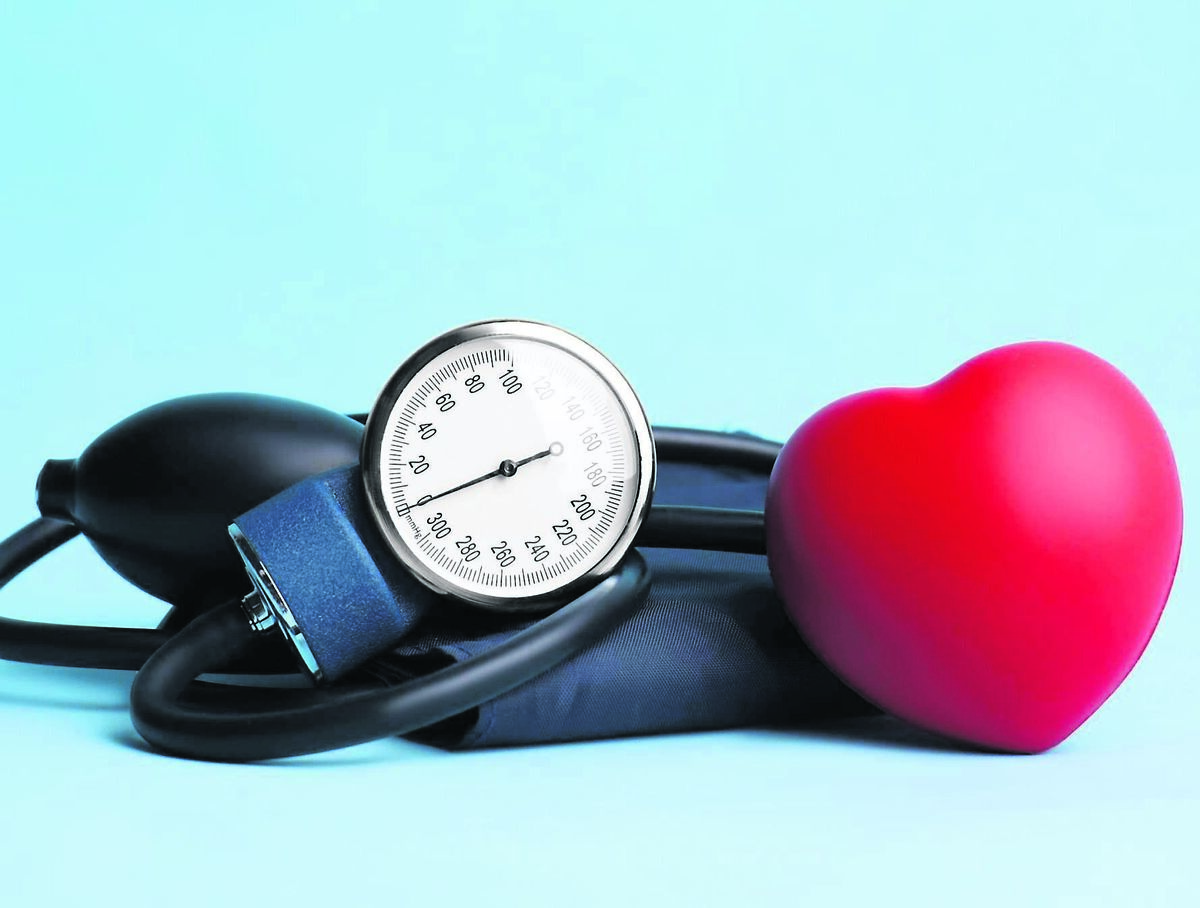
Dr JJ Coughlan, a consultant cardiologist at the Mater Private in Dublin, describes blood pressure as “the force of blood being pumped around the body through the arteries”.

It is measured in millimetres of mercury (mmHg) and consists of two readings. The top number, known as systolic blood pressure, refers to the pressure of the blood on artery walls when the heart contracts and pumps blood. The bottom is diastolic blood pressure and refers to the pressure on artery walls when the heart relaxes between beats.

Dr JJ Coughlan: For strokes, Hypertension is the single largest controllable risk factor 

The European Society for Cardiology (ESC) recommends we all aim for a reading of 120/70mmHg to 129/79mmHg. Hypertension is defined as over 140/90mmHg.

The trouble, says Coughlan, is that there are usually no symptoms if blood pressure tips over into hypertension. “Even if there are, they can be non-specific, like low energy or headaches.”

Morrissey adds that the lack of symptoms is why hypertension is often called the silent killer, as “it can damage the arteries, heart, and other organs without you realising it”.

Arteries stiffen with age, making hypertension more common among older people. However, a large-scale new study analysing data from 1.4m adults in Britain found hypertension in over a third of adults and in one in seven 18- to 39-year-olds.

Morrissey speculates that poor lifestyle choices may be driving this trend.

“Studies such as the Health Behaviour in School-Aged Children Survey, carried out by University Galway, show young people eating more high-salt-content foods, becoming more physically inactive, and engaging in e-cigarette consumption, all of which are factors for hypertension,” she says. “ESC guidelines now call for blood pressure checks from age 18 onwards, reflecting a growing recognition that hypertension is often underdiagnosed in younger adults.”
As Little learned, hypertension can cause stroke. “In fact, it’s the single largest controllable risk factor,” says Coughlan, who explains how it can weaken or narrow the blood vessels to and in the brain, causing them to rupture or block blood flow.

Some 7,500 people suffer a stroke in Ireland annually. Most are older people, but the Irish National Audit of Stroke Summary Report found that 33% of strokes in 2024 were in people under 65.

“This statistic shows that stroke is not exclusively a condition of later life,” says Morrissey.

So do news stories about the Game of Thrones actor Emilia Clarke, who had a stroke aged 24, and the 39-year-old singer-songwriter Michael Kiwanka, who had a stroke in September.

Hypertension isn’t only a risk factor for strokes. The Galway-based GP and cardiovascular clinical lead with the Irish College of GPs Dr Eamonn O’Shea stresses that “it also elevates our chances of developing heart conditions like heart attacks, heart failure, and heart rhythm problems such as atrial fibrillation as well as chronic kidney disease, dementia, reduced vision, and peripheral arterial disease, which can lead to amputation of the lower limbs”.

Importance of blood pressure check

To mitigate our risk of hypertension and associated health problems, the first step is to get our blood pressure checked.

“Only by monitoring it can steps be taken to manage it,” says Morrissey. “We can get it checked by our GP or at our local pharmacy, where it’s usually offered at no cost.”

How regularly should we check it? The European Society of Cardiology (ESC) recommends once every three years if we’re under 40 and at least once annually thereafter.

What about at-home blood pressure monitors that are widely available, with prices starting at €25? O’Shea says they are reliable provided they comply with two conditions: One is that your GP or public health nurse shows you how to use them and interpret the results. The other is that the monitor must be validated.

He warns that “no smartphone or smart watch has been validated at present” but says that stridebp.org publishes updated lists of devices that have passed “strict validation protocols”.

Just as important as measuring blood pressure is adopting a blood pressure-friendly lifestyle. Getting enough exercise, optimising your diet by following a Mediterranean or Dash [Dietary Approaches to Stop Hypertension] diet, reducing alcohol and salt intake, and maintaining a healthy weight are all what Coughlan calls “cornerstones of managing blood pressure”.

These lifestyle habits can prevent hypertension from developing in the first place or help lower it if blood pressure is already high.

Dr Eamonn O’Shea says that hypertension is a factor in a number of heart conditions

Hypertension, says O’Shea, is diagnosed based on the findings of an ambulatory blood pressure monitor, which tracks blood pressure over 24 hours. In most cases, patients are advised to follow lifestyle modifications for up to three months. If blood pressure remains high after this period, medication is then advised.

He adds that “there are situations where blood pressure is so high on diagnosis that medication is commenced immediately”.

A 2019 Lancet report analysing data from 12 countries found Ireland had some of the highest rates of hypertension and some of the lowest rates of diagnosis, treatment, and control of the condition.

Are there lessons we could learn from other countries to help us tackle this problem?

Coughlan suggests introducing a national ‘get your blood pressure checked’ month, as they have done in Australia.

Morrissey singles out Finland’s National Salt Reduction Programmes and Canada’s National Hypertension Education Programme. The former used food reformulation, food labelling and public awareness initiatives to reduce the population’s salt intake. The latter took a multi-pronged approach that included regularly updating evidence-based guidelines, strong primary care engagement and expanded blood pressure screening through pharmacies and national screening campaigns.

“Consequently, the percentage of adults with hypertension whose blood pressure was successfully lowered rose from 13% in the early 1990s to 68% by 2010, with an associated decline in cardiovascular deaths,” says Morrissey.

O’Shea would like to see the wider implementation of a successful initiative we already have — the Chronic Disease Management Programme. This GP-led programme involves patients having an annual health review in which blood pressure is checked, clinical measurements are taken, cardiovascular risks are assessed, and lifestyle advice is given.

“The average blood pressure of people attending this programme is reduced to the extent that it would significantly lower the incidence of heart attacks and strokes,” he says.

Long-term damage from a stroke

Arthur Little now lives with the long-term damage caused by his stroke.

“People might look at me and think I’ve fully recovered, but I’m not the man I used to be,” he says.

Fatigue is “a huge issue”.

He only understood how much of an effect it was having when he returned to work 18 months after his stroke.

“I thought I was ready and able but I wasn’t,” he says. “I didn’t have the cognitive capacity to deal with deadlines or concentrate on reports. I didn’t even have the procedural memory to be able to attach a file to an email.”

Little stopped working this June and now focuses on maintaining his health and advocating for others. He takes blood thinners, cholesterol medication, and other heart medications. He regularly checks his blood pressure at his GP’s surgery, his local pharmacy, and on his at-home monitor. He wears a special mask while sleeping to manage his sleep apnoea.

He is also careful about what he eats, walks and cycles several times a week, and practices qi gong, which uses breathing and movement to build balance and strength.

“My life is different now, but I consider myself lucky to have recovered as much as I have,” he says.

“I enjoy working as an advocate with the Irish Heart Foundation and encouraging others to engage in conversations about their health with their doctors. I want everyone to know that they should be getting their blood pressure checked regularly.”

What you need to know

You are given two readings whenever your blood pressure is measured. The cardiologist Dr JJ Coughlan explains that the first is systolic blood pressure, or the pressure with which the blood presses on the artery walls when the heart is contracting to pump the blood. The second is the diastolic blood pressure, or the pressure on the artery walls when the heart is relaxing between beats.

Both are measured in millimetres of mercury (mmHg).

The European Society for Cardiology (ESC) defines blood pressure as non-elevated, elevated, or hypertension (high). Non-elevated is a reading of less than 120/70mmHg. Hypertension is 140/90mmHg or higher, and elevated falls between these ranges.

The ESC recommends you aim for a blood pressure reading of between 120/70 and 129/79.

There can be a genetic component to blood pressure. The ESC advises that you check your blood pressure once every three years if you’re under 40 and at least once annually thereafter. If you have a family history of hypertension, you should check it more often.

Dr Eamonn O’Shea adds that other groups that are at heightened risk of hypertension include pregnant women, people living with obesity or diabetes, and children with kidney or heart disease. If you belong to any of these categories, you too should get your blood pressure checked more frequently than the general population.

Weight is a factor that can contribute to hypertension. Coughlan says evidence shows that for every kilogram an individual loses, their systolic blood pressure can go down by 1mmHg. Try to maintain a healthy weight, he advises.

Coughlan recommends the Mediterranean and DASH diets, both of which are rich in fruit, vegetables and whole foods and minimise the intake of saturated fats and salt.

He also advocates regular physical exercise, particularly aerobic exercise that increases the heart rate. A minimum of 150 minutes of aerobic exercise a week is a good goal.

Finally, if you are worried about your blood pressure, make an appointment to see your doctor. They will carry out all the relevant health checks and prescribe lifestyle modifications or medications that will help you to maintain good cardiovascular health.

More in this section

Lifestyle

Newsletter

Eat better, live well and stay inspired with the Irish Examiner’s food, health, entertainment, travel and lifestyle coverage. Delivered to your inbox every Friday morning.

Cookie Policy Privacy Policy Brand Safety FAQ Help Contact Us Terms and Conditions

© Examiner Echo Group Limited