Nine dental warning signs you shouldn't ignore
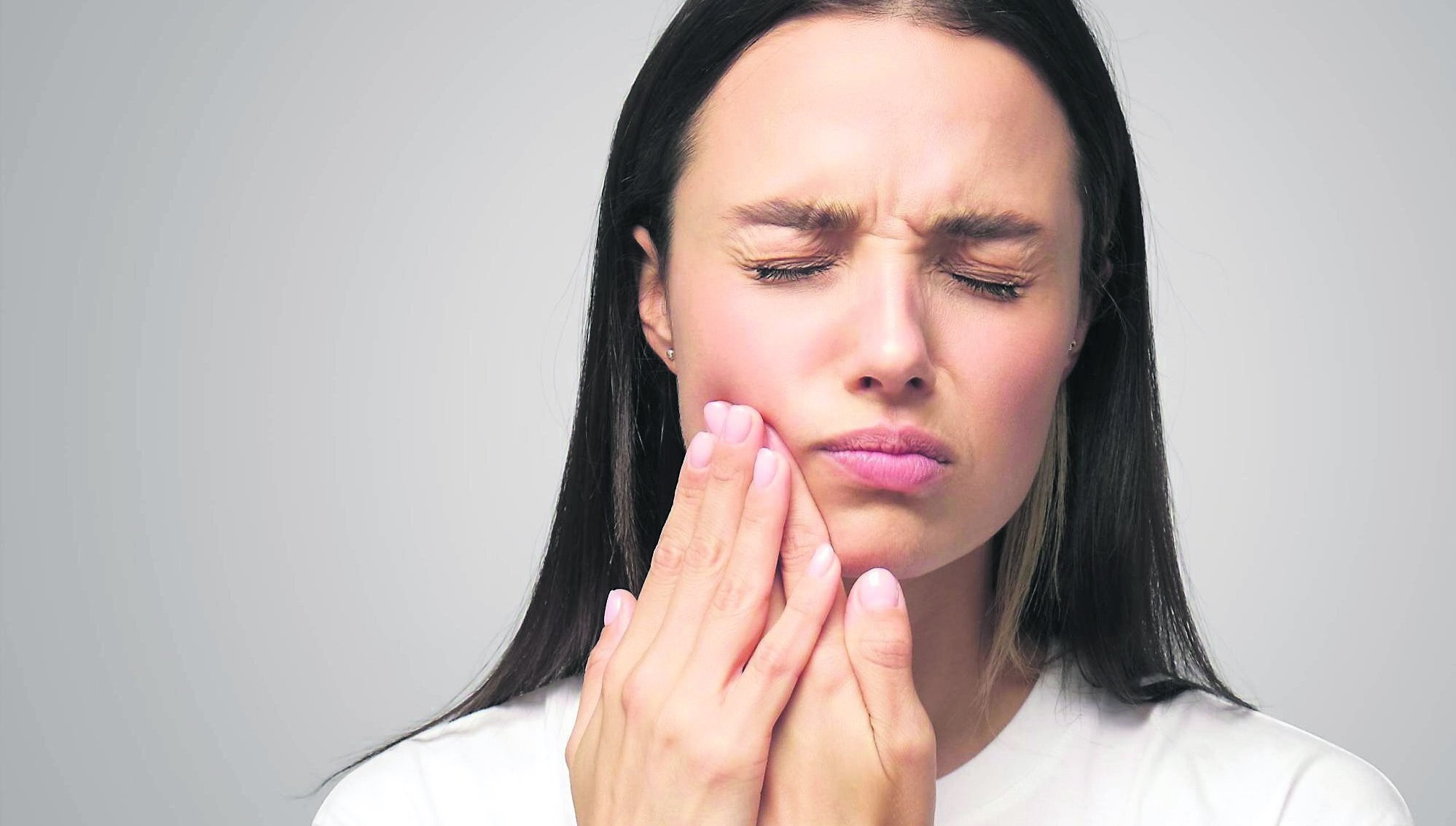
Looking after your teeth from the moment an issue arises is essential to keeping them and your smile in top condition.
Here are the symptoms that warrant a trip to the dentist

Here are the symptoms that warrant a trip to the dentist

Our mouths can often reveal more about our health than we might realise. Long before a problem becomes painful or obvious enough to affect our daily lives, there are often early signs that something may be brewing beneath the surface.

Here, dental experts highlight the red flags we shouldn’t ignore and explain how early investigation and treatment can make an important difference.

Toothache

Midleton dentist Dr Carmel Curtin (Corabbey Dental and Orthodontics) warns that a toothache is typically caused by tooth decay or a gum infection. “The problem is that by the time symptoms present, the damage to the tooth is often quite significant.”

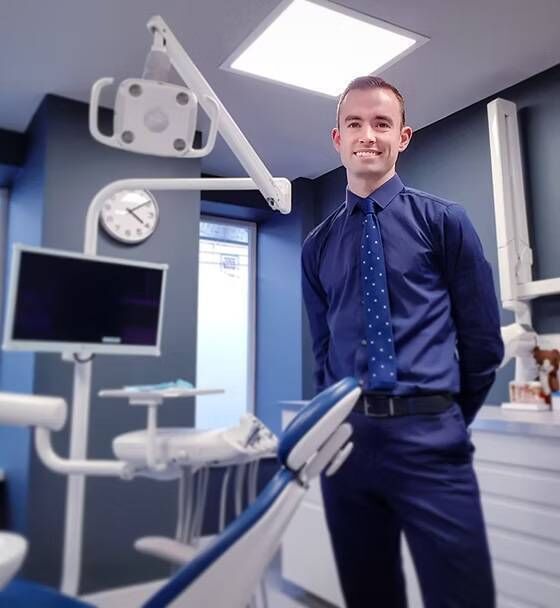
Dentist Carmel Curtin: Patients are often unaware they have gum disease until the condition is advanced. Picture: Dan Linehan

What can you do?

“A dentist will spot early signs of decay such as subtle changes in the shade of the enamel or through the use of low-dose radiography (X-ray),” says Curtin. “At an early stage, when it’s a subtle ache, a filling may suffice. By the time there is a severe toothache, root canal treatment or even an extraction might be the only option.”

Tipperary-based dentist Dr Will Rymer (Expressions Dental and Cosmetic Clinic) warns that while painkillers may provide temporary relief for a toothache, they do not treat the underlying cause.

“If you experience any facial swelling, fever, or difficulty swallowing or opening the mouth, you require an urgent dental assessment,” he says.

Sensitivity

Sensitivity to hot, cold, or sweet foods can result from gum recession or tooth wear, which exposes the softer dentine beneath the enamel, says Rymer.

“But it can also be caused by decay, a cracked tooth or inflammation of the nerve in your tooth.”

What can you do?

Rymer suggests visiting a dentist if you experience new or persistent sensitivity, rather than simply buying a sensitive toothpaste.

 Dr Will Rymer says sensitivity is worth a dental visit
Dr Will Rymer says sensitivity is worth a dental visit

Swollen or bleeding gums

“These are usually signs of gum inflammation caused by plaque,” says Rymer. “Bleeding gums are not healthy gums, and persistent bleeding can indicate more established periodontal disease.”

Most commonly, bleeding gums are a sign of inadequate brushing or gum disease, says Curtin. However, she adds that they can sometimes signal that the patient is run down, in which case a dentist may recommend a full blood count.

What can you do?

People should not stop brushing because their gums bleed, says Rymer. “Good plaque control is part of managing gum disease.”

As for swollen gums, Curtin notes that this is often related to an infection, and she recommends booking a dental assessment without delay.

“Gum disease itself needs to be treated as early as possible because the damage is often irreversible and leads to tooth loss. Gum disease is sneaky, and patients are often unaware that the condition is quite advanced.”

Loose teeth

An adult tooth becoming loose is not a normal consequence of ageing, says Rymer. “Periodontal disease is a common cause, but trauma, where you may have experienced a knock, and infection can also be responsible.”

What can you do?

“Early assessment is important because untreated periodontal disease can result in bone loss and tooth loss,” says Curtin.

Bad breath

Persistent, bad breath is generally caused by problems within the mouth, including gum disease, plaque, decay, tongue coating, or dry mouth.

“Mouthwash and mints may mask the problem, but they don’t necessarily address the cause,” warns Rymer

Postnasal drip, where excess or thickened mucus builds up in your nasal passages and drips down the back of your throat, can also cause bad breath or halitosis, says Curtin.

What can you do?

If the issue is ongoing, a visit to the dentist can help identify the underlying cause, which could be gastric issues or poorly controlled diabetes, explains Curtin.

Persistent dry mouth

Saliva plays an important role in protecting the teeth and oral tissues. If you have a persistent dry mouth, where you are not producing enough saliva, this can increase your risk of decay, discomfort, and oral infections, explains Rymer.

What can you do?

Dry mouth can be caused by several different factors, including medication dehydration, where certain medications reduce saliva flow, and a range of medical conditions. If the issue is persistent, Rymer advises discussing your symptoms with a dentist or your GP.

Jaw pain

Pain in the jaw is generally caused by clenching your jaw or grinding your teeth at night. “Patients are usually oblivious to the fact that they clench or grind, but the dentist will see signs of tooth wear during a check-up.”

What can you do?

Curtin says a night guard — a plastic dental appliance that you can wear at nighttime to protect your teeth — can be beneficial. She warns that patients who grind or clench are more at risk of developing “cracked tooth syndrome”.

“This presents as a sharp toothache on biting and can be a result of a hairline fracture in the tooth. It is often difficult to diagnose clinically and sometimes can be a difficult dental issue to successfully treat, depending on how deep the hairline fracture runs.”

Jaw clicking without pain is common, says Rymer, and often does not require treatment. However, he recommends visiting a dentist if you experience persistent pain, jaw locking, restricted movement, or swelling, as these symptoms may indicate an underlying issue such as osteoarthritis, impacted wisdom teeth or a deep gum infection, which can cause the surrounding muscle to swell and seize up.

Mouth ulcers

Most mouth ulcers are harmless and will heal within a couple of weeks. These are called recurrent aphthous stomatitis (RAS).

“Sometimes there is a tendency for these to run in families, while others are linked to stress, “ says Curtin.

“Spicy or acidic foods may cause mouth ulcers,” says Curtin. “Some are caused by trauma, where you bite your cheek, for example.

“Nutritional deficiencies such as zinc, folate, or iron might make someone more prone to mouth ulcers. Also, herpes simplex and hand foot and mouth disease can cause ulceration.”

What can you do?

The first line of management of these ulcers (RAS) is topical corticosteroids, advises Curtin.

However, if you have an ulcer that persists for three weeks or more, recurs repeatedly or is accompanied by a lump, you should have it assessed by a dentist, advises Rymer.

He adds that most persistent ulcers are not a sign of cancer, “but persistence is something we should not ignore.”

White or red patches

There are many benign reasons for an unexplained red or white patch in the mouth, explains Curtin. Patients who bite their cheeks may notice white lesions, for example.

“Smoker’s palate, which is found on the roof of the mouth, starts red and over time becomes white with a cracked appearance. Oral candidiasis (or oral thrush) presents as white patches in the mouth.”

What can you do?

Any white or red patches that persist for three weeks or more should be examined by a dentist, says Rymer. “This does not mean someone has oral cancer, but it is important that significant conditions are excluded early.”

Curtin adds: “Some white areas might be a warning sign of pre- or cancerous lesions. These are rare, but all white patches must be assessed by your dentist.

“We could be here all day discussing white and red patches and it would be dangerous for an untrained eye to make a diagnosis, but the message is, if in doubt, get it checked out.

Seven non-negotiables for oral health

  • Get an annual dental check-up.
  • Don’t ignore something in your mouth that is new or has attracted your attention.
  • Brush your teeth twice a day, for two minutes, with a fluoride toothpaste.
  • Don’t forget to floss. Floss and use interdental brushes at least once per day
  • Spit don’t rinse after brushing. This helps retain the benefit of the fluoride.
  • Reduce frequency of sugar intake.
  • Don’t smoke or vape.

More in this section

Lifestyle

Newsletter

Eat better, live well and stay inspired with the Irish Examiner’s food, health, entertainment, travel and lifestyle coverage. Delivered to your inbox every Friday morning.

Cookie Policy Privacy Policy Brand Safety FAQ Help Contact Us Terms and Conditions

© Examiner Echo Group Limited