A nationwide public sector strike begins on Wednesday — here's what you need to know
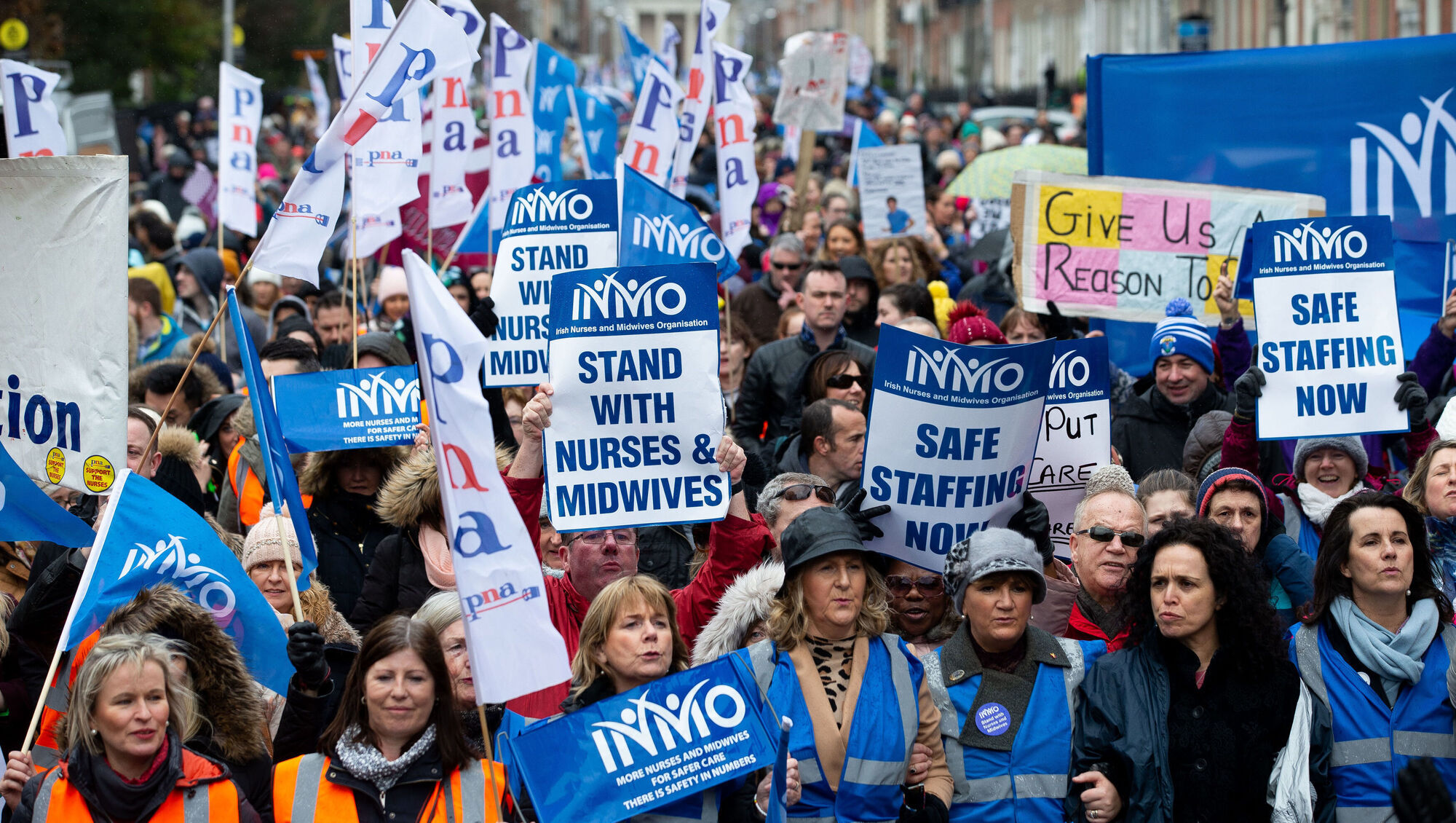
A Dublin march in support of striking nurses and midwives in 2019, calling on the government to make serious proposals to resolve an industrial dispute. File picture: Tom Honan/PA Wire
Hundreds of thousands of public sector workers are to go on strike this Wednesday, which is expected to cause widespread disruption to schools, hospitals, public services and the Dáil schedule.
The strike will see nurses, doctors, teachers, civil servants and other workers take part in a 24-hour work stoppage as part of a row with the government over pay negotiations amid the cost-of-living crisis.
It is expected to be the first nationwide public sector strike since the financial crisis; Fórsa General Secretary Kevin Callinan said it was just the second nationwide public sector strike in 40 years.
The industrial action will involve thousands of unionised public servants, who work across the healthcare, welfare, and education sectors, as well as the civil service.
This includes workers such as doctors, nurses, dentists, special needs assistants, primary and secondary school teachers, university staff and civil servants at local authorities, Government departments and state agencies.
For the first time in its history, the Irish Dental Association served notice of industrial action on behalf of its members working in the HSE.
An Garda Síochána and the Defence Forces will not take part in the strike action.
Fórsa has said over 90,000 of its members will be taking part in the strike action, while Siptu said 70,000 of its members would take part.
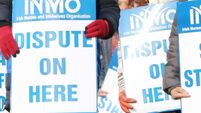
Members of the INMO, IMO, INTO, TUI and ASTI will also be going on strike, with unions estimating that there will be between 300,000 and 400,000 public servants on strike on Wednesday.
Hundreds of thousands of public sector workers will withdraw their labour for 24 hours.
This will see hospital procedures, outpatient assessments, clinics, and primary care services disrupted, while critical, time-sensitive healthcare services such as urgent cancer treatment continue.
National parks and heritage sites will not be open to visitors, apart from the Phoenix Park.
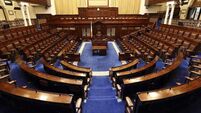
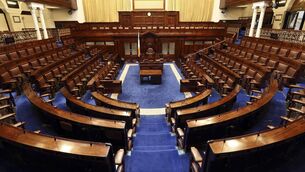
The Dáil will not sit on Wednesday, after the unions did not grant Leinster House staff a derogation to continue working amid the strike.
Read More
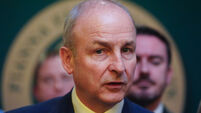
This is despite Taoiseach Micheál Martin arguing that Oireachtas staff should be exempt from the strike.
There has been previous industrial actions taking place up until now.
A work-to-rule began on September 30, which saw thousands of public sector workers work strictly to contract.
This meant withdrawing cooperation with new work practices and refusing to undertake duties outside their grade or agreed responsibilities.
On October 5, thousands of teachers and university teachers, including more than 48,000 INTO members, began another work to rule.
University staff who are members of the Irish Federation of University Teachers (IFUT) also withdrew their labour for an hour across universities and higher education institutions.
The government and unions are in a stand-off over a new public service pay deal, after the previous two-and-a-half-year deal expired in June.
There had been exploratory talks over the summer between government and the public service committee, but they ended with ballots for industrial action.
In August, the unions said more than 62,000 members of the trade union Fórsa voted for industrial action, representing 96.6% of those who voted, on a turnout of 72.6%.
A major chasm between the two sides appears to be a disagreement over the terms of engagement.
The unions want the talks to start with the topic of pay negotiations and the cost of living; the government has said they won’t agree to preconditions and they wish to follow the usual format of discussing reforms and fiscal parametres first, before pay and inflation.
Unions said the average public servant’s pay fell 5% below the rate of inflation from 2021-2025, as the previous pay deals did not reflect the dramatic rise in prices.
Unions have called for provision for the second half of this year and said the €1.2 billion allocated in the Budget towards the public sector deal was an insufficient basis for talks.
“At best, it will provide a 2.5% increase next year when inflation is running at 4.1%,” Mr Callinan said.
The unions said it did not.
Public expenditure minister Jack Chambers used his budget speech in the Dáil to call on unions to re-engage “as a matter of urgency” and call off the industrial action.
ICTU’s Owen Reidy said this was “cheeky” and said measures announced in Budget 2027 did not serve workers and had made the dispute “more difficult to resolve”.
“What we saw was indexing the tax bands, but they didn’t go far enough because they didn’t do it last year.”
He also said that the €1.2bn of the budget, earmarked towards reaching a new deal, “isn’t enough” and was “not going to square the circle”.
Asked what would happen if no progress is made on negotiations after the strike planned for Wednesday week, Mr Callinan said they were examining options for industrial action “into November” and they would “certainly see lots of industrial action through the winter”.


CONNECT WITH US TODAY



Be the first to know the latest news and updates