Just a number? Here are the real causes of early ageing

The date on your birth cert is only part of the story when it comes to age, as science shows that lifestyle and diet play a major role
Hard exercise and plenty of rest may seem like positive habits, but overdoing it can be almost as bad as not doing enough. Going the extra mile when it comes to a healthy diet and dental hygiene, however, can pay dividends. Pictures: iStock

Hard exercise and plenty of rest may seem like positive habits, but overdoing it can be almost as bad as not doing enough. Going the extra mile when it comes to a healthy diet and dental hygiene, however, can pay dividends. Pictures: iStock

How quickly are you ageing? This depends not on your birth date but on your biological age, a measure of how well your body is functioning at the molecular and cellular levels. Two people born on the same day may age at different rates, leaving one at a greater risk of disease and early death than the other.

Scientists now measure cellular ageing using “epigenetic clocks”, biochemical tests that assess small chemical changes in DNA over time. They have established that processed foods, smoking, drinking, and inactivity all contribute to faster biological ageing, highlighting how everyday habits could be robbing years from your life.

Here’s how you can help to slow ageing and stay healthy for longer.

You exercise too hard or too much

While a heavy weights session or brutal Hyrox training is admirable, not every workout should be a pain-fest. Niall Moyna, professor at the school of health and human performance at Dublin City University, says that it’s easy to fall into the trap of thinking exercise must be all-out to slow the ageing process.

Doing something is always better for overall health than not moving at all, Moyna says. “There’s benefit to be had from everyday movement,” he says. “You don’t need to be working hard every time you move and walking is always beneficial to health and ageing.”

One study that looked at 11,000 same-sex twins over 45 years found that those who exercised too little displayed sings of accelerated ageing — but so did those who worked out too much.
You walk too slowly

As we age, our telomeres — protective caps at the ends of chromosomes — shorten, resulting in accelerated cell ageing.

This process, considered a genetic marker of biological age, is compounded by poor diet, smoking, drinking, and inactivity.

However, researchers from the University of Leicester who study genetic data from more than 400,000 midlifers found that picking up your walking pace can offset at least some of the damage.

One of their papers, published in Communications Biology, showed that daily brisk walking, defined as at least 100 steps per minute, was associated with an increase in life expectancy of up to 15 years. Just 10 minutes of brisk walking daily was found to make a positive difference.

You don’t eat yogurt

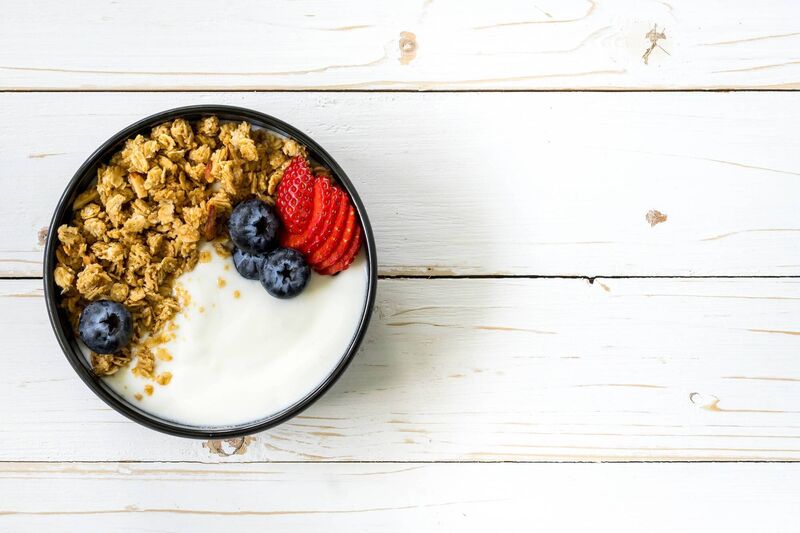
Yoghurt is nutritionally rich and has been shown to slow aging

We all know by now that plain, natural yogurt is good for the gut. “It also provides calcium to protect an ageing skeleton,” says Aveen Bannon, dietitian at the Dublin Nutrition Centre. “Any plain, live yoghurt is good for the gut and bones and you do not need to pay more for flavourings, add fruit instead.”

Now we can add the fact that it might help to slow biological ageing. A group of overweight men were asked either to continue with their usual diet or to start consuming 100ml of plain yogurt — about seven tablespoons — every day. The yogurt group also reduced their intake of processed foods and used a stepper machine for half an hour three times a week. At the same time, scientists collected blood samples to analyse chemical changes to their DNA that indicate cellular ageing over12 weeks. Publishing their results in the journal Aging , the speed of the biological ageing in the yogurt eaters slowed by approximately 2.2% and was independent of weight loss, suggesting it wasn’t the extra activity that had made all the difference.
You are obsessed with getting eight hours of sleep

The commonly cited 8 hours of sleep isnt a one-size fits all rule

Researchers say we shouldn’t become too fixated on getting eight hours of sleep a night as some adults are well-rested enough to slow biological ageing after less sleep.

A recent Nature study of almost 500,00 middle-aged adults showed that too little (less than six hours regularly) or excessive sleep (more than eight hours) are associated with diseases such as diabetes and depression and accelerated ageing. But those who usually hit a “sweet spot” of 6.4 to 7.8 hours of sleep per night showed the slowest rates of biological organ ageing.

Junhao Wen, assistant professor of radiology at Columbia University and the lead author of the study, says enough — but not too much — sleep “is important in maintaining organ health within a co-ordinated brain-body network, including metabolic balance and a healthy immune system”.

You spend too much time with difficult people

Friendships generally have a positive effect on biological ageing, providing many protective benefits such as a lower risk of cognitive decline and reduced depression. But up to one third of us have at least one “hassler” in our social network — those “who create problems or make life more difficult” — according to a recent study funded by the US National Institute on Ageing. Spending too much time in the company of these difficult friends could increase chronic stress and raise biomarkers associated with biological ageing.
“Each additional hassler is associated with faster biological ageing, with especially pronounced effects when the hassler is a family member,” the researchers write.

You are not cleaning your teeth properly

Good oral hygiene mag slow aging and reduce the risk of gum disease

Gum disease is a problem that starts as a painless inconvenience but which can eventually cause a chronic inflammatory response in the body that raises the risk of a long list of health issues from dementia and type 2 diabetes to lung and heart disease.

Chronic inflammation caused by gum disease has also been linked to speeding up biological ageing. A 2024 study in the Journal of Clinical Peridontology found that good dental hygiene may help slow ageing and reduce the risk of gum disease.

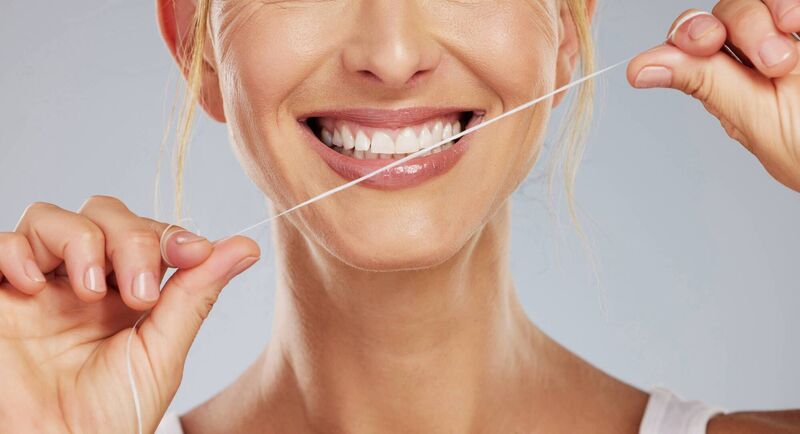
Cleaning between teeth with interdental brushes — they come in a variety of sizes and are colour-coded —  or floss is essential, says Faizan Zaheer, a specialist in periodontology and a dentist.

“You need to be scrubbing up against the walls of the teeth for it to be effective,” he says. “So a range of different sizes of interdental tools is a good idea.”

You are not eating enough carbs

Making shifts to your dietary intake, such as eating more wholesome carbs and less animal protein, could help you become biologically younger. That’s the message from Caitlin Andrews, a researcher in the University of Sydney’s school of life and environmental sciences, reporting in Ageing Cell , who found adults in their 60s and 70s who made such tweaks reduced their biological age within four weeks.
The biggest effect came when people who adopted an omnivorous high-carbohydrate approach — getting over half of their daily calories from carbs in fruit, veg, and wholegrains and a total of 14 from protein, much of it plant-based. “It’s too soon to say definitively that specific changes to diet will extend your life,” Andrews says. “But this research offers an early indication of the potential benefits of dietary changes later in life.”

You enjoy a glass of wine in the evening

Alcohol has a direct effect on aging at the cellular level

Alcohol has a direct effect on cellular ageing by causing damage to DNA in telomeres, according to a study in Molecular Psychiatry. The researchers found that compared with drinking fewer than six units a week, consuming 29 weekly alcohol units — just over one large glass a night — was associated with one to two years of accelerated ageing as determined by telomere length.

“In moderation, alcohol is OK, but that means aiming for a few alcohol free nights each week,” says Bannon.

“Women should drink under 11 standard drinks and men under 17 each week — they are upper limits, not targets.”

More in this section

Lifestyle

Newsletter

Eat better, live well and stay inspired with the Irish Examiner’s food, health, entertainment, travel and lifestyle coverage. Delivered to your inbox every Friday morning.

Cookie Policy Privacy Policy Brand Safety FAQ Help Contact Us Terms and Conditions

© Examiner Echo Group Limited