Seven tips to fuel up for colder weather and shorter days

We tend to feel less thirsty in winter, but need to drink 2l of fluid a day. Picture: iStock
Autumn can make us sluggish. “There’s a real change that happens when the season turns,” says Dr Flora Bailey, GP and metabolic health expert. “We’ve been used to having appetite suppression that comes with being warmer, while being colder increases our appetite.
“We haven’t got the sunlight in our eyes first thing in the morning, which makes us feel alert, and the shorter day signals to our bodies that it’s time for hibernation, which makes us feel sluggish. And, for some people, they really don’t like that back-to-school feeling.”

“The main mistake I see is that people build meals that are based around refined carbohydrates — cereal, sandwiches, and pasta — which are delicious, but they digest really quickly, causing a spike, then crash, in blood glucose, which triggers an energy slump. This is when many people reach for a quick, sugary boost,” says Bailey.
“Avoid this by building your meals around protein, fibre, complex carbohydrates, and plenty of vegetables.
“They slow your digestion down, keeping blood sugar stable, and give you a sustained energy that’s slowly released throughout the day.”
We live in a global society, where food is available all year round, but we’re designed to eat seasonally to get the range of micronutrients that we need.
“In autumn and winter, we see more root vegetables and less salad,” she says. “Root vegetables, such as carrots, sweet potatoes, swedes, and beetroot, and dark, leafy greens, are high in fibre, which supports steady energy release, and really high in vitamin C and beta carotene. These kinds of micronutrients are really helpful for sustaining our energy.”
We also need to be thinking about our vitamin D intake when the light starts to dip.
Despite our hot summer, she says, “we don’t really get enough vitamin D exposure through our skin, and need to work hard to make that up in our diets.”
Bailey suggests eating more chicken and oily fish, like salmon and mackerel, and adds, Tinned smaller fish are particularly beneficial, because they “tend to bioaccumulate fewer heavy metals than larger species.”
Bailey believes it is best to get your vitamins from whole foods, but she adds, “I think judicious use of supplements help when many people’s diets are lacking vitamins they really need. Any persistent tiredness, check iron, vitamin B12, or vitamin D levels with a healthcare professional.”
Vitamin D: “This is essential for our bones, immunity, and energy levels. Most people would benefit from taking it in the winter, but definitely higher-risk groups, such as the elderly, people trying to conceive, and postmenopausal women.”
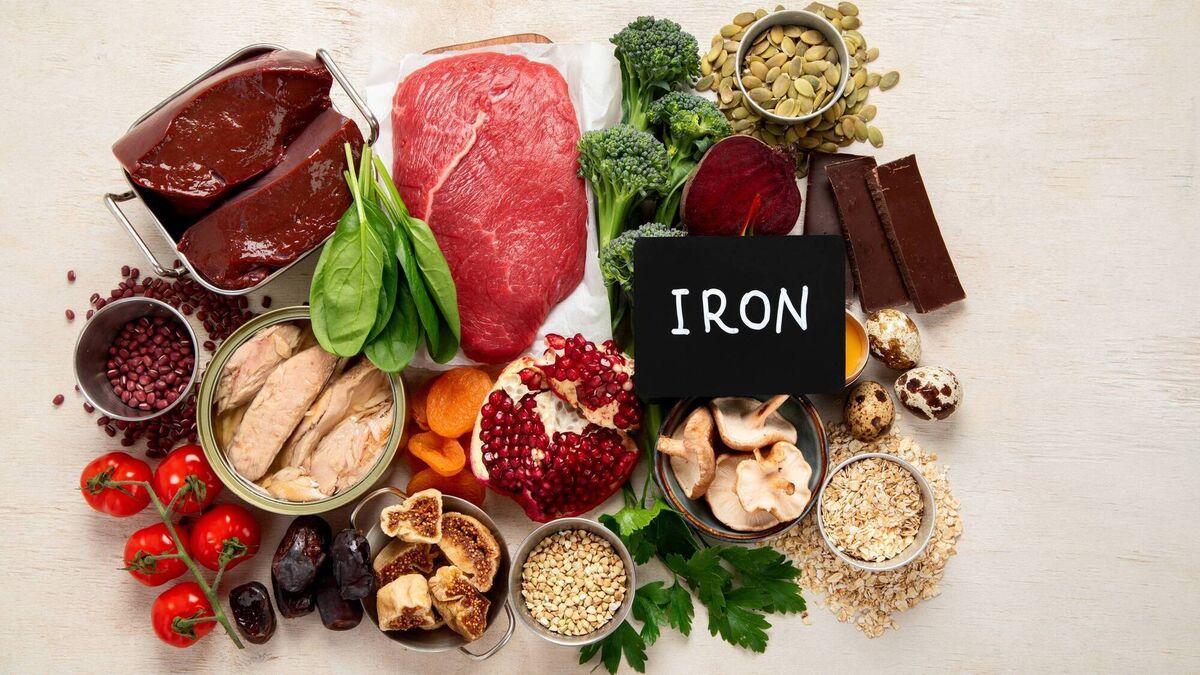
Iron: “This is needed for the immune system and making healthy red blood cells to give us energy.
“In my clinic, I have found many women are well below the optimal ferritin level and could benefit from an iron supplement.”
B12: “Many people are low or deficient in B12. Check if your diet is rich enough in foods like dairy and eggs, and if you have persistent fatigue, try B12 supplements.”
Magnesium: “This is fantastic for our brains, helps to promote sleep, and is good for muscle function and digestion. Take a supplement called glycinate or bisglycinate 30 minutes before bed to improve sleep.”
To combat hunger spikes, “build a regular eating plan that works with you. There’s no one size fits all, but consistency is key. Your body is very good at getting into habits, so if you’re a person who likes to eat three times a day, keep the timings and amounts you eat the same.”
She adds, “Make sure that there is protein with every meal. Protein is absorbed very slowly and is great nutritionally.
“I think many people are living off empty carbohydrates.”
Rather than protein bars, eat natural sources of protein that aren’t highly processed.
“Most people should eat between 1.6 to 2g of protein per kilo of body weight. And it can be found in meat and fish, Greek yogurt, and beans and pulses.”
While many of us drink several cups of coffee in the morning to keep ourselves awake, that caffeine could also be making us feel more tired.
“Caffeine blocks the receptors in your brain that register tiredness, but it only does that temporarily,” says Bailey.
“But what we’re doing is masking something when, really, your body is crying out for fuel like protein and complex carbohydrates.”
She says, “Many people drink several coffees on an empty stomach in the morning, but as the caffeine wears off and sort of unhooks itself from the receptors in the brain, people get a bigger slump in the afternoon.”
We often associate being dehydrated with the summer, but it is easy to under-drink through the colder months, because we don’t feel as thirsty.
Bailey says, “ We need about two litres of fluid a day, but that doesn’t have to be just plain tap water; it can be anything that people enjoy drinking.”
The effects of being even mildly dehydrated can cause measurable drops in concentration and energy.
She says, “You’ll know you’re properly hydrated if you pass urine every few hours and that it’s a pale, straw colour.”
Reducing fluids at night may help with waking in the night to wee, but, says Bailey, “If you are dehydrated, concentrated urine irritates your bladder and wakes you up quicker.”
Healthy snacks don’t produce glucose spikes, provide us with valuable nutrients, and stop us reaching for chocolate bars and crisps.
Bailey says, “Try peanut butter or eggs on wholemeal toast: You’re getting your protein, healthy fats, and complex carbohydrate, so energy is released very slowly. Nuts and seeds are great for snacking and fruit is incredibly good for you, in terms of the micronutrients, bananas especially... but avoid shop-bought fruit juices or smoothies.”


CONNECT WITH US TODAY



Be the first to know the latest news and updates