Natural Health: What can my husband do about his low testosterone levels?

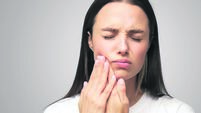
Plus: I get a throbbing headache when stressed and painkillers don't help much, what can I take?
Testosterone level in men decrease as they age. Picture: iStock 

Testosterone level in men decrease as they age. Picture: iStock 

My husband is in his mid-50s and seems to be in a low mood much of the time. His doctor did a thorough exam and gave him a clear bill of health but said his testosterone levels are a little on the low side. Is there a natural remedy that might help?

This stage of life is often referred to as “male menopause”, although it is a bit of a misnomer. Known medically as the andropause, it shares some emotional and physical symptoms with female menopause, but it is a distinct hormonal process.

Andropause involves a slow, subtle decline of testosterone at a rate of about 1% to 2% a year, typically beginning around 35 to 40 years of age.

Common cognitive signs include persistent low mood, irritability, brain fog, difficulty concentrating, and a general lack of enthusiasm. Physically, men often find their belly fat increases, muscle mass and strength decrease, sex drive reduces, they experience sleep disruption, and they can feel generally more fatigued or lacking in energy.

It is good to hear that your husband has been to his doctor for a thorough examination, as this rules out any major underlying issues.

With his testosterone levels found to be a little low, lifestyle tweaks and nutritional supplementation could help boost his mood.

Some studies suggest a link between vitamin D deficiency and low testosterone, so your husband may benefit from vitamin D3 supplementation. Zinc and magnesium also play roles in testosterone regulation. Zinc is involved in testosterone production, while magnesium may influence the bioavailability of testosterone.

Healthy fats are also important as testosterone is synthesised from cholesterol. Avocados, eggs, cold-pressed olives, hemp oil, nuts, and seeds are all excellent dietary additions to support natural hormone pathways.

Exercise is at the top of the list when it comes to lifestyle changes. Strength training and high-intensity interval training are excellent for the natural stimulation of testosterone production, helping with physical and emotional wellbeing.

Inadequate sleep or disrupted sleep reduces hormone production, which compounds low mood issues. Stress is linked to sleep problems, and chronic stress can lead to elevated cortisol levels, which may negatively affect testosterone production. In short, when cortisol goes up, testosterone goes down. Managing stress levels helps not only with hormone balancing but also with sleep and mood.

Ashwagandha (Withania somnifera) is an adaptogenic herb that helps the body to regulate cortisol, improve mood, support sleep, and may mildly increase testosterone levels as well.

I get a throbbing headache when I get stressed or overtired. I’ve tried paracetamol but it only dulls the pain. What would you suggest?

What you describe sounds very much like a tension headache, a combination of tightness in the muscles, combined with an increased heart rate, leading to the throbbing headaches you describe.

I would start by ensuring you stay on top of your hydration levels by adding electrolytes to your water, as dehydration is a significant factor in tension headaches.

Paracetamol may not be providing complete relief if it’s not addressing the underlying cause of your headaches. Instead, you could try the natural anti-inflammatory resin Boswellia serrata. Boswellia is useful in treating pain-related issues, including tension headaches, menstrual cramping, rheumatism, osteoarthritis, and sports injuries.

Studies show Boswellia is effective at 100mg (up to three times daily) when you experience mild to moderate pain, or 300mg (up to three times daily) for relief of severe pain.

For tension headaches, a magnesium cream or gel preparation can be applied directly to the affected area. Magnesium reduces muscle and nervous tension, plus it is an excellent sleep aid.

  • NOTE: The information contained in this column is not a substitute for medical advice. Always consult a doctor.

More in this section

Lifestyle

Newsletter

Eat better, live well and stay inspired with the Irish Examiner’s food, health, entertainment, travel and lifestyle coverage. Delivered to your inbox every Friday morning.

Cookie Policy Privacy Policy Brand Safety FAQ Help Contact Us Terms and Conditions

© Examiner Echo Group Limited