Thrive, don't just survive — Dr Ragan Chatterjee shares the key ingredients to happiness
Ahead of Dr Rangan Chatterjee’s live show in Dublin this November, we chat to him about his journey to finding inner peace, the simple habits that can transform our lives, and why thriving is our birthright
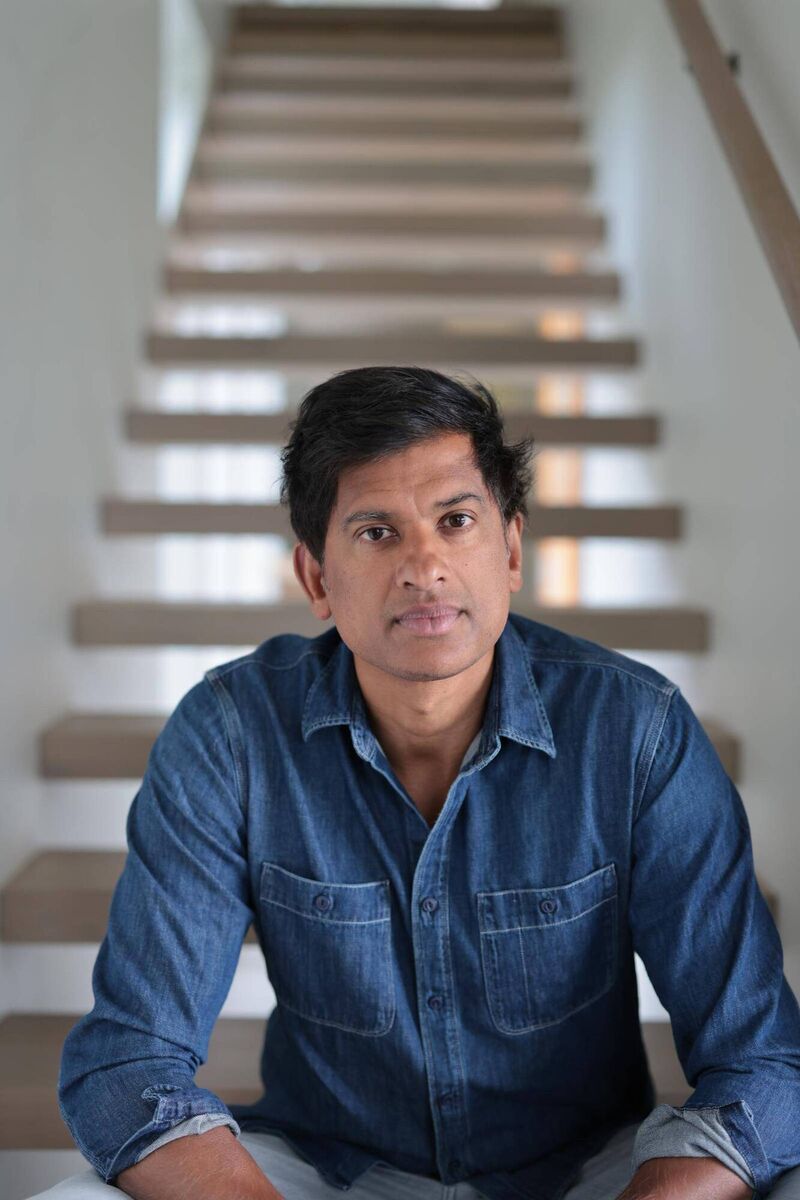
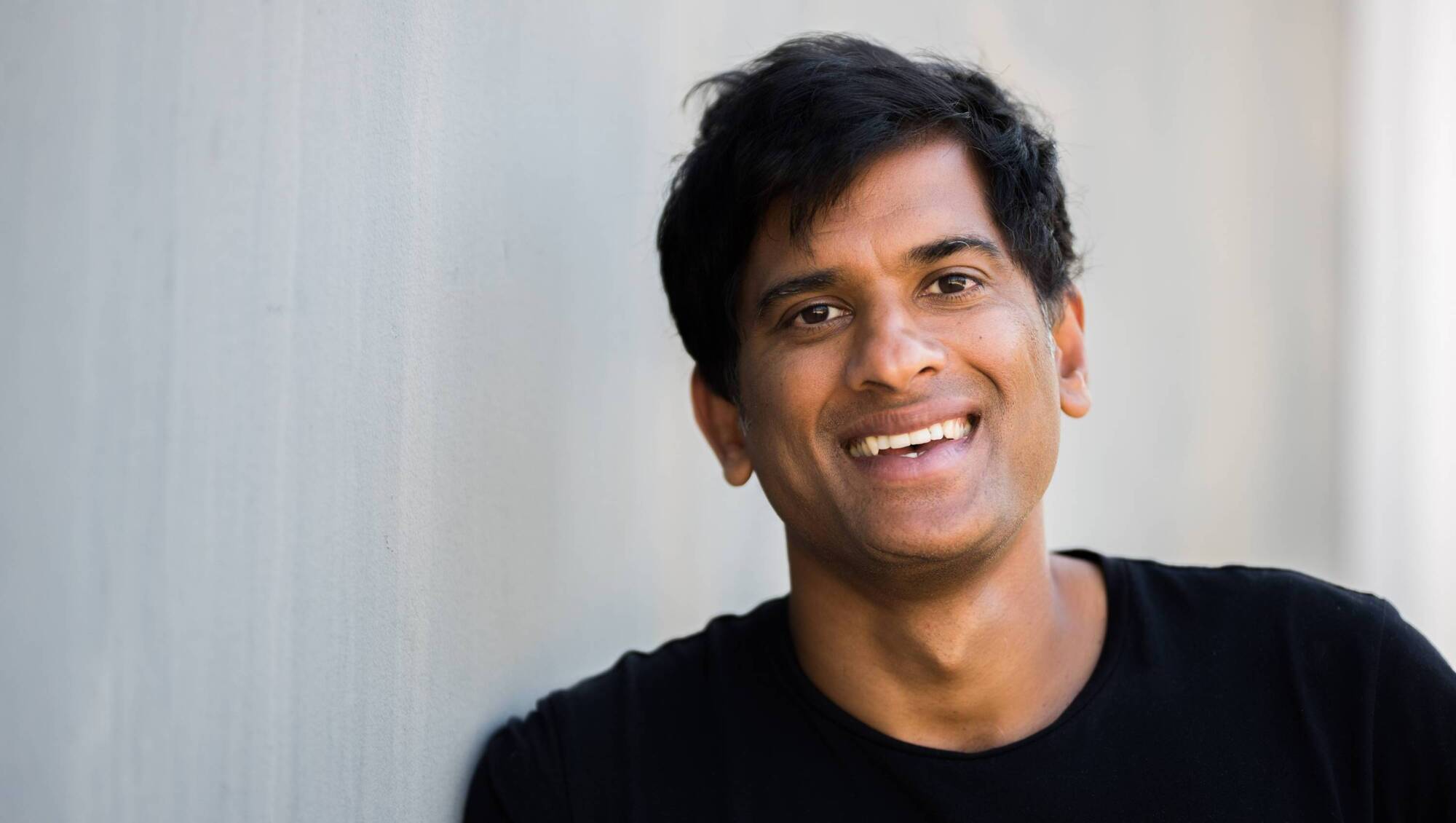
Rangan Chatterjee. ‘I have a holistic view of health.’ Picture: Ali Rogers

Rangan Chatterjee. ‘I have a holistic view of health.’ Picture: Ali Rogers

By anyone’s standards, Dr Rangan Chatterjee is wildly successful. The empathetic GP’s Feel Better, Live More podcast recently passed 400m listens (which, he says, “blows my mind”); he has written six bestselling books, and in November, he’s bringing his hit live show, Thrive Tour, to Dublin.

In a decade, he’s gone from being an NHS GP to a household name, first coming to public attention via the prime-time BBC TV show Doctor in the House.

“It would be very easy to get a big ego with this stuff”, he admits. However, he remains remarkably grounded, with a clear sense of where his priorities lie — relationships, family, meaningful work, and having time for the things he enjoys.

Staying rooted in reality is key. “I still live in my hometown. I still live a very simple life. I still care for my mum,” he says of Bandana, who lives five minutes away from him in Manchester. “I can separate what I do and my successes from how I view myself as a person.”

His parents have been “a huge influence” on his life, and being able to help care for them both in their later years — his dad, who had lupus, died in 2013 — has, he says, given his life “a lot of meaning and purpose”.

Both emigrated from India to Britain, wanting a better life, and for their children “not to have the struggles they had”, he says. Academic excellence and a professional career were seen as the path to success and security, as shown by his father, a medical doctor. He was pushed hard to achieve both.

A “straight-A student”, Chatterjee attended a prestigious medical school, gained an immunology degree on top of his medical degree, and established a fulfilling career as a GP, all of which he says made him “very successful by society’s standard metrics of success”, but didn’t bring him happiness.

He bought into the belief that his worth stemmed from his achievements, and it took years before he understood otherwise.

“I’ve realised that external achievement doesn’t make people happy,” Chatterjee tells me over a video call from his base in Britain. “We think it does. It’s the message we get as children, but it’s not what has made me happy. I realised — and this is some of the stuff I’ll be talking about in Dublin next month — that happiness is an inside job, and your worth and who you are is much more than your external achievements.”

Blueprint for thriving

His Thrive Tour promises to help attendees design a “blueprint for thriving”, so that “they’re going to go home with a deep understanding of themselves and, importantly, a plan for how they’re going to start changing things”, says the 49-year-old. “I’m trying to share these tools with people to [show], ‘there is often another way’.”

He views happiness as having three key ingredients: “Alignment, contentment and control”.

Alignment is about ensuring “your inner values and external actions” match. Contentment comes from regularly doing things that bring peace. While control isn’t about trying to control “externalities”, but rather our response to them.

Dr Rangan Chatterjee says his two non-negotiable habits are a daily walk and 10 minutes of meditation. Picture: Rich Gilligan.

“Most events in life are neutral,” he says. “It’s the perspective we choose to put on them that determines their outcome on us.”

To help bring what matters in your life into sharper focus, Chatterjee recommends a “write your own happy ending” exercise. Imagine you’re on your deathbed, then “look back on your life and ask yourself, what are three things you will want to have done or spent time on?”

For him, it’s spending quality time with his wife and their two children, now teenagers, making a meaningful impact on others, and having time to pursue his passions.

The trick, then, he explains, is to identify three weekly habits that will help make those priorities a reality. For Chatterjee, those are five meals a week with his family where he’s fully present; helping others’ wellbeing through his podcast, and finding time to play guitar or go for a walk in nature.

His happiness habits have changed his life, and packed schedule notwithstanding, he almost always fits them in, because he wants to nurture the “things that are truly important”.

He also has two “keystone habits”: 10 minutes of meditation when he wakes, and a daily walk. “When I do them, every aspect of my life is much better,” he says of what are “as close as you can get to my two non-negotiables these days”.

Not just about pills

His approach to medicine has always been different, relating to the case of a 19-year-old who came to his surgery on his first day as a GP. She was “really struggling with her moods,” he recalls, “and if I’d followed the protocol, I would’ve put her on an antidepressant. But it just felt wrong to me. I thought, ‘Hold on a minute. I need to understand what’s going on in this lady’s life. Maybe the way she feels is an appropriate response to various things in her life?’”

A chat revealed that various difficult things, including a break-up, were an issue.
Chatterjee gave her the option of medication, but also suggested lifestyle alternatives of exercise, diet, and journalling. “Within two months she was completely better,” he says. “She said, ‘Actually, doctor, I feel like a completely different person’.

I’ve never liked just using pills to suppress symptoms, I’ve always wanted to understand ‘why is this person unwell?’ And, can I learn something about their life and teach them something to help improve things?

He is not anti-medication. “I am just anti us using medication for absolutely everything, without helping patients understand there are other options.

“I don’t want to force my view on a patient, but I’ve found that if you give patients an option and say, ‘Hey, I could put you on a pill here, but did you know there are other ways we can approach this as well? What would you like to do?’, 99% of the time, they will say, ‘I’d like to try something else first, if possible’.”

It’s the choice that’s key.

His holistic approach to medicine has childhood roots. “Maybe one of the reasons I have this holistic view of health, which is not what we’re taught at medical school, is in part because of the way I was brought up,” he says. As a child, if he had a sore throat or sniffles, his mother would make him a drink with the Ayurvedic herb turmeric, the anti-inflammatory properties of which have now been confirmed by modern science.

It was Doctor in the House — which Chatterjee has described as the first prime-time programme to demonstrate how type-2 diabetes could be reversed through lifestyle changes — that showed him how a media platform could amplify his ‘lifestyle first’ message, potentially reaching many more people than he ever could as a GP. So, he made the switch. “And I miss it,” he says of his practice. “Will I go back one day? Maybe.”

Right now, he’s happy helping us thrive. “I want to empower people to trust themselves a little bit more and be less dependent on experts like me. I think we can each be the best experts for ourselves.”

x

More in this section

Lifestyle

Newsletter

Eat better, live well and stay inspired with the Irish Examiner’s food, health, entertainment, travel and lifestyle coverage. Delivered to your inbox every Friday morning.

Cookie Policy Privacy Policy Brand Safety FAQ Help Contact Us Terms and Conditions

© Examiner Echo Group Limited