‘I’ve outlived my prognosis by years’: Living with prostate cancer

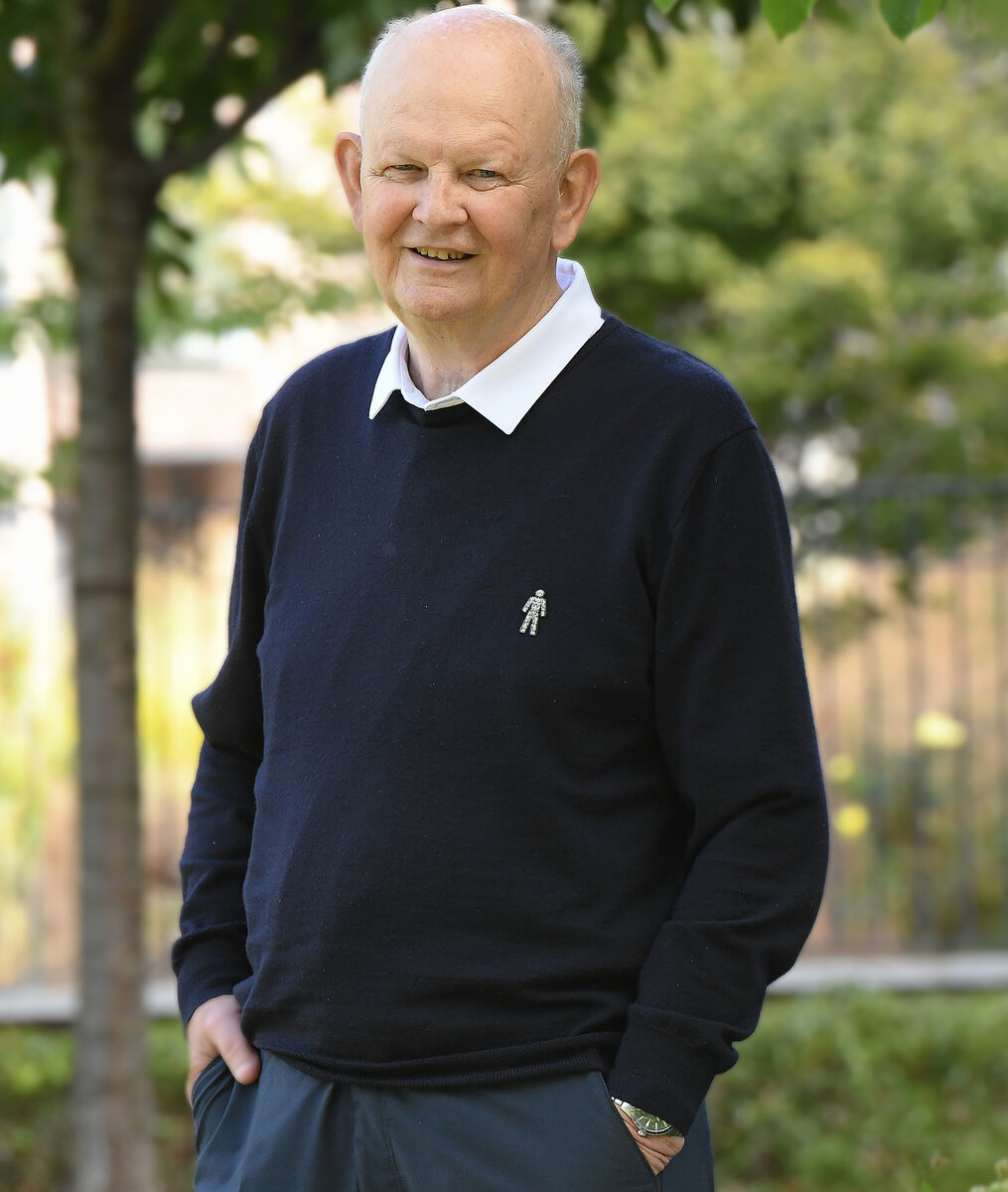
Gearóid Bradley who has stage four prostate cancer. 'I decided that I was going to be outgoing, talk to everyone, and not suffocate under the weight of the disease.' Photo: Moya Nolan
Read More
While reading up on his diagnosis, Bradley came across research that more than 47% of stage-four prostate cancer patients suffer from mental health issues. “I decided that I was going to be outgoing, talk to everyone, and not suffocate under the weight of the disease.”
Bradley has recently completed six sessions of treatment, combining radium-223 — a targeted radiation therapy — with other drugs for prostate cancer that has spread to the bones.
The Marie Keating Positive Living programme is a free support group for people living with stage-4 or metastatic cancer.
Early prostate cancer is often present without any obvious symptoms. However, if you have any of the symptoms listed below, make an appointment with your doctor.
- Dysuria — difficulty and pain passing urine;
- Urgency — difficult to postpone passing urine;
- Frequency — going to the toilet more frequently than before;
- Nocturia — getting up more than twice a night to pass urine;
- Hesitancy — taking time to get going when passing urine;
- Flow — has become weak or intermittent;
- Incomplete emptying — feeling that the bladder has not emptied;
- Blood present in the urine.
- Trouble having or keeping an erection;
- Lower back pain or pain in hips or upper thighs.
Note: As men age, the prostate often enlarges, which can cause urinary symptoms. This condition is more common than prostate cancer, although both can occur together.
CONNECT WITH US TODAY



Be the first to know the latest news and updates