‘It’s not unmanly to ask for help’: Irish prostate cancer patient urges men to seek support
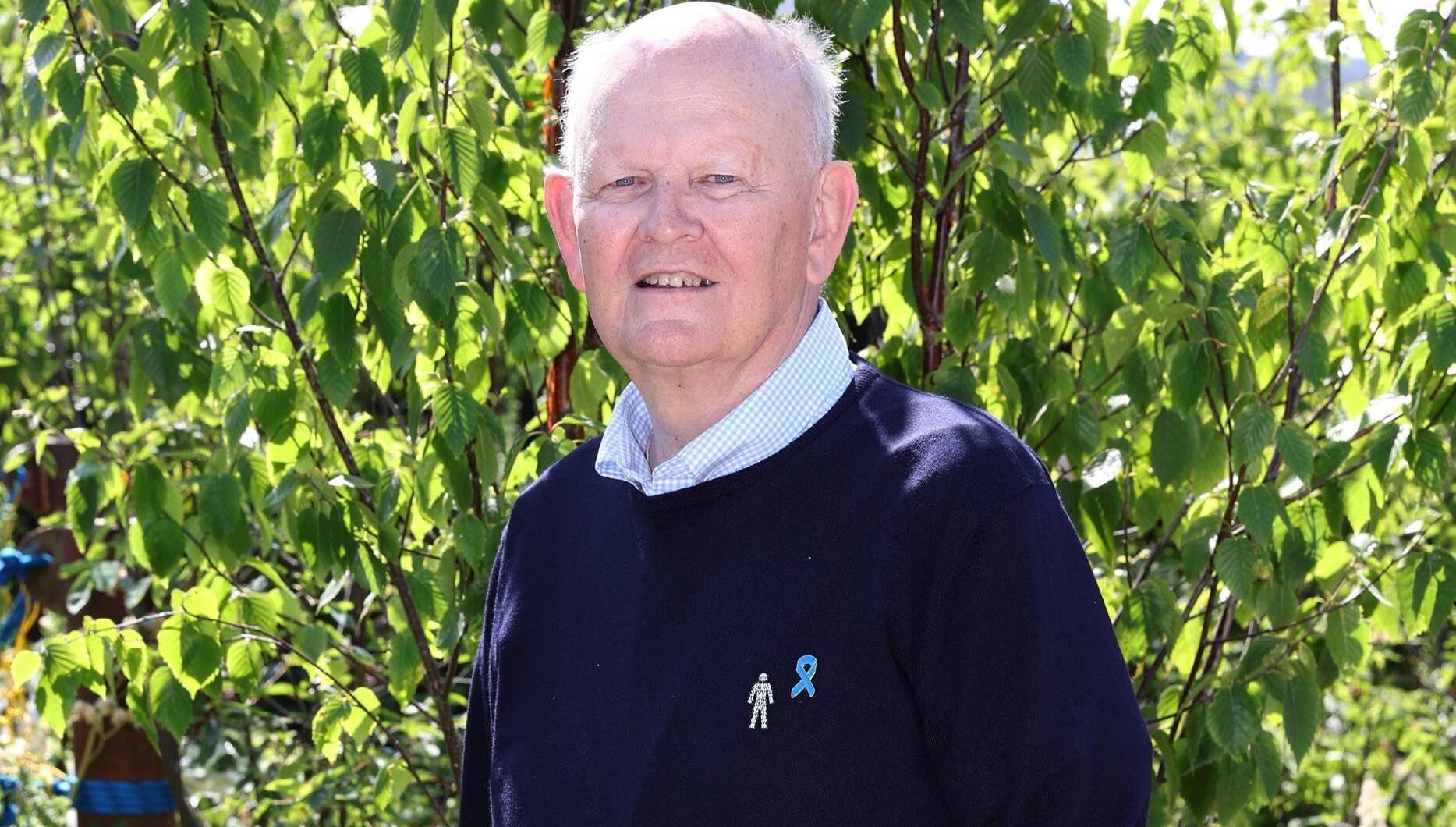
Gearoid Bradley: 'While we cannot beat this curse of a cancer, we can only continue to maintain a good sense of humour, be hopeful, and take each day as it comes.' Picture: Brian McEvoy
A man who was given just months to live after being diagnosed with advanced prostate cancer more than two years ago has urged other men to seek help, stressing there is nothing "unmanly" about getting tested or asking for support.
His appeal comes as controversy erupts in England over changes in how men access tests that can help identify the disease.
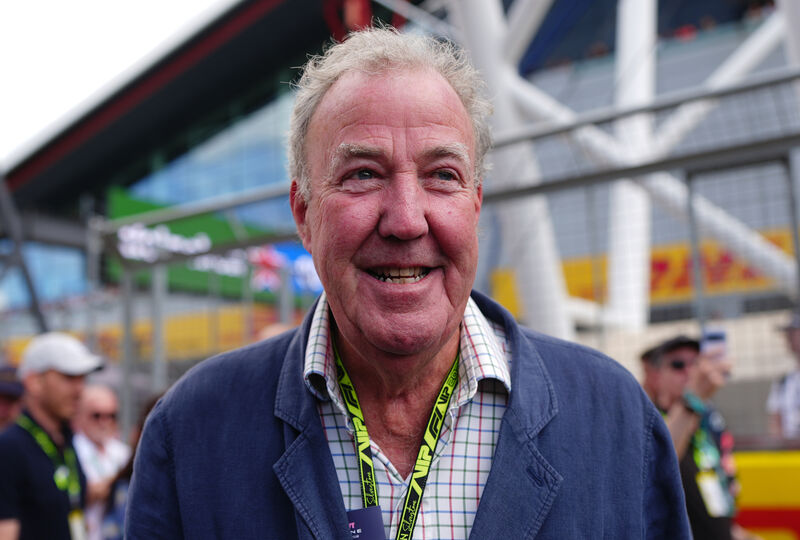
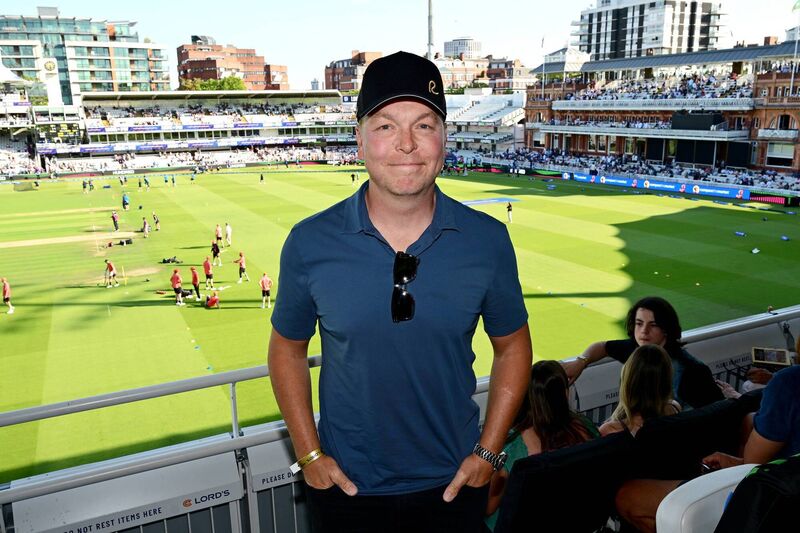
High-profile patients, including TV presenter and farmer Jeremy Clarkson, Olympic cyclist Chris Hoy, and former prime minister David Cameron have called for more access to testing.
In Ireland, about 4,000 men are diagnosed with prostate cancer annually. There is also no national screening programme here.
Gearóid Bradley’s shock diagnosis in March 2023 only emerged during care for a separate health condition.
“I was devastated and cried and found it very difficult to comprehend,” he said.
“I knew no other person who was in the same situation as I was in at that time. There was a feeling I was on borrowed time and very isolated. I have to say it is a very lonely, traumatic situation, and my wife and family were also devastated.”
Now 74, Mr Bradley urged other men: “While we cannot beat this curse of a cancer, we can only continue to maintain a good sense of humour, be hopeful, and take each day as it comes.”
He tries to follow advice in the book to take five minutes of self-pity a day.
“Then we must get on with our fight to stay alive, stay positive, and seek to do some good while we are still alive,” he said.
Read More
Mr Bradley is on the board of Prostate Cancer Ireland. He and fellow patient Frank Kavanagh are also engaged with the Beacon Hospital and charities such as the Marie Keating Foundation in setting up peer supports.
“You’ve got to take some control yourself, look for help,” he advised. “Don’t be afraid to ask, it’s not unmanly to ask for help.”
A father of three who has been married to his wife Catherine for more than 50 years, he encouraged other men to involve their partners in treatment decisions.
"It's actually manly to ask because there's two people going on this journey," he said.
The retired chemical engineer has taken an active role in managing his condition, including participating in treatment in Helsinki.
However, he ultimately decided not to continue there, citing the lack of the "grá and craic" he experienced from hospital staff in Ireland.
“I did extensive research and it threw up the scandalous situation that at advanced stage of the cancer journey, the Irish system does not offer radioligand therapy, which is FDA approved in most countries in Europe and the US,” he said.
A medicine that works by delivering targeted doses of radiation to cancer cells, radioligand therapy is available in Ireland for private patients but can cost as much as €15,000 to €25,000 a session.
Mr Bradley's next health review is scheduled for Tuesday.
“I am at this crossroads where Pluvicto is a very high probable next option,” he said.
The treatment is not currently funded for public patients. In 2024, the National Centre for Pharmacoeconomics advised against its reimbursement, prompting calls from oncologists for the HSE and manufacturer Novartis to reach agreement on a price that would allow wider access.
The HSE said last month talks remained under consideration and it could not comment on potential outcomes "pending the notice of proposal and representation process".
Jim Blighe, chairman of Prostate Cancer Ireland, called for men in their 50s to learn about PSA testing — a blood test that measures the amount of prostate specific antigen (PSA) in their blood — which can help identify this cancer.
“And from 45 if there’s a history of prostate cancer in your family or if a female relative had breast cancer, there’s also a higher risk for prostate cancer then,” he said.
Mr Blighe said he was disappointed with the recent developments in England. “They’ve decided not to offer broader screening and to even narrow the guidelines for GPs when they refer on. It’s terrible news, absolutely awful news.”
Though GPs in Ireland have referral guidelines, he said: “The problem is men are not really aware of this test and don’t ask for a PSA test.
Mr Blighe acknowledged medical concerns about false positives, saying: “It’s not perfect.
“The HSE and clinicians would be worried if you screen everybody you’ll end up sending men for biopsies and MRI scans when they don’t really need it.”
The Marie Keating Foundation advises PSA testing is not specific enough for a national screening programme. Treatment can cure cancer but also has negative physical effects.
Mr Blighe welcomed developments in care, including Pluvicto.
“It’s a drug aimed a small cohort of men, it has to be a specific type of prostate cancer. It isn’t a cure but it buys a lot of additional time.”
Meanwhile, University College London Hospitals this week announced research showing some prostate cancers can be diagnosed without an invasive biopsy. It said for some men, cancer can be detected through an MRI scan alone with a high degree of certainty.
Elsewhere, pilot programmes under the European PRAISE-U initiative are continuing at five sites, including in Ireland, with the aim of reducing prostate cancer deaths through earlier detection.
However, an update published this month in identified low levels of awareness among men. Researchers also reported "notable deficiencies in eligible population identification and data governance" at four of the five pilot sites, including Ireland.


CONNECT WITH US TODAY



Be the first to know the latest news and updates