Over half of men with prostate cancer say treatment had worse impact than expected on sex lives
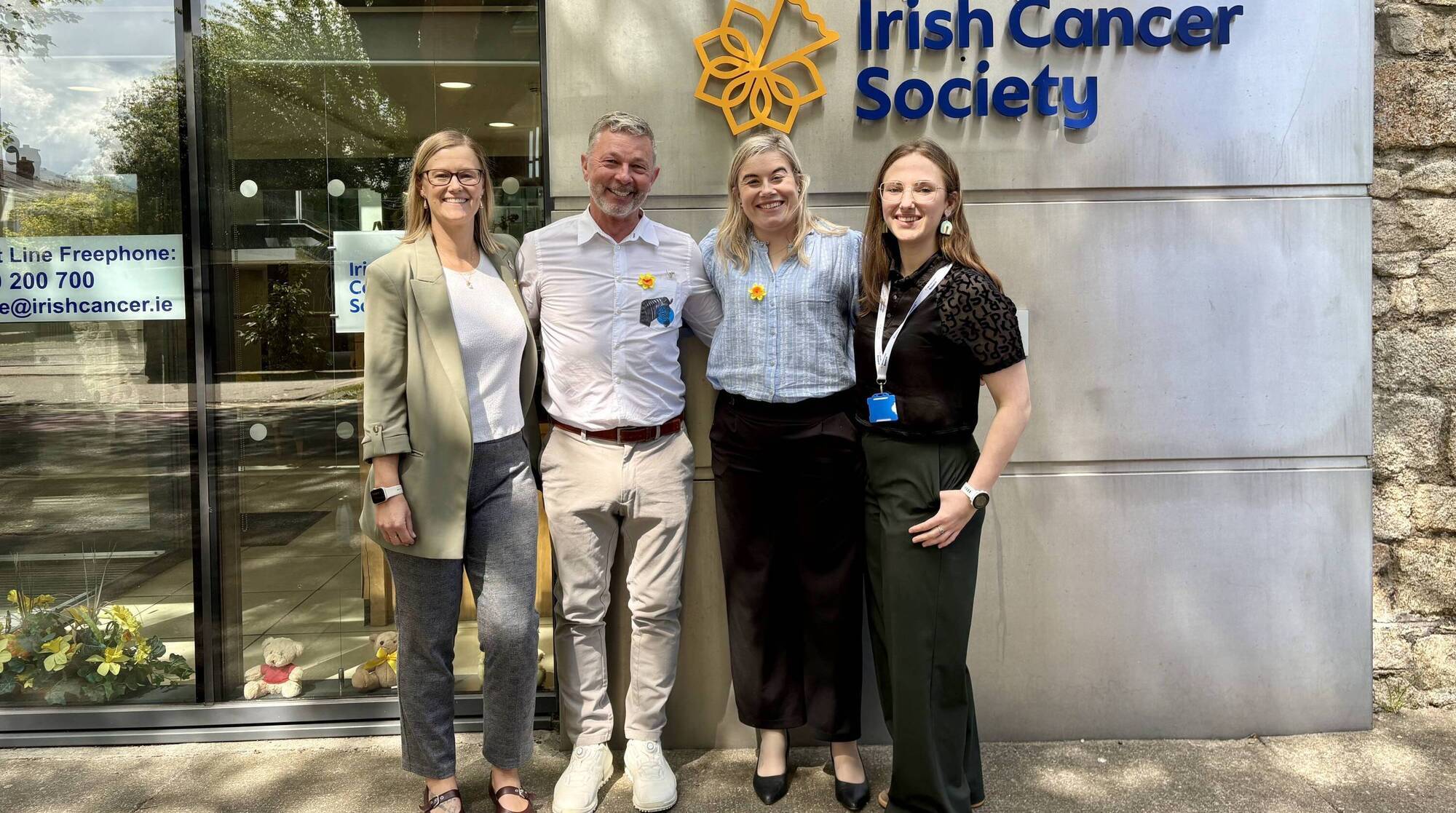
(Left to right): Claire Hopkins (head of marketing at Cancer Trials Ireland), Martin Sweeney (co-chief investigator of PRO-ACT and prostate cancer patient), Dr Claire Kilty (head of research at the Irish Cancer Society) and Niki Warner (programme manager of Research Partnerships at the Irish Cancer Society at the launch of the study of people affected by prostate cancer.

(Left to right): Claire Hopkins (head of marketing at Cancer Trials Ireland), Martin Sweeney (co-chief investigator of PRO-ACT and prostate cancer patient), Dr Claire Kilty (head of research at the Irish Cancer Society) and Niki Warner (programme manager of Research Partnerships at the Irish Cancer Society at the launch of the study of people affected by prostate cancer.

More than half of men who had prostate cancer saw a worse impact than expected on their sex lives from treatment with most not prepared for this, new Irish data shows.

Around 4,000 men are diagnosed with prostate cancer in Ireland annually and one in seven will be diagnosed during their lifetime. However, this survey reveals unexpected challenges and gaps in care facing survivors.

Some 60% said the impact of treatment on their sexual function was either worse or much worse than they expected and two-thirds of the respondents said they were either underprepared or completely unprepared.

Almost all the men, 80%, said “a longer or clearer discussion” with doctors would have helped them prepare for this negative impact. Men’s partners were among the 1,150 people who took part.

Only 65% of them attended an appointment where sexual function was discussed while 78% said their own sexual well-being did not form part of the conversation.

The PRO-ACT (Patient-led Research On sexual experience After Cancer Treatment) Survey looked at intimacy, mental health, and quality of life.

Co-chief investigator Martin Sweeney was diagnosed with prostate cancer in 2015. He is a member of Cancer Trials Ireland’s patient consultants committee. 

He warned of a “significant gap in the patient pathway, leaving many patients and their partners to suffer in silence". 

Vital services are not provided, he added. “Existing medical teams try their best but typically aren’t qualified in these areas," he said. 

He called for services to wrap around all aspects of care as survival rates improve; more peer support; and involving partners more. 

“In my own family history, I’ve seen how survival rates have changed," he said adding his grandfather and father both had it. 

His co-chief was Professor Paul Kelly, a radiation oncologist and the survey was under the guidance of Cancer Trials Ireland.

Dr Claire Kilty is head of research at the Irish Cancer Society which funded the survey. She echoed the call for change, saying more robust services are needed for survivors.

x

More in this section

Lunchtime News

Newsletter

Get a lunch briefing straight to your inbox at noon daily. Also be the first to know with our occasional Breaking News emails.

Cookie Policy Privacy Policy Brand Safety FAQ Help Contact Us Terms and Conditions

© Examiner Echo Group Limited